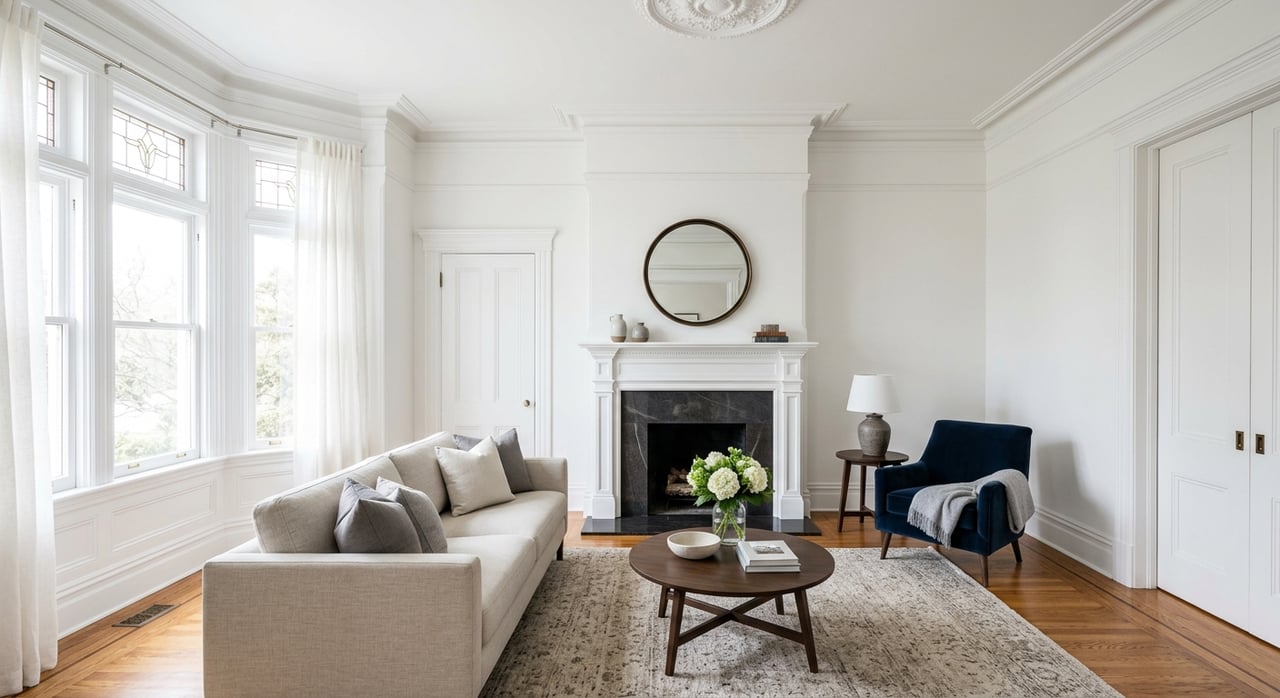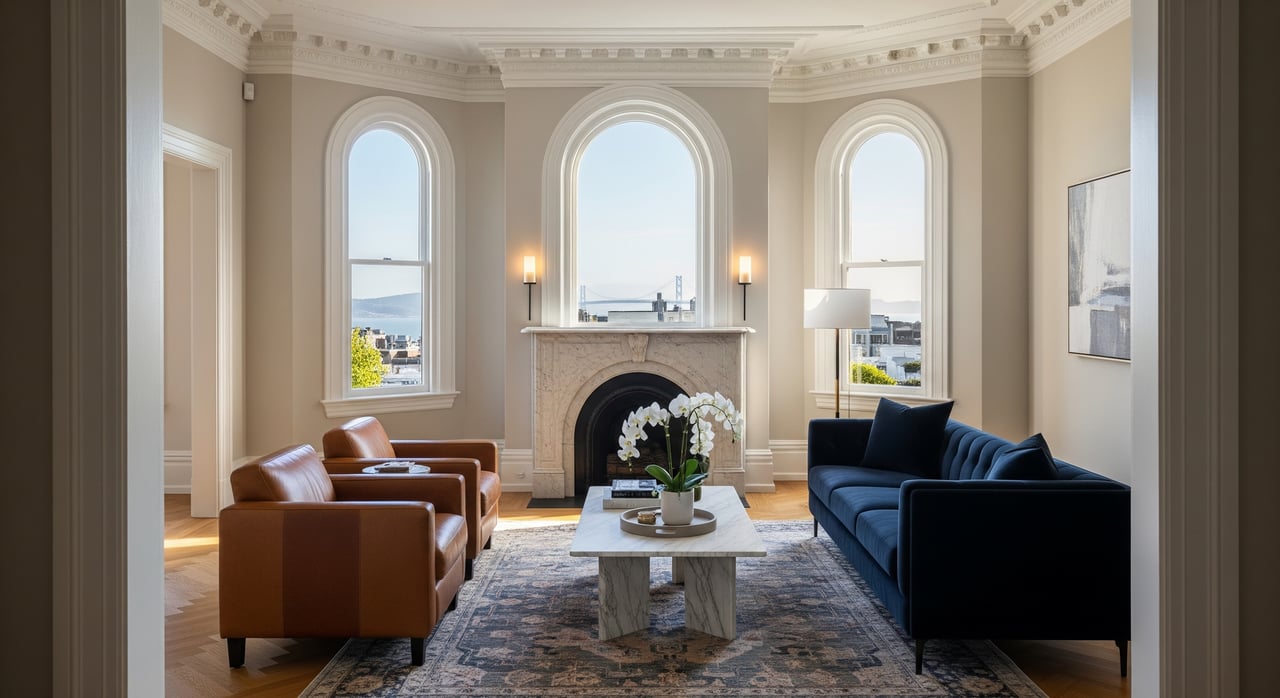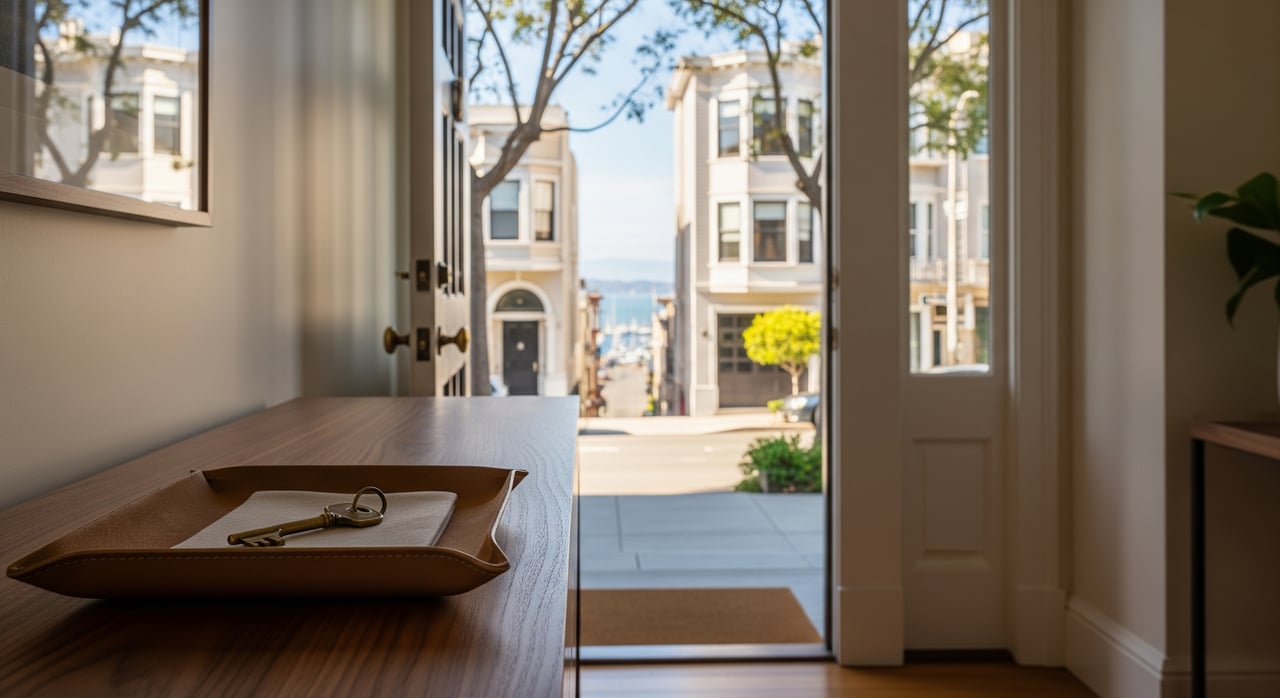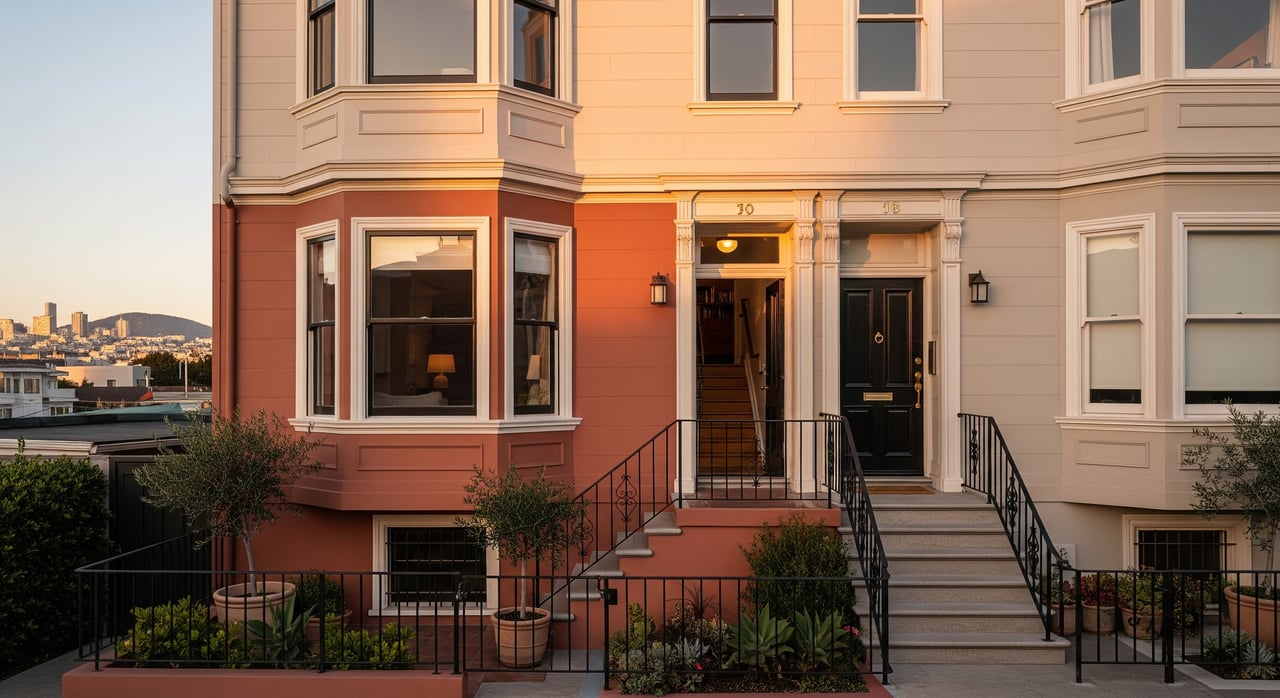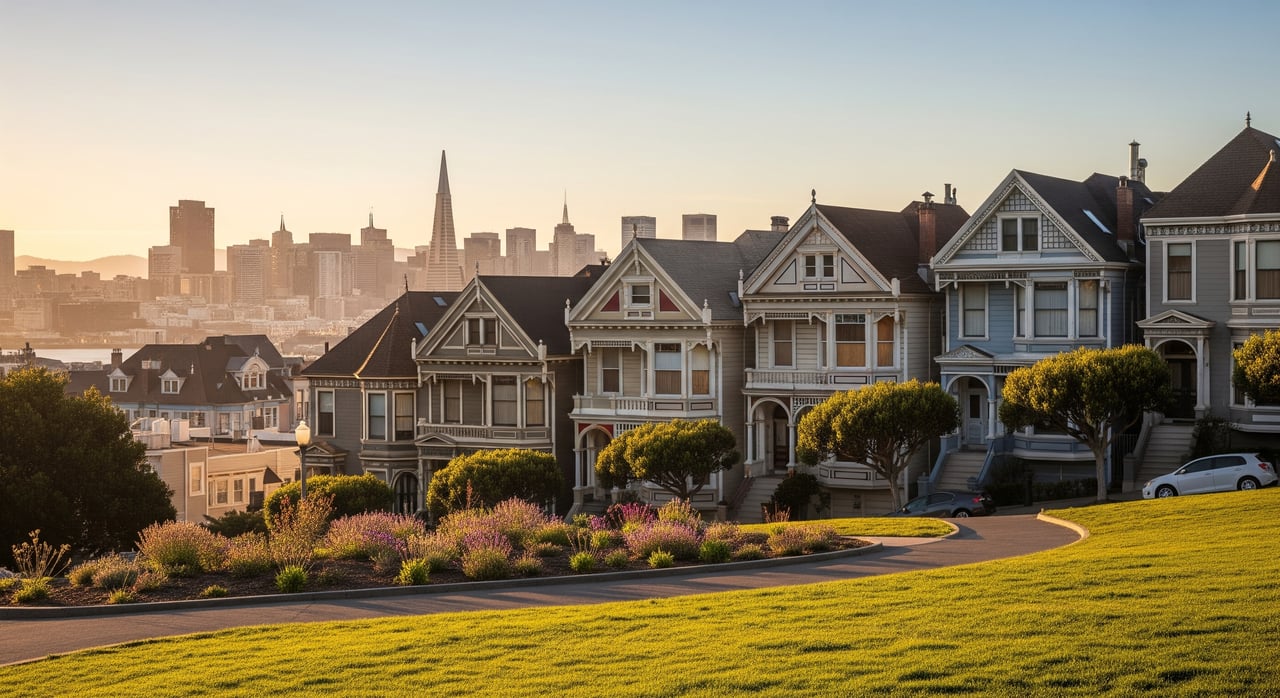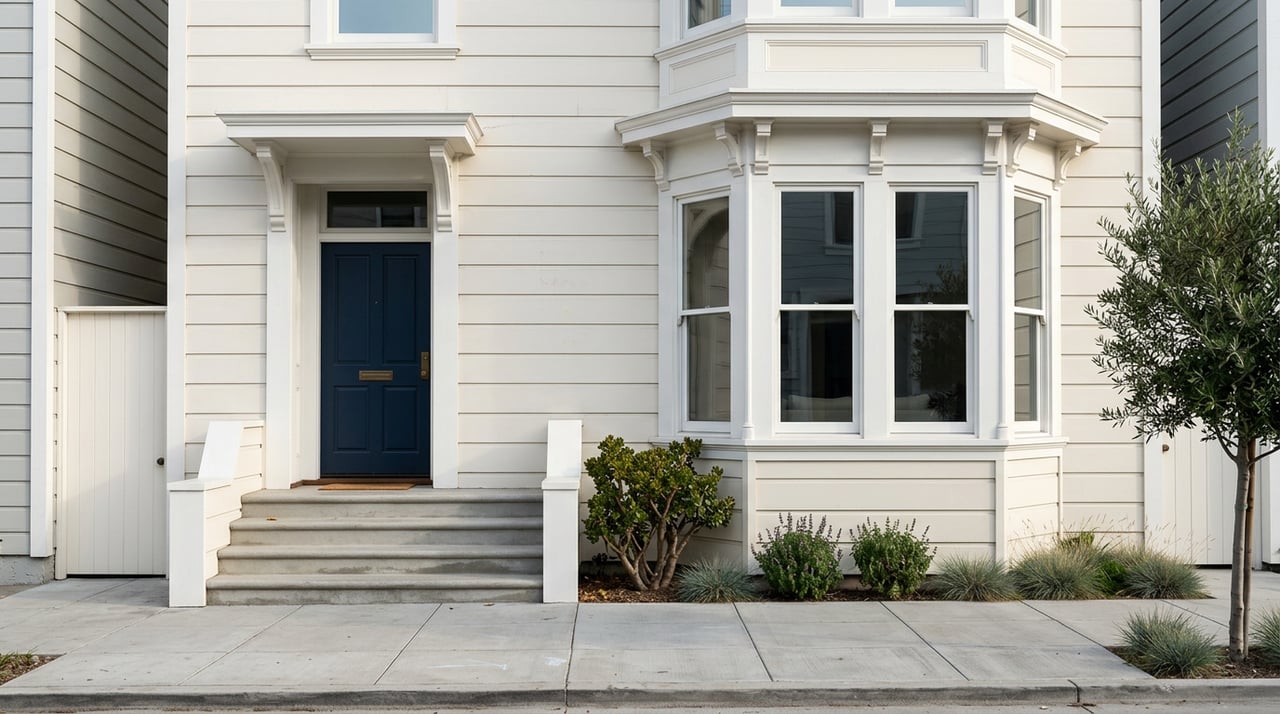
If you live on the Hill, you already know the 18th Street restaurant strip. You know Plow's line, Chez Maman East's outdoor seats, the counter at Goat Hill Pizza. What's easier to miss is that the neighborhood's actual summer calendar this year lives two blocks south, on the stretch of De Haro and 20th where the Potrero Hill Neighborhood House and Potrero Stage sit almost across from each other. That's where the season is happening. The eating strip is where it goes for dinner afterward.
The thesis, stated plainly
Most Hill roundups treat the neighborhood as a collection of restaurants with a park attached. That framing misses what's actually programmed here between July and October. In a four-block span, one century-old community house and one 199-seat theater are running back-to-back festivals almost every weekend of the summer, then handing the fall off to a 50-year-old street fair on the same blocks. If you're planning weekends, the address to memorize is 953 De Haro Street. If you're planning date nights, it's 1695 18th Street. Everything else on this list is either a walk between the two or a reward after.
The community spine: De Haro and 20th
The Neighborhood House at 953 De Haro was designed by Julia Morgan and has been operating for more than a century, which is worth stating flatly because it explains why so much of the Hill's programming still routes through it. On Saturday, July 11, from 11 a.m. to 4 p.m., it hosts the Potrero Hill STEAM Festival, a free family-oriented day of hands-on art, robotics, and games. If you have kids, block the morning. If you don't, know that De Haro will be closed-feeling and pleasant to walk that afternoon.
Two blocks east, Potrero Stage runs the FREE-PLAY Festival from July 31 through August 23. Four weeks. Twenty-one productions. Sixty-one performances. Fringe-style, meaning short runs, low commitment, tickets you can grab the day of. For a neighborhood this size, that density of new theater in a single August is unusual, and it's the single best reason to walk to 18th Street after dark this summer rather than driving into Hayes Valley for a show.
Then the same spine hands the fall off. The Potrero Hill Festival hits its 50th year in October, stretching across four blocks of 20th Street with R&B on the main stage, and it benefits Daniel Webster and Starr King Elementary along with the Neighborhood House. Fifty years on the same four blocks is the sort of continuity that reshapes how you think about your own block. Mark it now so you don't book a weekend away.
Where the spine goes to eat
Once you accept that the community programming is the anchor, the restaurants stop feeling like a list and start feeling like stops on a route. Here's how the summer actually breaks down for a resident:
| If you're at | Walk to | For |
|---|---|---|
| Neighborhood House (953 De Haro) | Plow, 1299 18th St | Late brunch after STEAM |
| Potrero Stage (1695 18th St) | Parker Potrero, 1700 block of 17th | Post-show dinner |
| 20th Street festival blocks | Chez Maman East, 1399 18th St | French onion soup and duck confit |
| Anywhere on the Hill | Milkbomb | The pandesal ice cream sandwich |
A few of these deserve more than a table row. Parker Potrero is the newest of the group and small enough that a Saturday walk-in is a coin flip. It's the kind of place that rewards residents who can bike over on a Tuesday. Milkbomb runs out of a business park courtyard with hours that shift week to week, and the move, per The Infatuation, is the ice cream sandwich on griddled ube pandesal, not a cone. Goat Hill Pizza has been doing brick-oven sourdough since 1975, and its Monday all-you-can-eat pizza and salad still runs under twenty dollars, which in 2026 San Francisco is a data point worth stating.
For quieter mornings, Thinkers Café sits at 1631 20th Street, directly across from the Potrero Hill branch of the San Francisco Public Library. That corner is one of the calmer intersections on the Hill on a weekday, and it puts you a block from the library, which still has the best air conditioning within walking distance if the fog burns off.
The Dogpatch spillover you can walk to
The other reason to reset your mental map this summer is that a lot of what feels like Potrero Hill programming is actually happening a few blocks east in Dogpatch, close enough that it's a fifteen-minute walk from most Hill addresses. Minnesota Street Project at 1275 Minnesota Street has been transforming its 10,000-square-foot industrial warehouse into gallery pop-ups tied to SF Art Week, and if you haven't wandered through on a Saturday afternoon, that's the easiest cultural upgrade to your weekend routine available right now.
Then there's the Vermont Greenway. If you've been on the Hill for a few years, you know the twistiest stretch of Vermont Street between 20th and 22nd, which the neighborhood has been landscaping in one form or another since a Sunset magazine feature in 1963. There are monthly native planting workdays running through the summer, and they're the kind of low-key civic thing that turns block-level acquaintances into actual neighbors. Bring gloves.
A weekend, blocked out
Because a list of places is not a plan, here's what a resident's July weekend can look like without leaving the neighborhood:
- Saturday morning. Coffee at Thinkers Café on 20th. Walk two blocks to the Neighborhood House if the STEAM Festival is running, or continue west and loop through McKinley Square.
- Saturday lunch. Plow if you're willing to wait, Marcella's Lasagneria in Dogpatch if you're not.
- Saturday afternoon. Fifteen minutes to Minnesota Street Project. Come back the long way along Third Street to see what's opened.
- Saturday evening. A FREE-PLAY show at Potrero Stage. Tickets often available same-day.
- Sunday. Milkbomb. Do not overthink this.
That itinerary uses one car trip, which happens to be zero.
What this changes for a resident
If you've lived on the Hill for two years, none of the individual names above are new. The point is the shape. The programming density on the De Haro and 20th spine between July and October is what makes Potrero Hill feel less like a quiet residential pocket and more like a small town with its own season. That texture is easy to miss when you're commuting off the Hill five days a week and defaulting to 18th Street on the weekends. The correction is small: pick two festival dates, one theater night, one gallery walk, and let the restaurants fall in around them rather than the other way around.
The Hill has always been described as isolated from the rest of the city by freeways and industrial blocks. That isolation is usually framed as a drawback. Between July and October, it's the reason any of this works. The programming is close enough together that you can walk it, small enough that you'll recognize half the crowd, and old enough (a century-old community house, a fifty-year-old street fair, a fifty-year-old pizzeria) that the neighborhood clearly knows how to keep it running.
When your relationship to the neighborhood changes
Most of our clients on Potrero Hill didn't come to us because they were shopping the market. They came because they'd lived here long enough to know exactly which block they'd move to next, and they wanted an agent who already knew the same map. If a summer walk down 20th Street has you thinking about what's next for you on the Hill, whether that's a first sale, a second unit, or the small multi-family building you keep passing on your way to Plow, Adelaida Mejia would be glad to talk. Book an appointment or request a home valuation when you're ready.