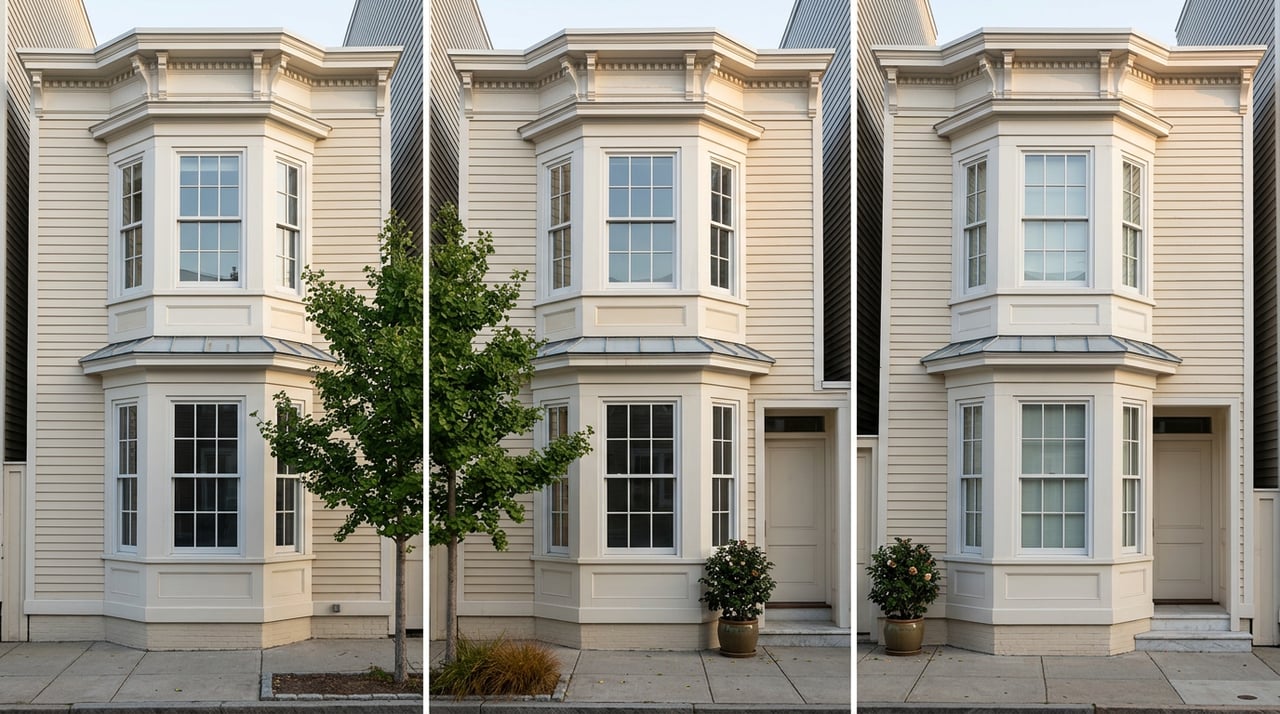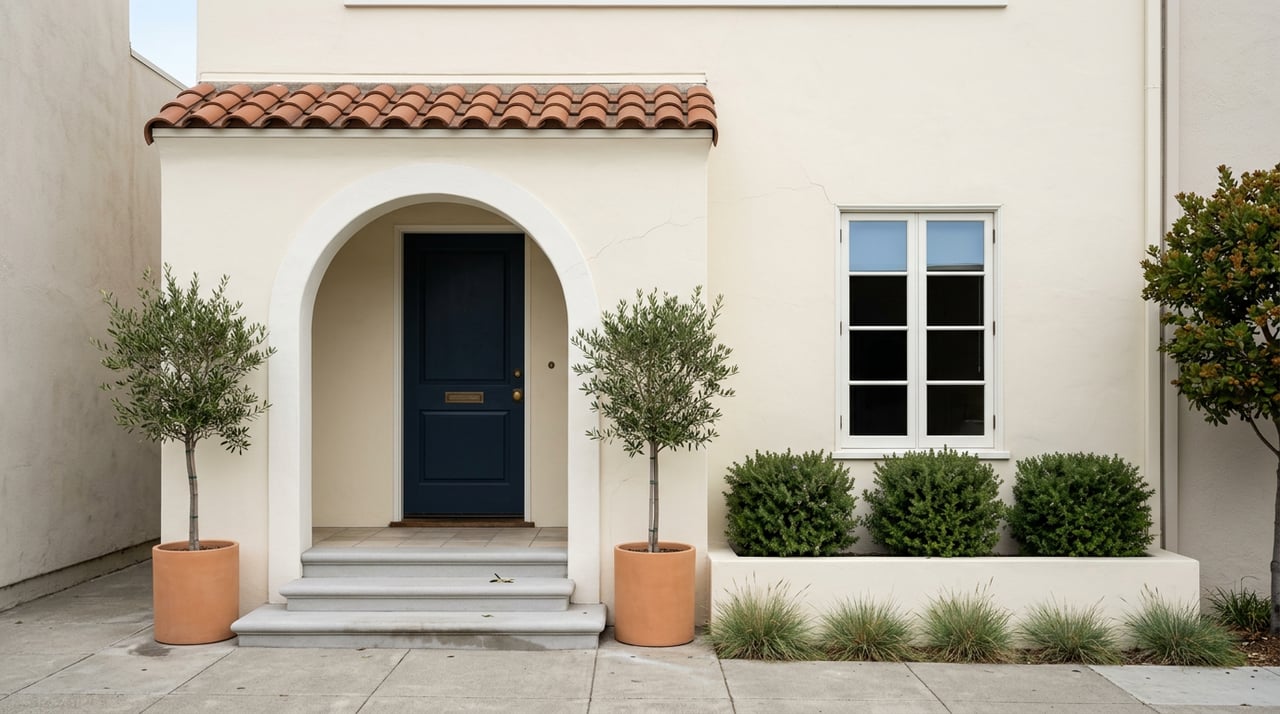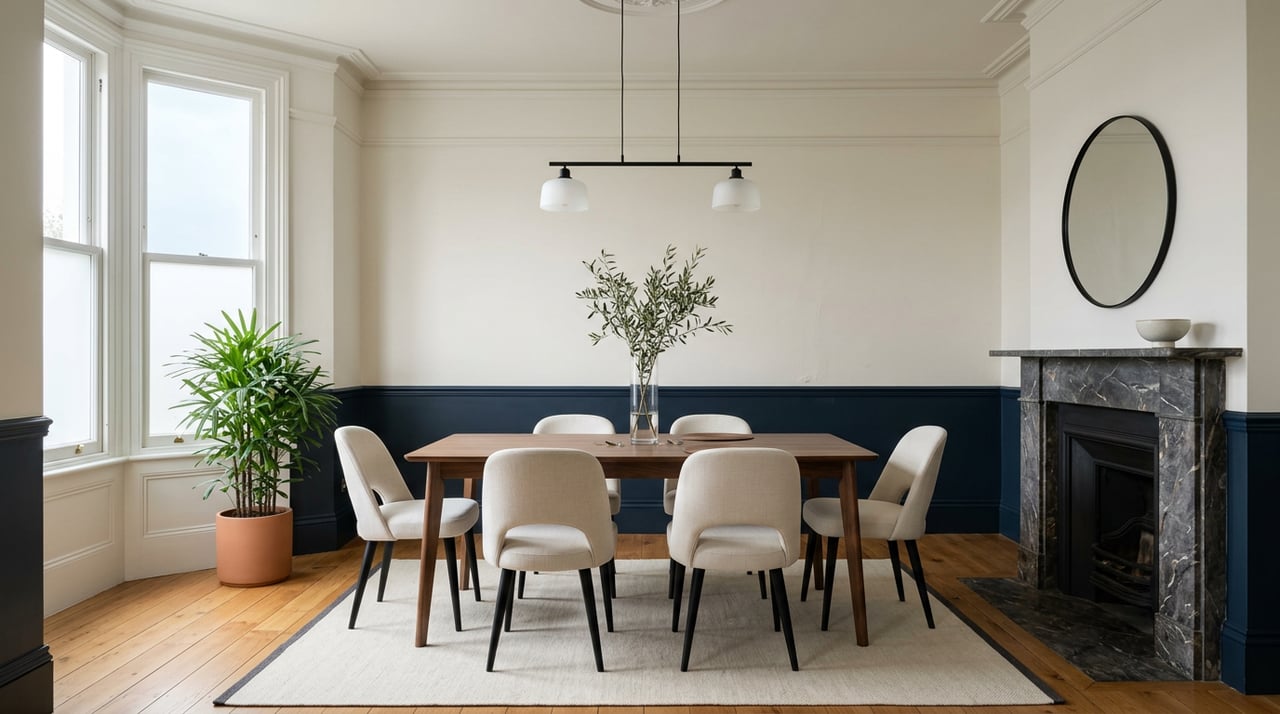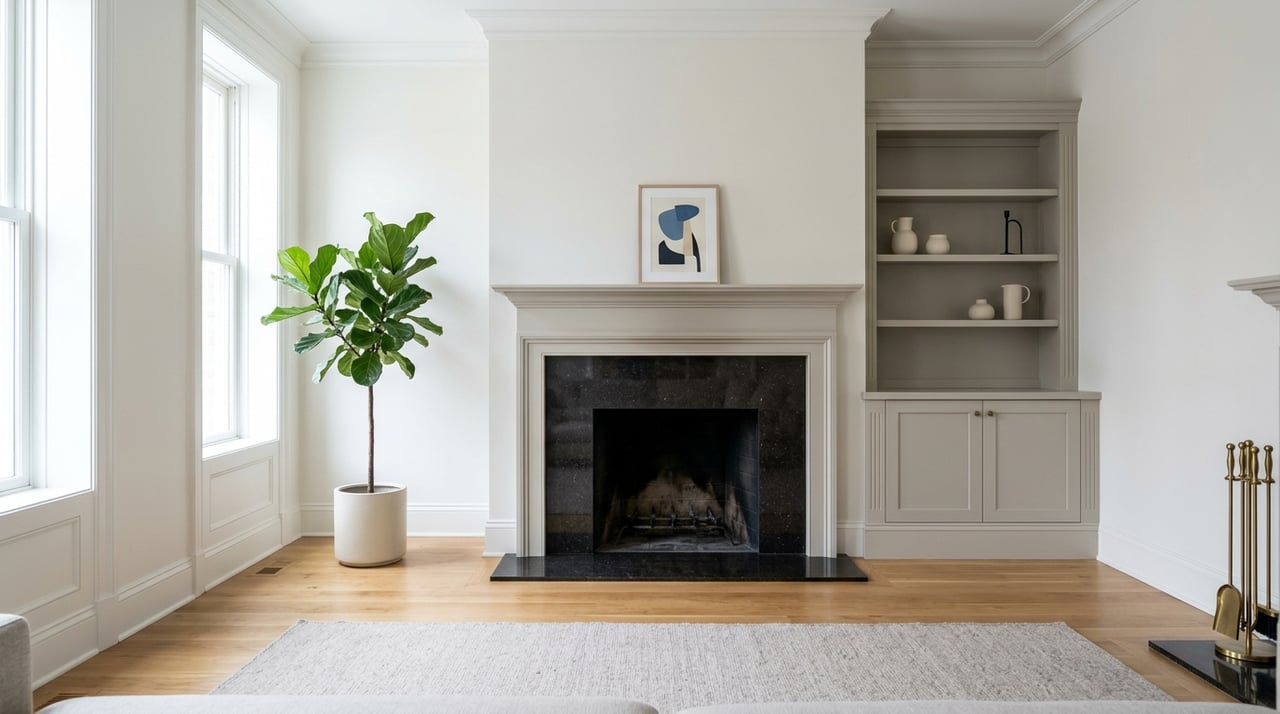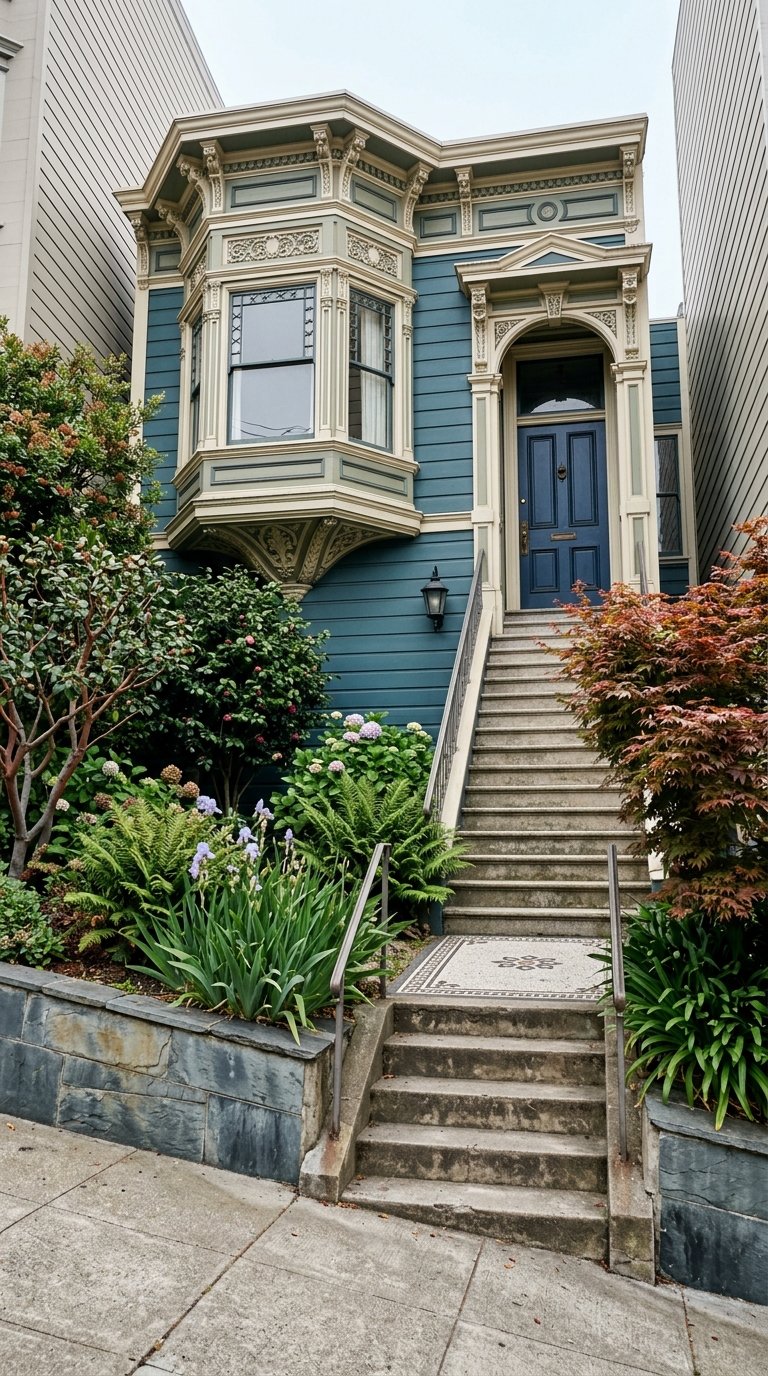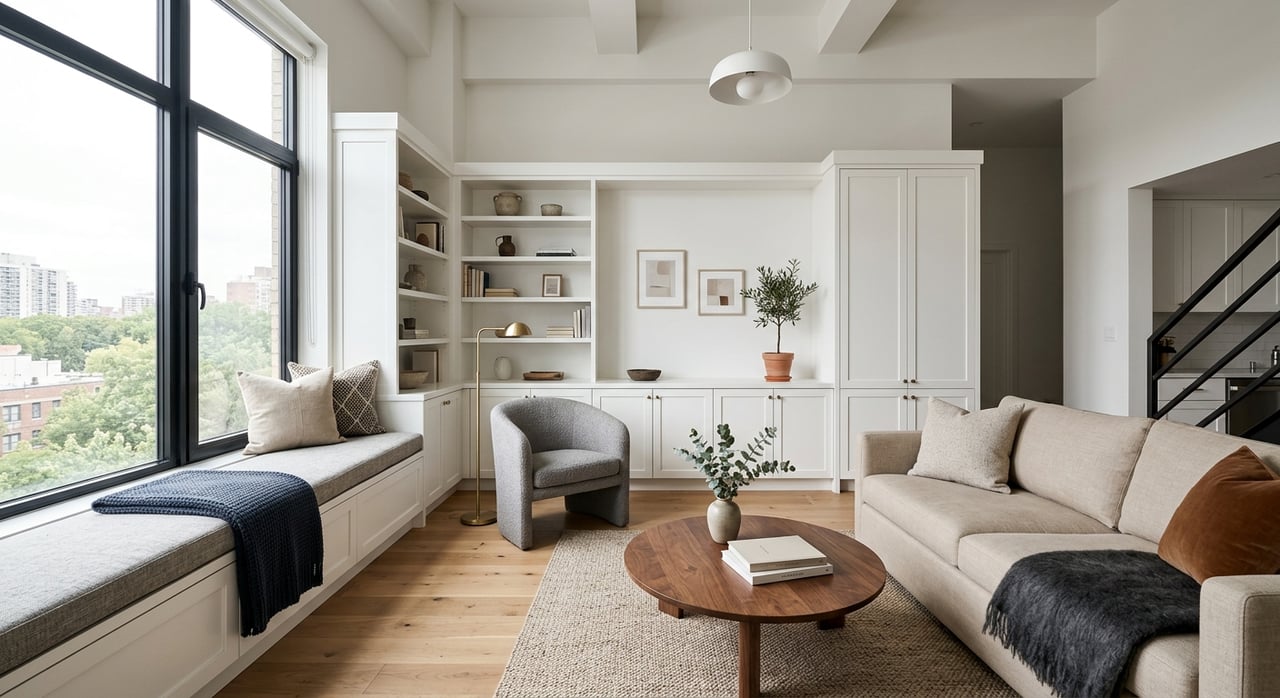
What should a San Francisco pied-à-terre feel like when the neighborhood itself is the main design feature? In Telegraph Hill, that question matters more than almost anywhere else. Between steep stair streets, historic buildings, changing coastal light, and view-rich windows, the best small home here is not just attractive. It is intentional, easy to live in, and shaped by the hill itself. Let’s dive in.
Why Telegraph Hill suits a pied-à-terre
Telegraph Hill has a setting that naturally supports the pied-à-terre idea. Coit Tower rises from the top of the hill in Pioneer Park, and the area is defined by views, narrow lanes, stairways, and a compact residential pattern. It is a neighborhood where daily life often happens on foot, on stairs, or through short transit connections rather than by easy curbside access.
That physical character gives a smaller home real appeal. Instead of spreading out, a Telegraph Hill pied-à-terre works best when it feels edited, calm, and connected to its surroundings. If you want a home base that feels distinctly San Francisco, this neighborhood offers a strong sense of place.
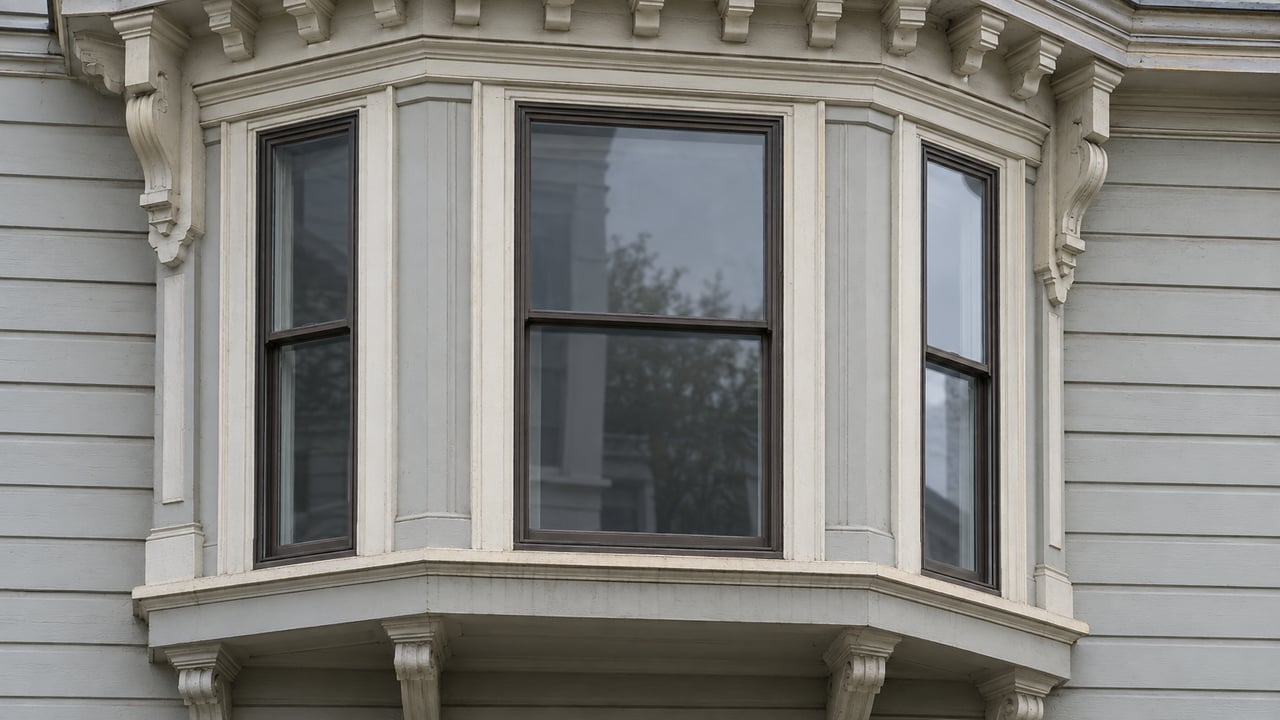
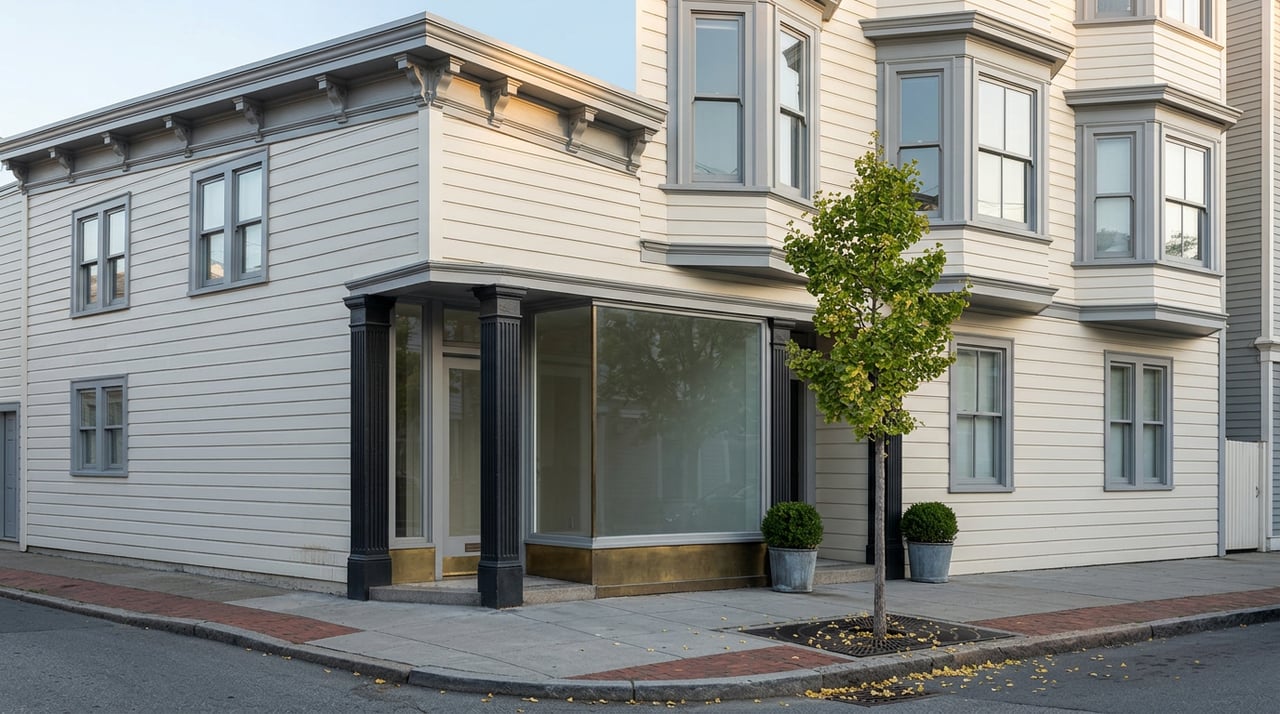
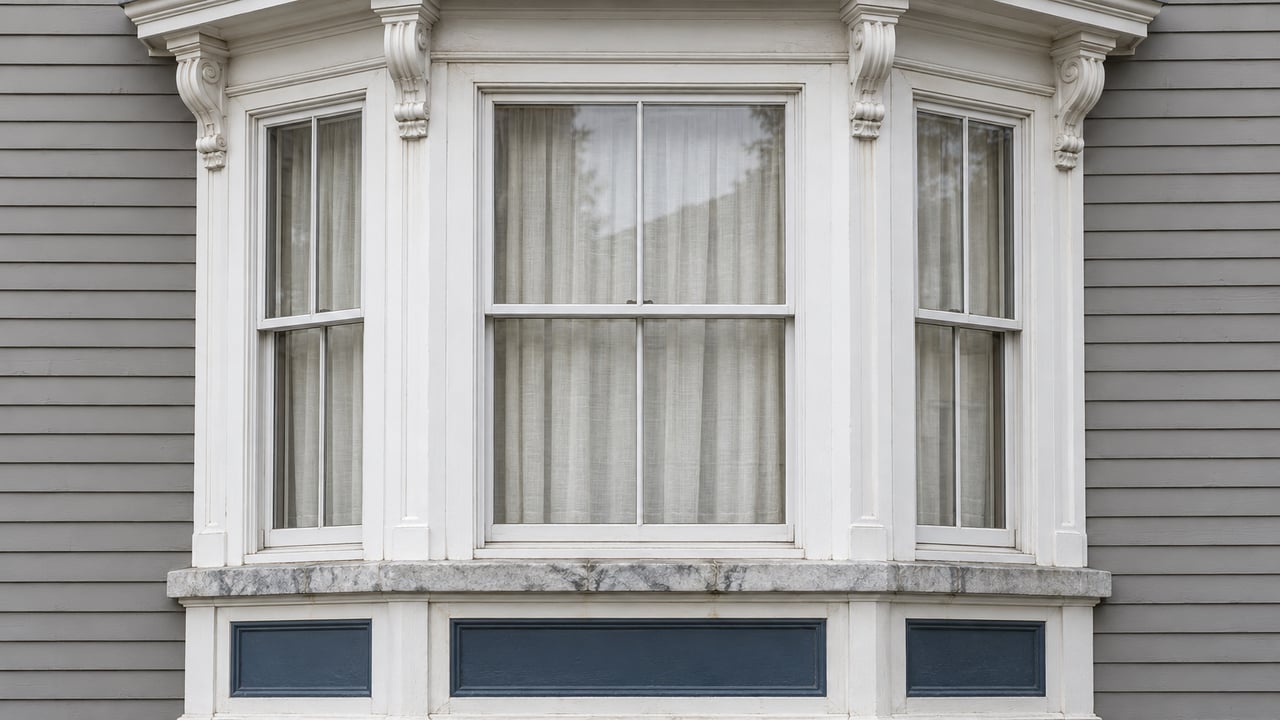
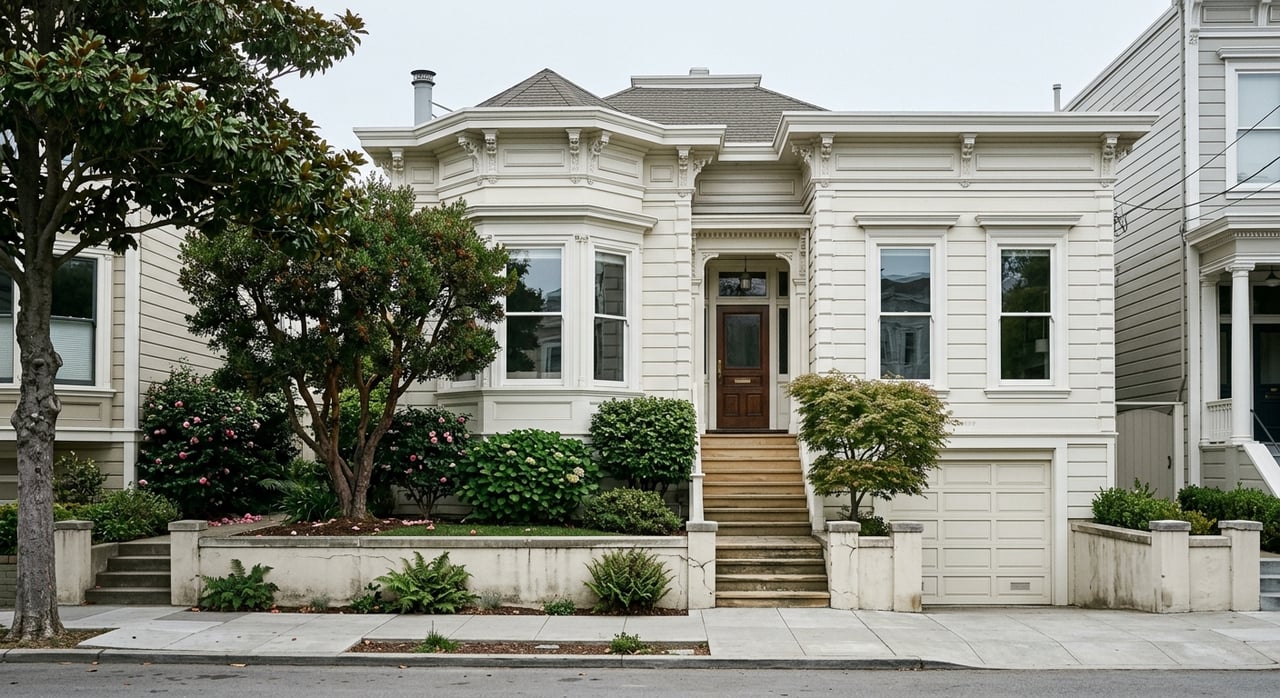
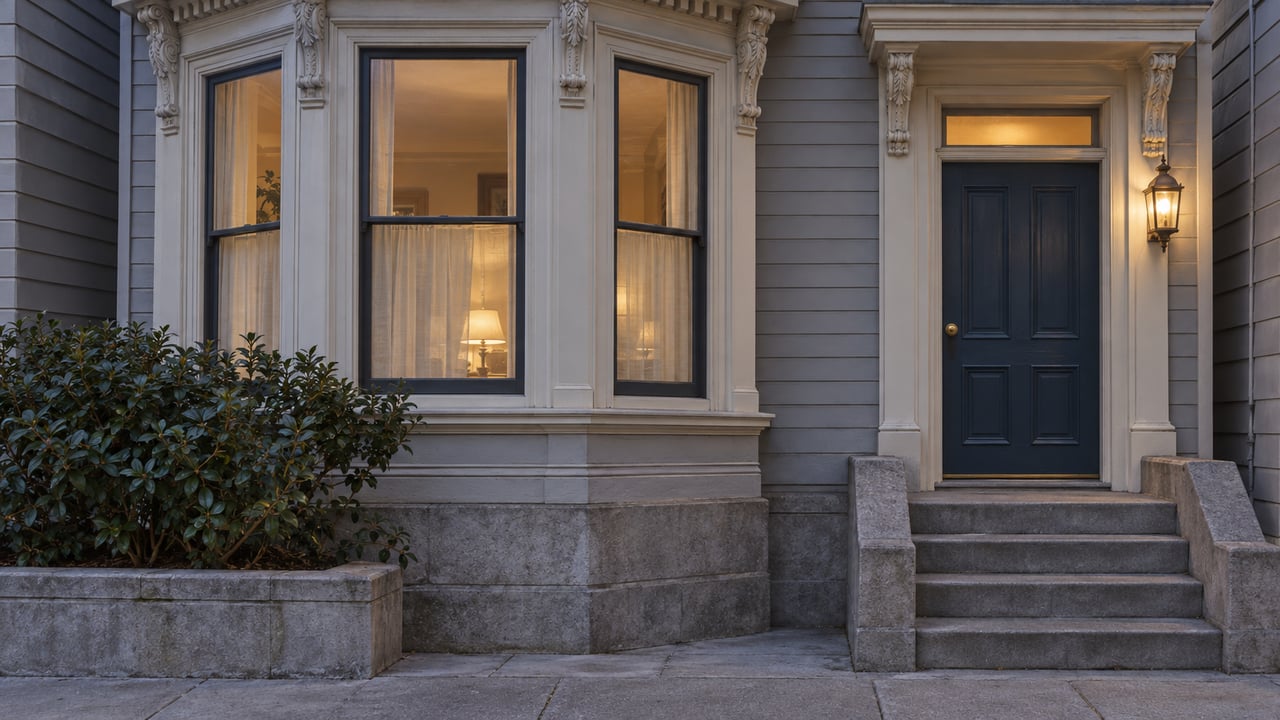
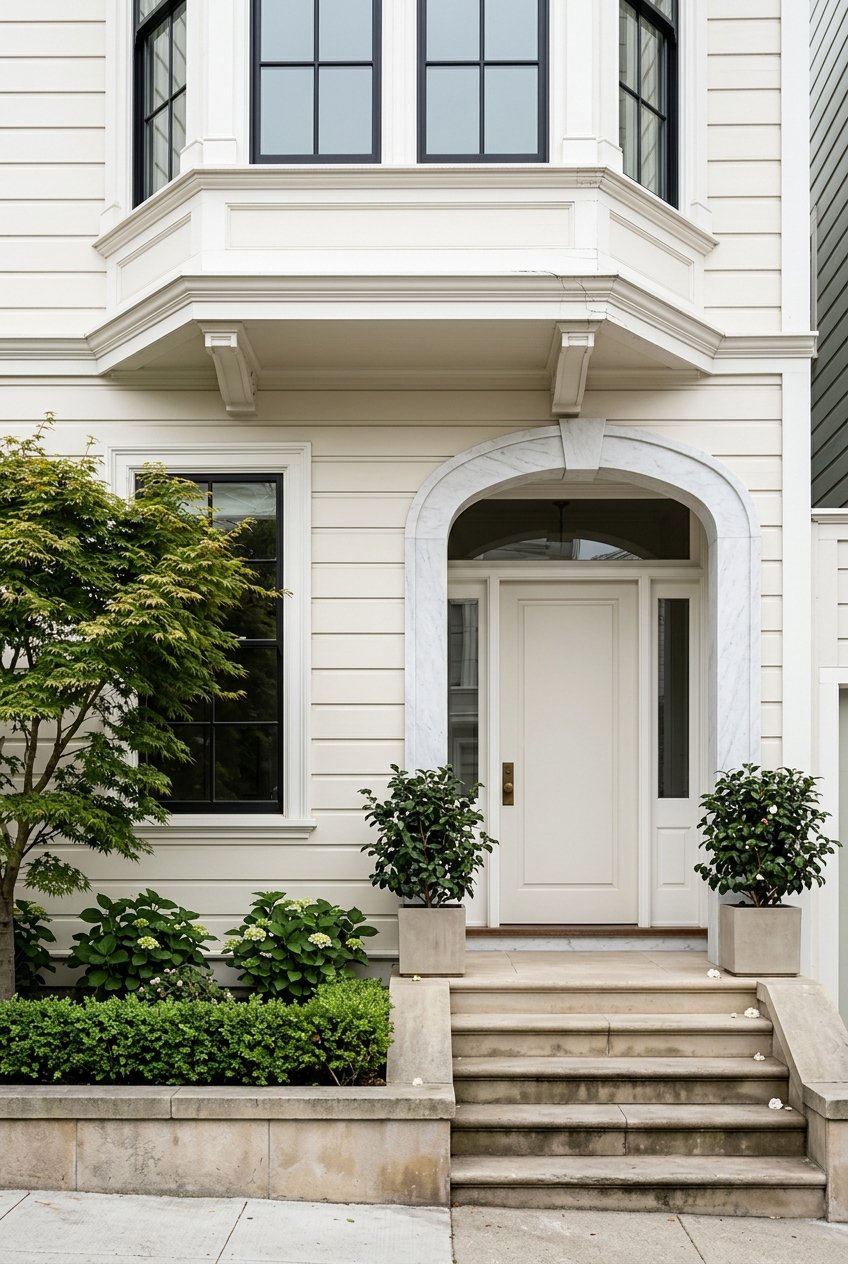
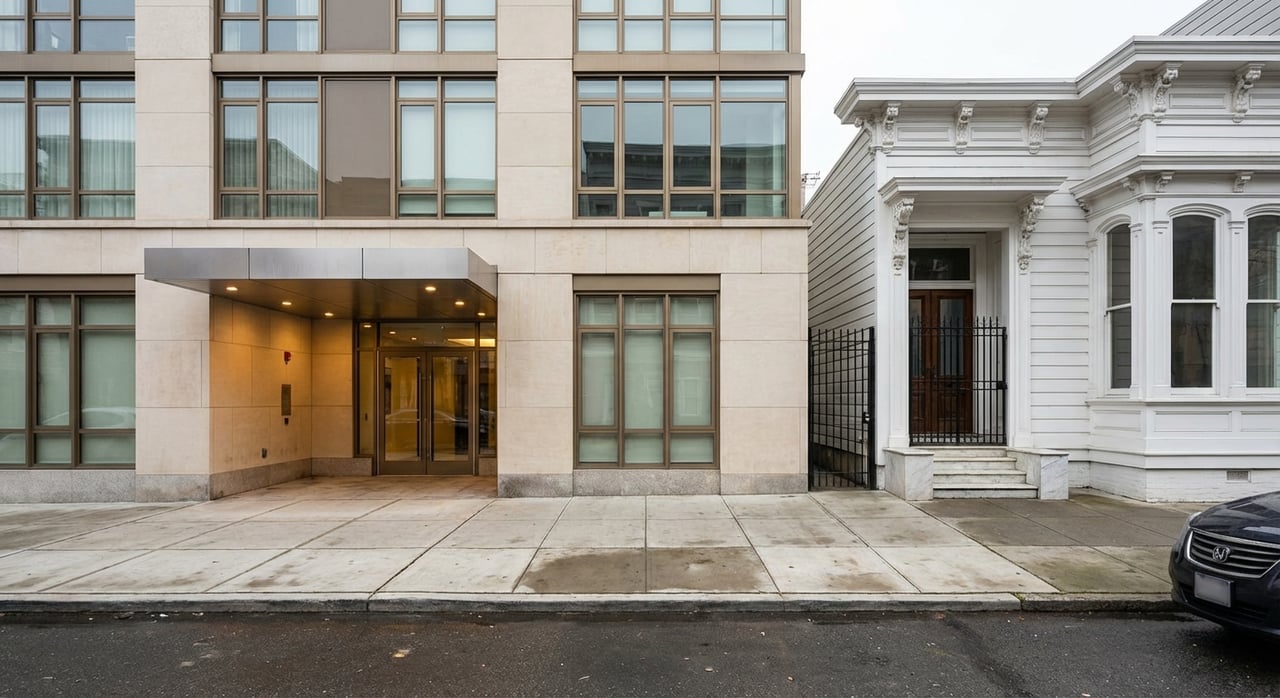
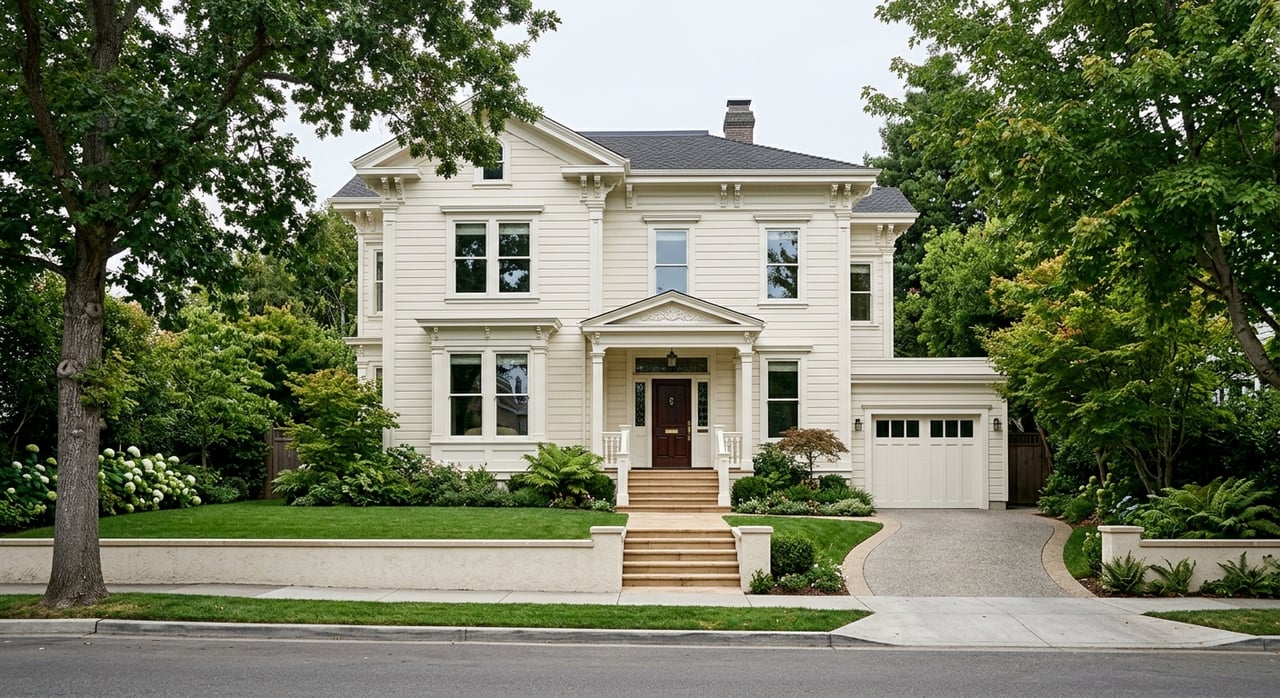
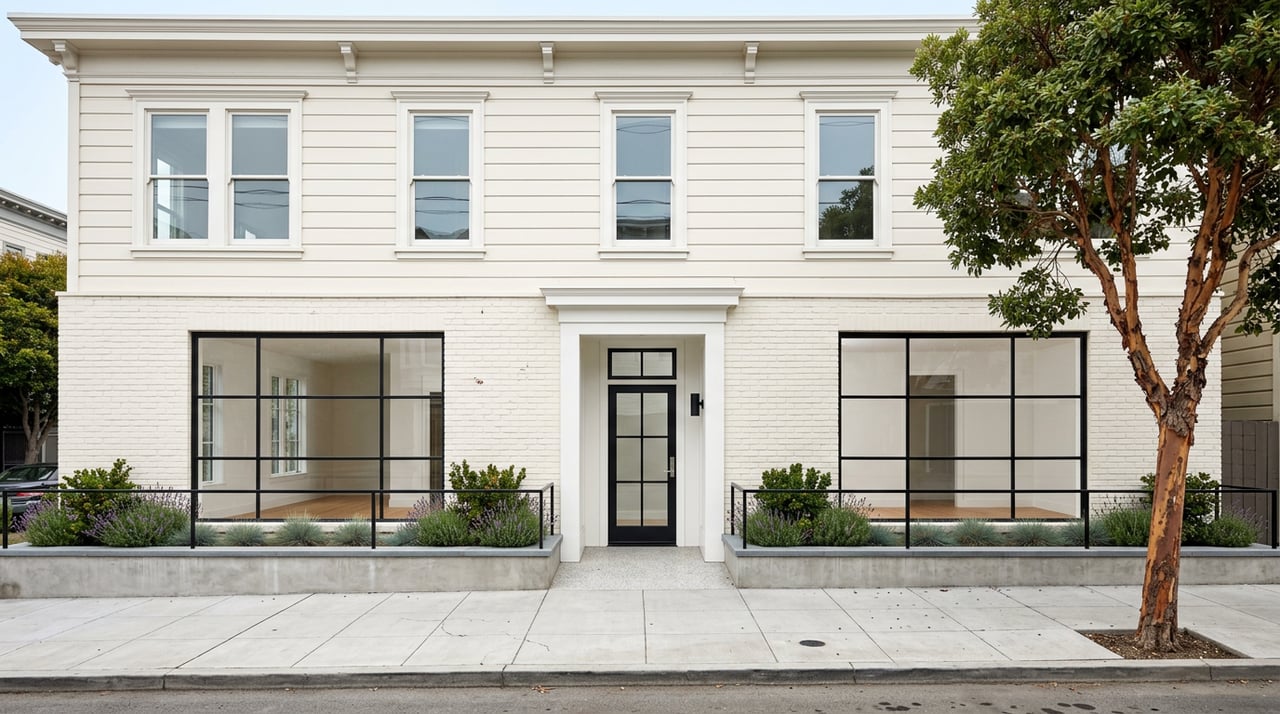
San Francisco Planning also identifies the Telegraph Hill Landmark District as an Article 10 historic district with the city’s largest concentration of pre-1870s buildings, along with later modernist buildings from 1935 to 1941. That mix means you may be choosing between older charm, later modern layouts, or a blend of both. For many buyers, that is exactly the draw.
Start with the building, not the sofa
Before you think about finishes or furniture, focus on the building itself. In Telegraph Hill, access and layout can shape your day-to-day experience more than a beautiful kitchen counter or a trendy light fixture.
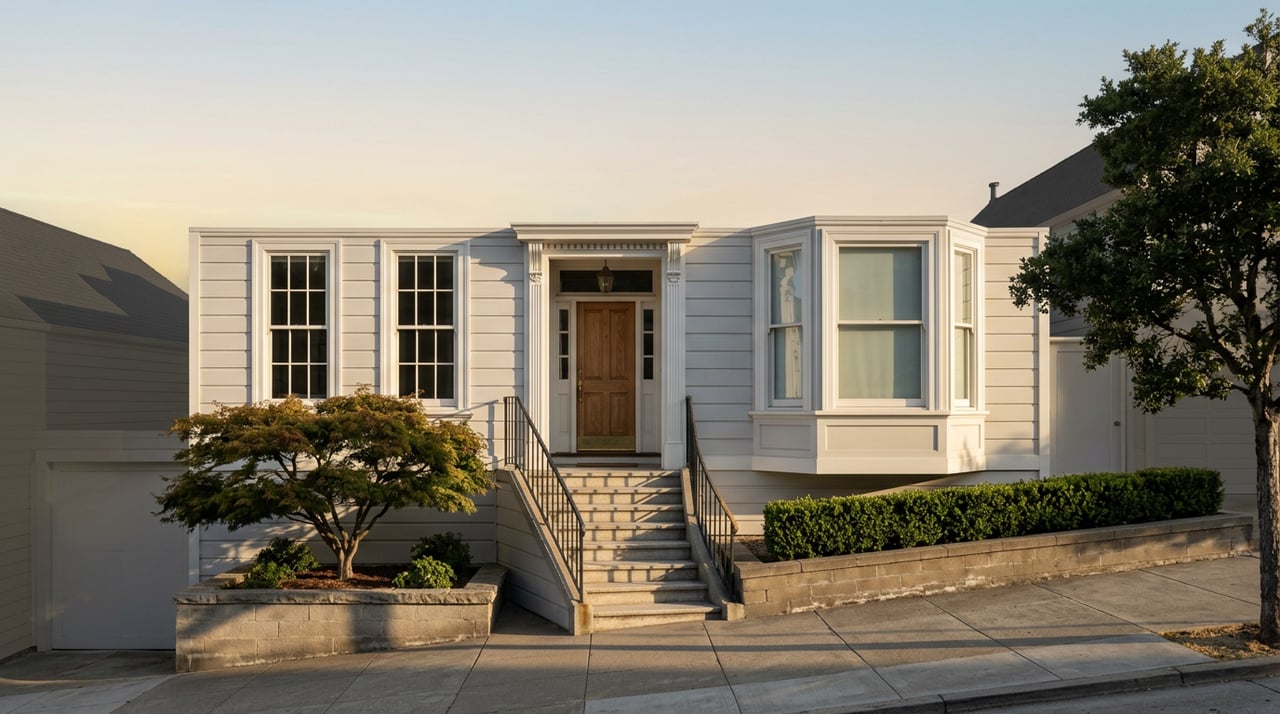
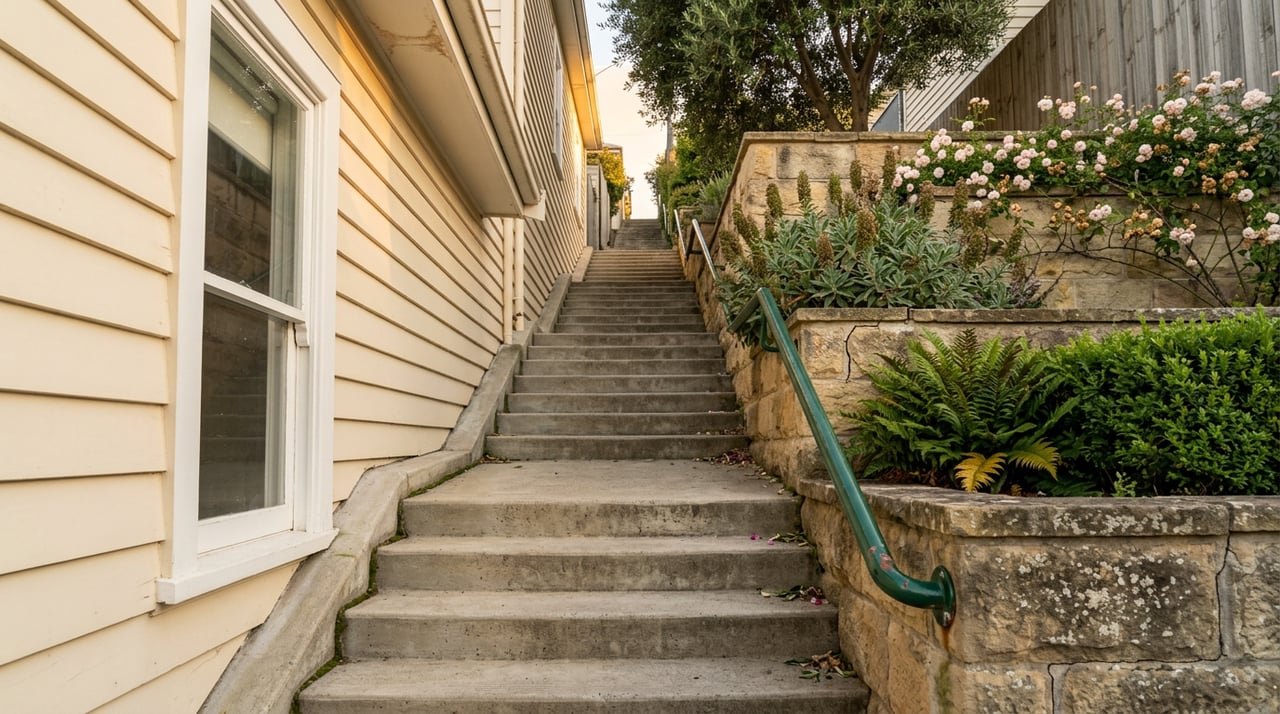
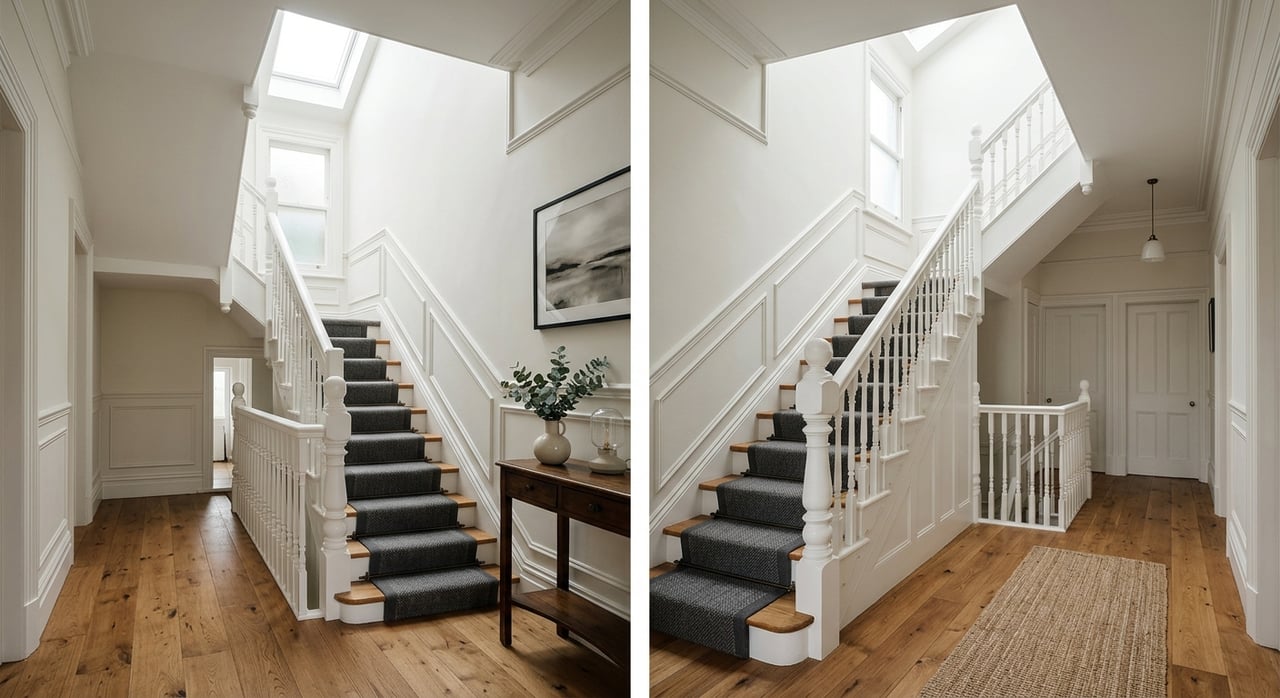
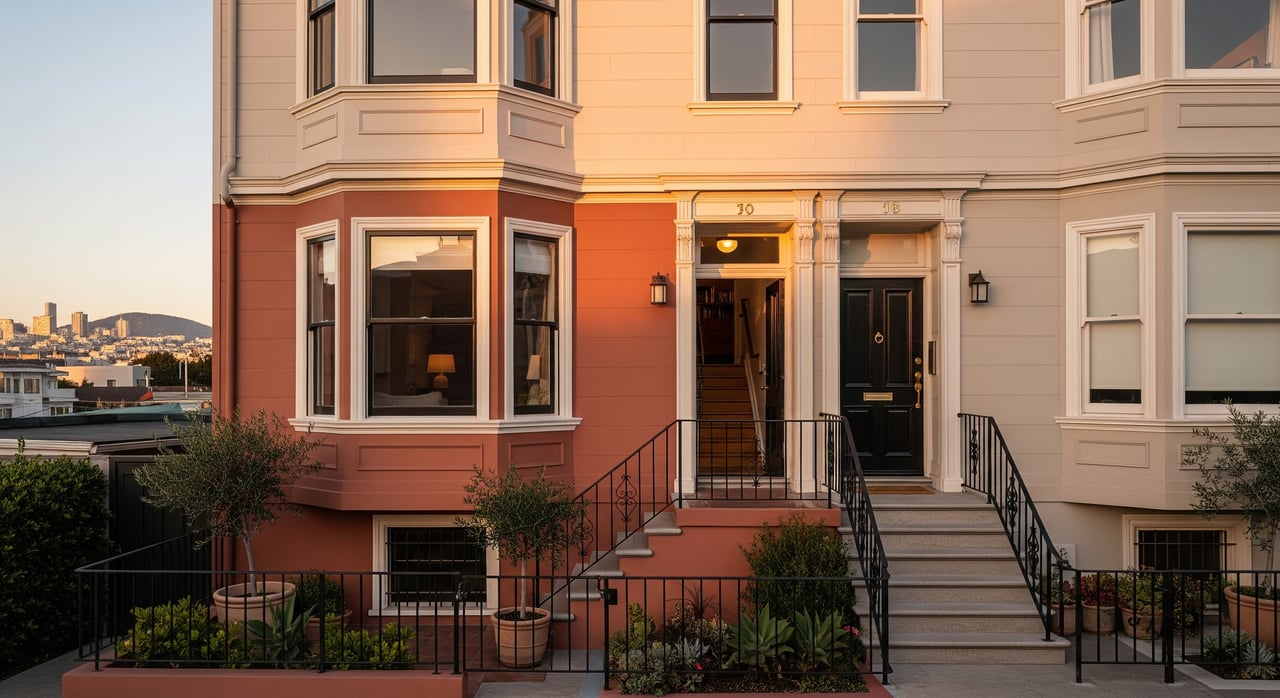
The neighborhood’s steep terrain has long produced pedestrian-only lanes, staircases, wooden walkways, and footpaths in places where roads were not practical. That means the right pied-à-terre often starts with practical questions. How many stairs are there from the street to the front door? Is there an elevator? How easy is it to arrive with luggage, groceries, or guests?
For a part-time owner, these details matter. A walk-up may feel charming on a sunny afternoon, but repeated flights of stairs can become less appealing if you arrive late, carry bags often, or host visitors who want easier access. In many Telegraph Hill purchases, elevator access is not a luxury detail. It is a lifestyle filter.
Walk-up or elevator?
A walk-up can work well if you want historic character and are comfortable with vertical living. Many buyers are happy to trade a little effort for architectural personality, quieter lanes, or a stronger sense of place.
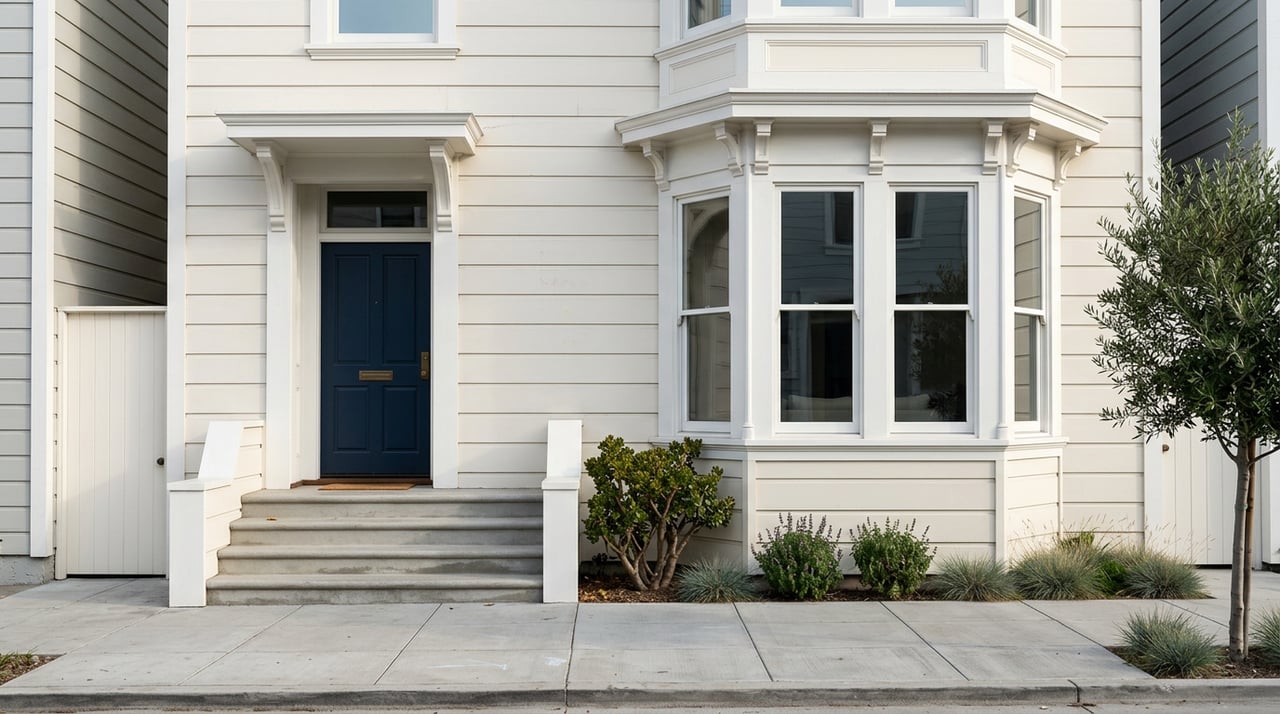
An elevator deserves extra weight if you plan to use the home often for short stays, bring luggage in and out regularly, or want easier long-term usability. The same practical lens applies to entry sequence. A building with a simple, protected arrival can make a compact home feel much more functional.
Design for efficiency in a compact footprint
Telegraph Hill housing is varied, but many pied-à-terre buyers will be considering smaller condos, TICs, flats, or apartment-style homes. In that setting, the smartest design decisions are usually not dramatic. They are the ones that make every square foot work harder.
A successful compact home reduces dead circulation, gives one room more than one purpose, and turns overlooked areas into storage. This is especially important in a hill neighborhood where your arrival may involve stairs, walking, or carrying daily essentials without the convenience of a garage entry.
Prioritize an entry zone
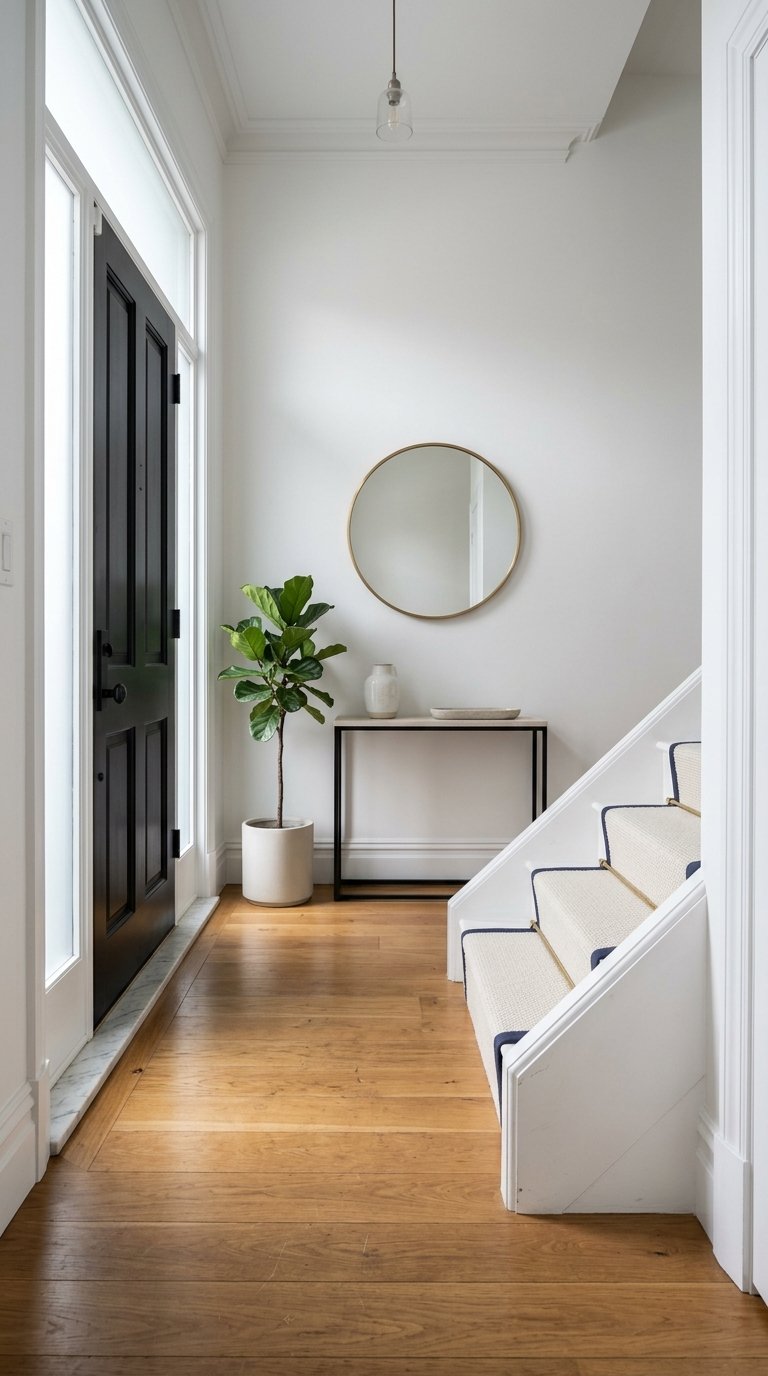
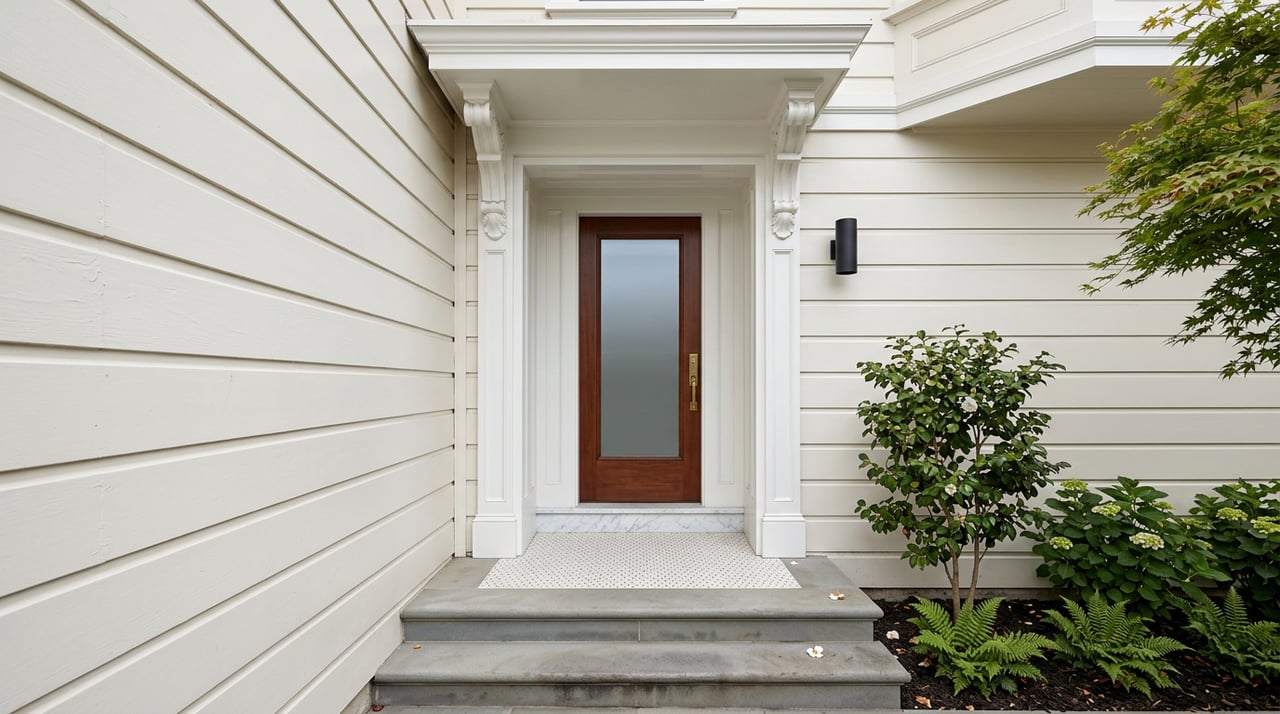
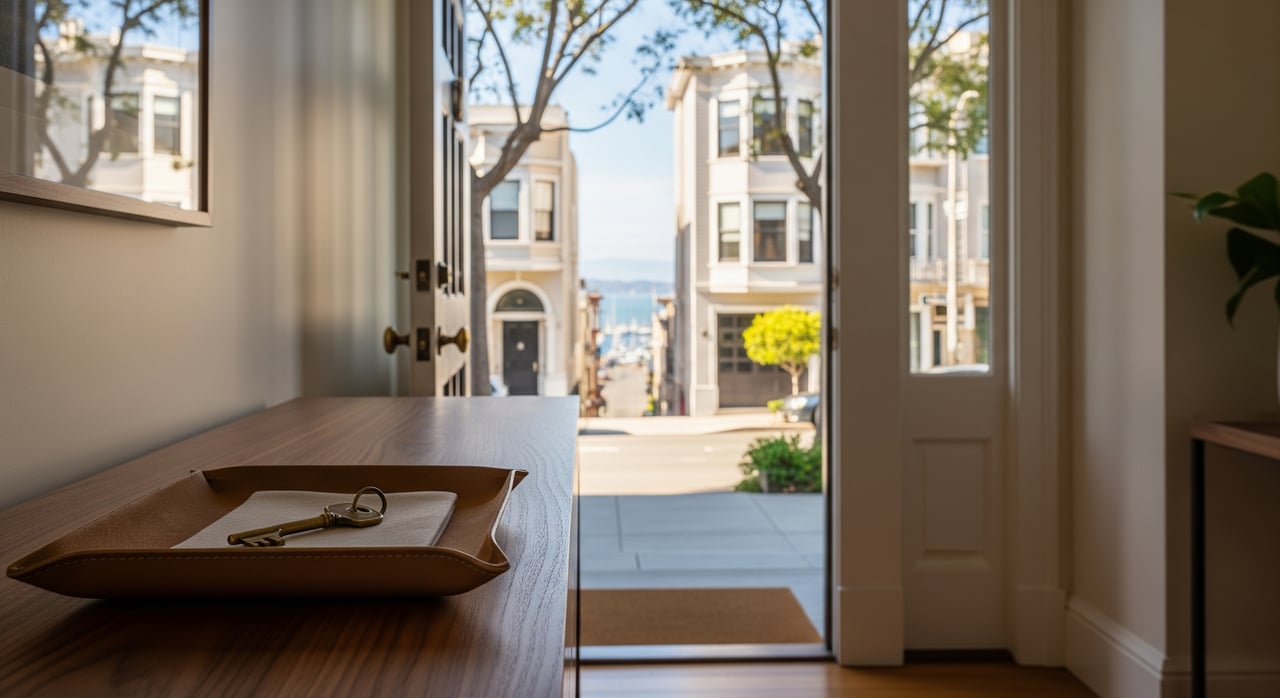
Even in a small home, the entry should earn its keep. A place for coats, shoes, bags, and keys helps the rest of the interior stay calm and uncluttered.
If you use the home part-time, think beyond daily items. You may also need a spot for luggage, extra layers, and the things you tend to carry in and out between visits. A well-planned entry zone can make a compact Telegraph Hill home feel much more settled.
Let one room do more
In a pied-à-terre, flexibility matters. Your living area may also need to work as a dining space, reading area, or guest zone for occasional entertaining.
That does not mean cramming in more furniture. It means choosing fewer pieces that are scaled carefully and arranged with purpose. Low-profile seating, a compact dining setup, and adaptable surfaces can support daily living without blocking light or views.
Build storage where you can
Storage is one of the biggest design questions for part-time ownership. You need enough room for luggage, seasonal clothing, linens, and a few entertaining essentials without letting cabinets and closets take over the apartment.
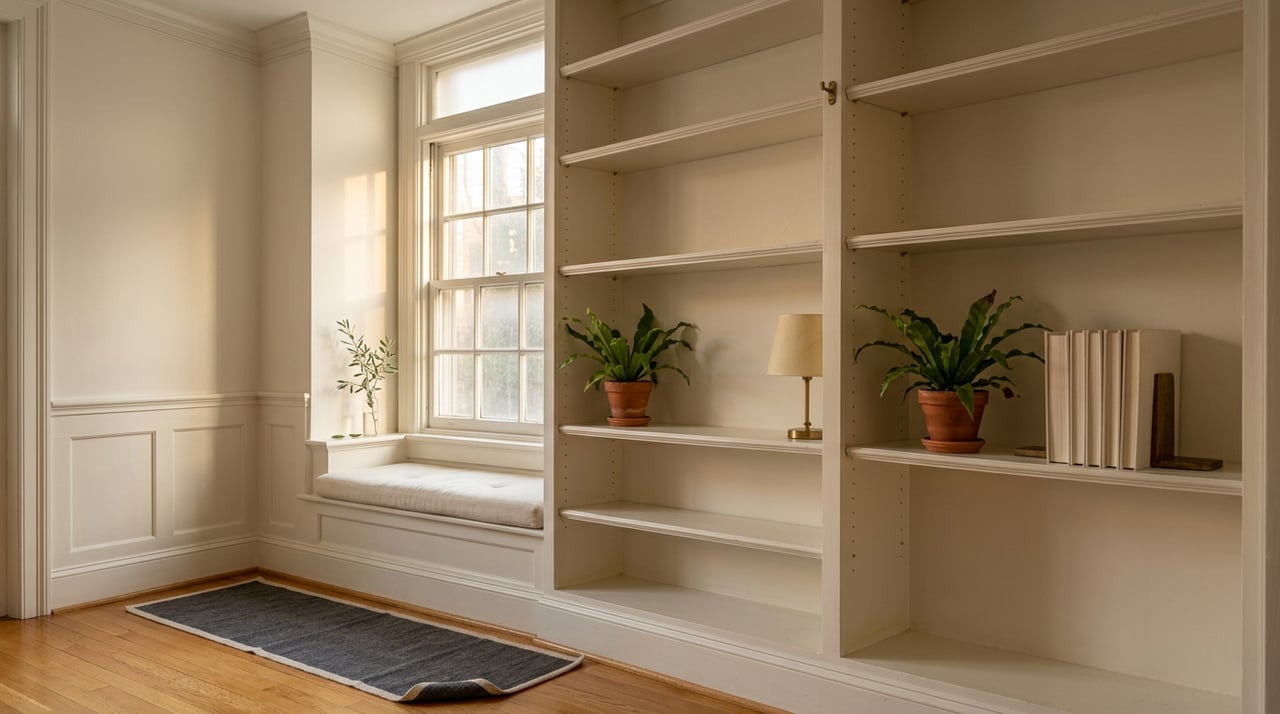
Built-in or tucked-away storage often works better than bulky freestanding pieces. In a smaller Telegraph Hill home, every storage move should help the space look cleaner, not heavier.
Balance character and convenience
Telegraph Hill asks many buyers to make a thoughtful tradeoff. Do you want early architectural charm, or do you want the easier flow of a more modern layout?
That is not a right-or-wrong decision. It is a question of how you plan to use the home. Historic units may offer more atmosphere, more distinctive details, and a stronger connection to the neighborhood’s past. Later modern buildings may offer simpler circulation, easier furniture placement, and a more straightforward pied-à-terre lifestyle.
For a part-time owner, convenience often matters more than expected. A home can be visually beautiful yet still feel awkward if the storage is poor, the kitchen is cramped, or the circulation wastes space. The best choice is often the one that gives you both a memorable setting and a layout that feels easy to maintain.
Use light and palette to your advantage
San Francisco’s climate is shaped by maritime conditions, fog, and strong microclimate variation across the city. Homes in Telegraph Hill often experience changing daylight throughout the day, with cloud cover and cool coastal conditions influencing how rooms feel.
That makes light-sensitive design especially important. In a smaller home, heavy finishes can make a room feel dim or visually crowded. A brighter, quieter palette usually supports the neighborhood better.
Choose calm, reflective finishes
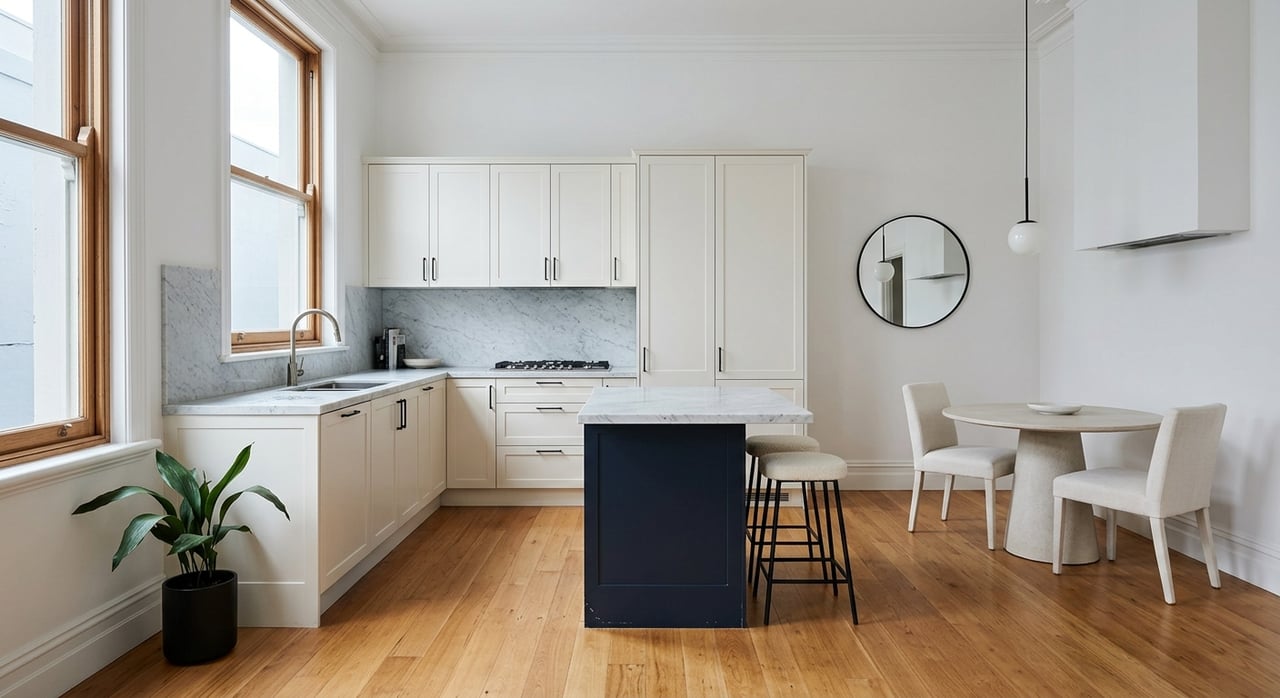
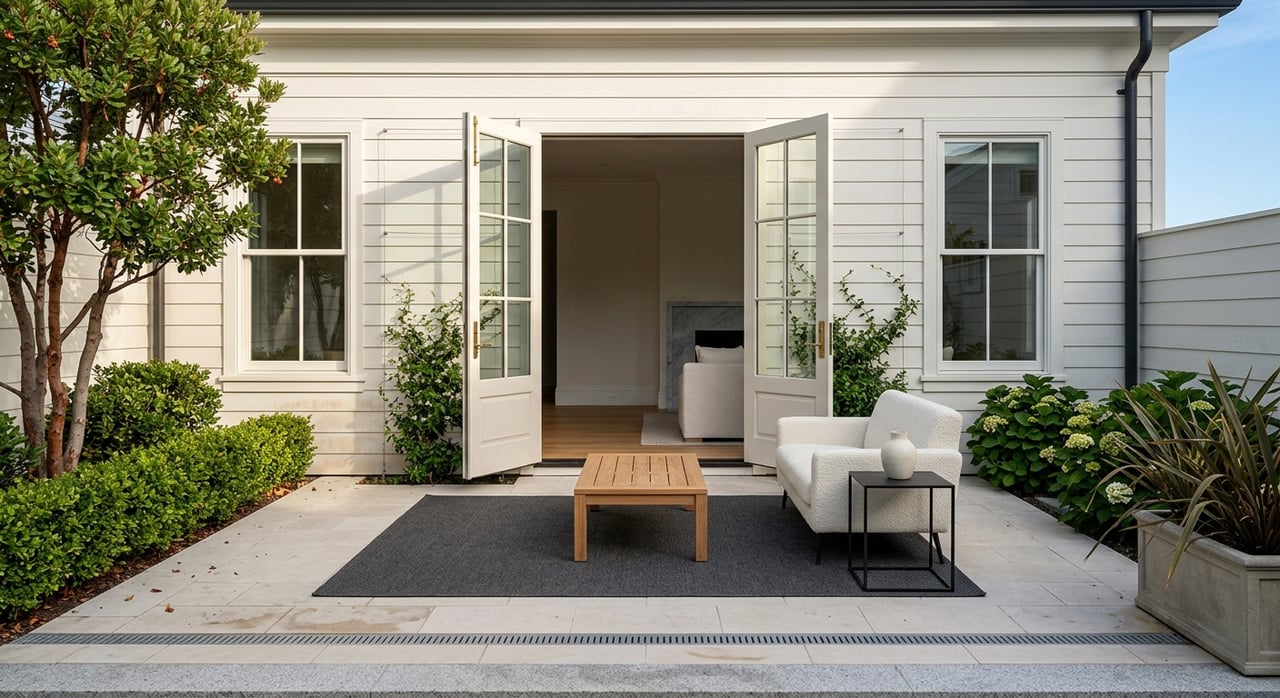
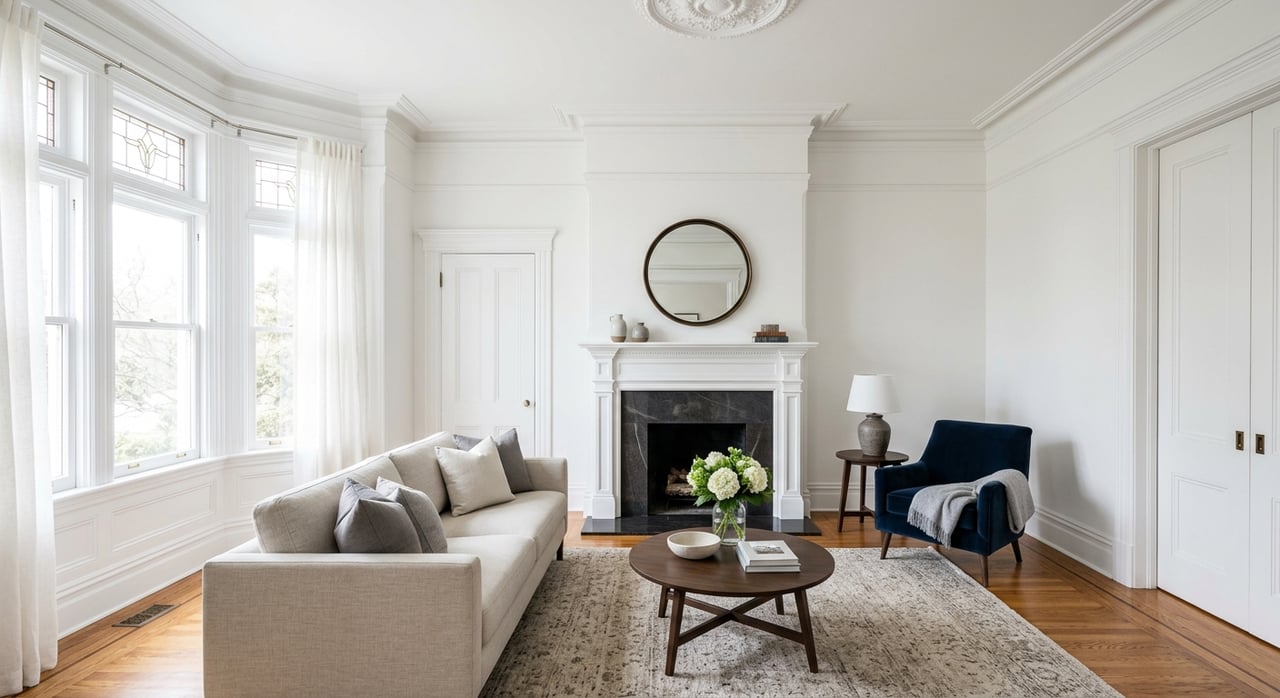
Soft whites, warm neutrals, pale woods, and restrained darker accents are often a strong fit for a Telegraph Hill pied-à-terre. These materials help a home feel bright without pushing it into a cold or overly stark look.
The goal is not to erase personality. It is to let the architecture, the shifting daylight, and the view take the lead. In a compact room, visual calm can make the entire home feel larger and more composed.
Keep contrast selective
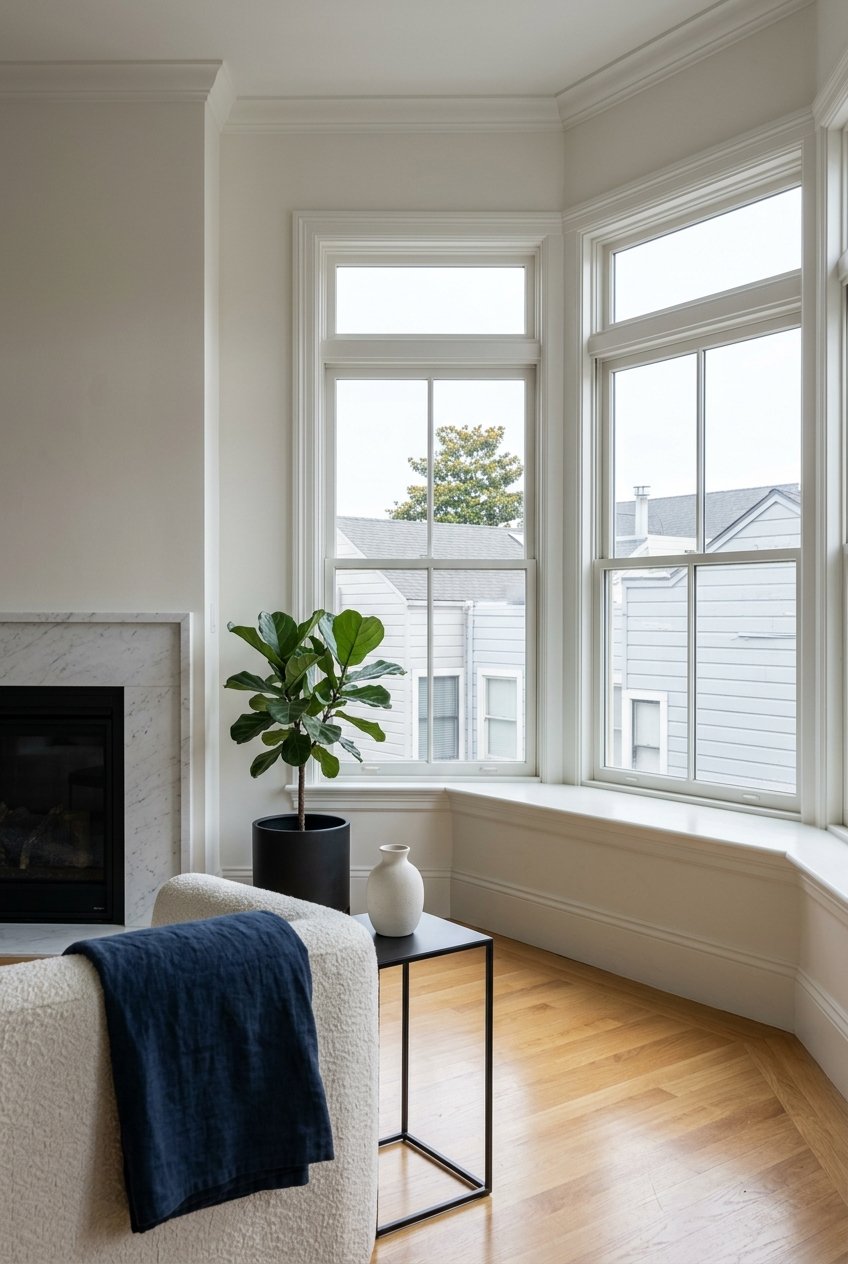
A few darker elements can help anchor a room. Think in terms of a black side table, a dark metal light fixture, or a limited number of deeper-toned accents.
Used carefully, contrast adds definition without overwhelming the space. In a small home, restraint usually feels more polished than layering too many bold finishes.
Frame the view, do not fight it
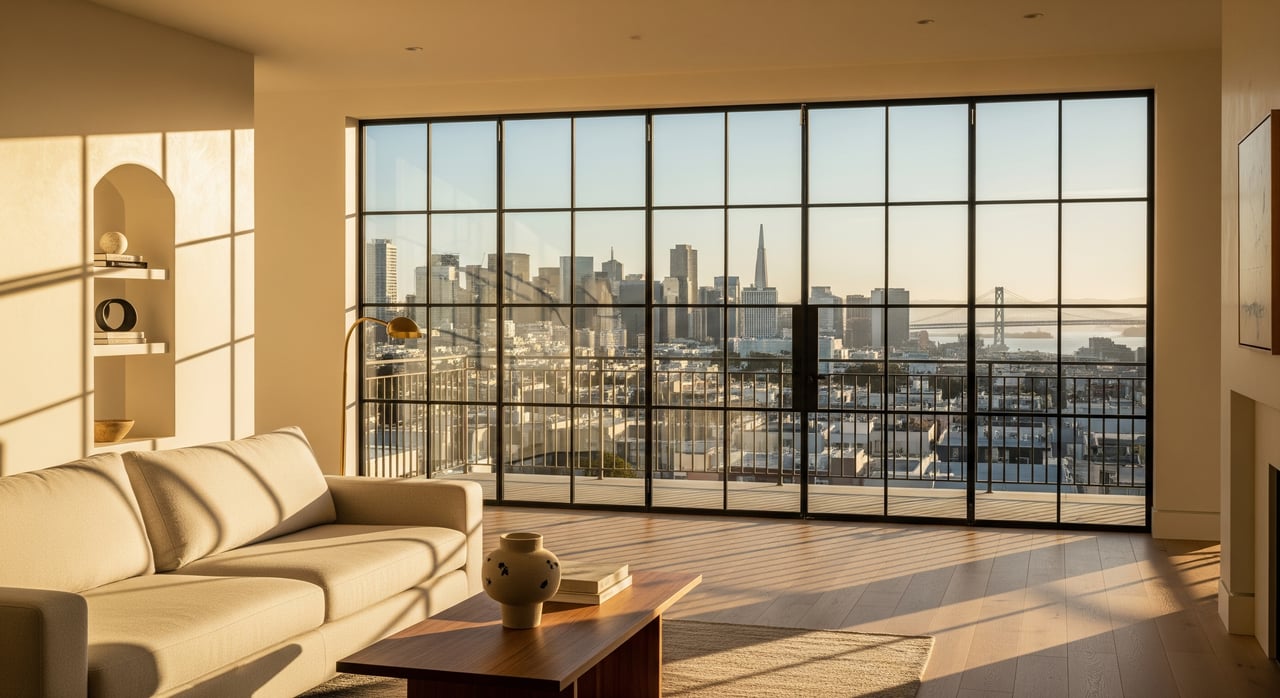
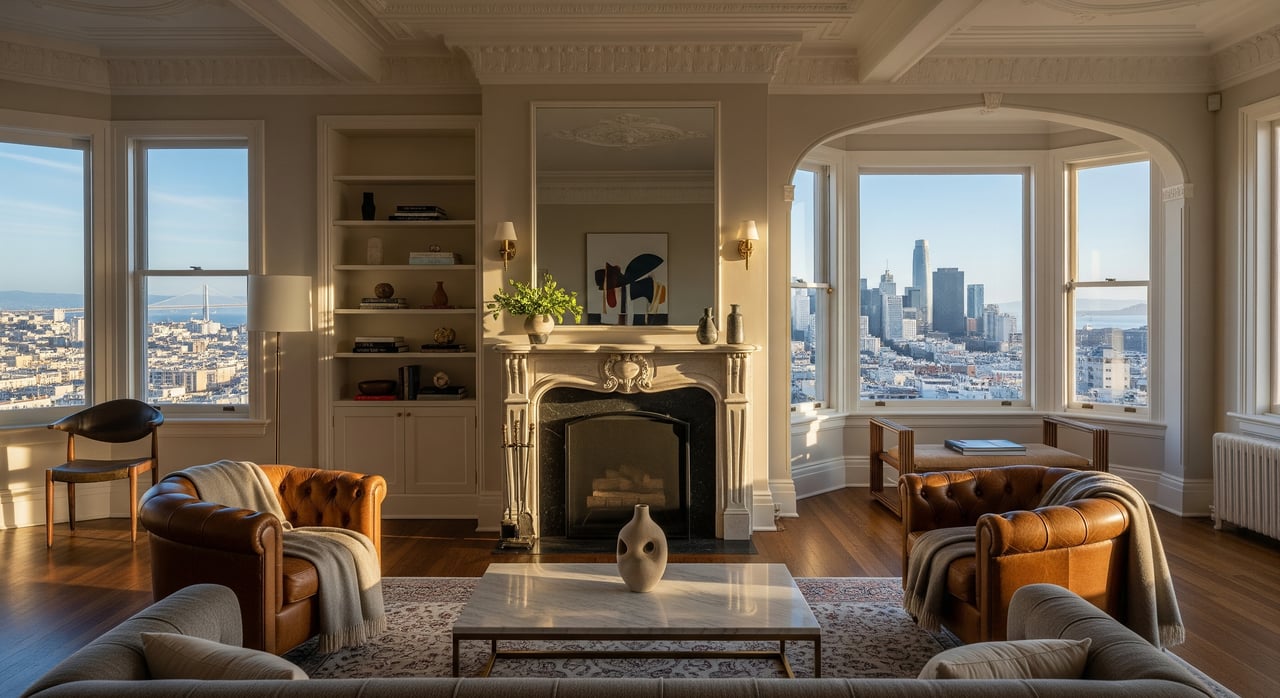
Telegraph Hill is one of those neighborhoods where the landscape outside may be the strongest design element in the room. San Francisco’s General Plan emphasizes the role of views, topography, streets, building form, and landscaping in shaping the city’s visual structure. It also notes that hilltop development should preserve hill form and views.
For you as a buyer, that means the view may deserve more weight than raw square footage. A smaller home with a compelling outlook can feel more special, and often more livable, than a larger one with a more inward focus.
Make windows the focal point
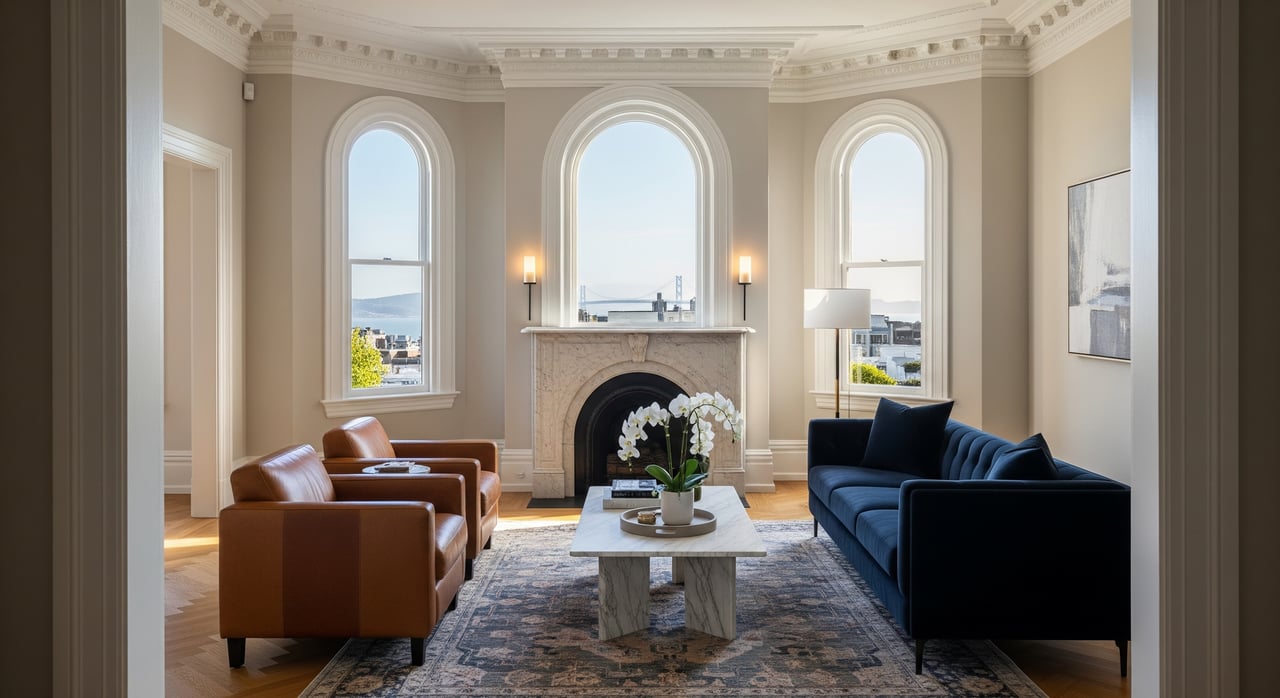
If your home looks toward the bay, skyline, greenery, or Coit Tower, treat that as part of the interior design plan. Keep window walls visually quiet. Use simple drapery, low furniture, and minimal visual clutter near the glass.
Art placement matters too. Instead of crowding every wall, use artwork to support the room and direct attention outward. In Telegraph Hill, the best-styled room often gives the eye a clear path to the window.
View versus square footage
When buyers picture a pied-à-terre, they sometimes overvalue interior size and undervalue setting. In Telegraph Hill, setting is a major part of the experience.
A slightly smaller home can win if it feels brighter, calmer, and more connected to the hill. If you are choosing between square footage and a stronger outlook, it is worth asking which one will matter more every time you walk through the door.
Plan around access and parking
Coit Tower and the Filbert and Greenwich Street stairs help define the neighborhood experience, but they also point to a practical reality. Telegraph Hill is not built around easy car access.
The official Coit Tower visitor information notes limited parking at the tower, scenic stair access from Filbert and Greenwich, and Muni’s #39 Coit bus connection. That tells you a lot about the area’s rhythm. Walking, stairs, and transit are part of everyday life here.
Parking deserves even more attention. SFMTA places Telegraph Hill in Residential Parking Permit Area A. Its evaluation report notes that Telegraph Hill and North Beach include many pre-automobile homes built without off-street parking, and that residents who keep cars often rely on street parking. The same report found Telegraph Hill blocks in the 90% occupancy range all day on weekdays and Saturdays, with 15,000 households sharing only 5,750 permitted on-street parking spaces.
Treat parking as a buying decision
If you plan to keep a car, build a real parking strategy before you buy. Do not treat parking as a problem to solve later.
Ask whether the building includes parking, whether the arrangement is convenient enough to justify the cost, and how often you realistically plan to drive. If the home is truly a pied-à-terre, you may decide the neighborhood works better with transit, walking, and occasional rides rather than daily car use.
Know what permit parking does
SFMTA explains that an RPP permit exempts vehicles from posted time limits in the permit area, and on some signed blocks it can also exempt meter payment when the permit matches the sign. That can help, but it does not create more available spaces.
In a neighborhood with tight curb supply, permits are useful but not magical. If parking matters to your routine, the building’s parking setup may be more important than many interior finishes.
What the best Telegraph Hill pied-à-terre gets right
The most successful Telegraph Hill pied-à-terre is rarely the one with the most furniture or the most aggressive renovation. It is the one that understands the neighborhood.
It respects the hill, supports easy arrivals, uses light well, and gives storage a real plan. It also knows when to let the windows, the stairs outside, the historic fabric, or the skyline do the storytelling. In a place this distinctive, good design is often about editing rather than adding.
If you are searching in Telegraph Hill, it helps to look at each home through both a design lens and a practical one. That balance is often what turns a compact city home into a true retreat. If you want guidance on how a specific building, layout, or view fits your goals, Adelaida Mejia brings a designer’s eye and deep San Francisco neighborhood knowledge to the search.
FAQs
Is a walk-up in Telegraph Hill realistic for a part-time owner?
- Yes, it can be, but you should weigh how often you will carry luggage, groceries, or host guests. In Telegraph Hill, stairs and vertical access are a real part of daily living, so elevator access can be a major advantage.
How much storage should a Telegraph Hill pied-à-terre have?
- You should plan for luggage, seasonal clothing, linens, and a few entertaining essentials at minimum. In a compact home, efficient built-in or tucked-away storage often matters more than adding larger furniture pieces.
What finishes work best in a compact Telegraph Hill home?
- Light, calm finishes usually work best with San Francisco’s changing daylight. Soft whites, warm neutrals, pale woods, and a limited number of darker accents can help a smaller space feel bright and intentional.
How important is the view in a Telegraph Hill pied-à-terre?
- In this neighborhood, the view can be one of the most valuable design features. A smaller home with a strong outlook may feel more satisfying than a larger one with less connection to the surrounding landscape.
What is the parking reality for Telegraph Hill buyers?
- Parking is tight, and many homes were built without off-street spaces. If you plan to keep a car, it is smart to evaluate the building’s parking arrangement and your day-to-day driving needs before you buy.