Trying to choose between a sleek condo and a classic flat in Hayes Valley? You are not alone. This pocket of San Francisco offers both polished newer buildings and richly detailed older homes, and each can be a smart fit depending on how you live, what you value, and how much hands-on upkeep you want. If you are weighing the tradeoffs, this guide will help you compare lifestyle, maintenance, pricing, and due diligence so you can make a confident call. Let’s dive in.
Why Hayes Valley Has Both
Hayes Valley has a rare mix of old and new housing because of how the neighborhood evolved. San Francisco Planning describes the area as a transit-rich, highly walkable part of the city with housing, shops, institutions, and open space layered closely together.
The Market and Octavia plan also notes that the removal of the Central Freeway opened more than 7 acres for infill development. That created room for newer residential projects near Octavia Boulevard and nearby corridors, while much of the neighborhood’s earlier Victorian and Edwardian housing remained in place.
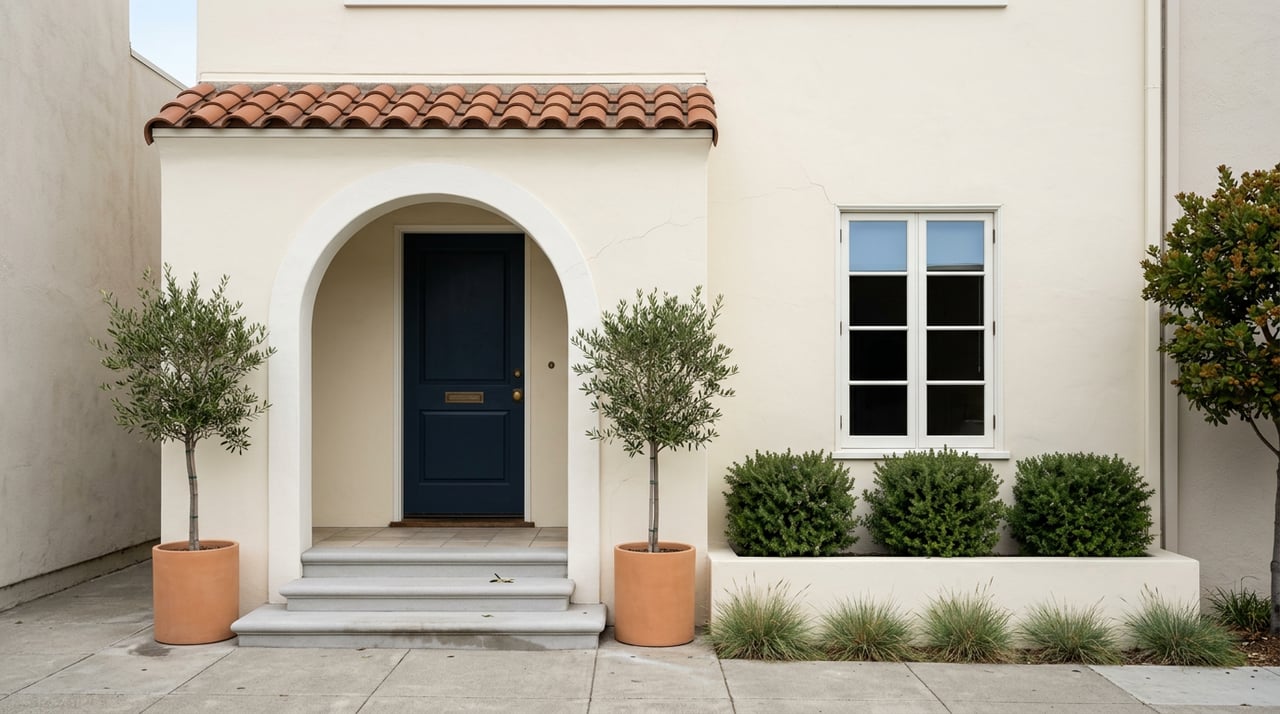
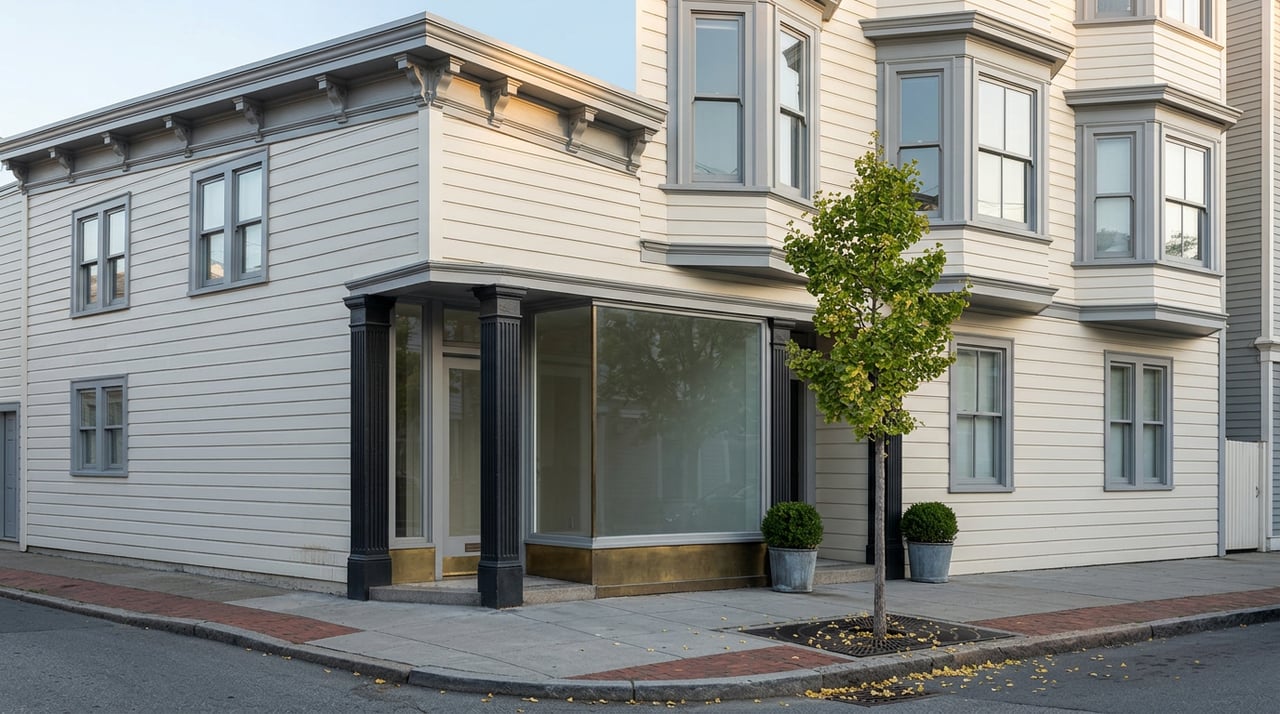
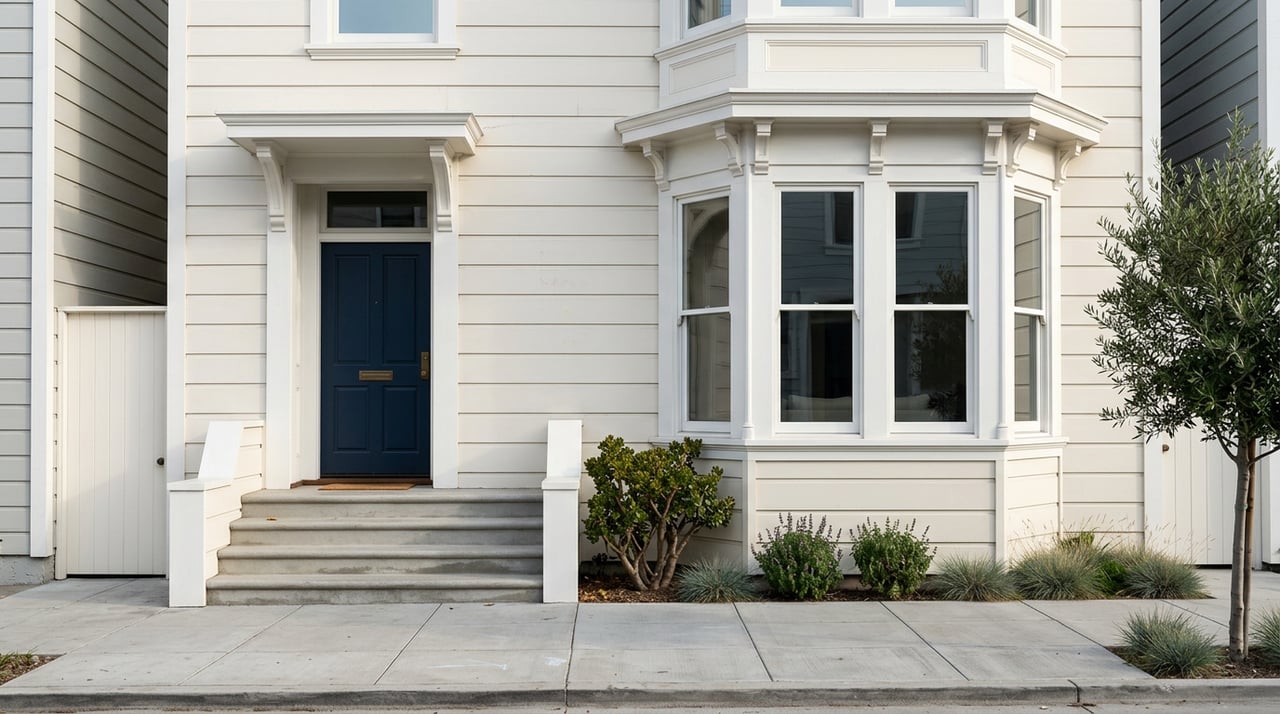
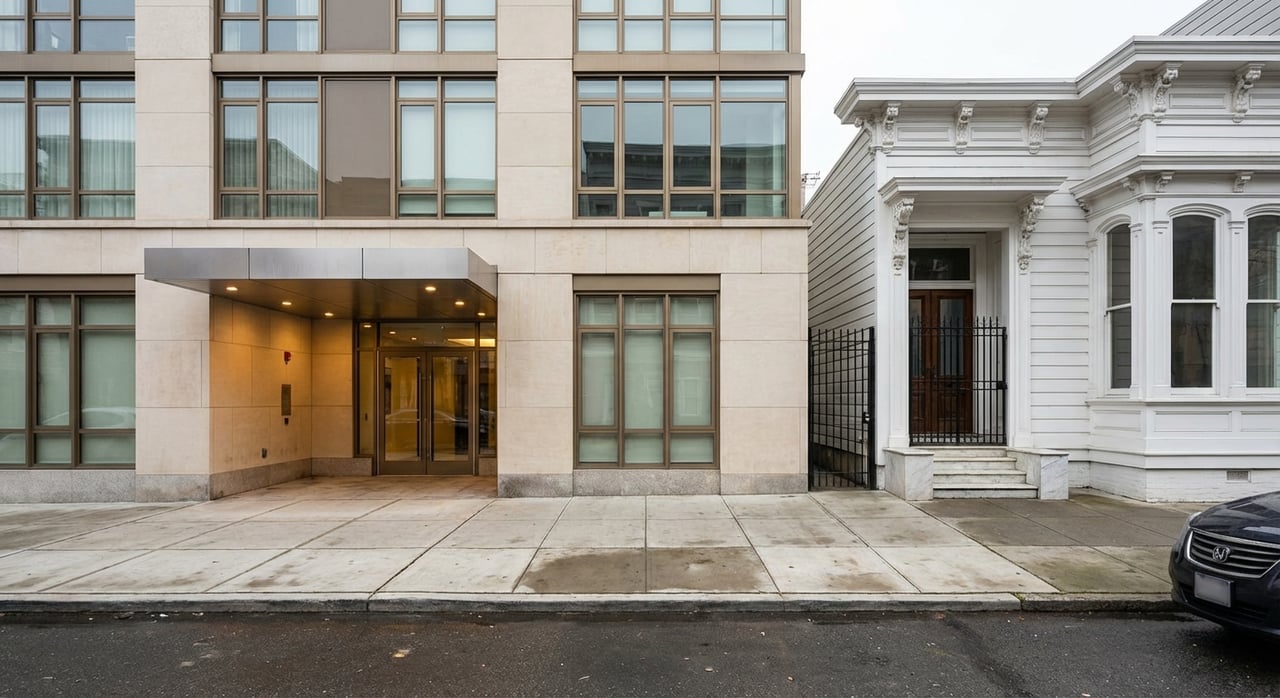
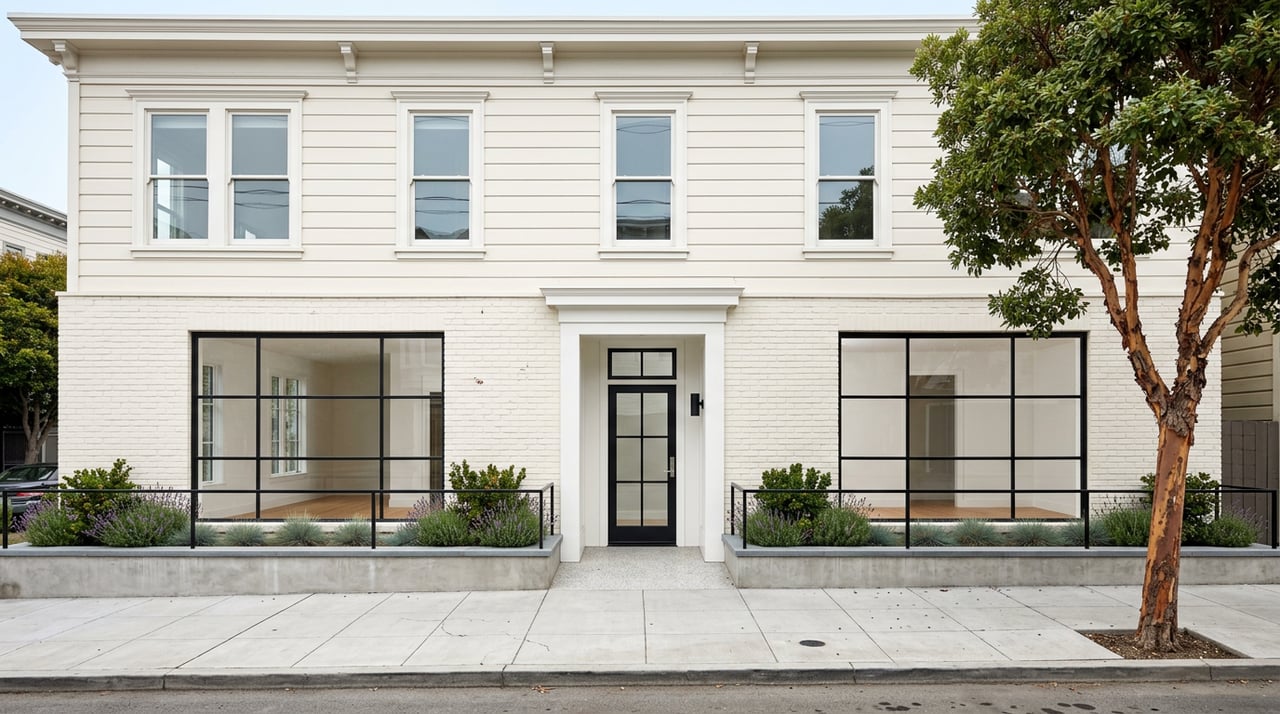
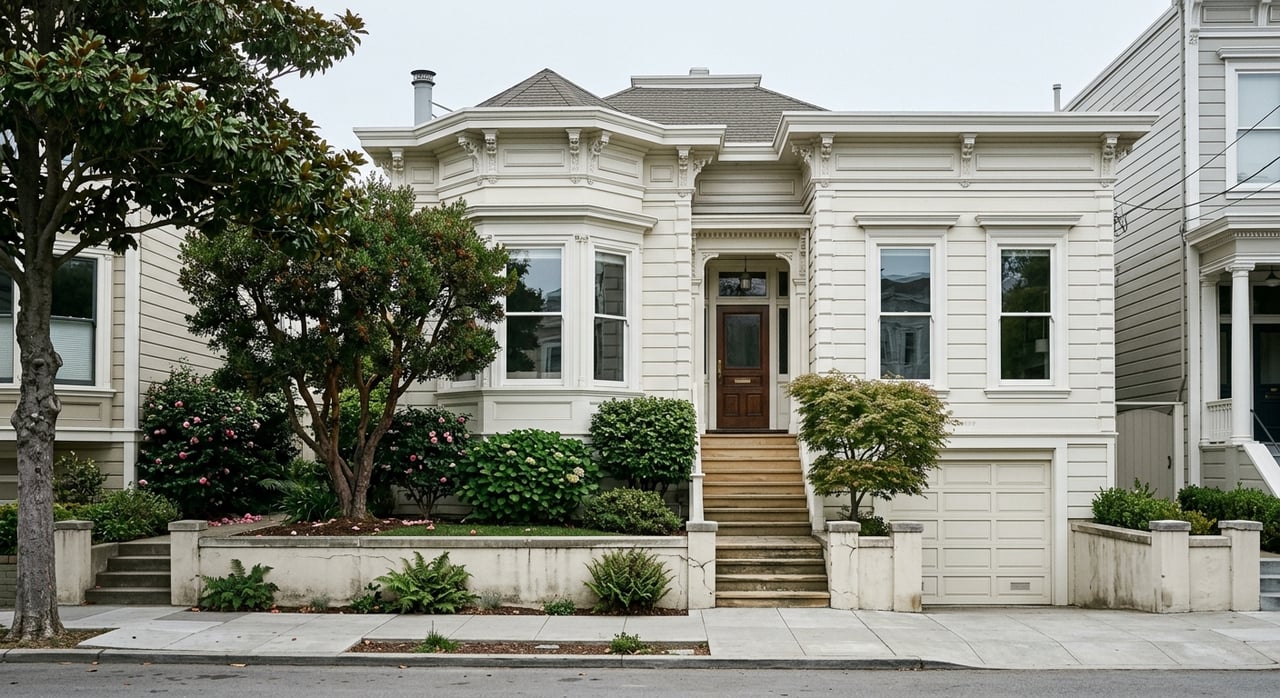
This is why your options can feel so distinct. On one block, you may see a modern building with shared outdoor space and lobby services. A few streets over, you may find a smaller wood-frame building with bay windows, period detail, and a more intimate scale.
What Newer Hayes Valley Condos Offer
Newer condo buildings in Hayes Valley are often clustered near Octavia Boulevard, Hayes Street, Gough, Grove, and nearby infill sites. Well-known examples include 8 Octavia, 300 Ivy, 400 Grove, 450 Hayes, and 159 Fell.
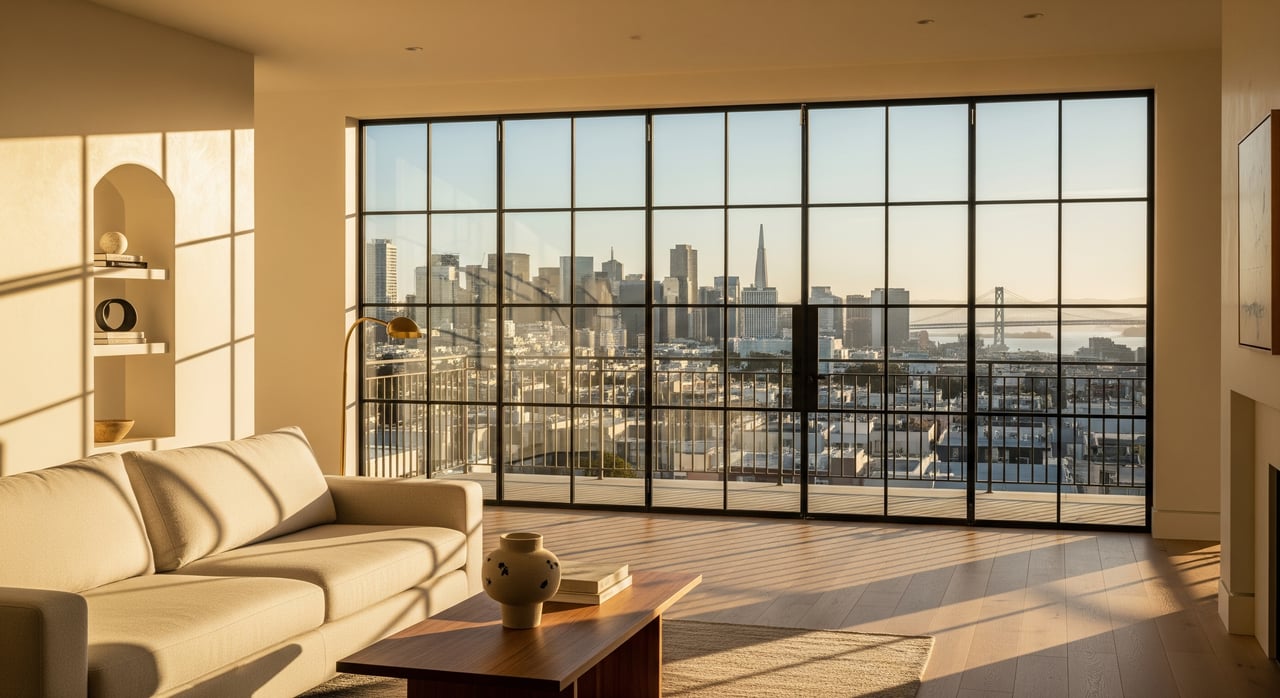
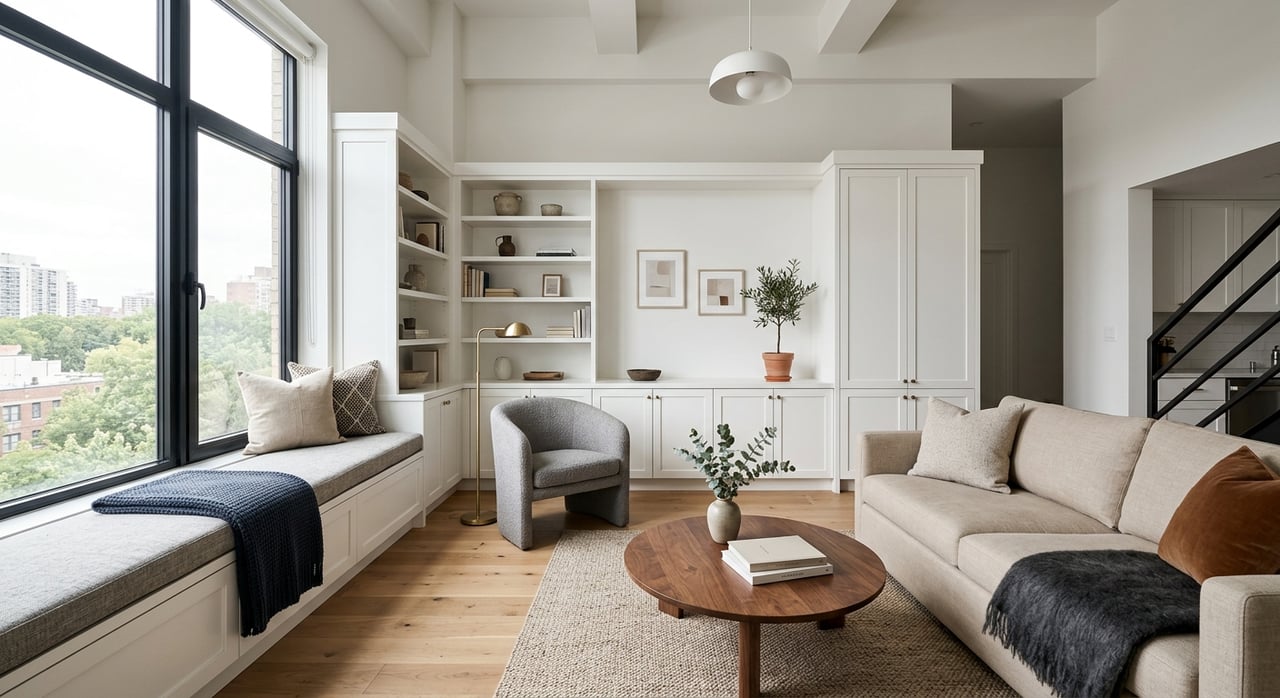
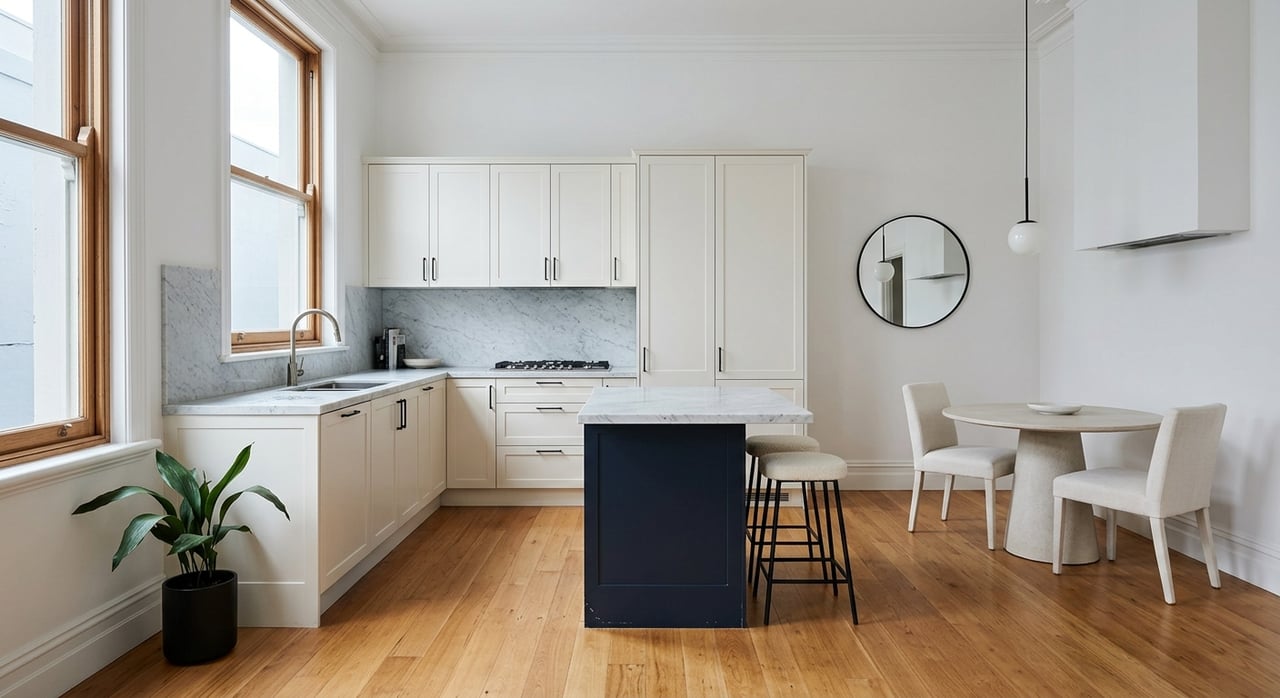
In practical terms, these homes tend to offer a more turnkey experience. Features in these buildings can include controlled access, elevators, shared courtyards, rooftop terraces, fitness spaces, bike parking, storage, concierge or virtual doorman services, and in some cases automotive parking.
That building-level package is a major part of the appeal. At 8 Octavia and 450 Hayes, for example, amenities include virtual doorman service, landscaped shared spaces, and parking options. At 300 Ivy and 400 Grove, common features include rooftop space, lounge or community areas, fitness amenities, and controlled access.
Not every newer building is centered on cars. 159 Fell is a good local example of newer infill built around urban density, retail frontage, roof terrace access, and bicycle parking, but without automotive parking.
Best Fit for Condo Buyers
A newer condo may suit you if you want:
- More standardized finishes
- Shared amenities you will actually use
- Less immediate renovation work
- Easier lock-and-leave living
- A building with more formal systems and services
If your schedule is full and you want a home that feels predictable day to day, a condo often checks that box.
What Classic Flats Offer
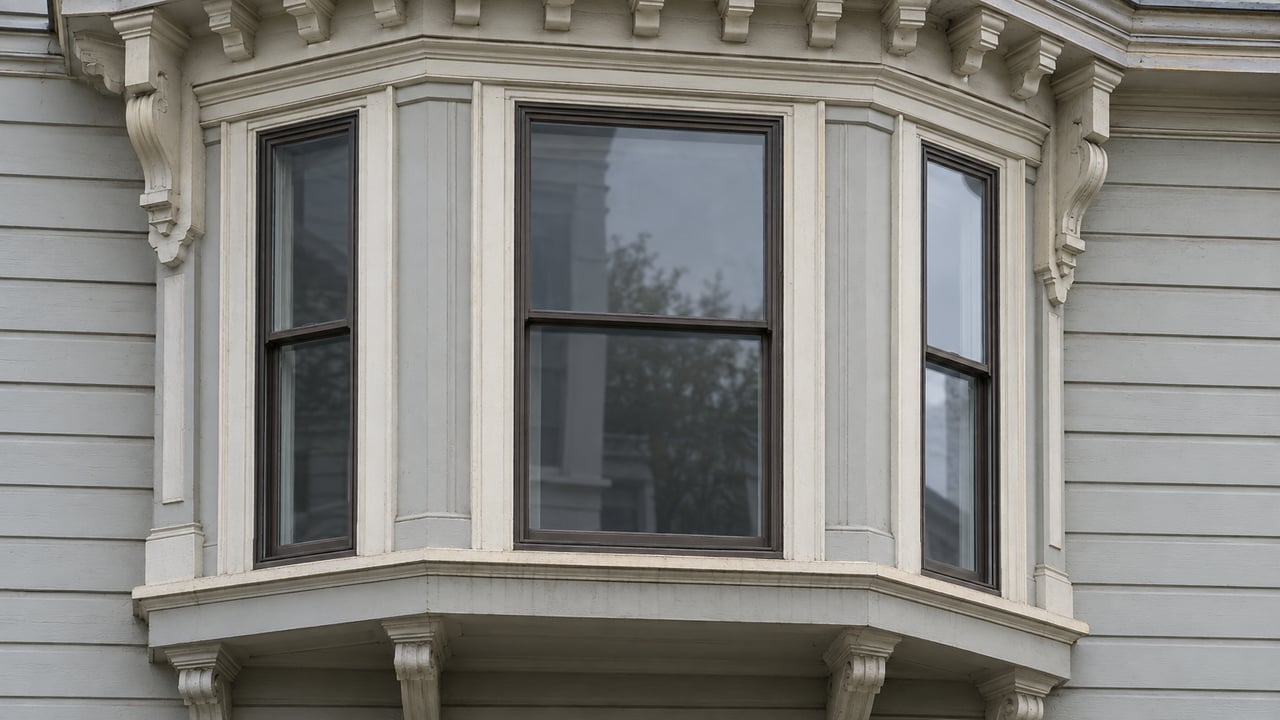
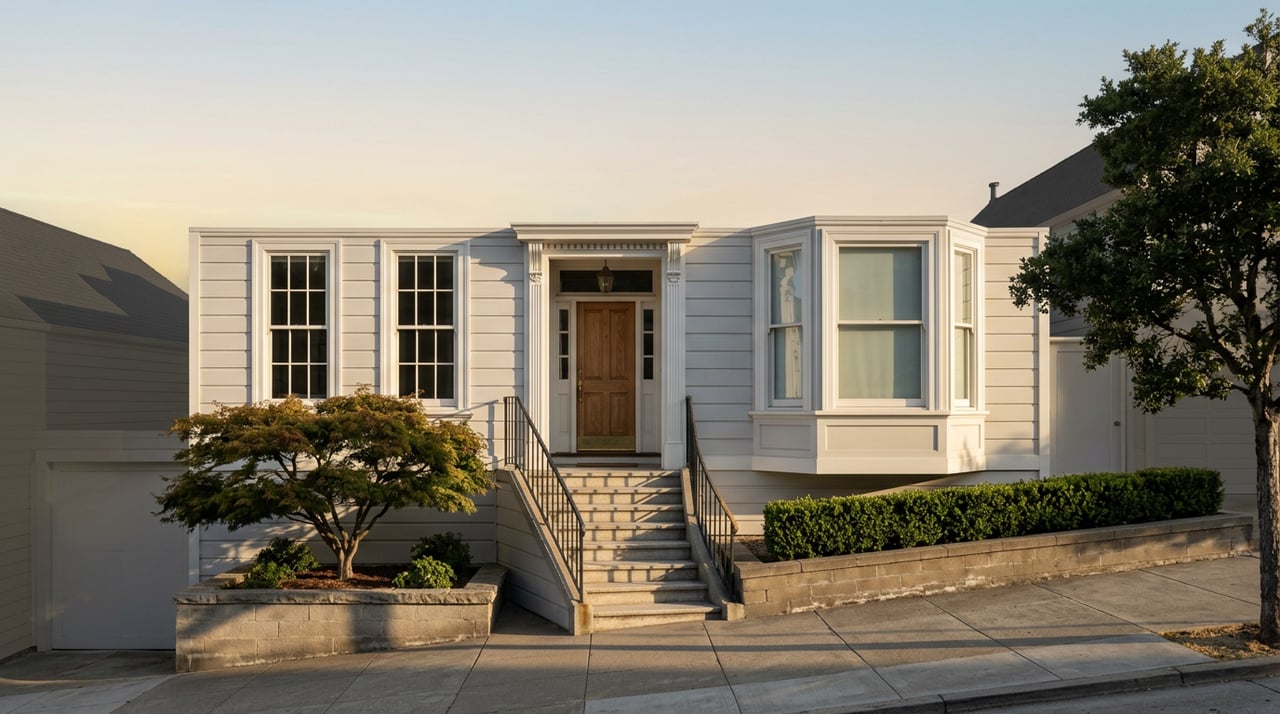
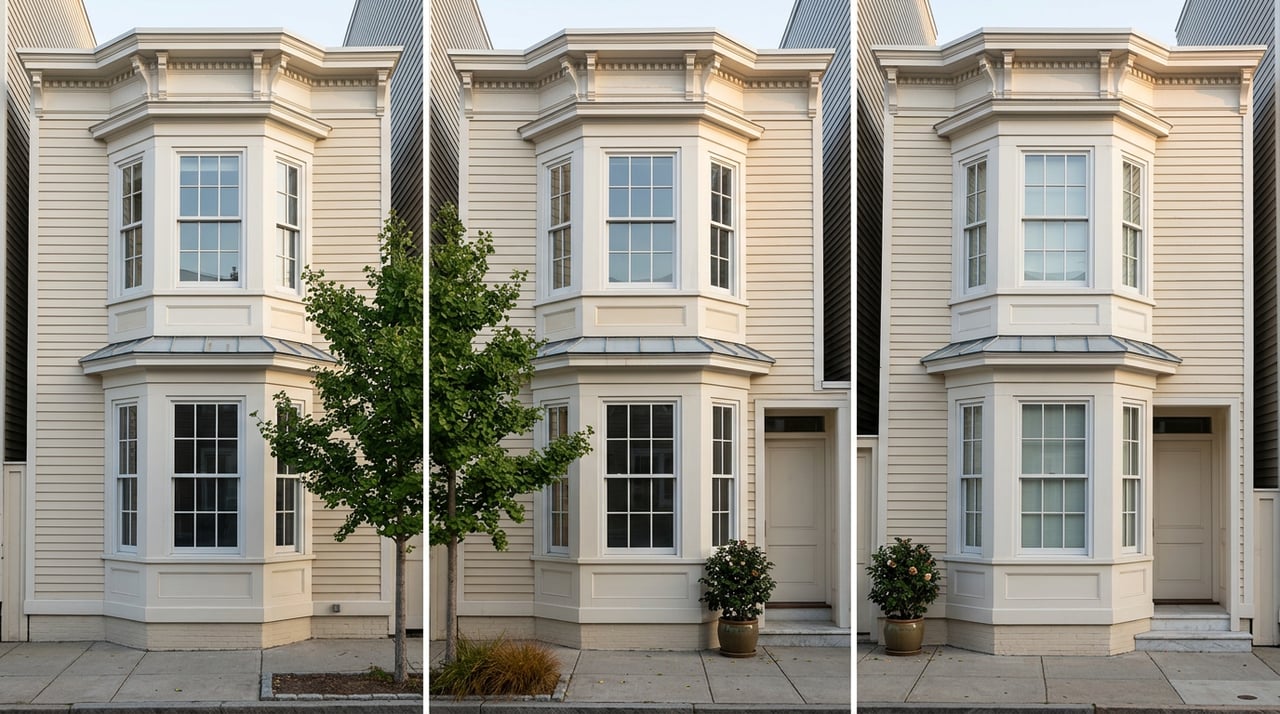
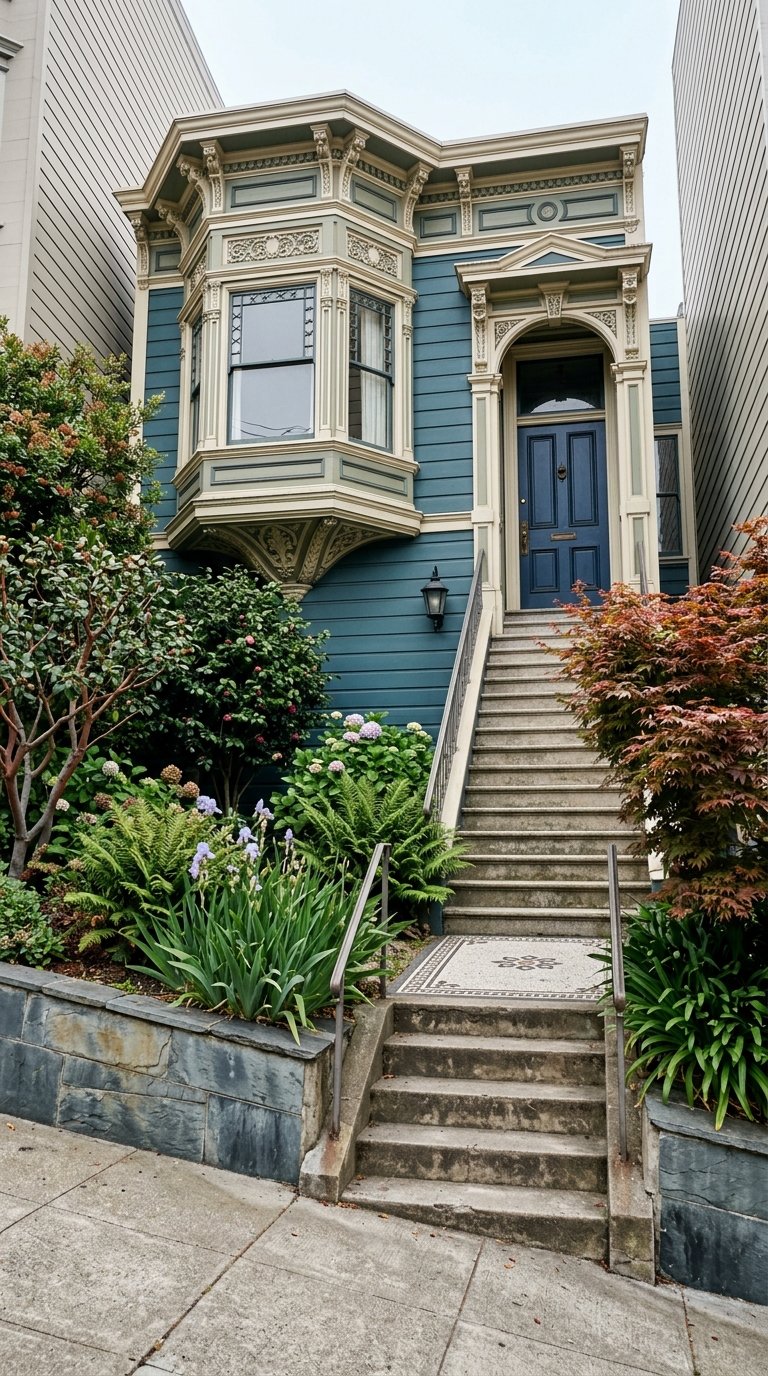
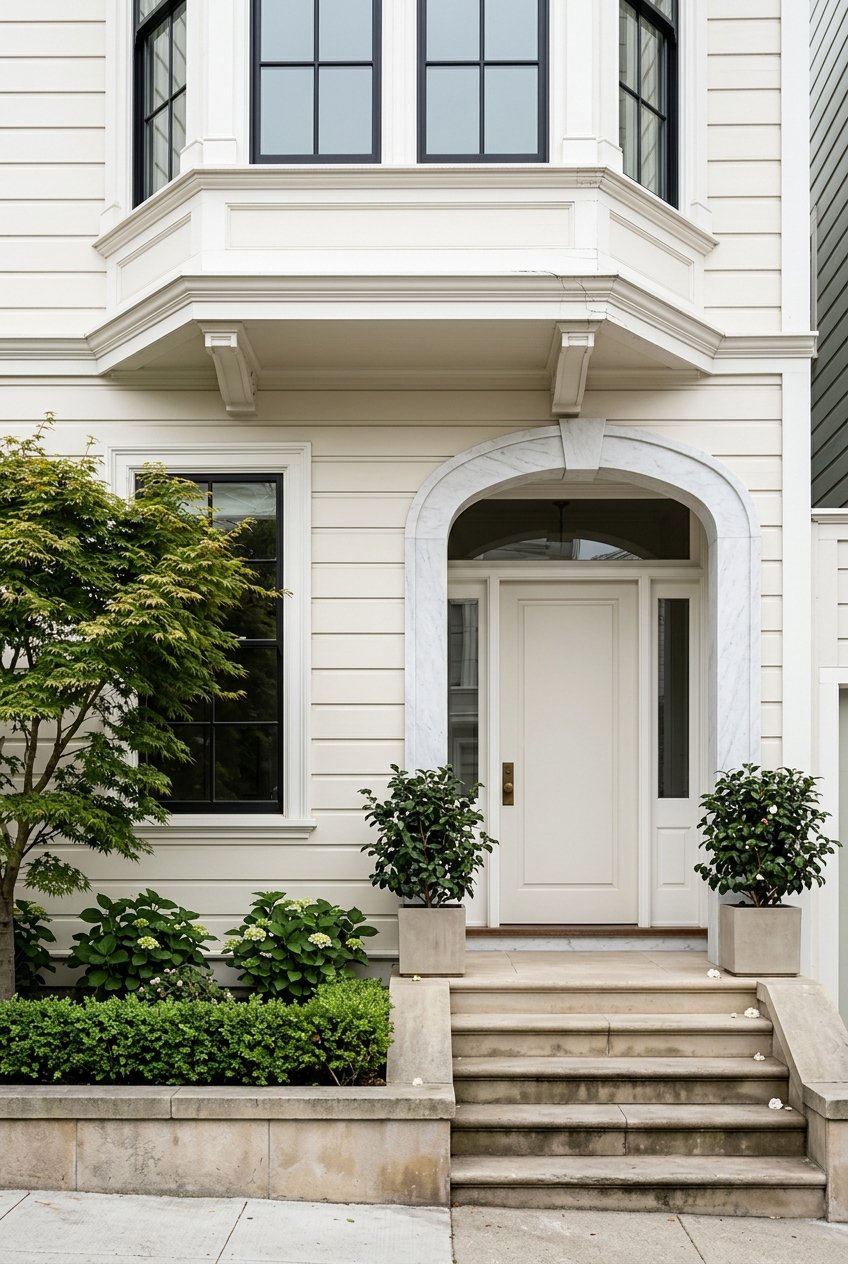
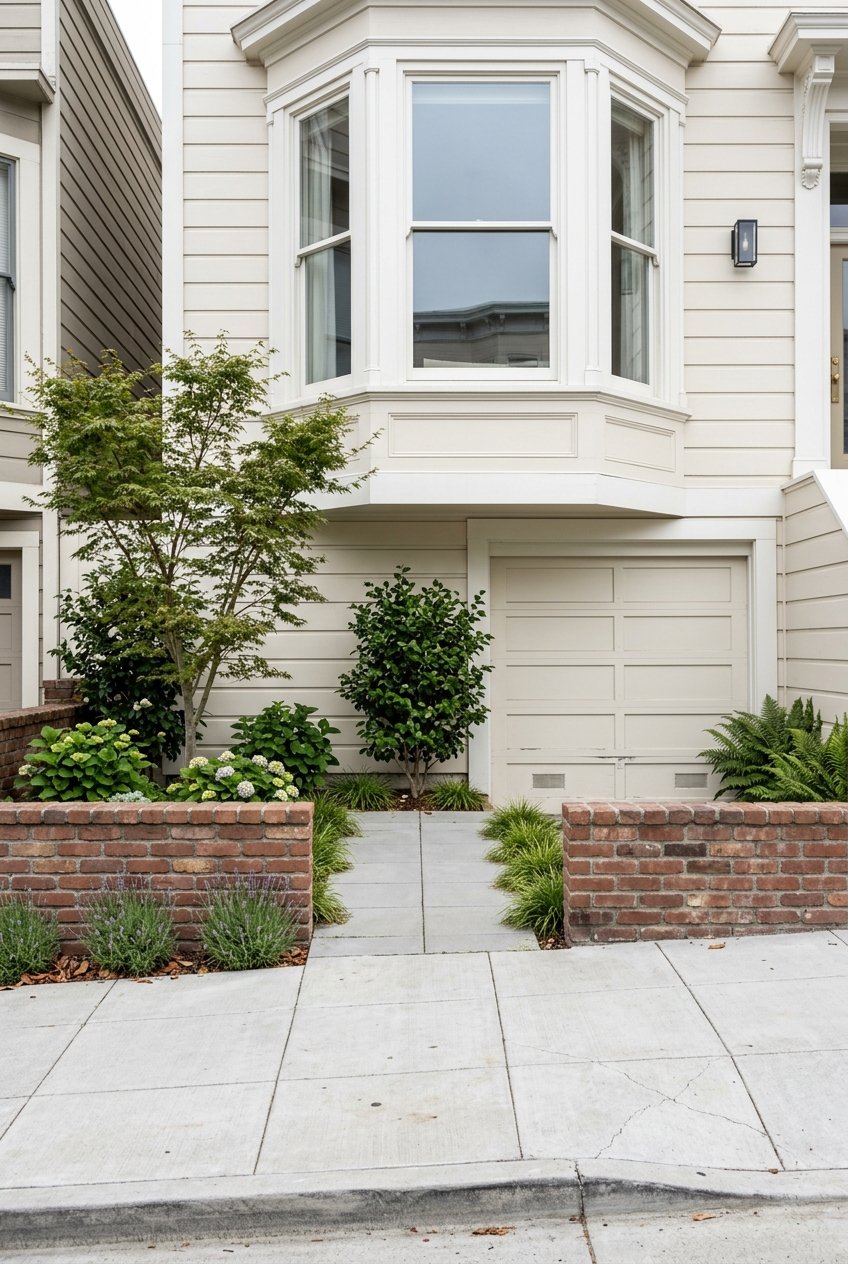
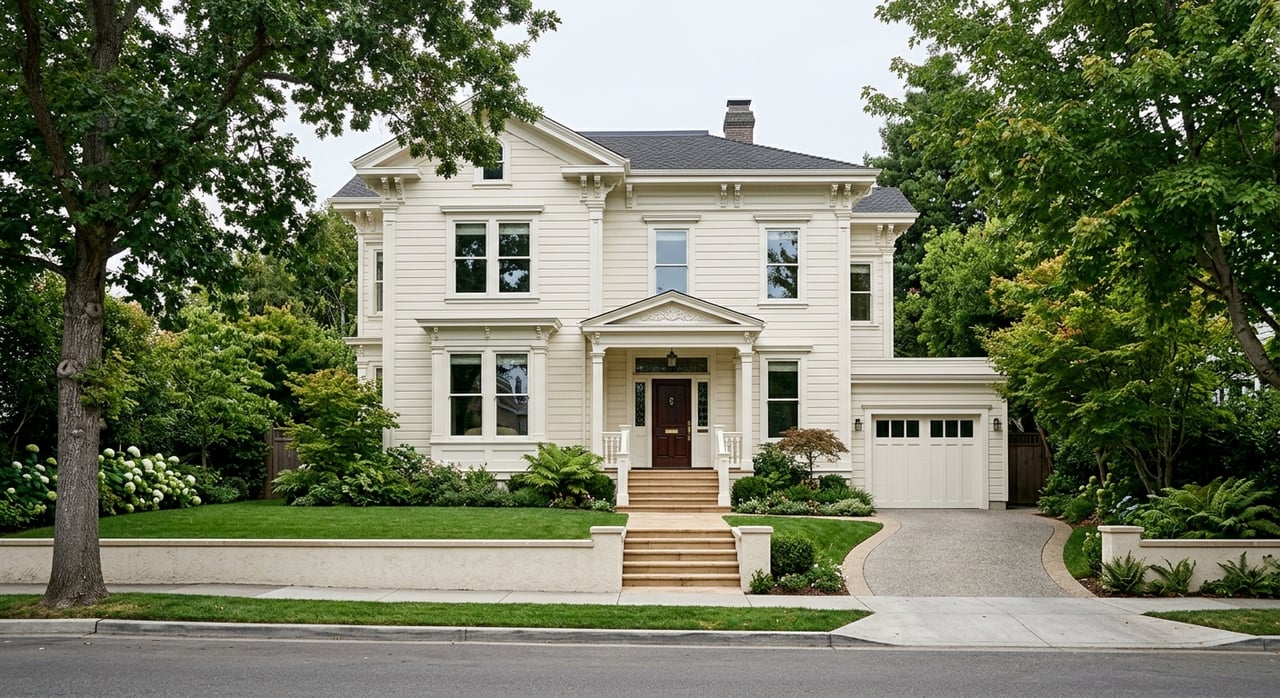
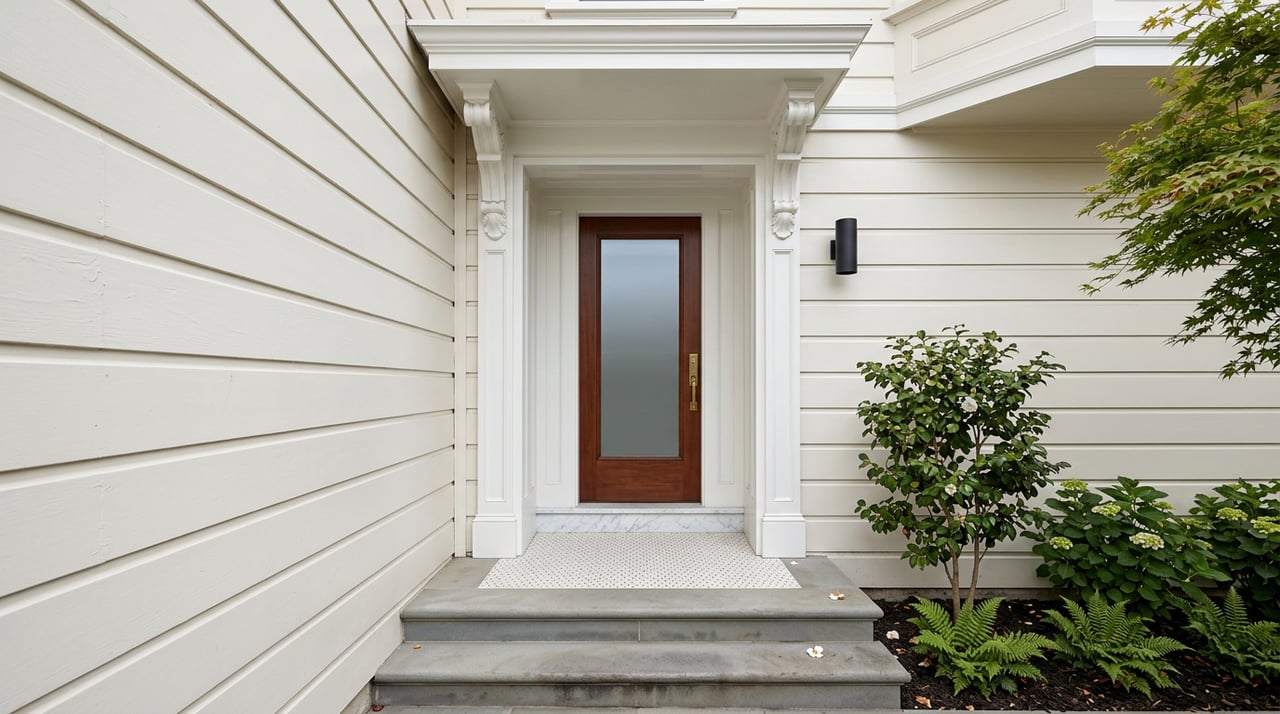
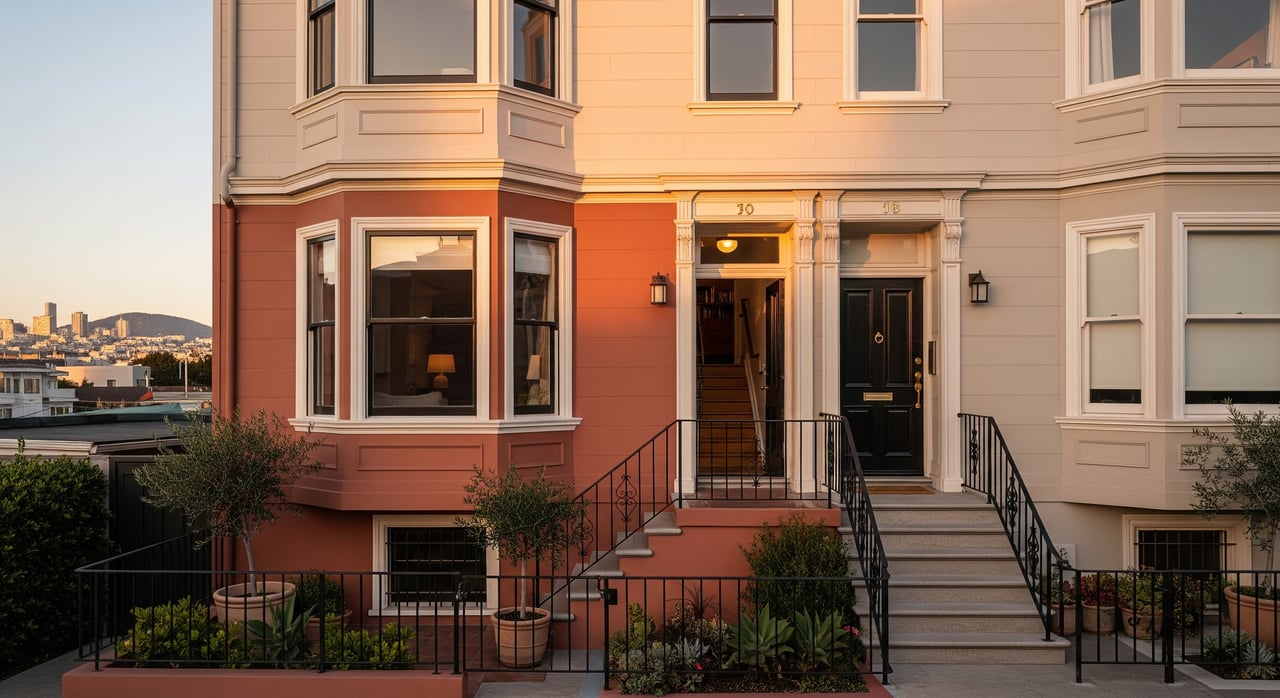
Classic flats in Hayes Valley usually sit in Victorian and Edwardian wood-frame buildings dating from the late 1800s to early 1900s. San Francisco Planning describes the area’s residential fabric as a mix of Victorian-era flats, dwellings, and mixed-use buildings, often with bay windows, decorative detail, and multi-bay facades.
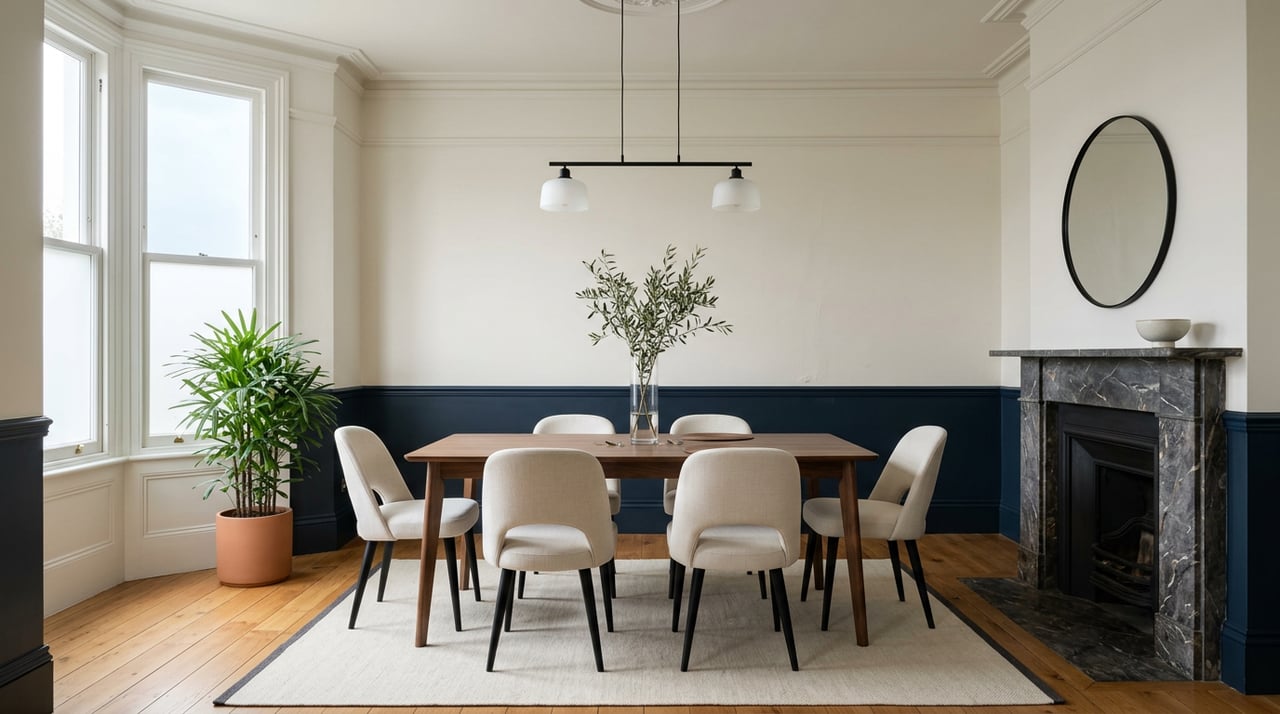
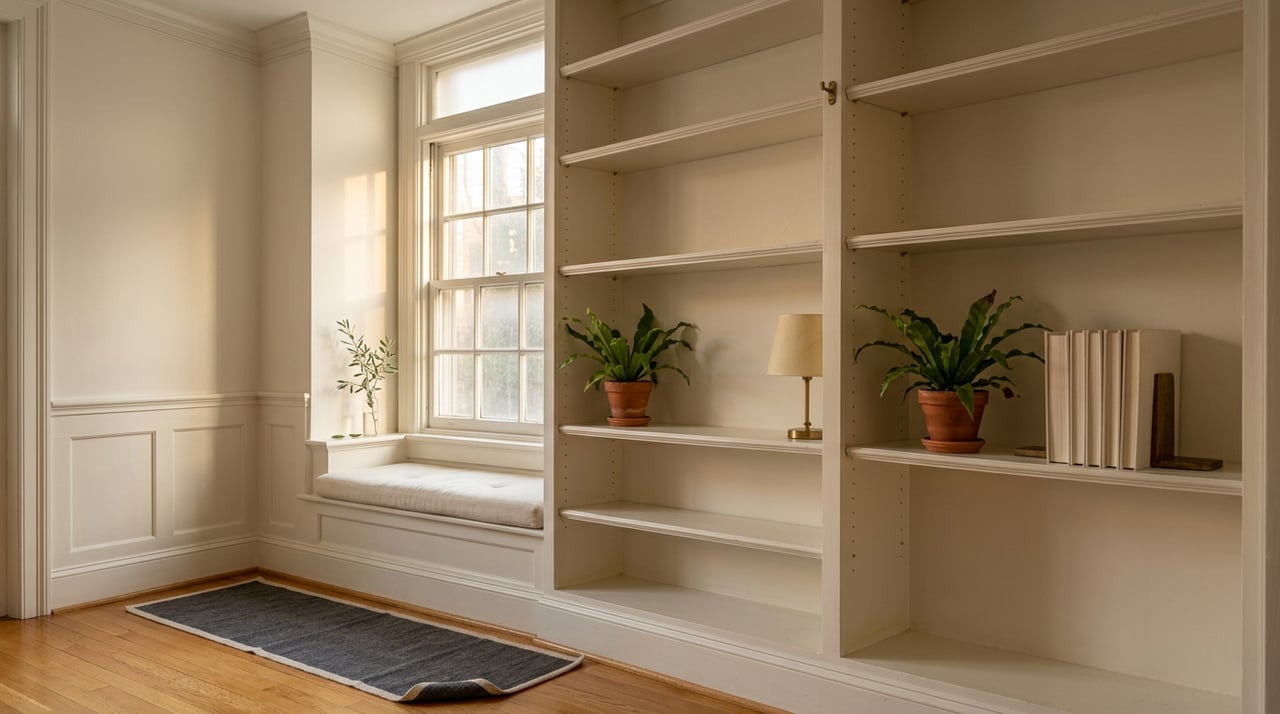
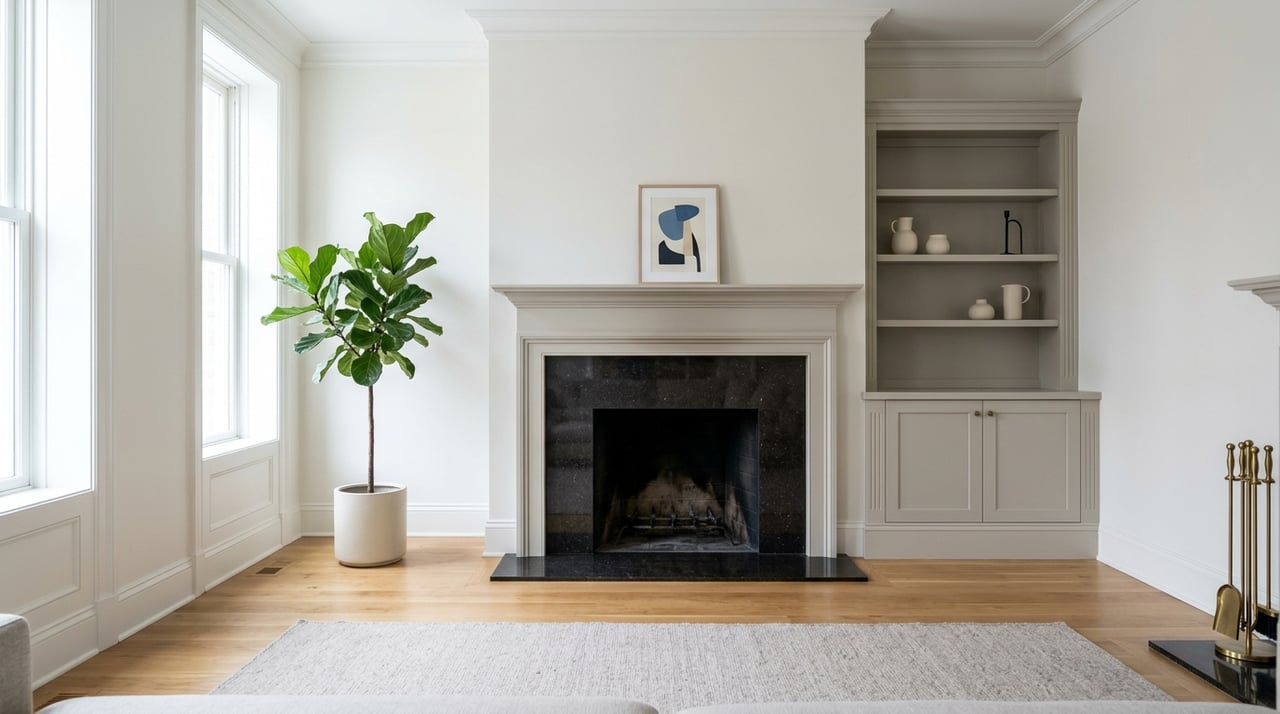
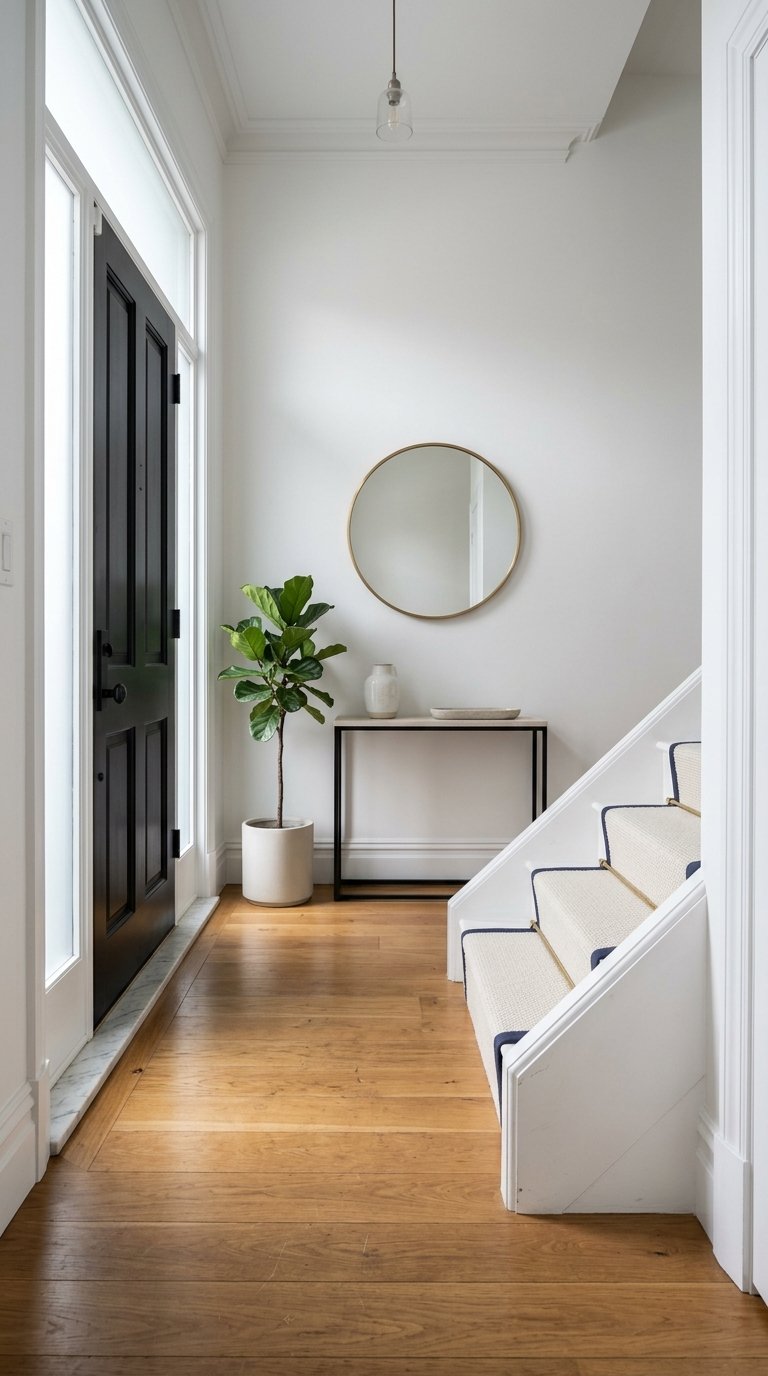
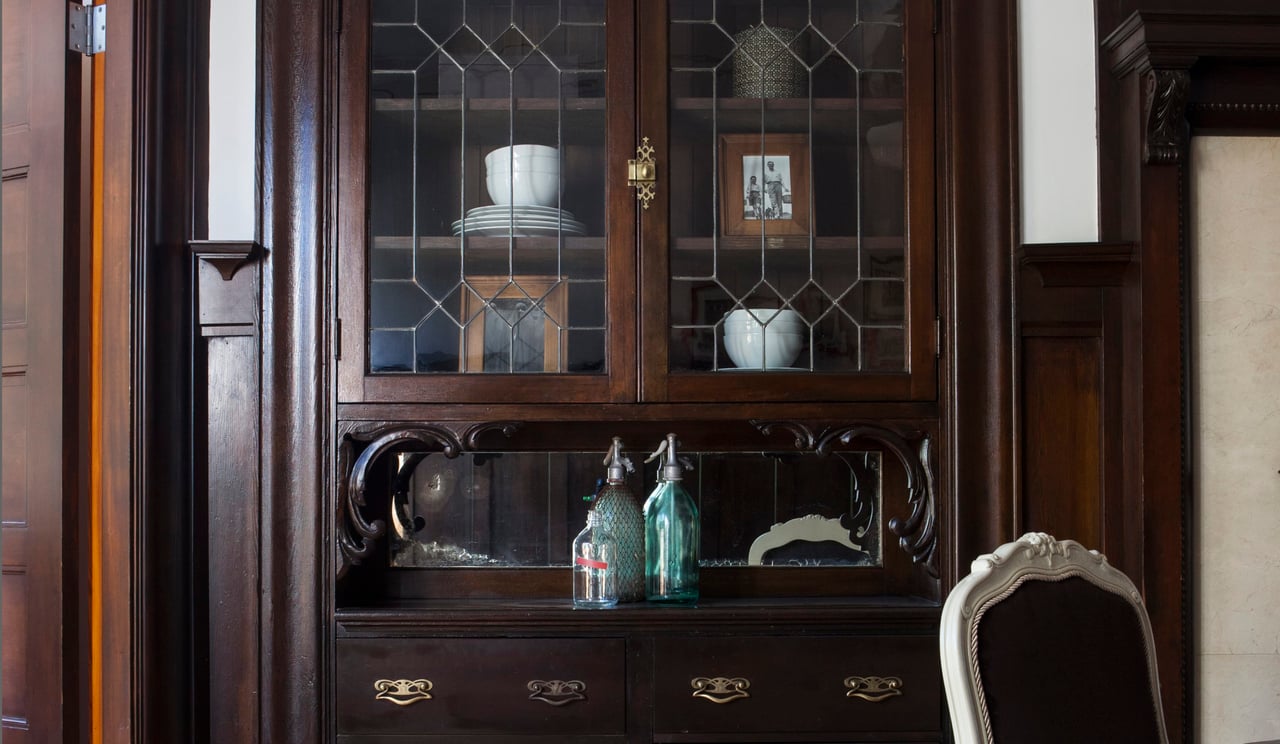
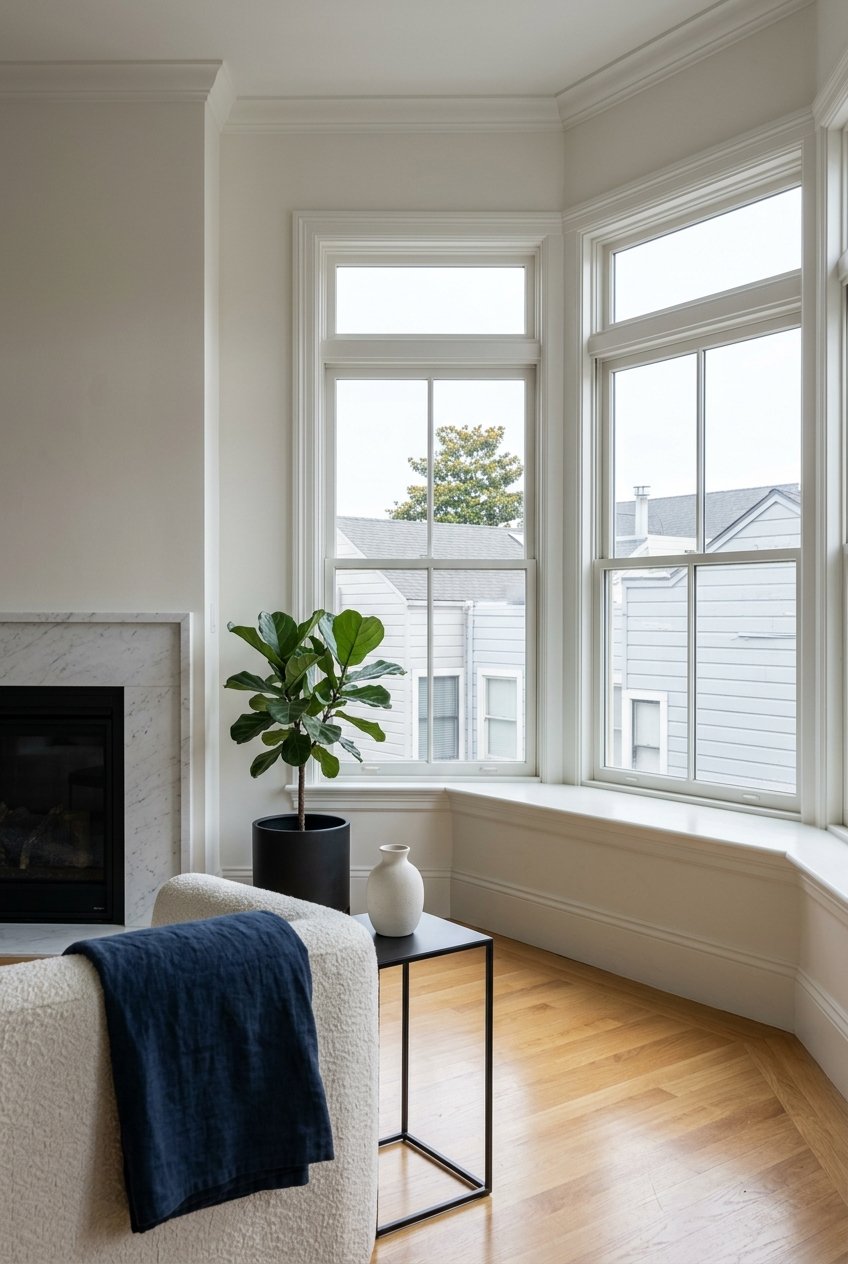
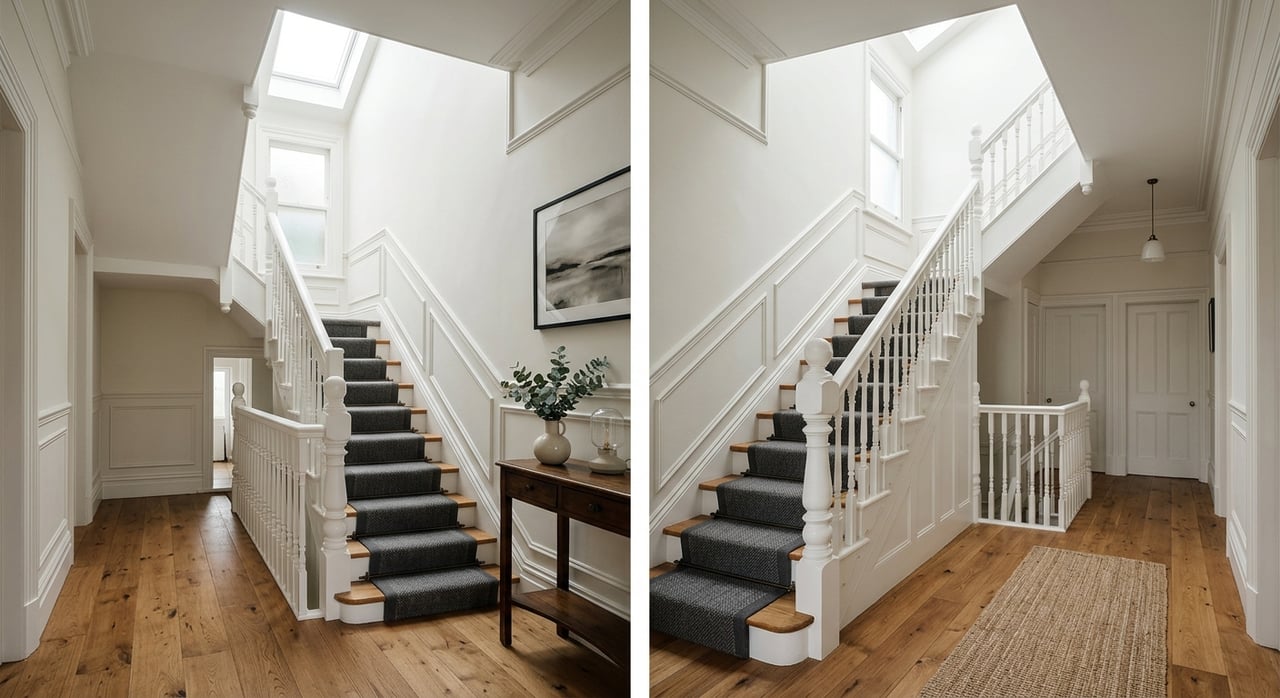
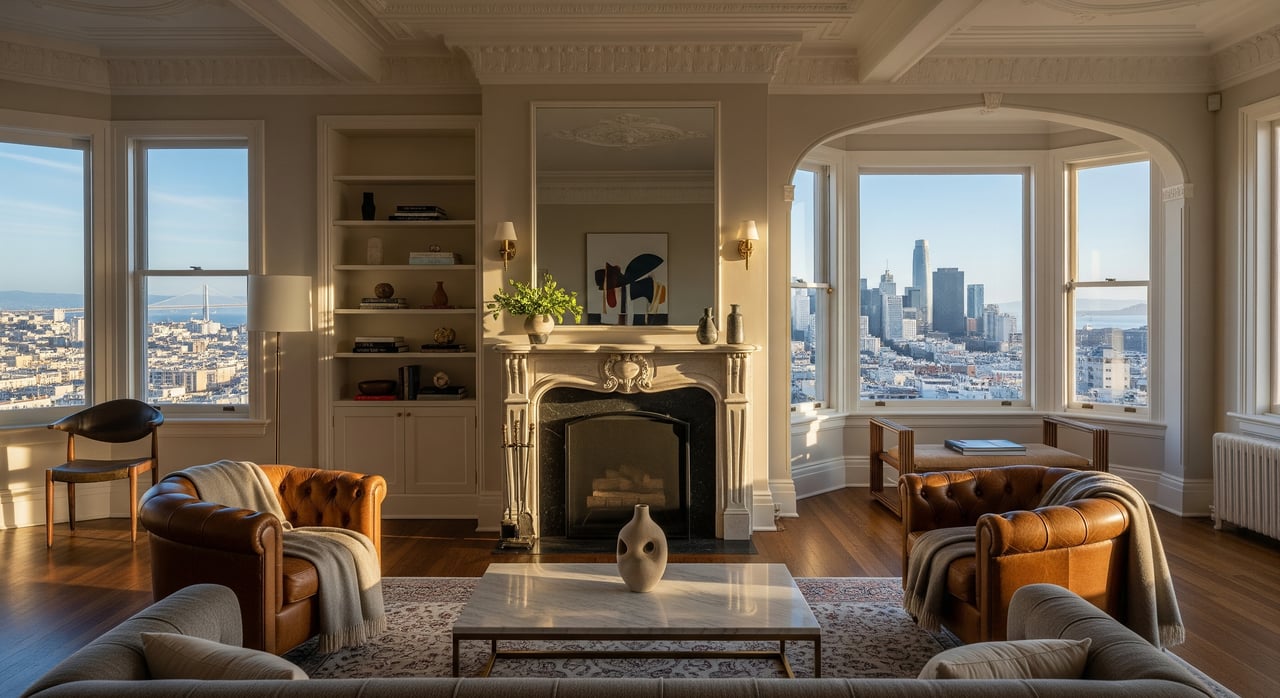
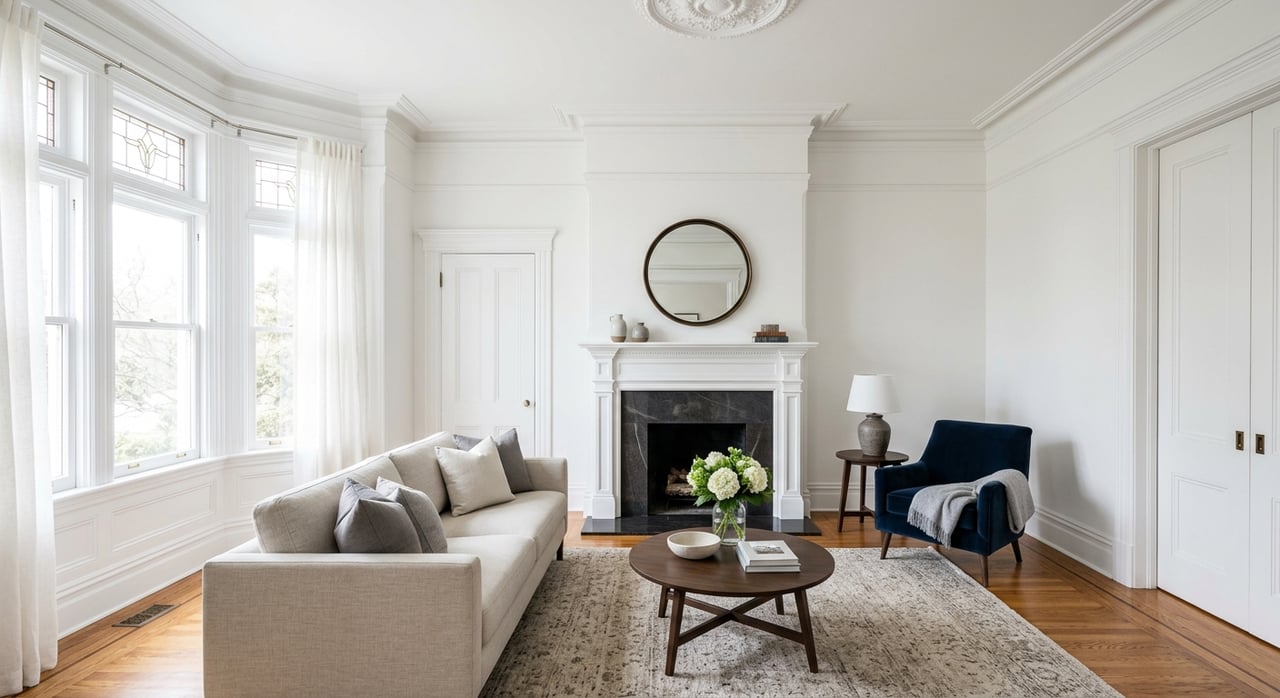
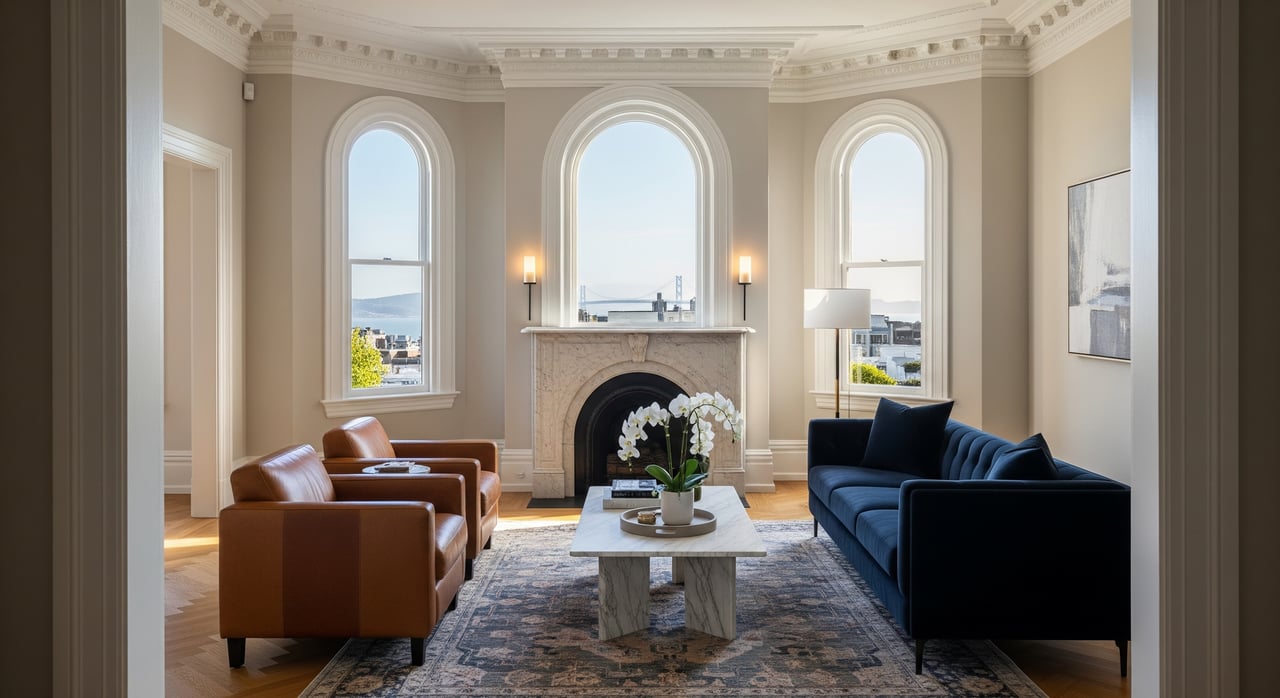
These homes usually feel different the moment you walk in. You may notice higher ceilings, period millwork, stained glass, built-ins, fireplaces, hardwood floors, and room proportions that feel less standardized than newer construction.
For many buyers, that character is the point. A classic flat can feel more personal, more layered, and more connected to the architectural identity of San Francisco.
Best Fit for Flat Buyers
A classic flat may suit you if you value:
- Original architectural detail
- Larger, more distinct room shapes
- A smaller building feel
- The chance to personalize kitchens or baths over time
- Historic character over amenity packages
If you love design and can see potential in a space, a classic flat can be especially compelling.
The Real Tradeoff: Convenience Versus Character
In Hayes Valley, the condo-versus-flat decision is rarely about one being better than the other. It is usually about which tradeoff fits your priorities.
Newer condos often win on ease. They can offer elevators, package handling, shared outdoor areas, controlled access, and a more managed ownership experience.
Classic flats often win on charm and individuality. They can deliver details and scale that are difficult to replicate in newer buildings, even when the newer finish level is strong.
A simple way to think about it is this: condos often sell a smoother lifestyle, while classic flats often sell a stronger sense of place.
Maintenance and Ownership Costs to Compare
One of the biggest differences is how upkeep shows up in your budget and your daily life.
With newer condos, regular HOA dues typically fund day-to-day operations and reserves under California’s common-interest-development rules. Special assessments can also happen for larger repairs or unexpected building costs, so it is still important to review the association’s financial health.
With classic flats, the setup may be different. Some are condominiums, while others may be tenancy-in-common properties or part of a small association. That smaller scale can feel appealing, but it also means you should look closely at how repairs are handled, how decisions are made, and whether reserves are adequate.
Questions to Ask About Costs
Before you buy either product type, ask:
- What do the monthly dues cover?
- How much is in reserves?
- Have there been recent or planned special assessments?
- Is the property a condo, TIC, or part of a small association?
- Are parking and storage deeded, assigned, or not included?
These details can shape both affordability and resale appeal.
Older Flats Need More Due Diligence
If you are drawn to a classic flat, due diligence matters. In older wood-frame buildings, the key issues usually go beyond finishes and aesthetics.
San Francisco requires some wood-frame multifamily buildings to complete seismic upgrades under the mandatory soft-story program. The City also requires permits for plumbing and mechanical work before pipes are cut into or replaced. In practical terms, that means buyers should review seismic work, permit history, and the condition of major systems like plumbing and electrical.
The Ivy Residence offers a useful local example of adaptation rather than replacement. That former Edwardian rooming house was renovated into studio apartments and seismically upgraded, showing how older buildings can retain their form while undergoing meaningful structural improvement.
Smart Questions for Older Buildings
If you are considering a classic flat, ask:
- Has the building completed required seismic work?
- Were electrical or plumbing updates permitted?
- What is the repair history of the roof, foundation, and common areas?
- Are there remodeling limits tied to structure or preservation concerns?
- How have owners handled major capital projects in the past?
These questions help you understand not just the home’s charm, but its long-term practicality.
Pricing in Hayes Valley
Hayes Valley remains highly competitive. In March 2026, the neighborhood’s median sale price was reported at $1.45 million, with homes selling in about 32 days and a sale-to-list ratio of 106.2 percent.
Recent sales also show how wide the pricing range can be. A 477-square-foot studio at 400 Grove sold for $505,000, a one-bedroom at 450 Hayes sold for $925,000, and a two-bedroom at 300 Ivy sold for $1.45 million.
On the classic side, a top-floor Edwardian flat on Page Street sold for $1.785 million. That sale is a good reminder that buyers in Hayes Valley are not paying for square footage alone. Light, layout, parking, period detail, condition, and building structure all influence value.
How to Decide Which One Fits You
If you are still torn, focus less on labels and more on daily living. Think about how you move through your week, what kind of setting helps you feel at home, and how much unpredictability you want in ownership.
A newer condo may be the better fit if you want convenience, shared amenities, and a more streamlined ownership experience. A classic flat may be the better fit if you want architectural character, a smaller-building feel, and room to shape the space over time.
In Hayes Valley, both can be excellent choices. The right one is the one that aligns with your lifestyle, budget, and comfort level with maintenance and building complexity.
If you want help comparing specific buildings, reviewing disclosures, or understanding how one block or building may perform differently from another, working with someone who knows the neighborhood at a detailed level can make the process much clearer. Adelaida Mejia brings a design-trained eye and San Francisco building-level insight to help you weigh the details that matter most.
FAQs
What is the difference between a Hayes Valley condo and a Hayes Valley classic flat?
- A newer Hayes Valley condo usually offers a more turnkey lifestyle with shared amenities and building services, while a classic flat usually offers more architectural character, smaller-building scale, and older-home details.
What should buyers review about HOA dues in Hayes Valley?
- You should review what the dues cover, the size of the reserves, whether special assessments are likely, and whether parking, storage, or other features are included.
What should buyers know about older Hayes Valley flats?
- Older flats often require deeper review of seismic upgrades, permit history, plumbing and electrical updates, and how major repairs are handled within the building or ownership structure.
Are all newer Hayes Valley condo buildings built with parking?
- No. Some newer buildings include parking, but others, such as certain infill projects, are designed around transit access and bicycle parking instead.
Can a classic Hayes Valley flat cost more than a newer condo?
- Yes. Recent local sales show that well-preserved, spacious classic flats with strong light, detail, parking, and condition can compete with or exceed the price of newer condos.
Is Hayes Valley a competitive market for buyers?
- Yes. Recent neighborhood data shows a competitive market with a median sale price of $1.45 million, homes selling in about 32 days, and sale prices averaging above list price.