Is your Pacific Heights home rich with period detail, grand rooms, and a view that stops people in their tracks? You know it deserves a thoughtful presentation that protects its character while drawing top-tier buyers. In this guide, you’ll learn how to stage a large historic home so it feels both timeless and move-in ready, how to plan photography and showings, and how to market the lifestyle Pacific Heights buyers seek. Let’s dive in.
Why presentation matters here
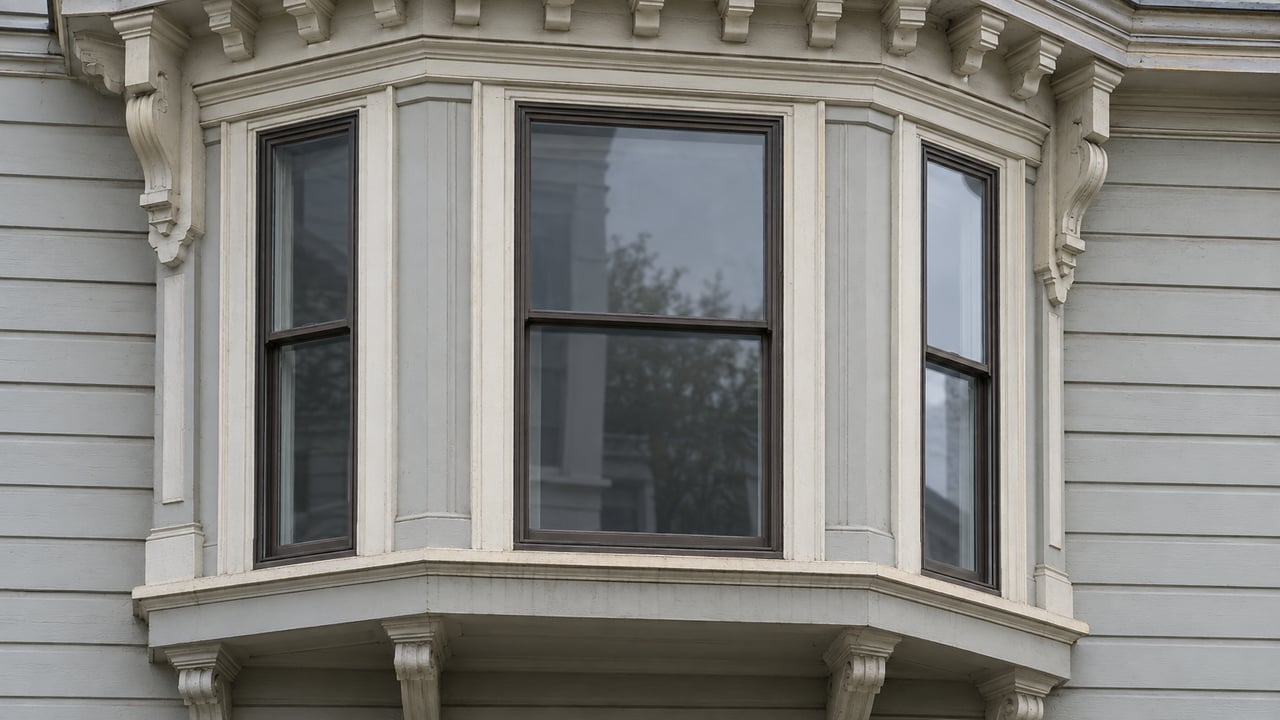
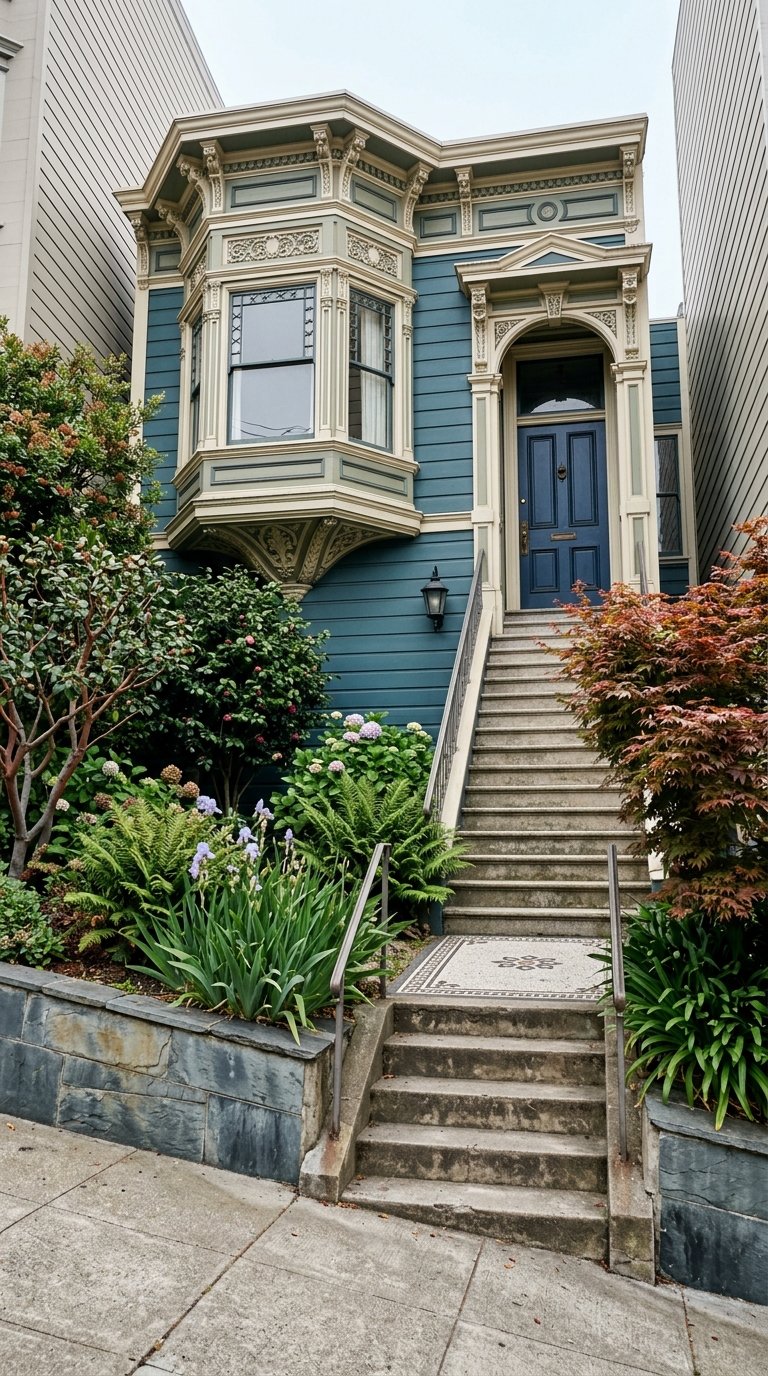
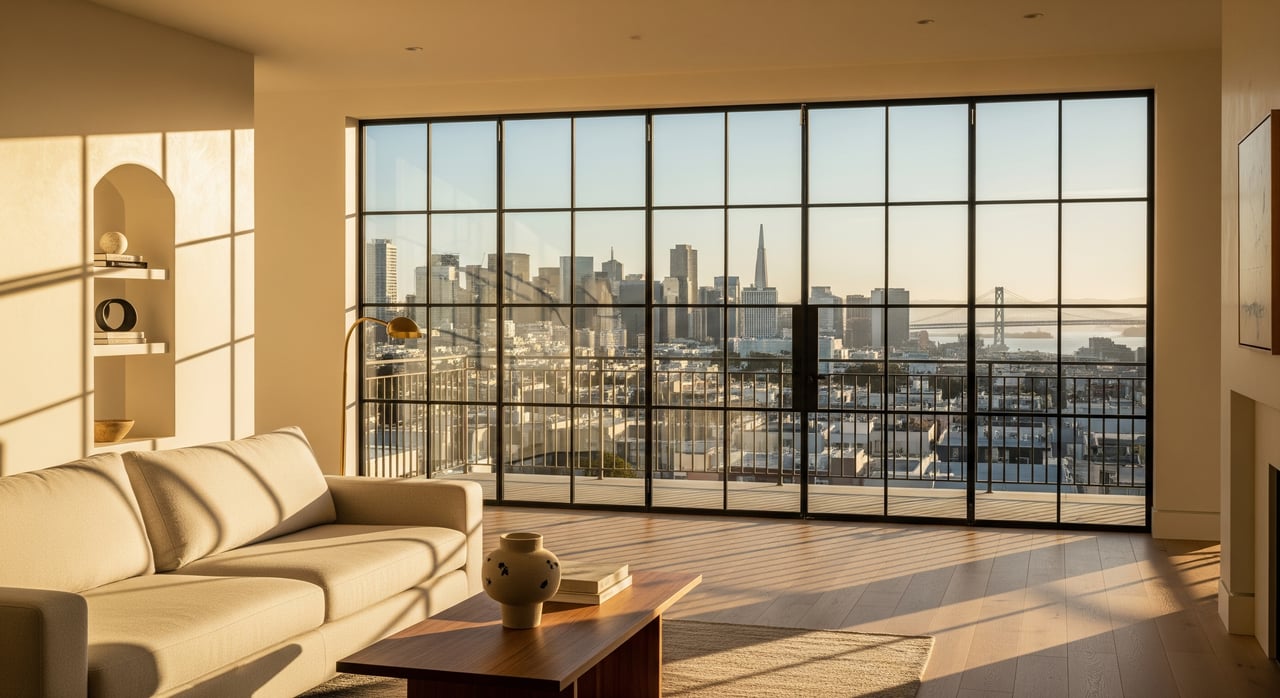
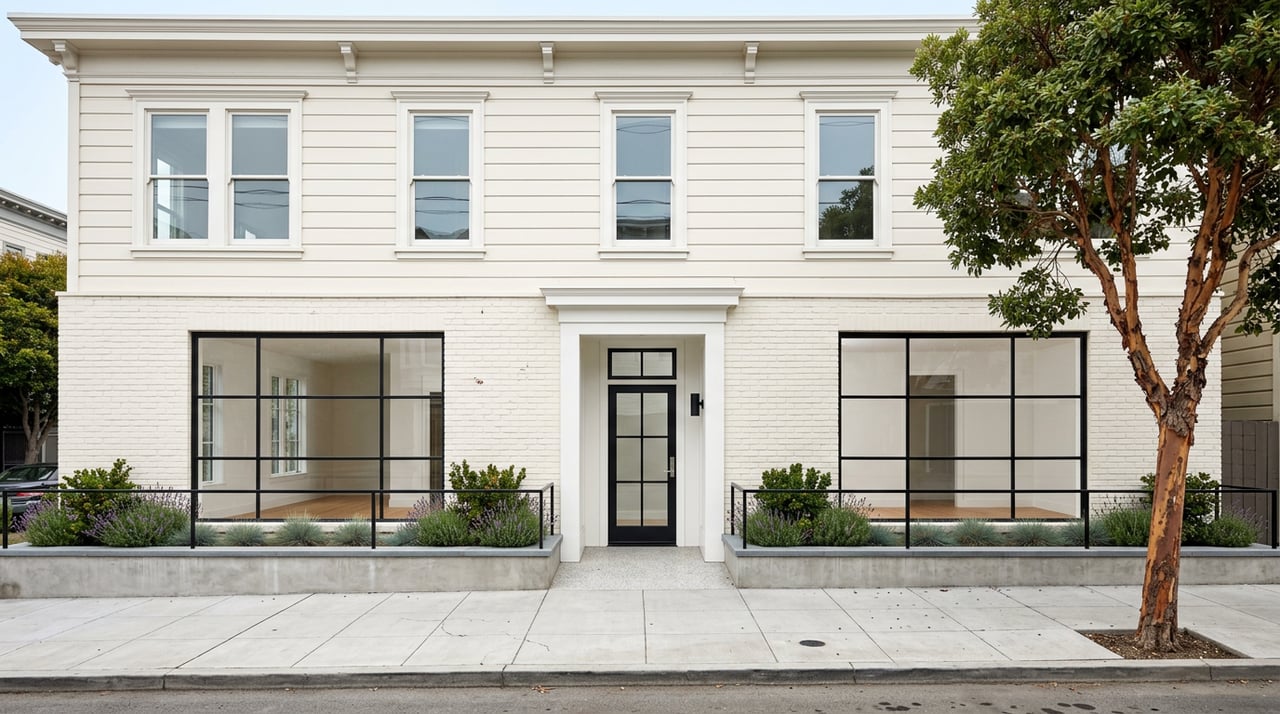
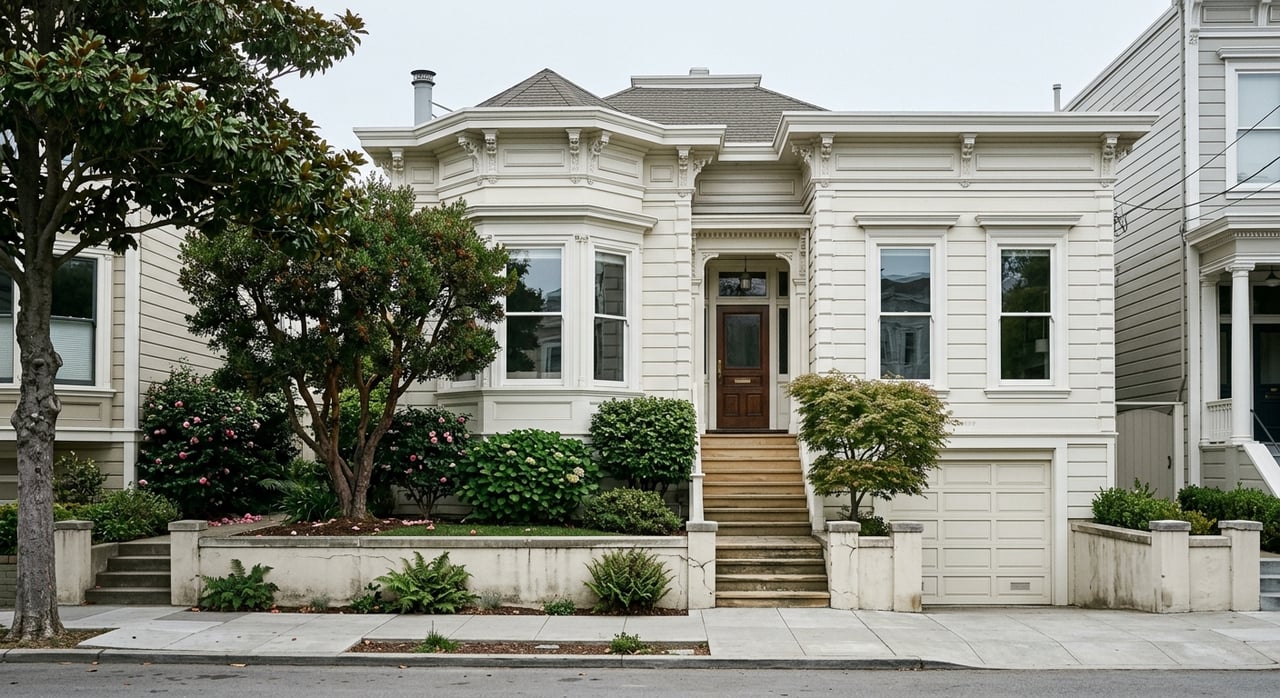
Pacific Heights stands out for late-19th and early-20th-century architecture, refined finishes, and dramatic bay and Golden Gate Bridge views. Buyers expect moldings, fireplaces, staircases, and craftsmanship to shine. Staging should highlight those features, not cover them.
If your property is historically significant, consult local resources before making changes. The city’s Historic Preservation program and San Francisco Architectural Heritage offer context and guidance for exterior or structural updates. Buyers also ask about permits and recent work, so plan to pull records through the San Francisco Department of Building Inspection.
Pacific Heights buyers are often design conscious and time sensitive. Many value privacy, polished visuals, and homes that read as turnkey. Strong staging and photography can increase engagement, and according to the National Association of Realtors research, photos and presentation shape how buyers shop and compare homes.
Protect character, elevate livability
The goal is to keep original charm while creating an elegant, neutral canvas that feels current. Use staging to clarify scale, circulation, and lifestyle without erasing period detail.
Pre-staging inspections and repairs
- Prioritize safety and structure. Confirm seismic or structural work is documented, and ensure there are no active leaks. Functional HVAC, plumbing, and electrical systems help buyers focus on the home, not the punch list.
- Tackle visible maintenance. Address roof and gutter issues, verify windows open smoothly, and confirm fireplaces operate safely. Provide recent inspection reports when possible.
- Refresh key surfaces. Opt for warm, neutral paint that complements historic trim. Repair damaged moldings and refinish or deep clean hardwood floors. Floor restoration in older homes often delivers strong visual return.
Declutter and edit for scale
- Reveal volume and flow. Remove excess small pieces and knickknacks so large rooms feel open and welcoming. Keep just enough to communicate proportion.
- Define circulation. Create clear paths between parlor, dining room, kitchen, and outdoor areas. Buyers should understand entertaining flow immediately.
- Curate art and objects. Keep a few standout pieces that suit the home’s character. Store personal photos and distracting collections.
Furniture and layout at scale
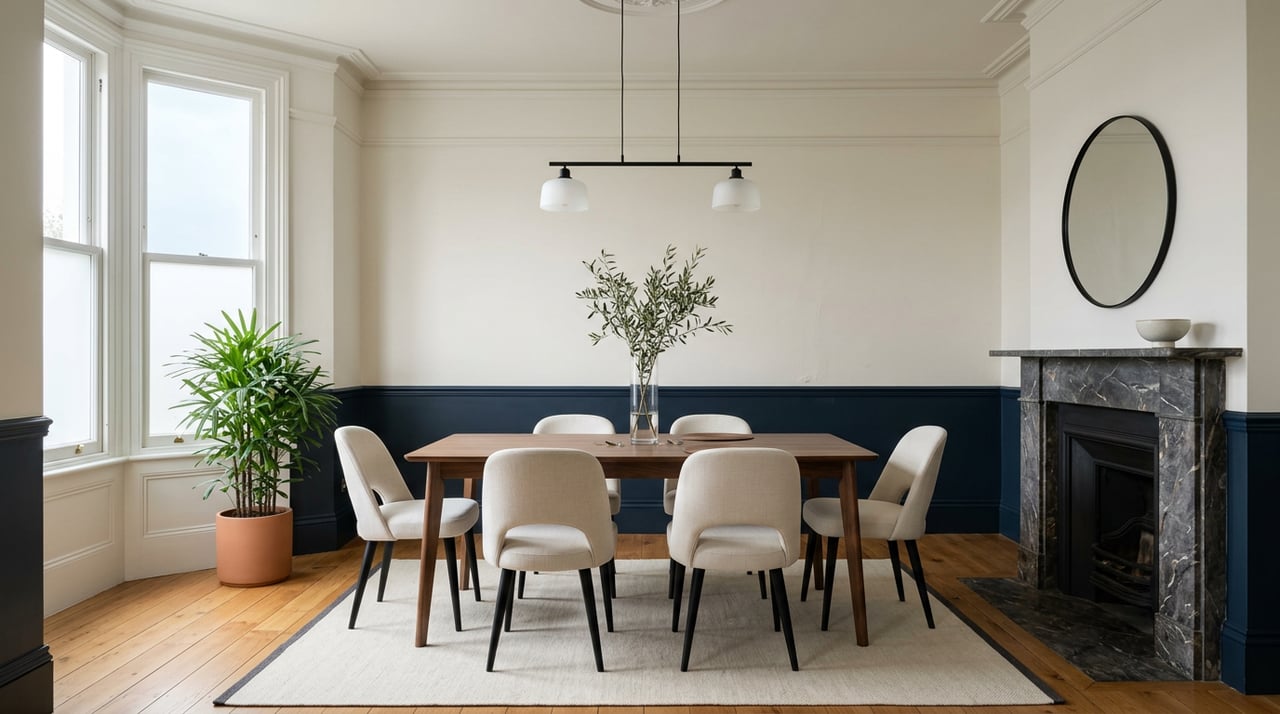
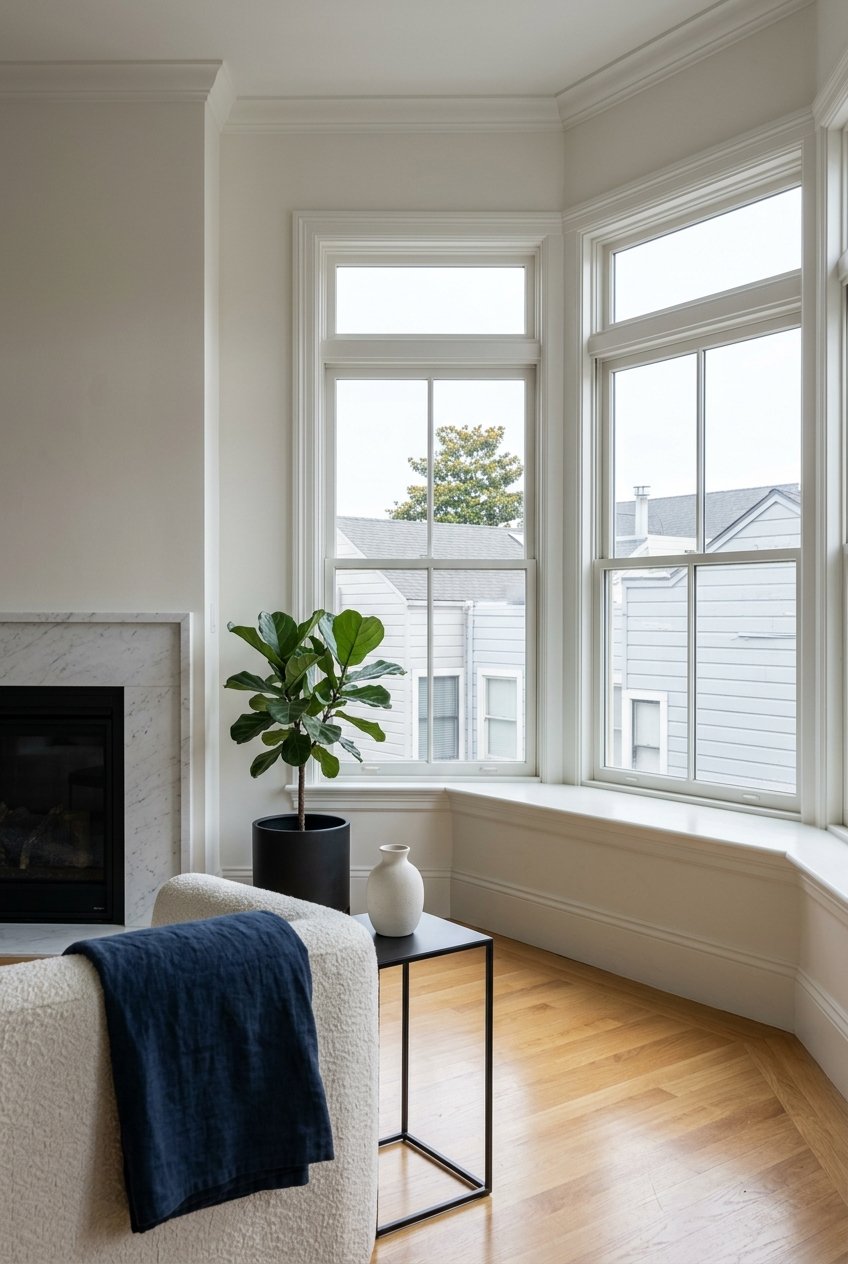
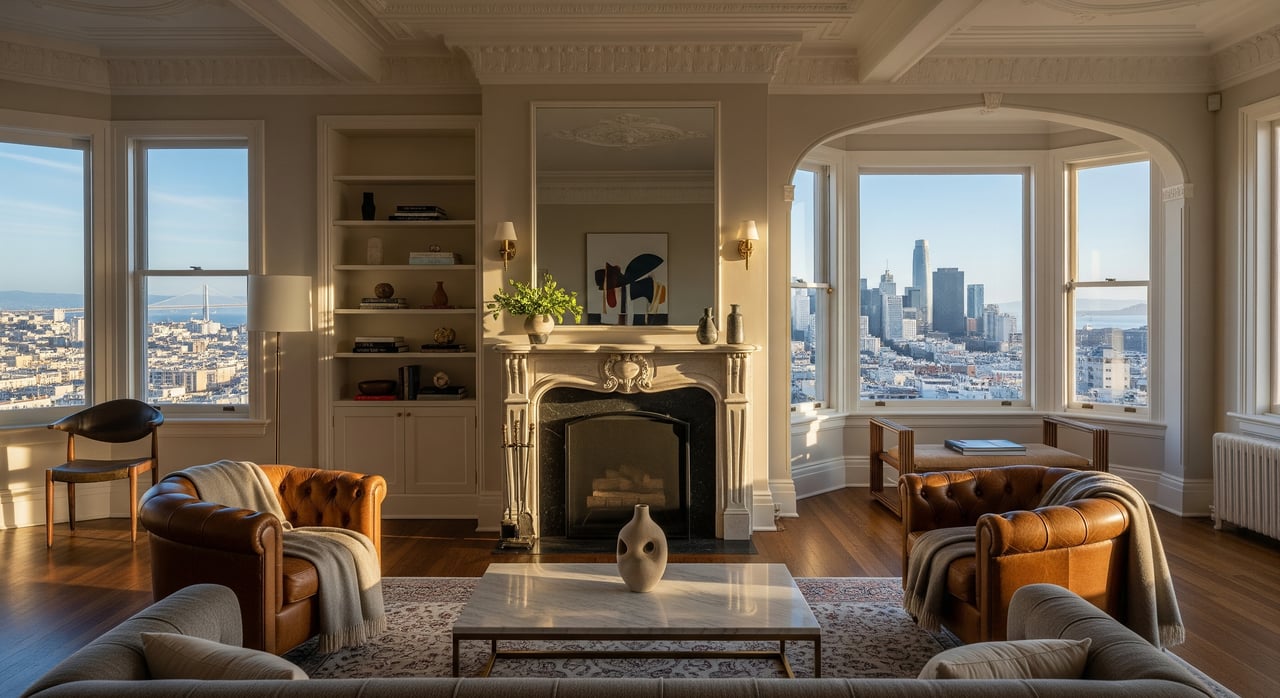
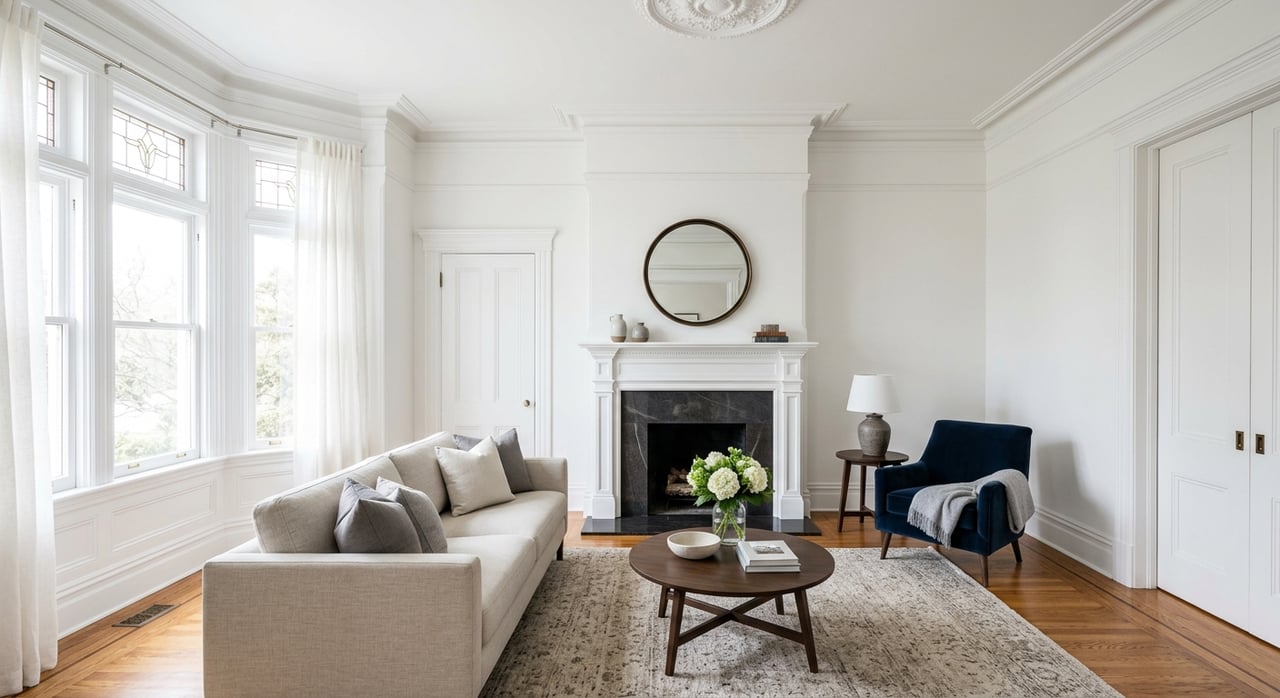
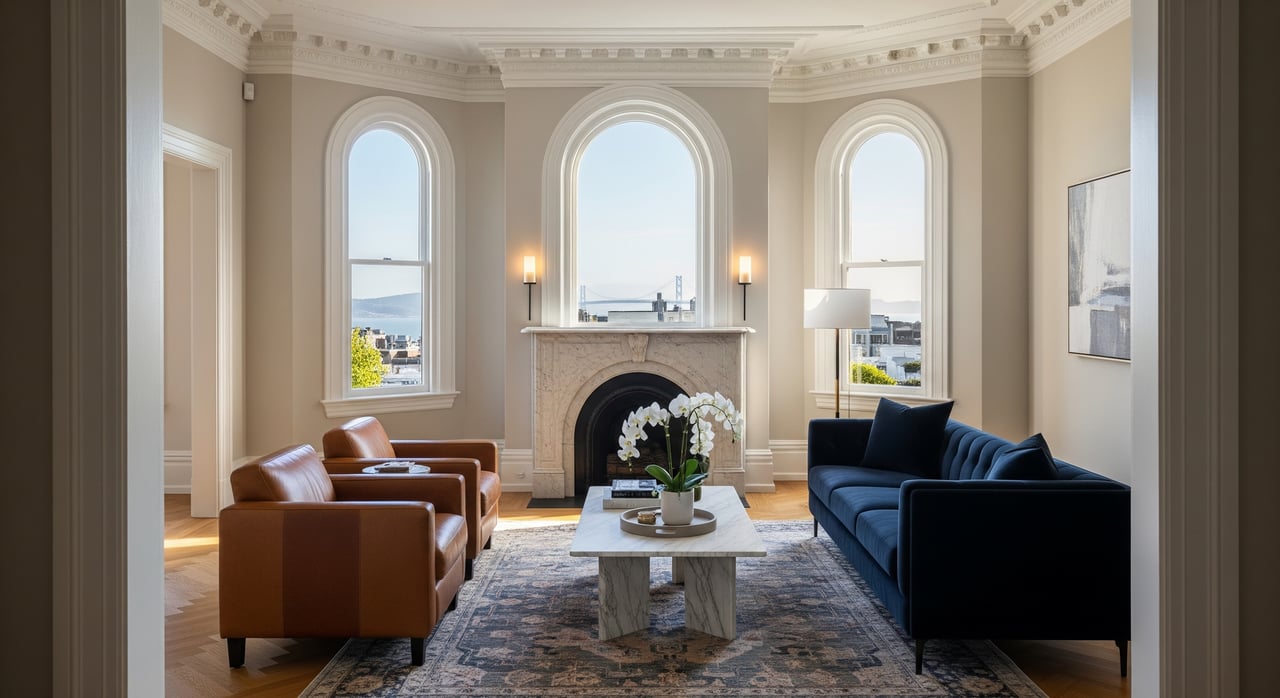
- Choose fewer, larger pieces. In grand rooms, anchor seating around a fireplace or bay window, add side chairs for conversation, and use rugs sized to the architecture.
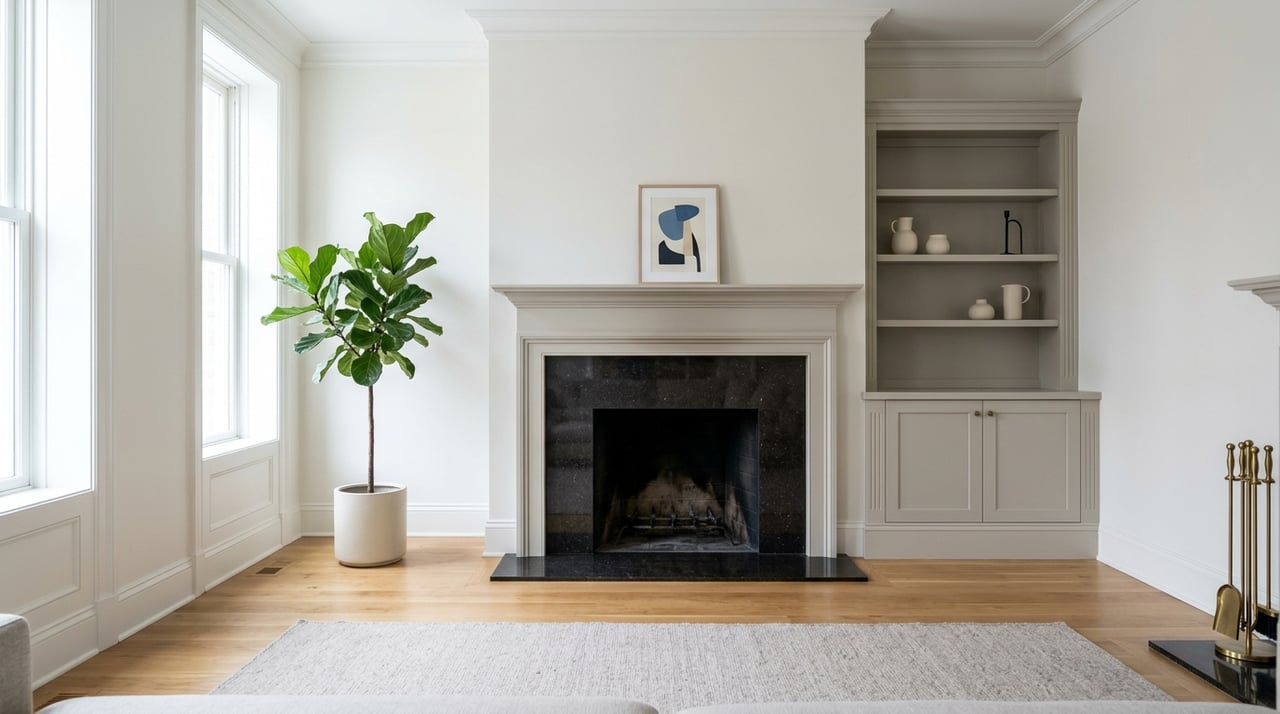
- Honor focal points. Arrange furniture to frame fireplaces, staircases, moldings, and view corridors.
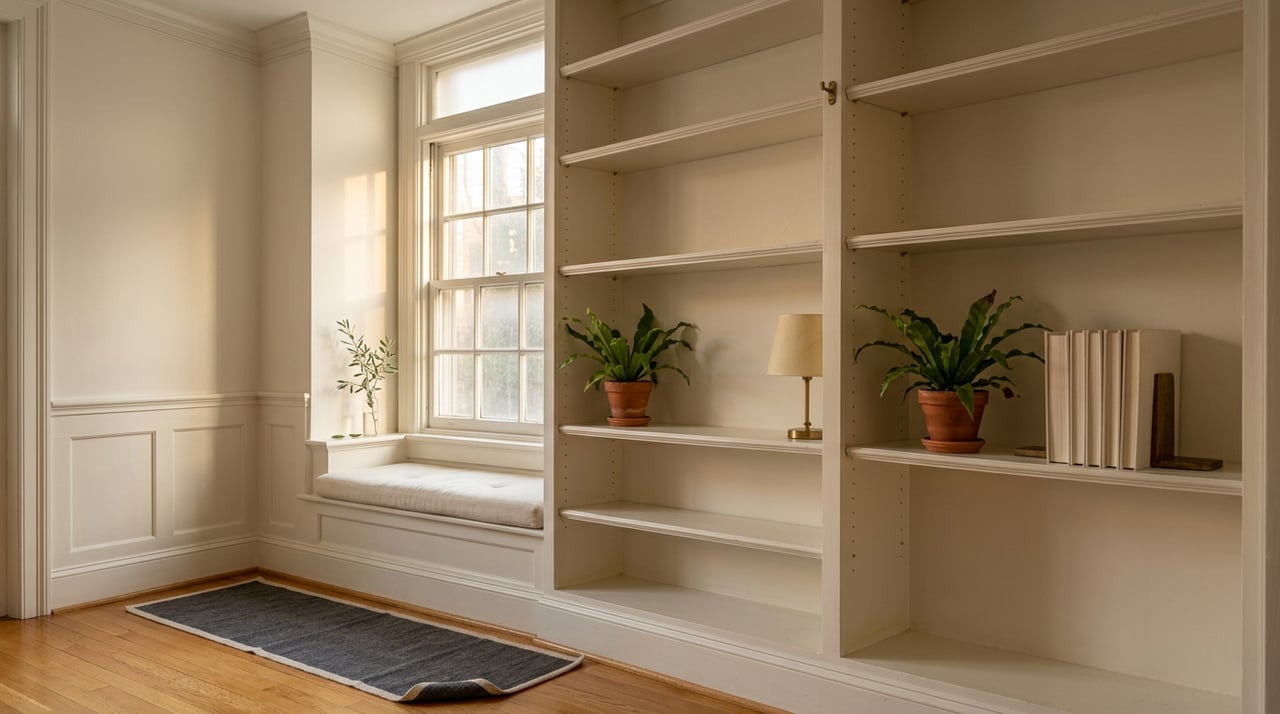
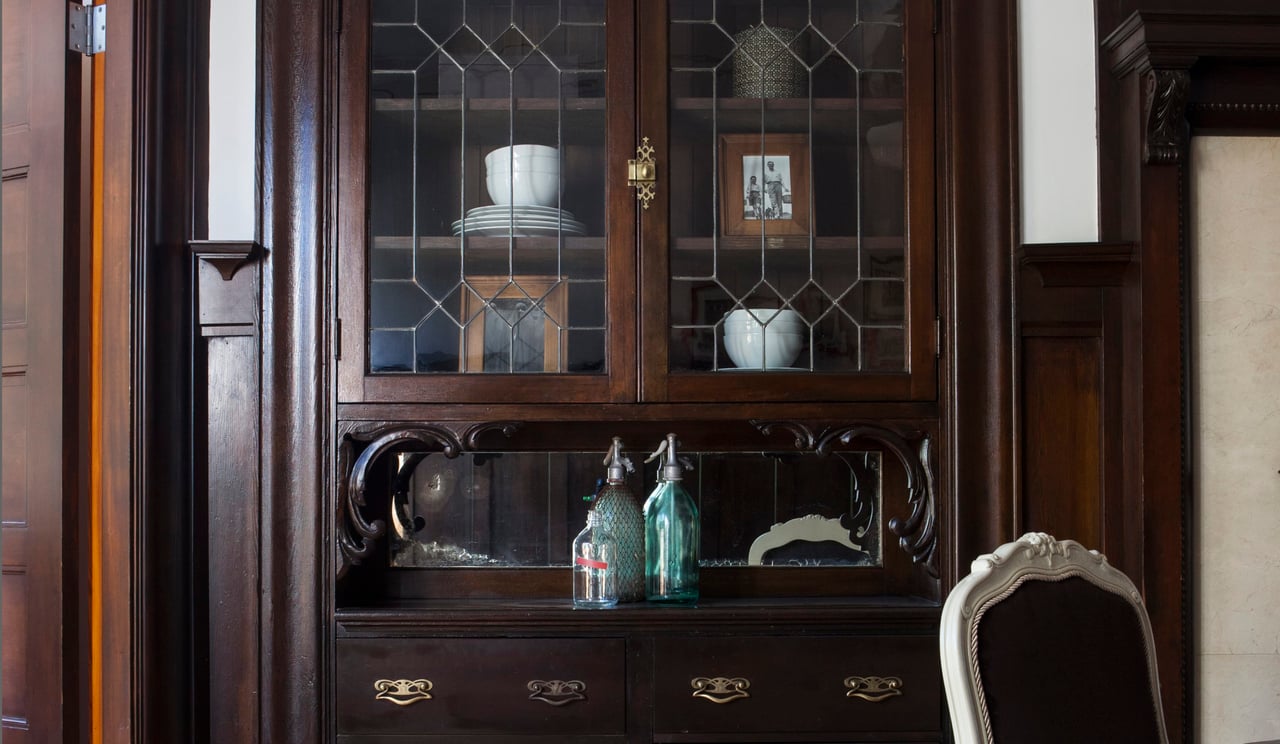
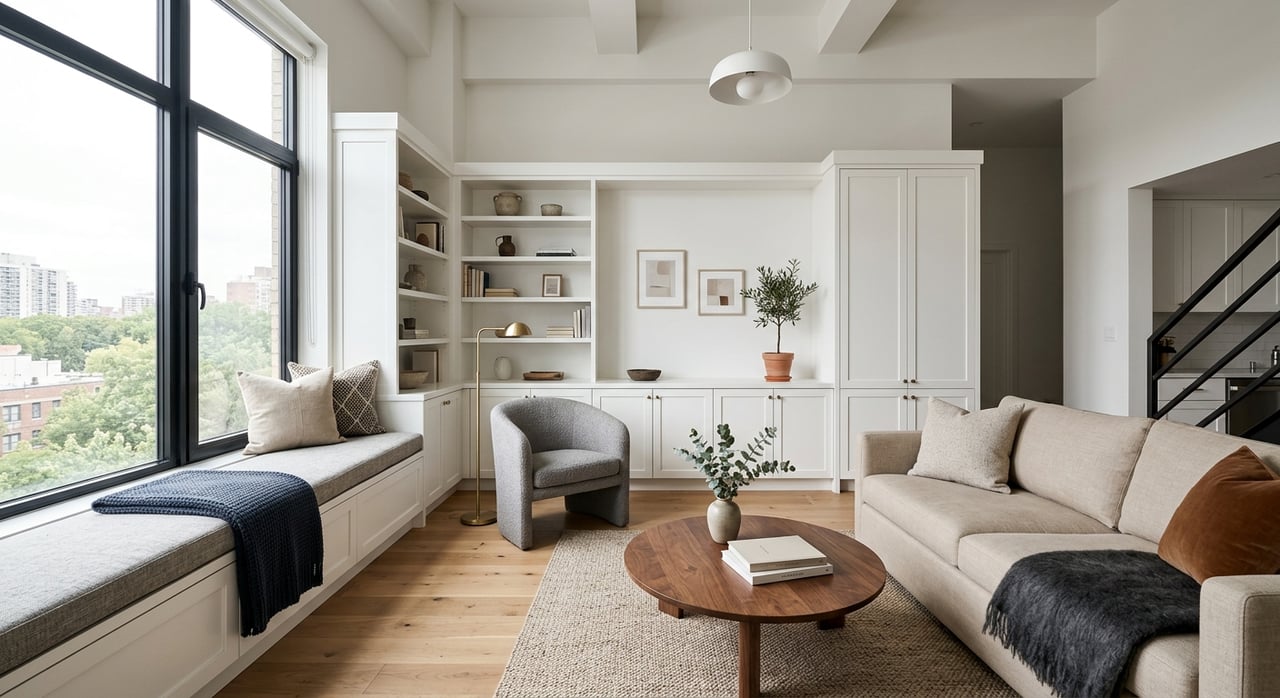
- Respect original built-ins. Style shelves lightly, keep mantels uncluttered, and let craftsmanship lead.
Lighting and windows
- Maximize natural light. Clean panes, free heavy drapery, and plan photography during the brightest times.
- Layer lighting. Use chandeliers on dimmers, table lamps for warmth, and discreet uplights to accent architectural detail.
- Update tactfully. Replace heavy or dated drapes with simple linens that complement trim without stealing attention.
Kitchens and baths that reassure
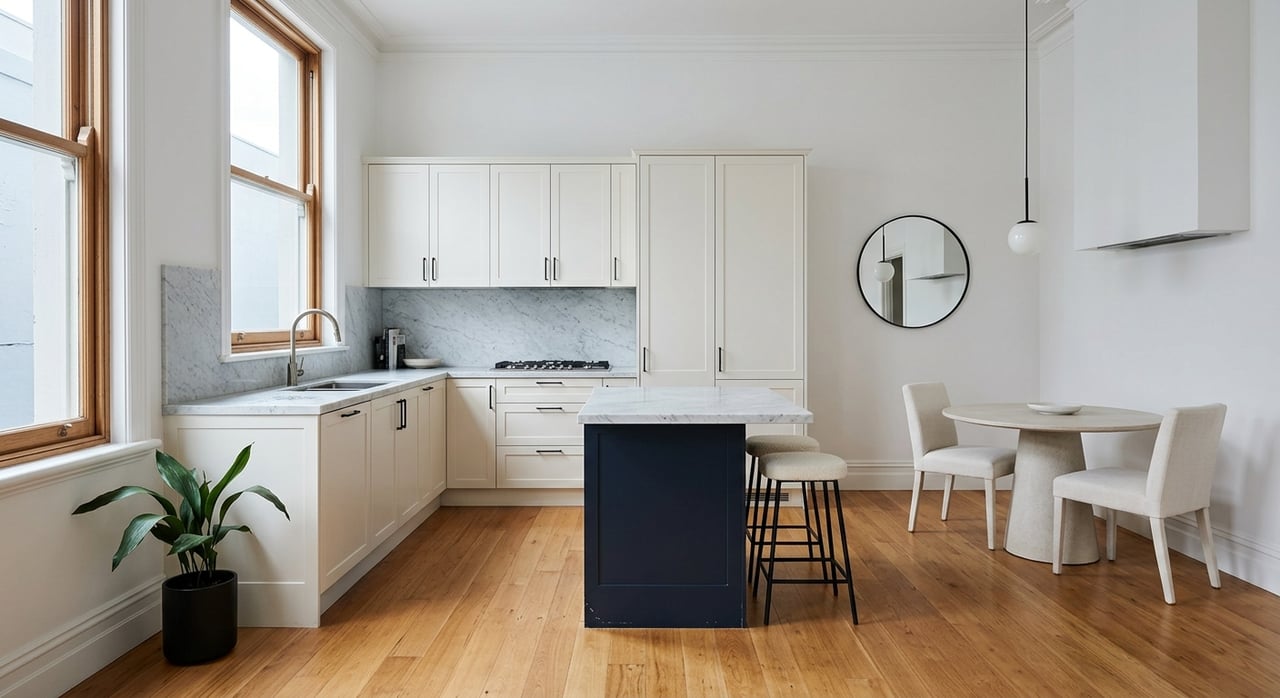
- Showcase function and finish. Emphasize clean lines, updated fixtures, and usability while preserving period elements like tile accents when present.
- Make smart cosmetic updates. Refinish cabinets, update hardware, and refresh grout. Keep counters curated with a few quality items.
Outdoor spaces and curb appeal
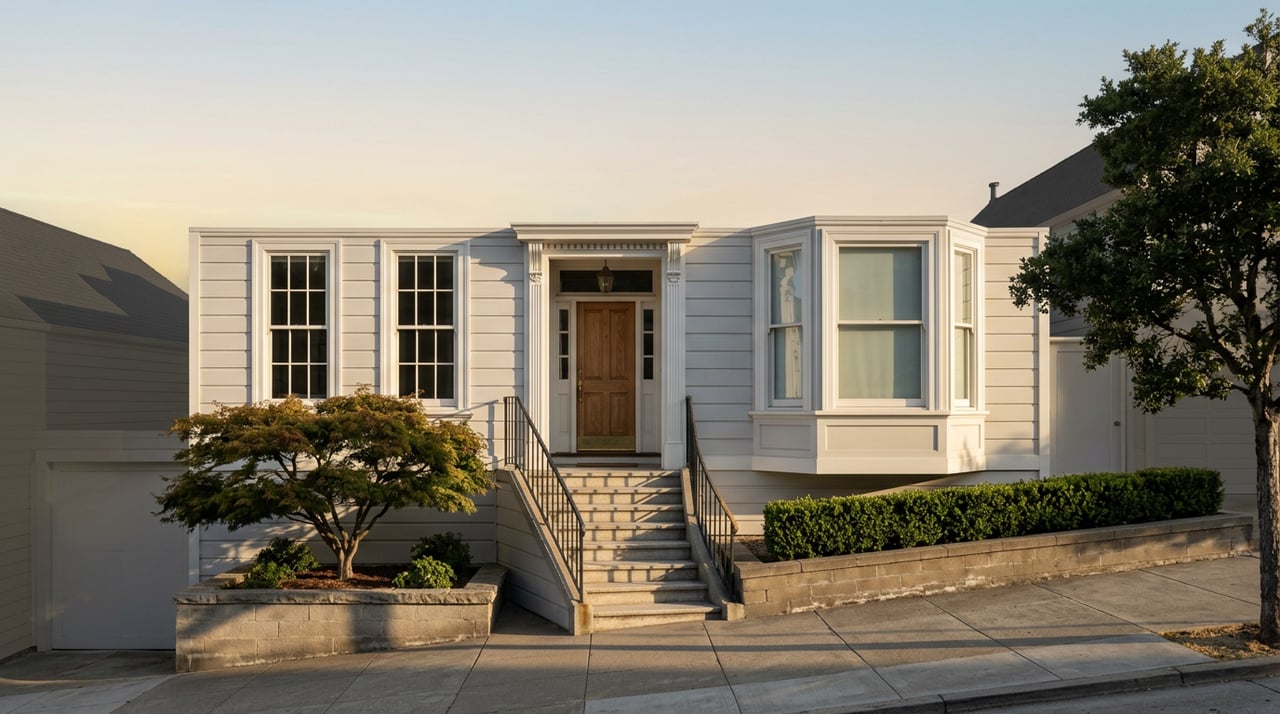
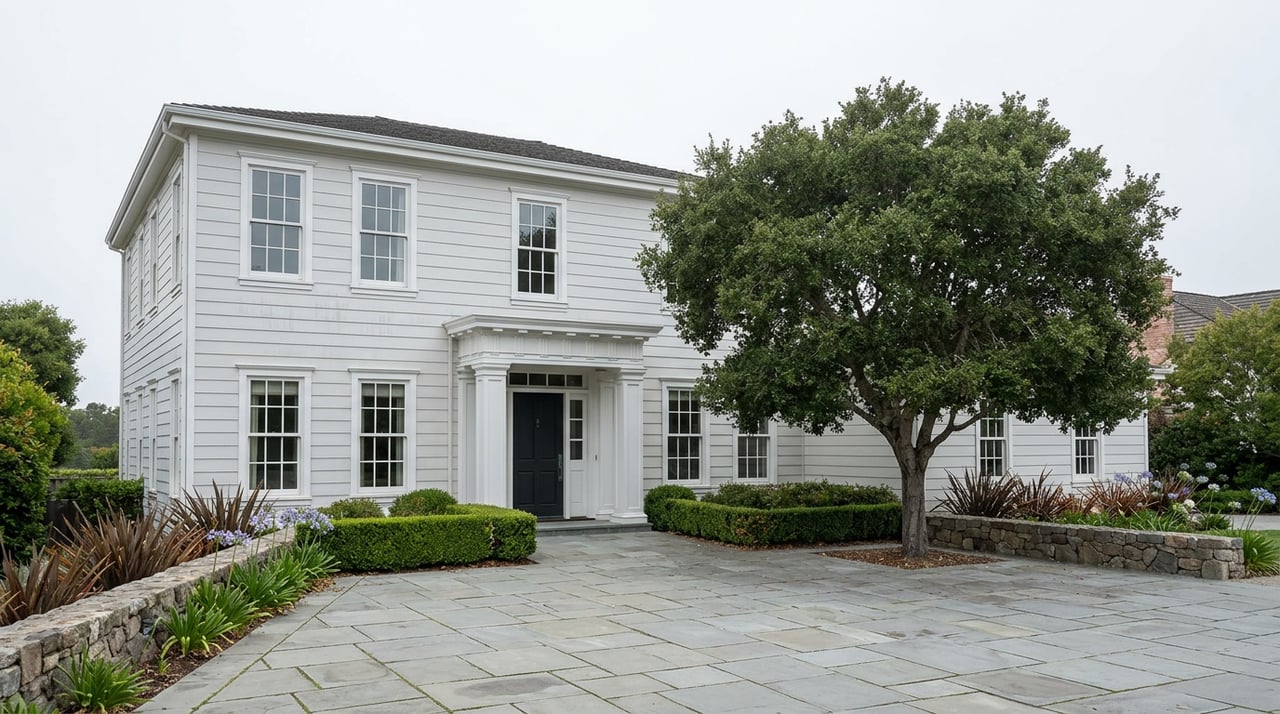
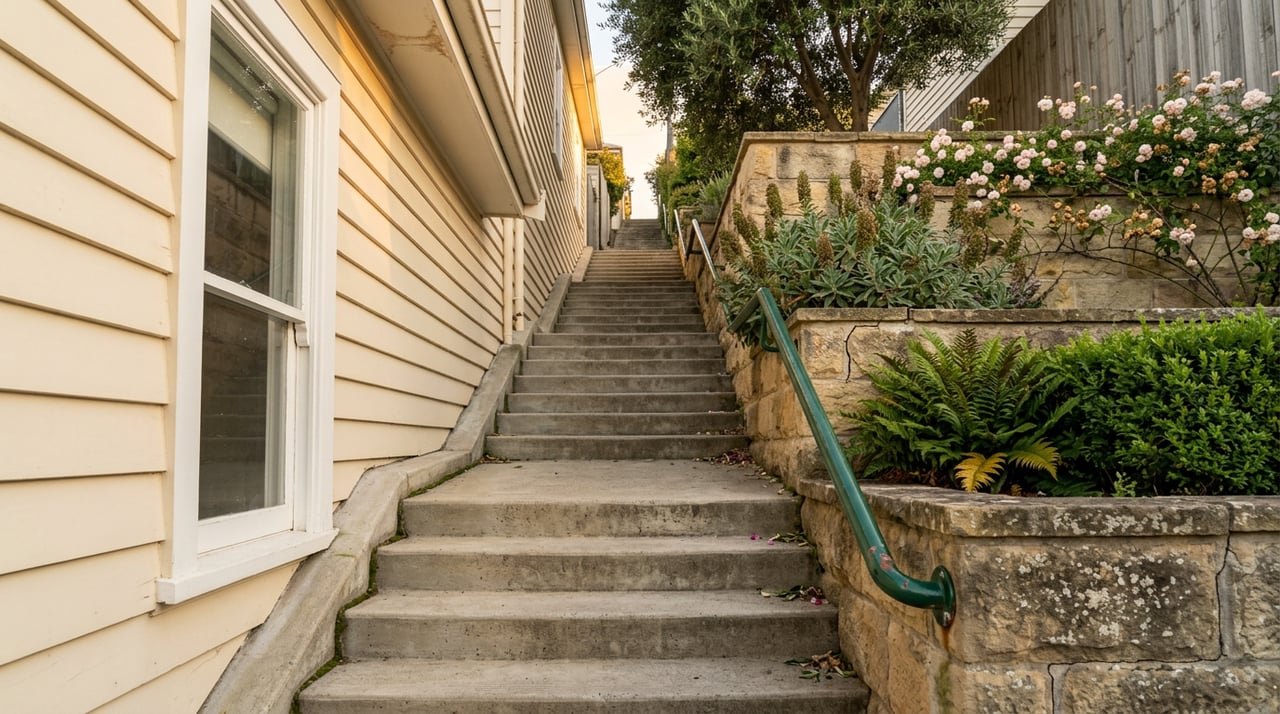
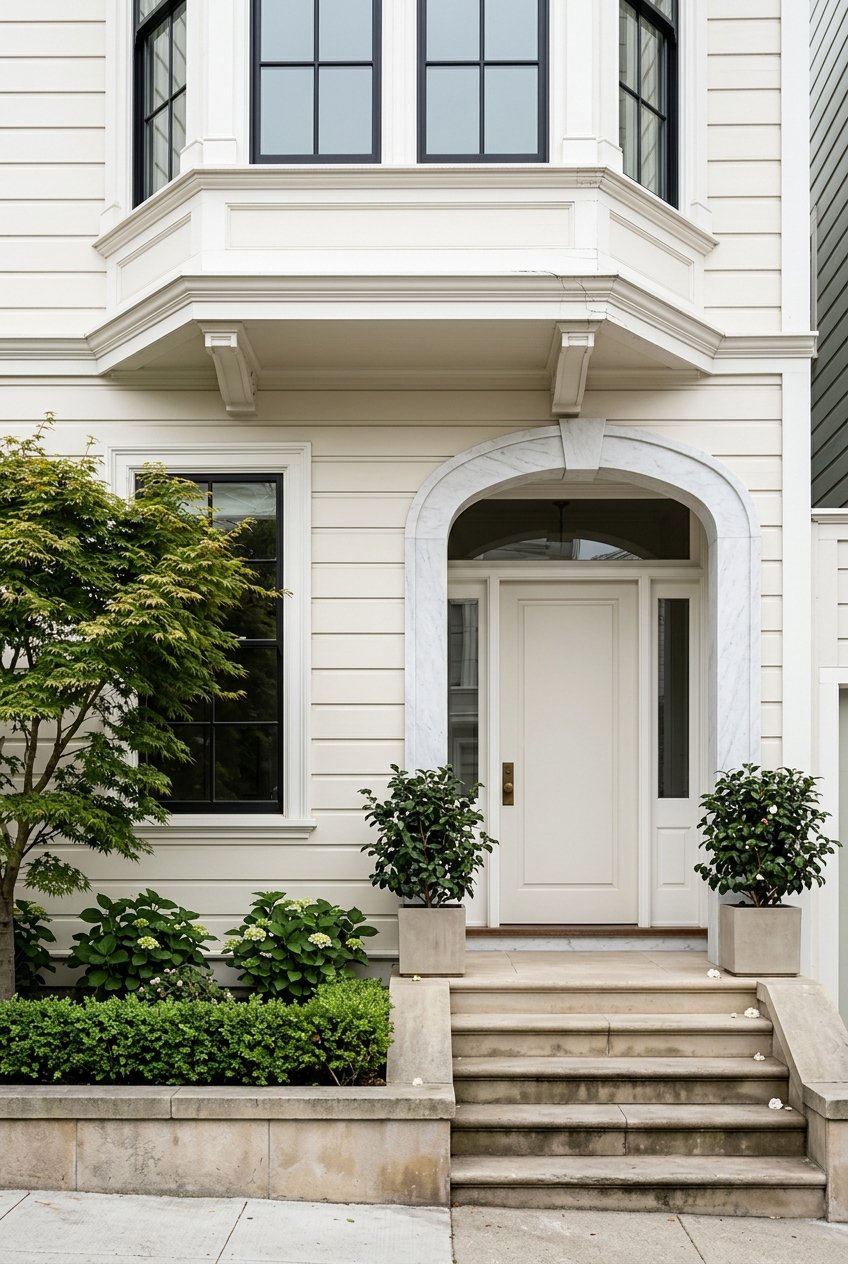
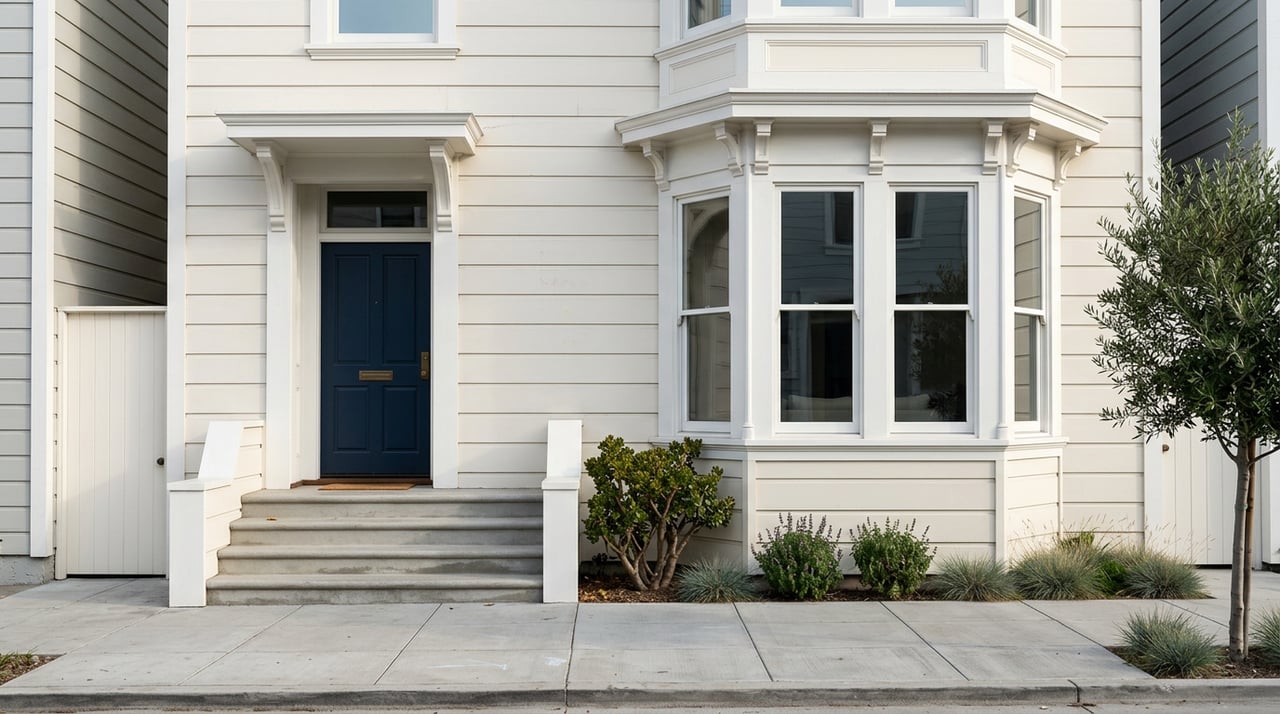
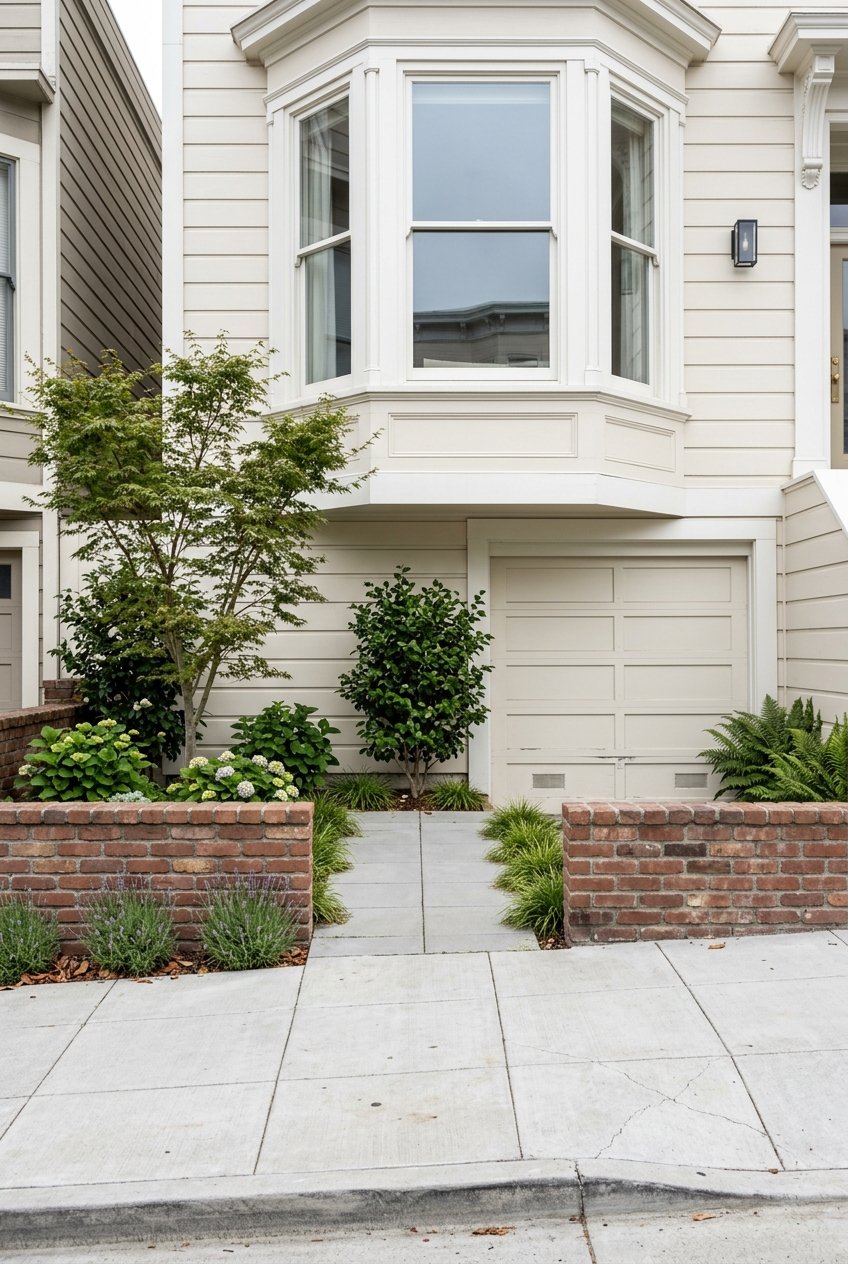
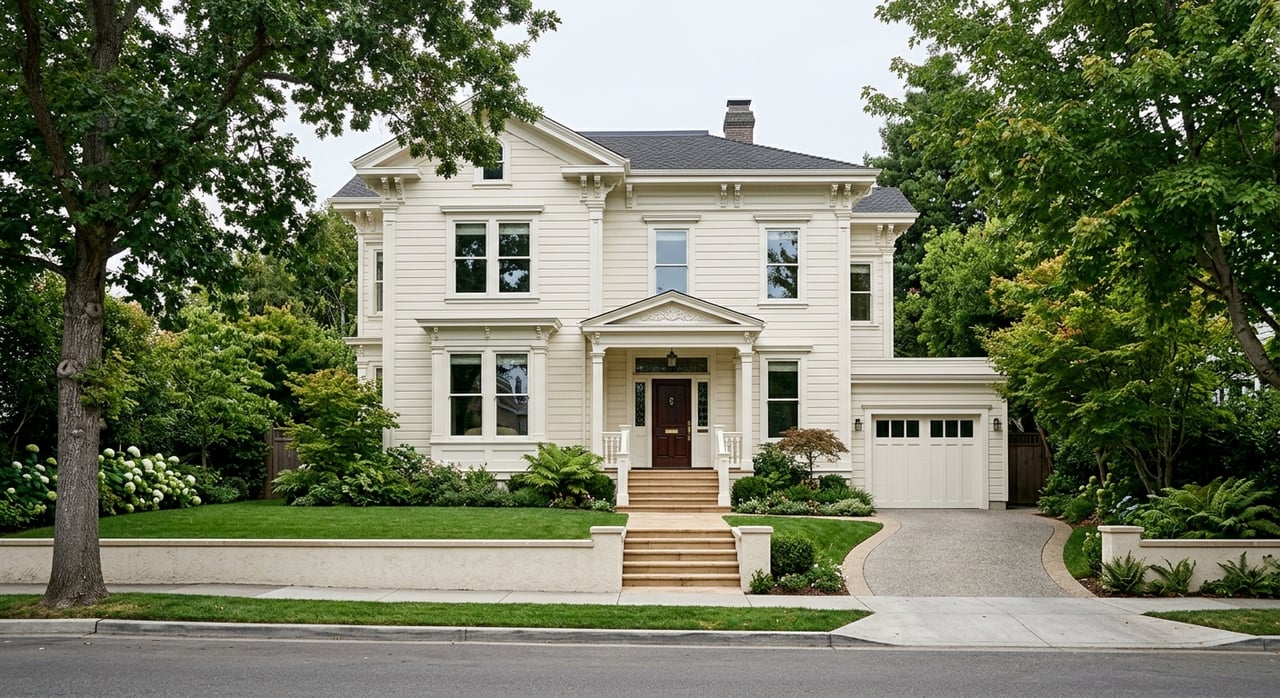
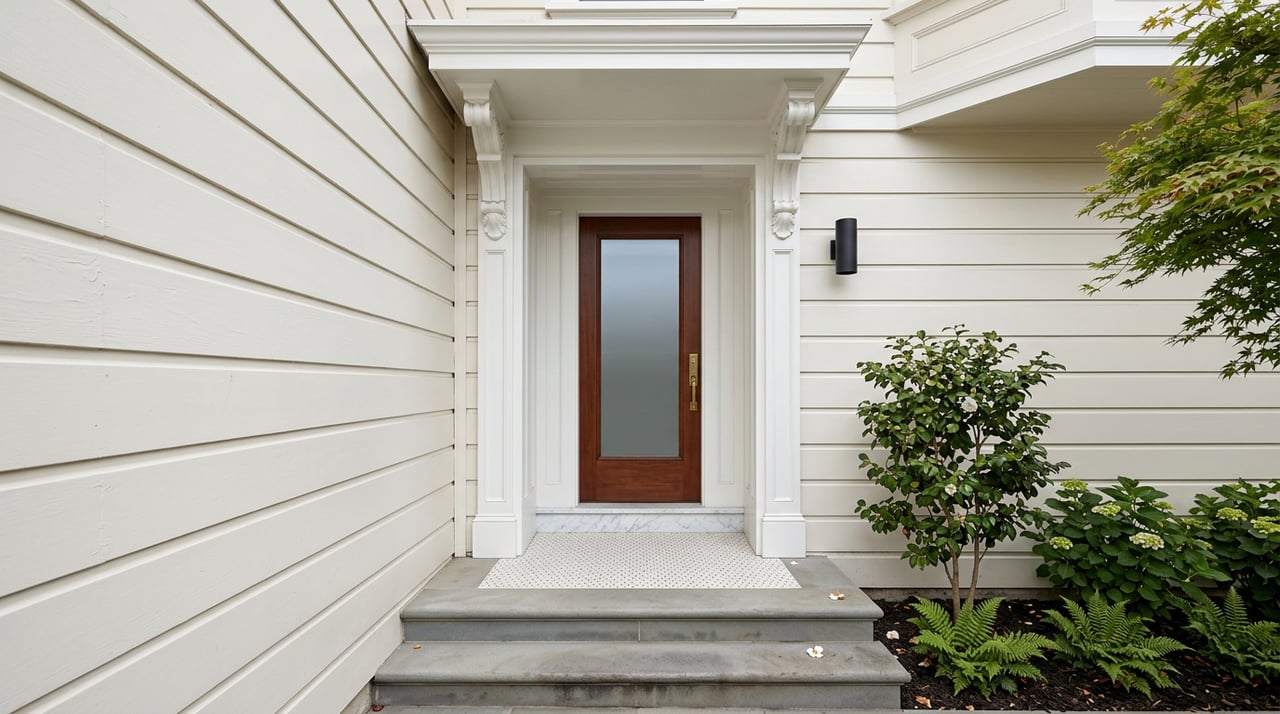
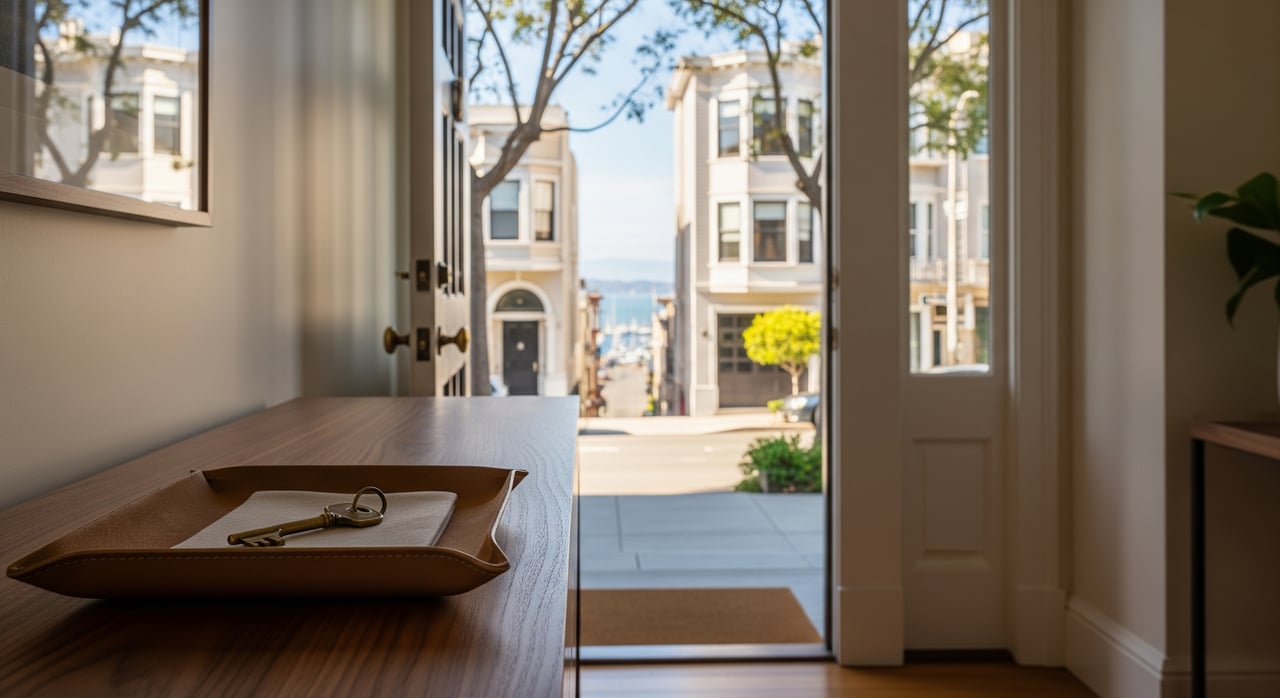
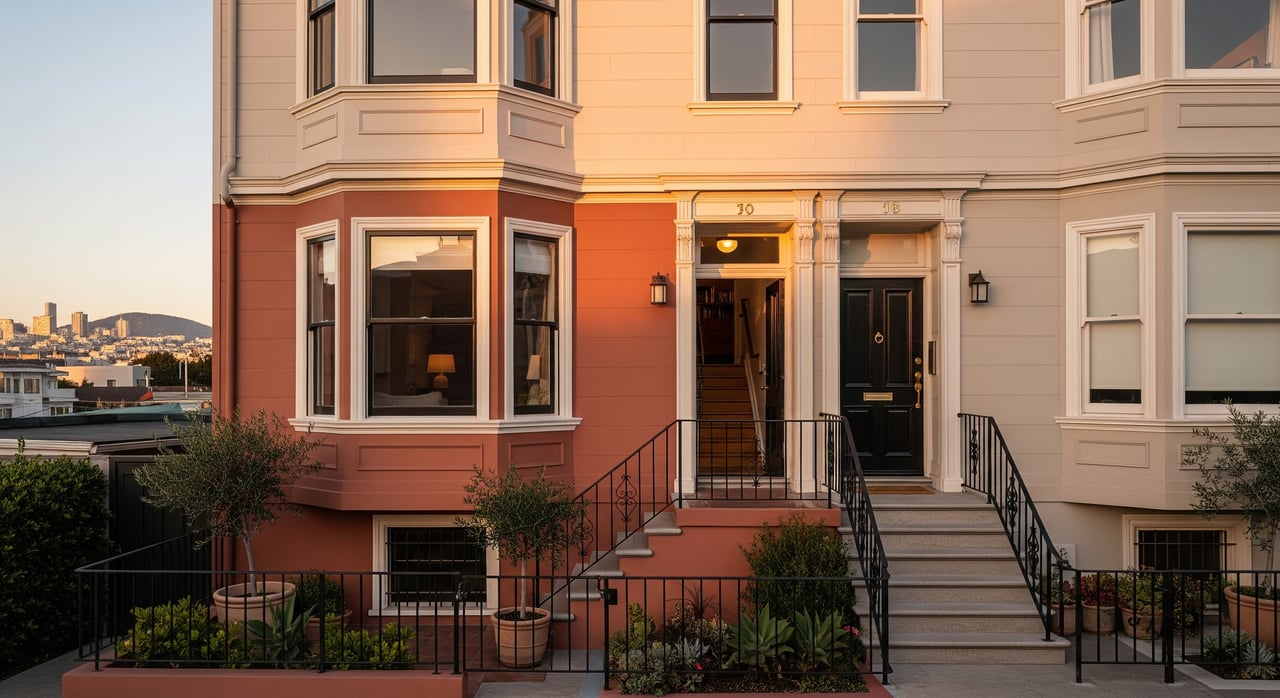
- Lead with street presence. Ensure front steps, entry, and garden areas feel cared for. Add planters and a clean, simple doormat.
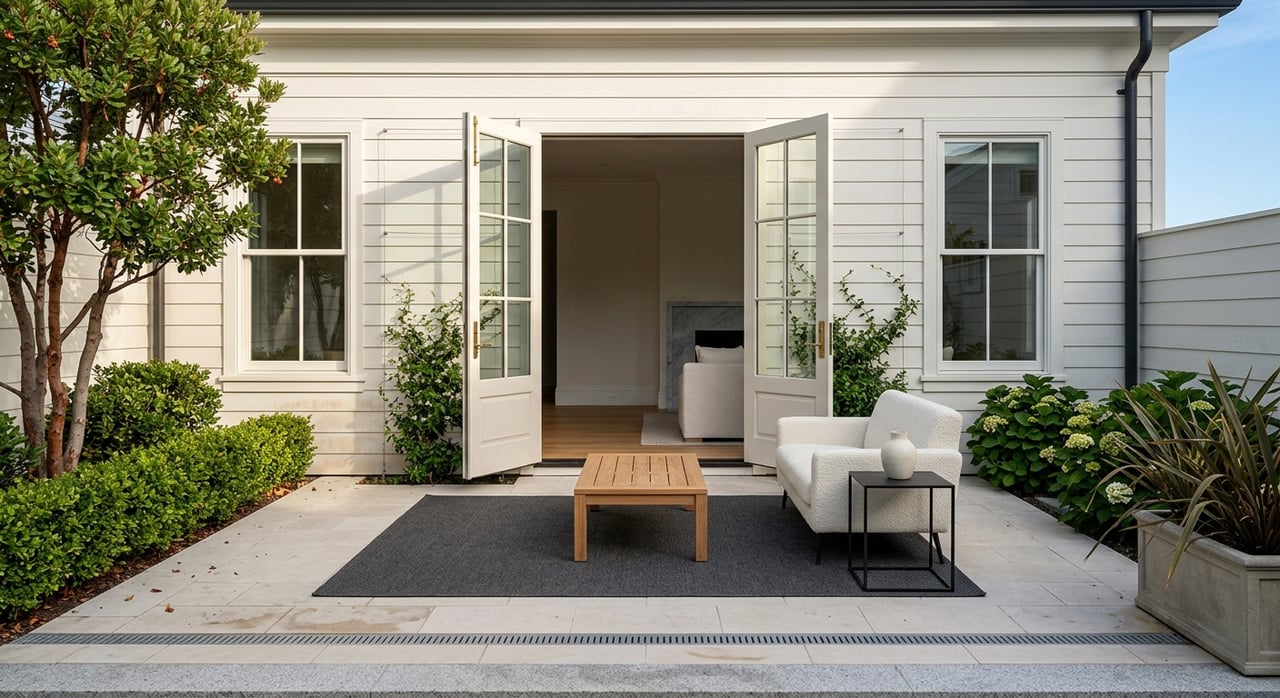
- Stage the view. If you have bay or bridge vistas, set outdoor seating to frame the outlook and suggest daily use.
Staging formats and budget drivers
Your approach should match your timeline, occupancy, and the home’s scale. A luxury historic property often benefits from specialized sourcing and a cohesive design plan.
Choose the right approach
- Consultation only. A stager advises on paint, layout, and edits. Best if you will live in the home during showings and want maximum use of your own furnishings.
- Partial or occupied staging. Add high-impact pieces in key rooms like entry, living, dining, and the primary suite. Balances cost with visual lift.
- Full staging for vacant homes. Furnish the property to photograph and show at its best. Delivers the highest impact for mansion-scale spaces.
- Virtual staging. Digital furniture can help online marketing but must be disclosed per listing rules. It does not replace in-person staging for showings.
For industry best practices, review the Real Estate Staging Association resources and consult your stager on what fits your property.
What influences the budget
- Square footage and room count. Large floor plates require more pieces and custom-fit rugs, art, and lighting.
- Period-appropriate sourcing. Historic homes often need tailored furniture or select antiques to match scale and character.
- Rental duration and logistics. Delivery and installation on San Francisco streets may require permits or extra staffing. Protect high-value items with proper insurance.
- Photography goals. If you plan a full lifestyle shoot with twilight and drone assets, factor in coordination and access.
Vendor logistics and insurance
- Street and permit planning. Large delivery trucks may need coordinated parking. Confirm any historic district limits with the Planning Department’s Historic Preservation guidance and address permit records through the Department of Building Inspection.
- Insurance coverage. Ensure the stager and movers carry appropriate insurance for antiques and rented pieces. Ask for certificates before install.
Photography and digital presentation
Grand homes deserve a visual plan that captures scale, craftsmanship, and light. Quality production helps buyers feel the home before they arrive.
Must-have visuals for grand homes
- High-resolution interior images. Use wide-angle lenses with minimal distortion and careful exposure to balance bright windows and detailed interiors.
- Twilight exteriors. Showcase façade lighting and view glow to convey mood and street presence.
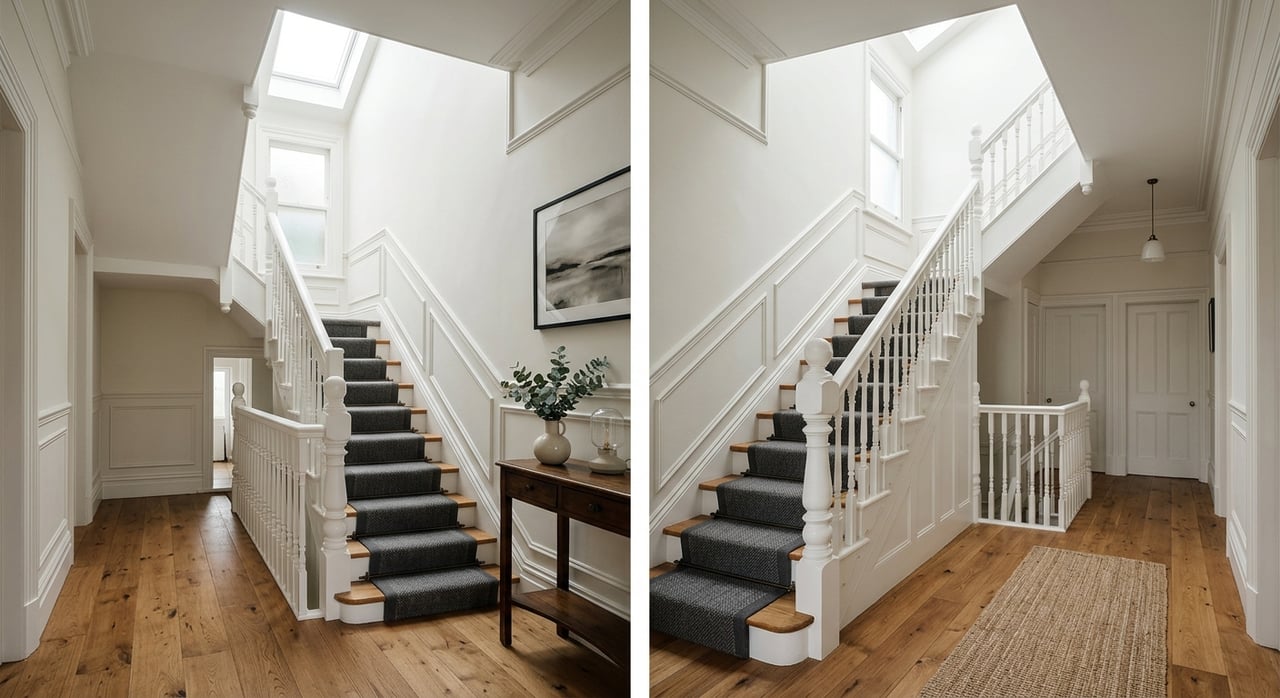
- Detail vignettes. Capture stair balusters, ceiling medallions, fireplace surrounds, and restored floors to highlight craftsmanship.
Floor plans and virtual tours
- Provide clear floor plans. Buyers of large homes expect room dimensions and logical flow diagrams that are easy to print and review.
- Offer 3D walkthroughs. Platforms like Matterport help remote and international buyers understand sightlines and scale.
Drone and compliance
- Use aerials when views and rooflines warrant it. Confirm your photographer complies with FAA Part 107 commercial requirements and any local airspace rules.
A strategic shot list
- Exterior approach and entry sequence.
- Main entertaining path from parlor to dining to kitchen to outdoor space.
- Primary suite and any signature rooms, such as a library or conservatory.
- Key viewpoints that show room relationships and views, like a parlor sightline to the bay or a staircase rising to a windowed landing.
Showing strategy and privacy
Luxury buyers often prefer private, by-appointment tours. Consider a broker open for agent networks, followed by curated, escorted showings for vetted buyers. Remove or secure valuables, control access through an agent, and keep the home in show-ready condition. When weather allows, open windows briefly before tours to freshen the air without compromising privacy.
Pricing and market storytelling
In Pacific Heights, many properties are one of a kind. Your pricing and messaging should explain why your home is special while providing clear data.
Smart comps for unique homes
- Use comparable historic properties. Focus on homes with similar scale and architecture. Adjust for views, parking, and system upgrades.
- Include a narrative with the numbers. Present price per square foot as a reference, then explain features that justify a premium, such as restored millwork, view corridors, and documented seismic work.
How staging supports price
- Reduce buyer friction. Staging shows how grand rooms can work for daily life and formal entertaining.
- Emphasize move-in readiness. Paired with inspection records and permit history, staging builds confidence. For buyer behavior insights, review NAR’s research hub.
Marketing channels and timing
- Tap agent networks. Use broker relationships and high-quality assets to reach qualified buyers.
- Launch with intention. Consider a brief pre-market preview to build interest, followed by a full release with twilight imagery and 3D tour.
- Consider global reach. When relevant, include international exposure through luxury brokerage channels to reach buyers abroad.
Seller timeline checklist
8 to 12 weeks out
- Order inspections for roof, seismic, HVAC, and plumbing as needed.
- Pull permit history and compile recent work records through the Department of Building Inspection.
- Hire a stager for a consultation and book painter or carpenter for priority fixes.
- Declutter, inventory personal items, and arrange off-site storage.
2 to 4 weeks out
- Complete cosmetic updates and a landscape refresh.
- Finalize the staging plan and schedule deliveries. Confirm parking or permit needs with your installer.
- Contract the photographer and set the shoot for optimal light.
- Draft floor plans and a concise features sheet highlighting unique elements and documented improvements.
1 week out and shoot day
- Walk every room. Beds made, surfaces curated, cords hidden, lights working.
- Stage for the camera. Plan the photo flow from entry to primary living spaces to view moments and outdoor areas.
- Prepare a secure area for valuables and keys.
During the listing
- Favor private, escorted showings for qualified buyers.
- Keep rooms photo-perfect. Maintain fresh flowers, adjust lighting, and reset staging between tours.
- Track feedback and adapt. Small tweaks to lighting, art, or furniture placement can improve flow.
Common buyer concerns and fixes
- Rooms feel too formal. Stage one or two relaxed vignettes, such as a breakfast nook or reading corner, to show versatility.
- Layout seems chopped up. Use neutral paint, larger rugs, and streamlined furniture to clarify circulation and scale.
- Worry about seismic safety. Provide inspection reports and documentation of any seismic or structural upgrades. Keep mechanical areas tidy and accessible.
- Limited parking. Highlight garage capacity if present and emphasize walkability and nearby conveniences where appropriate.
Work with a design-led advisor
Staging a grand Pacific Heights home is a craft. You want someone who can protect its history, elevate its presentation, and distribute the story to the right buyers. With formal design training and deep neighborhood expertise, I bring a design-first approach to staging, photography, pricing, and strategic launch. If you are considering a sale, let’s create a plan that honors your home and maximizes appeal. Connect with Adelaida Mejia to book an appointment or request a home valuation.
FAQs
What should I do first when selling a historic Pacific Heights home?
- Start with inspections, pull permit history, and schedule a staging consultation to prioritize safety, light cosmetic updates, and a clear plan for presentation.
Do I need permits for staging or photography in San Francisco?
- Staging inside the home typically does not require permits, but large delivery trucks may need coordinated parking and historic exteriors may have rules; confirm with the Planning Department’s Historic Preservation team and check records at the Department of Building Inspection.
Is virtual staging enough for a luxury listing?
- Virtual staging can help online marketing, but luxury buyers expect in-person staging for showings; disclose any virtual edits and use real furniture for best results.
What drives staging costs for mansion-scale homes?
- Costs depend on square footage, room count, custom sourcing for period-appropriate pieces, rental length, delivery logistics, and insurance for high-value items.
Which photos matter most for Pacific Heights mansions?
- Capture the entry sequence, primary entertaining rooms, key architectural details, floor plans, and any bay or bridge view moments; consider 3D tours via Matterport.
Can I use drone photos over my property?
- Yes, if conditions and airspace allow; ensure your photographer complies with FAA Part 107 commercial rules and local restrictions.