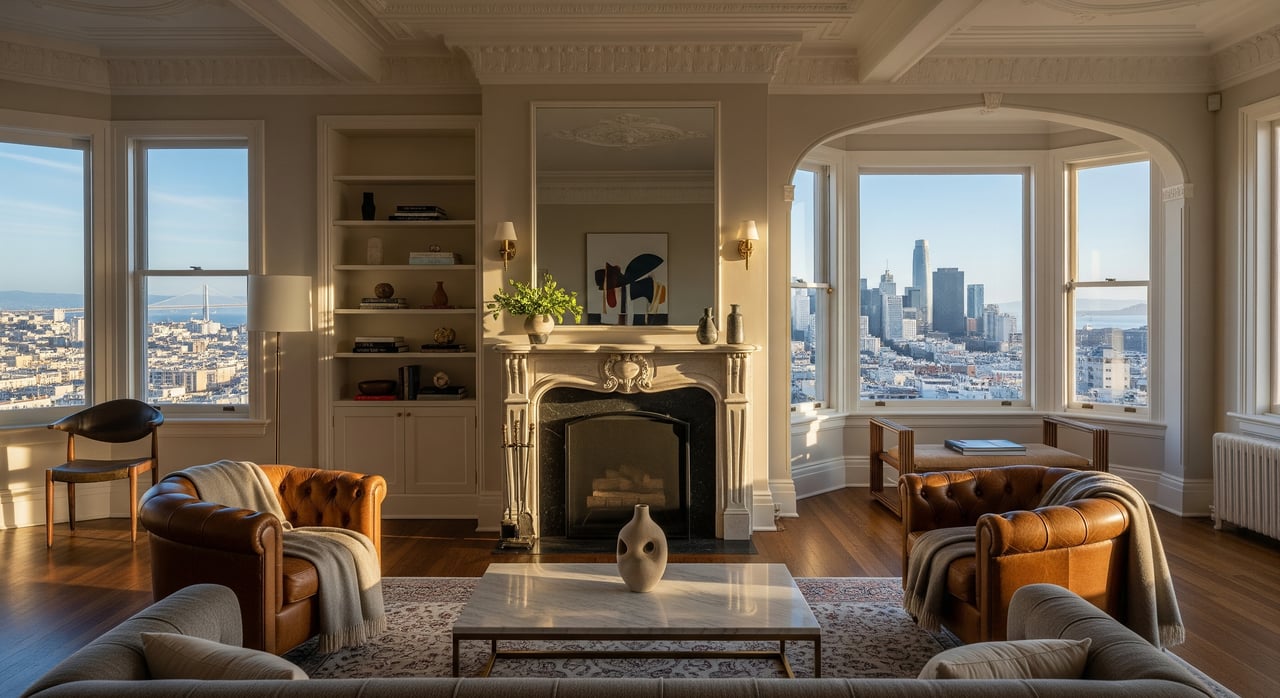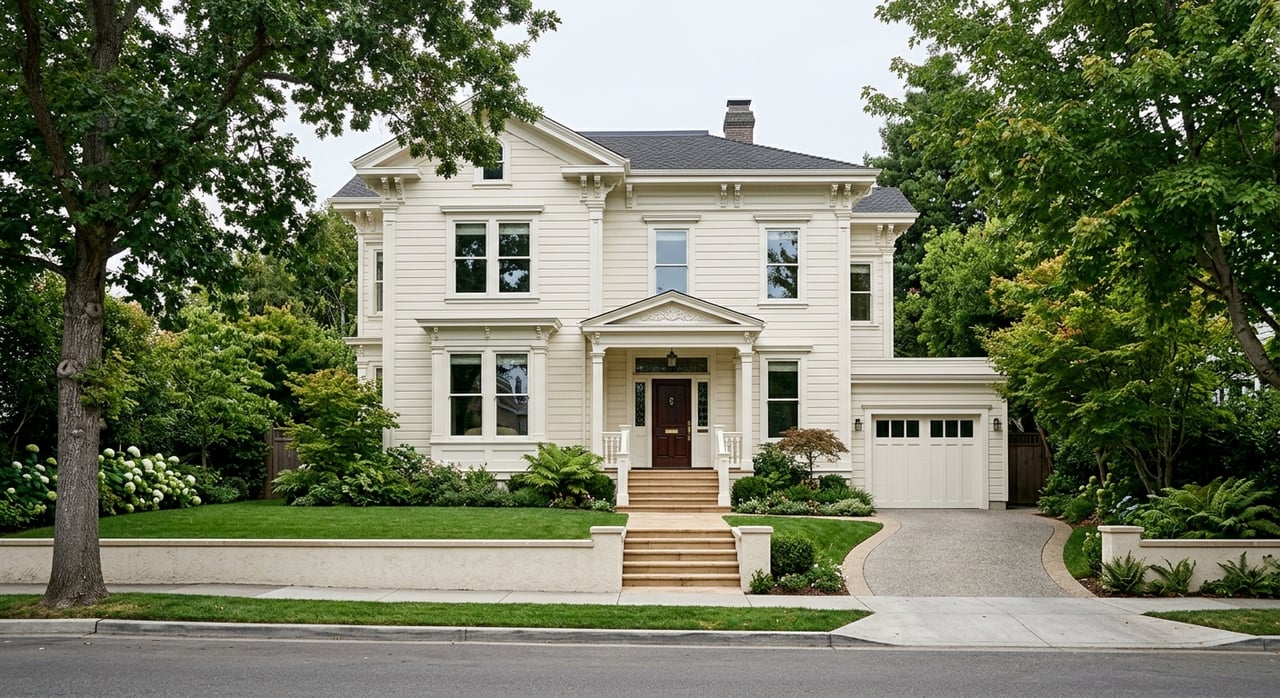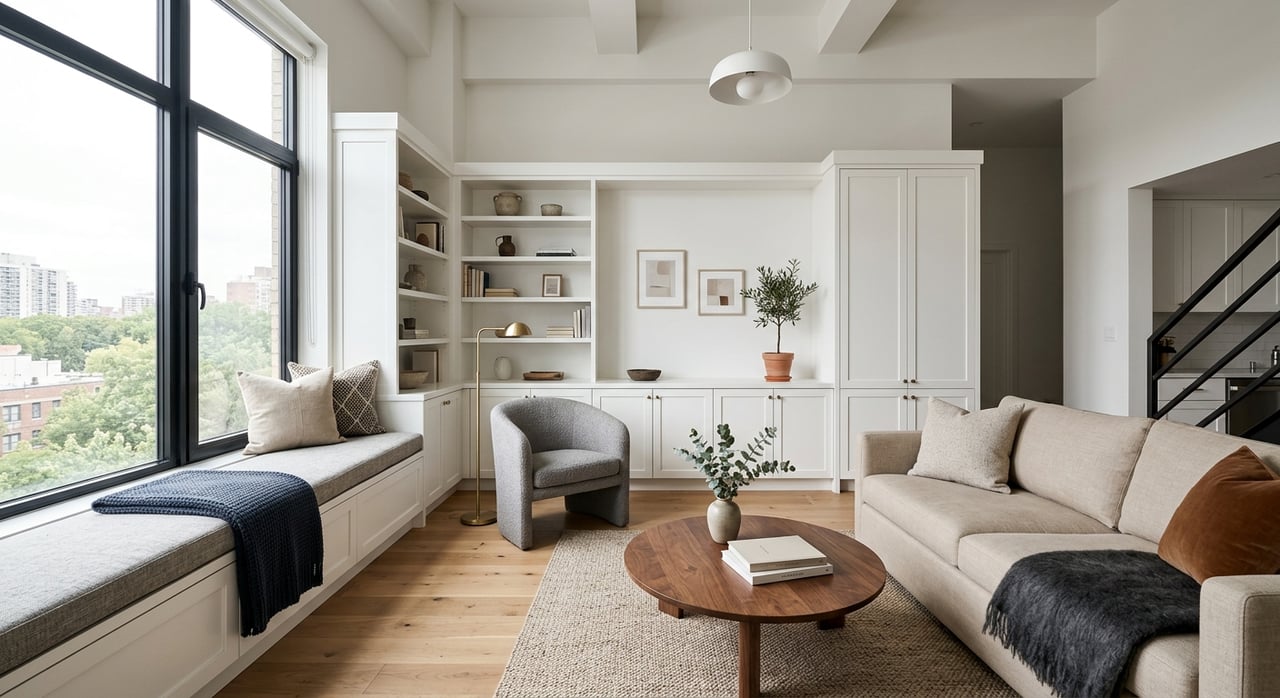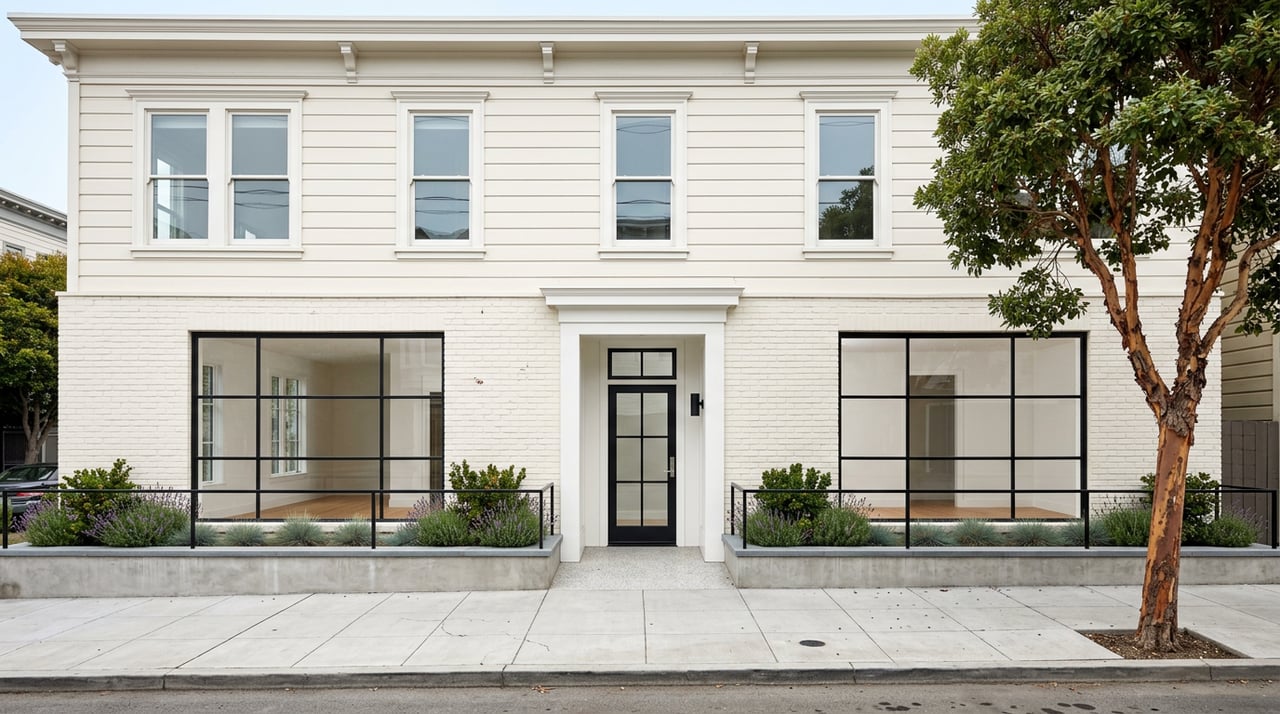
If you love San Francisco homes with character, Buena Vista is the kind of neighborhood that pulls you in fast. Between steep hillside streets, layered façades, and one of the city’s oldest parks at the center, this area offers a rare mix of architecture, landscape, and city history. If you are searching for a neighborhood that rewards a careful eye, this guide will show you what makes Buena Vista so compelling and what to notice as you explore. Let’s dive in.
Why Buena Vista Stands Out
Buena Vista is not just a neighborhood next to a park. It is a hillside setting where the natural topography and the built environment shape each other in visible ways. That gives the area a distinctly architectural feel, even before you focus on individual homes.
At the center is Buena Vista Park, which spans about 37 acres and rises to roughly 575 feet. According to the San Francisco Recreation and Park Department, it is the city’s oldest park and includes winding trails, a natural area, and one of San Francisco’s few remaining coast live oak groves.
That setting matters because the surrounding residential blocks developed around a dramatic hill rather than on a flat street grid. The result is a neighborhood where architecture often responds to slope, views, and tight lot patterns in ways that feel distinctly San Francisco.
Architectural Character Around the Park
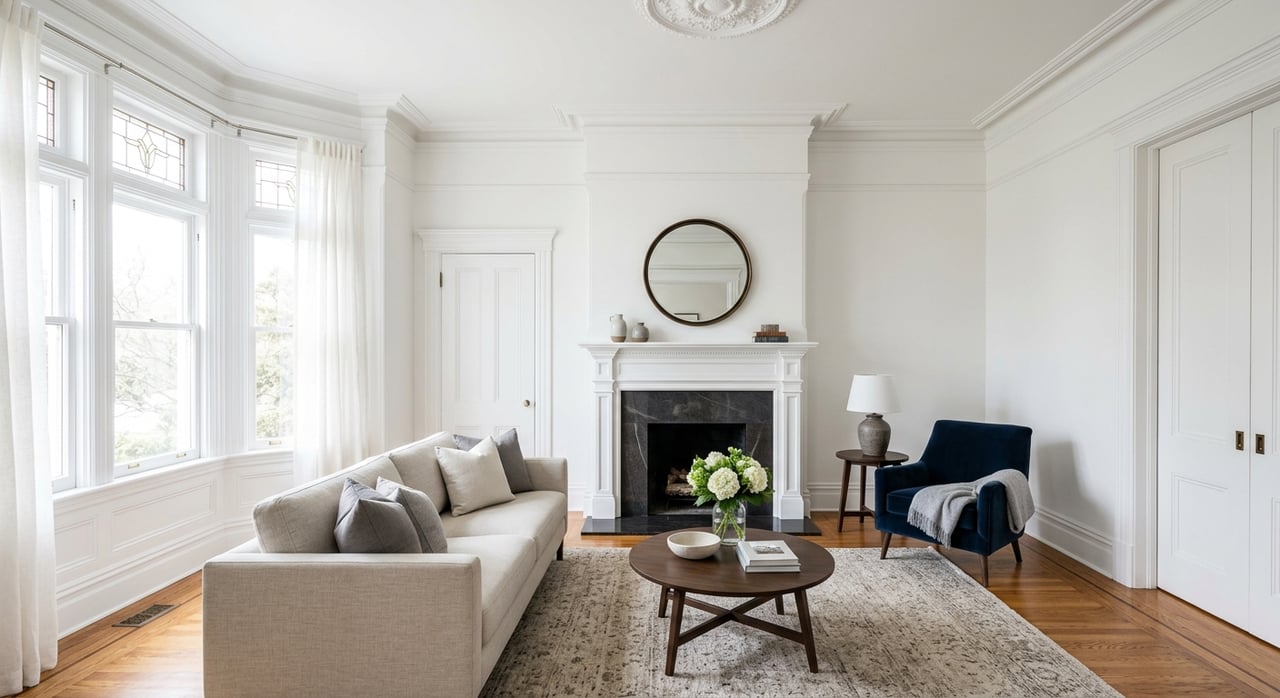
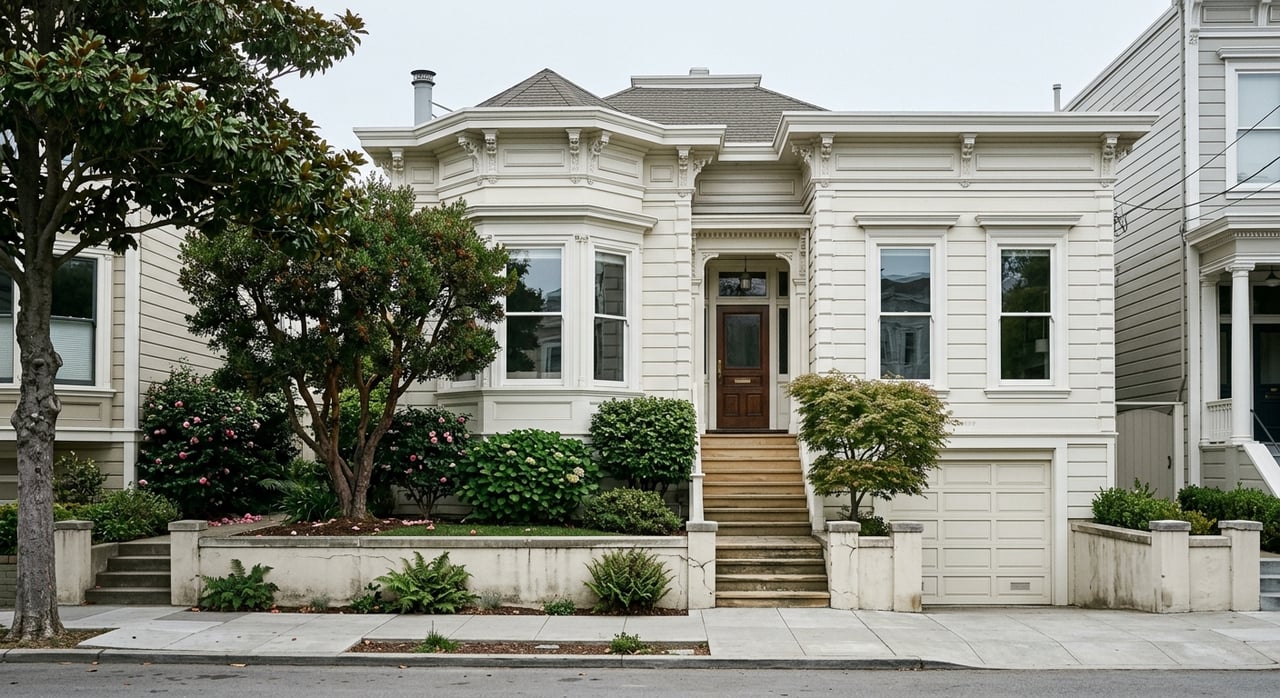
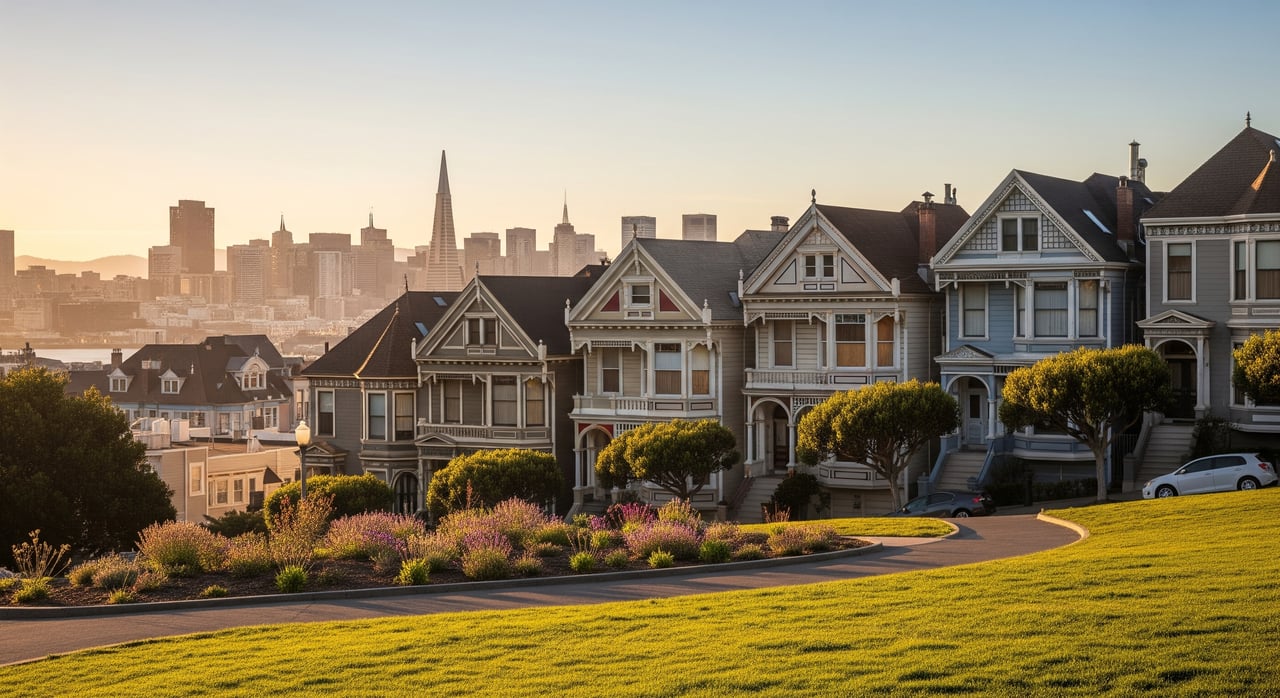
The blocks around Buena Vista Park reflect multiple building periods rather than one single style. City planning materials describe many nearby homes as late 19th- and early 20th-century residential buildings with Victorian and Edwardian character.
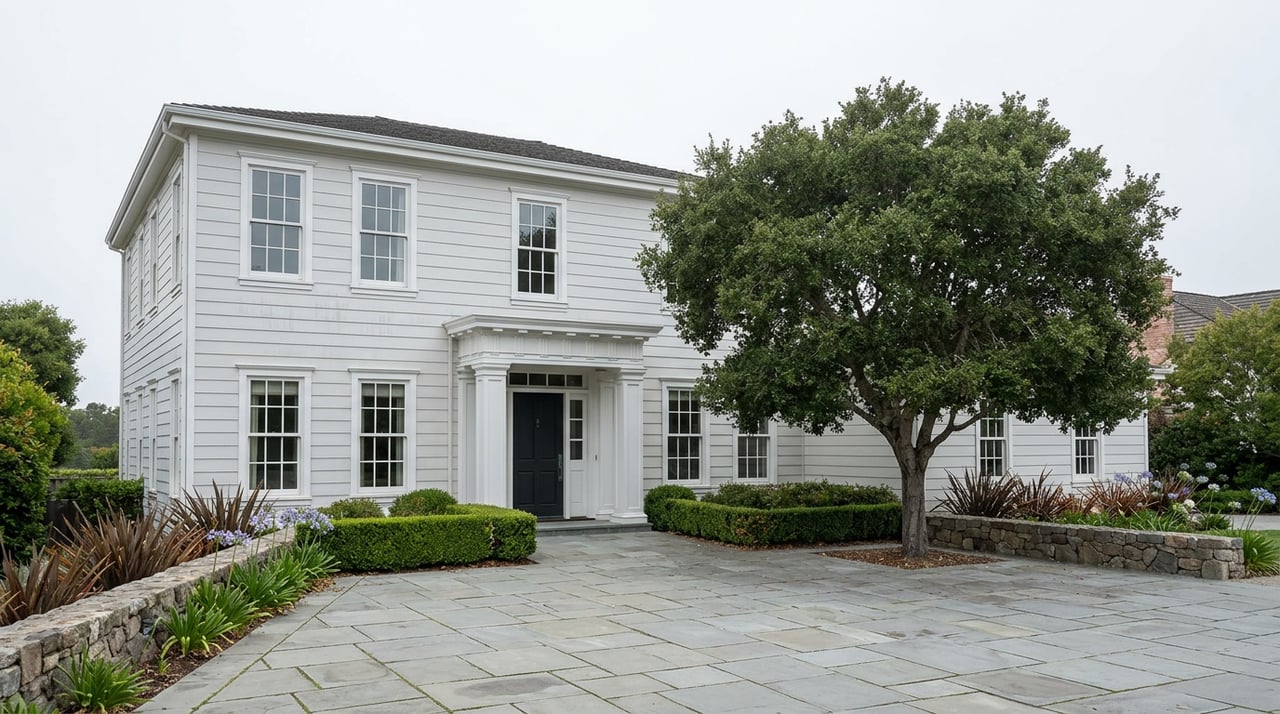
You will also find a range of styles mentioned in the same planning source, including Italianate, Stick-Eastlake, Queen Anne, Craftsman, and Edwardian. For architecture lovers, that variety is part of the appeal. Walking a few blocks can reveal changing details in rooflines, ornament, window proportions, and massing.
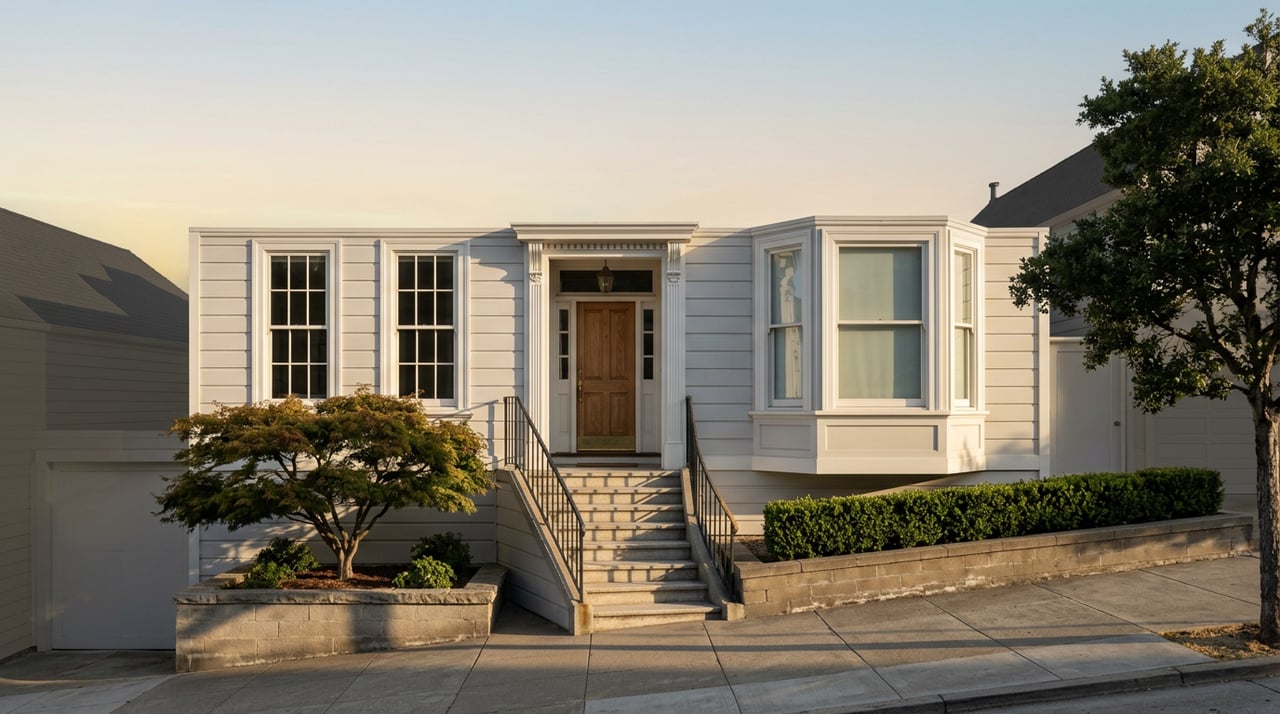
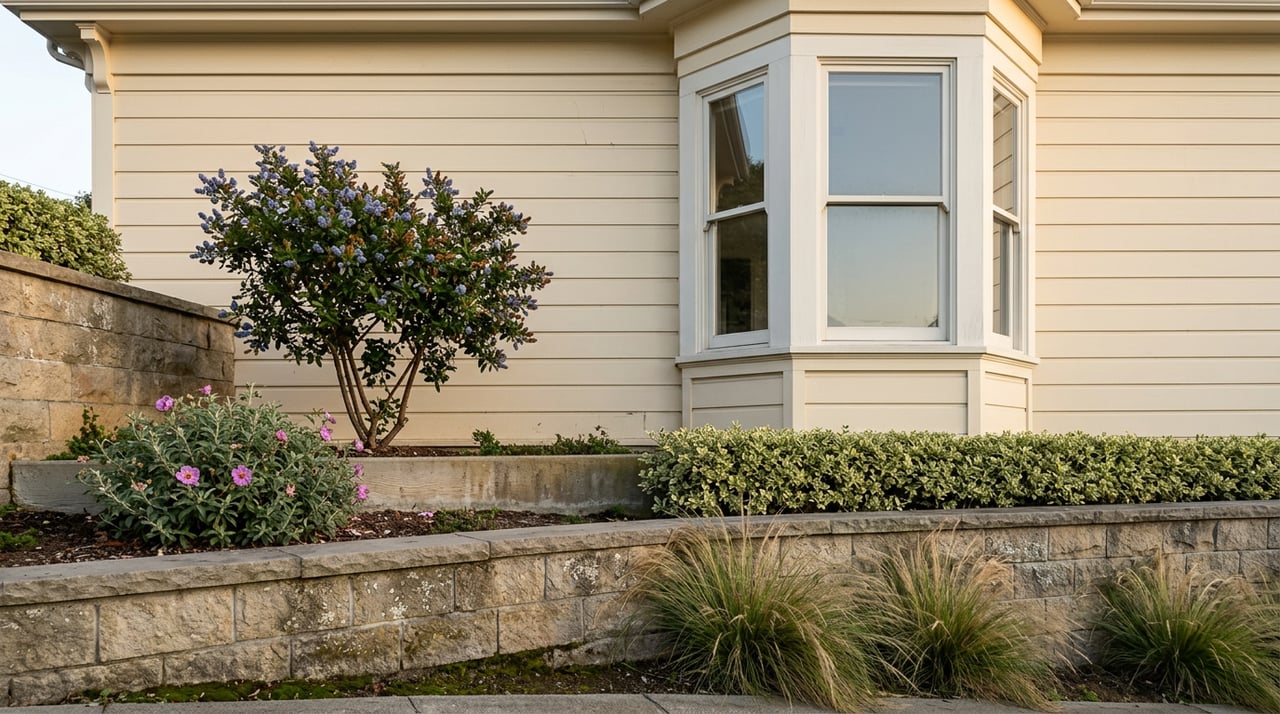
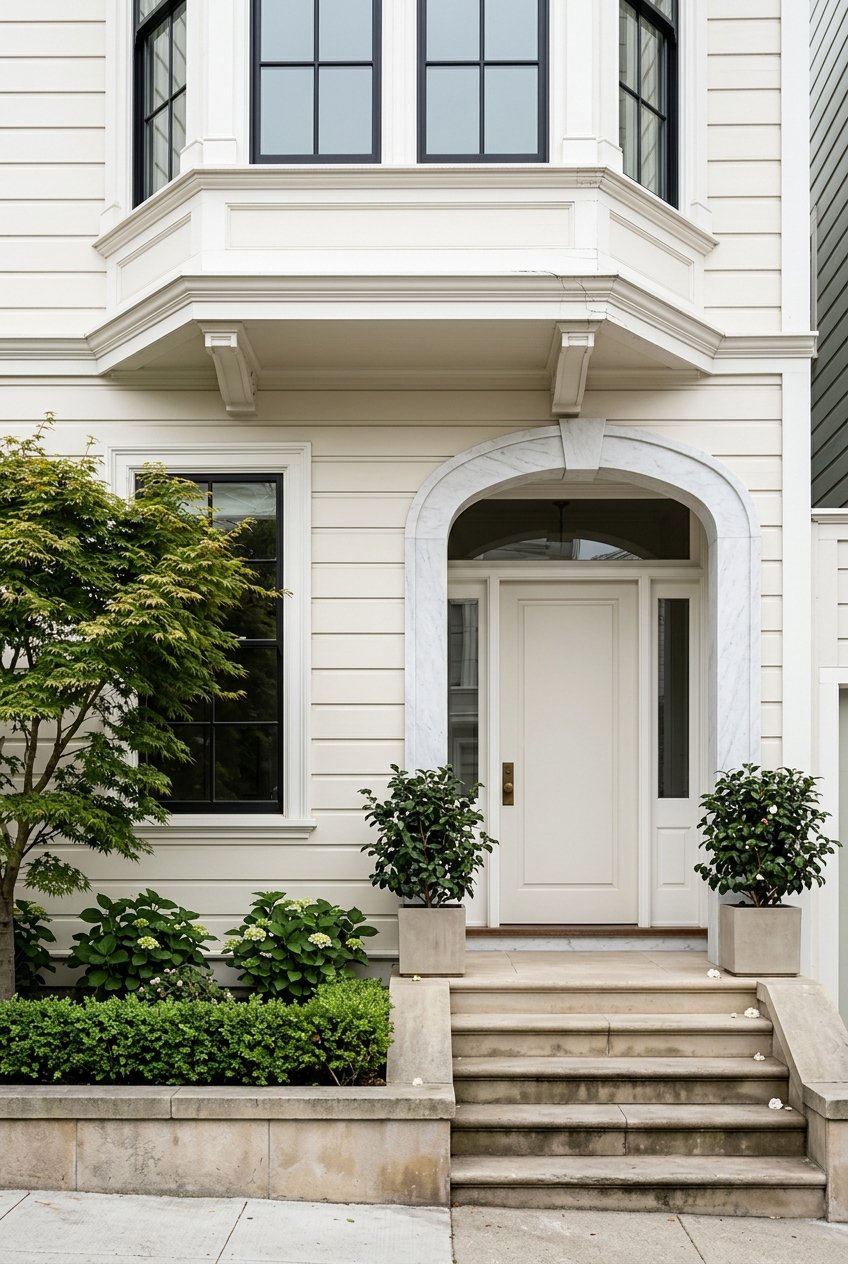
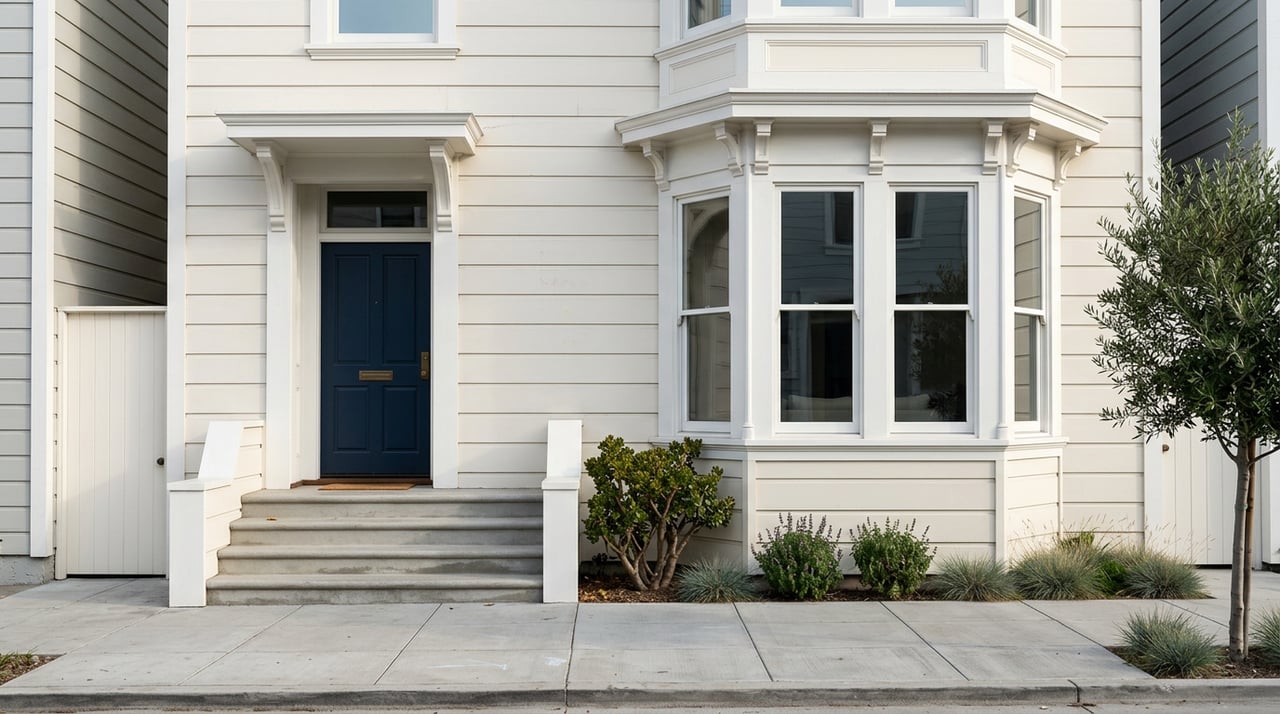
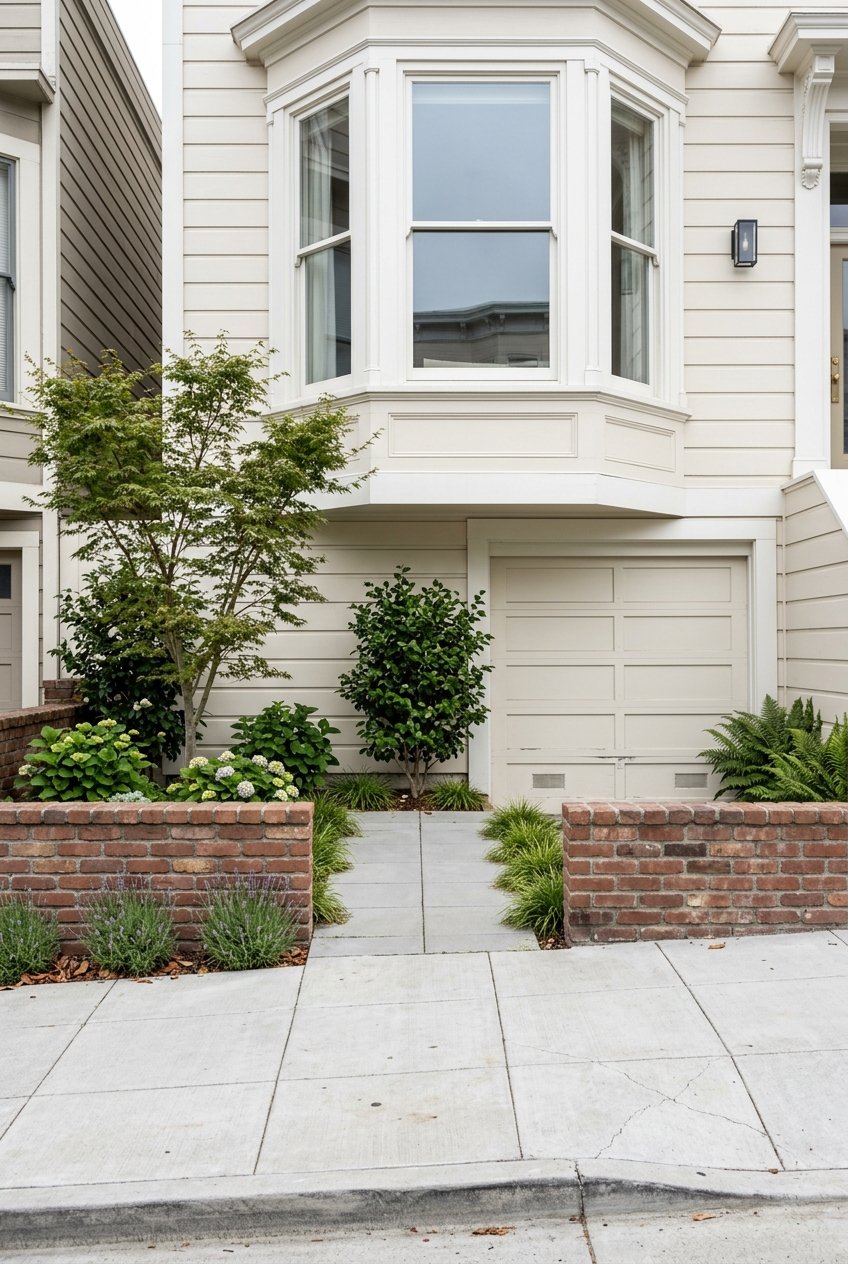
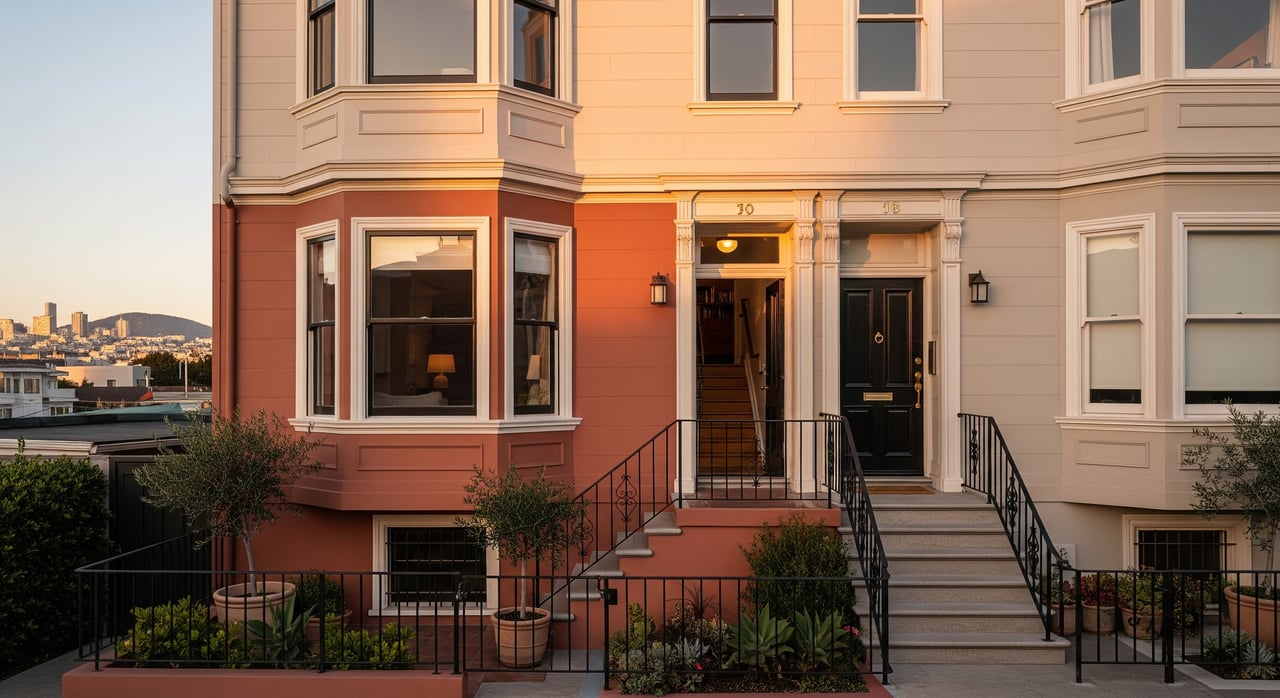
The neighborhood streetscape adds another visual layer. Many properties were built as wood-frame, wood-clad detached homes on long, narrow lots with minimal front or side yards, which helps create the tight rhythm and vertical feel you notice on the street.
What to Look For on a Walk
If you are touring Buena Vista with architecture in mind, pay attention to these recurring features:
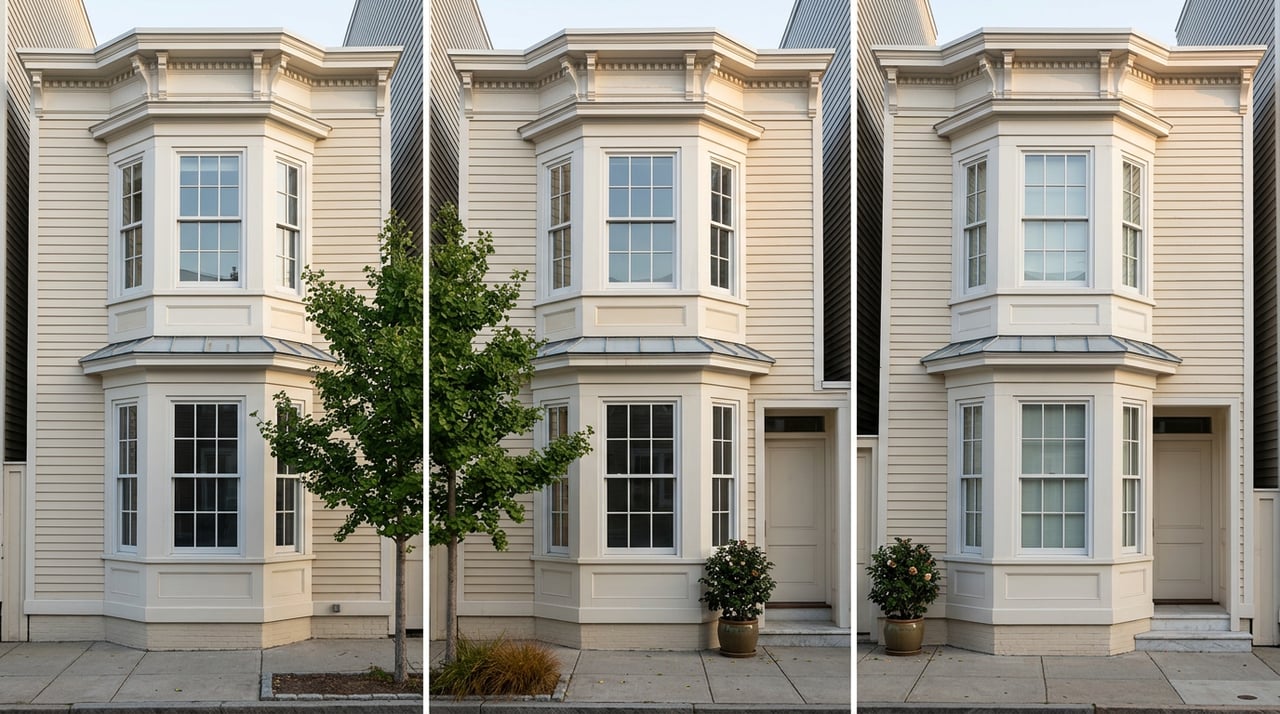
- Tall, narrow building proportions shaped by hillside lots
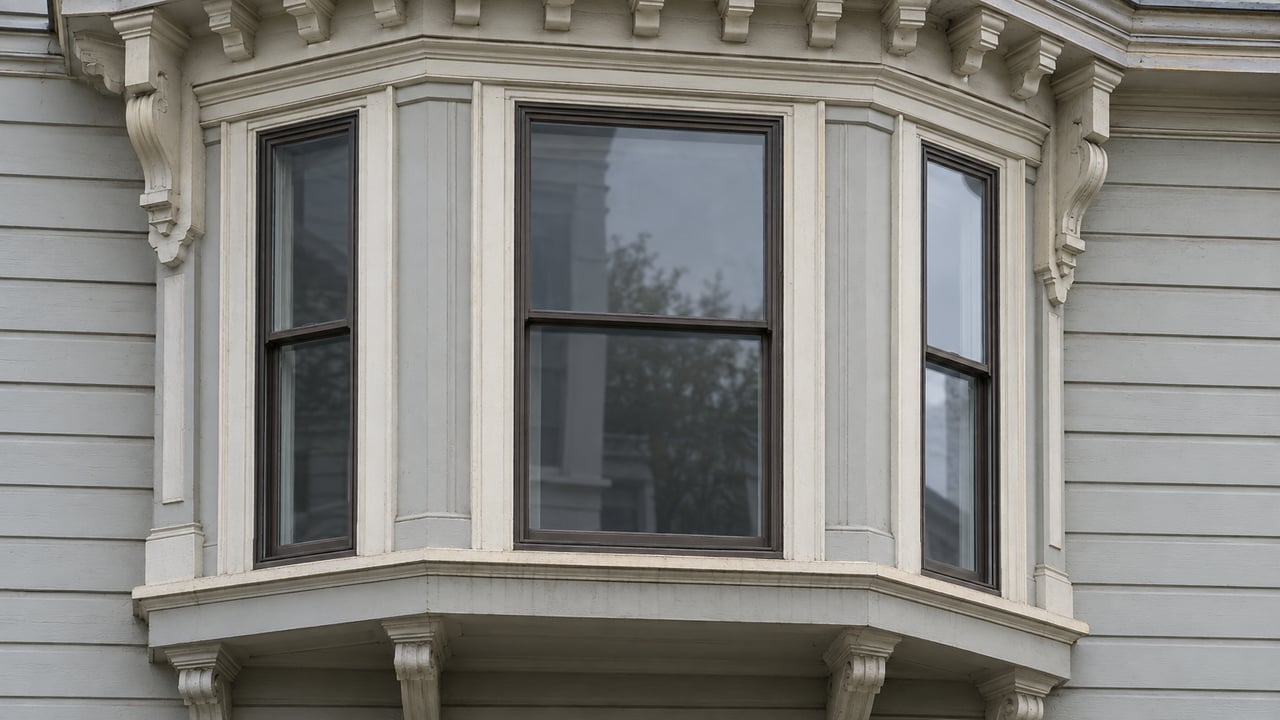
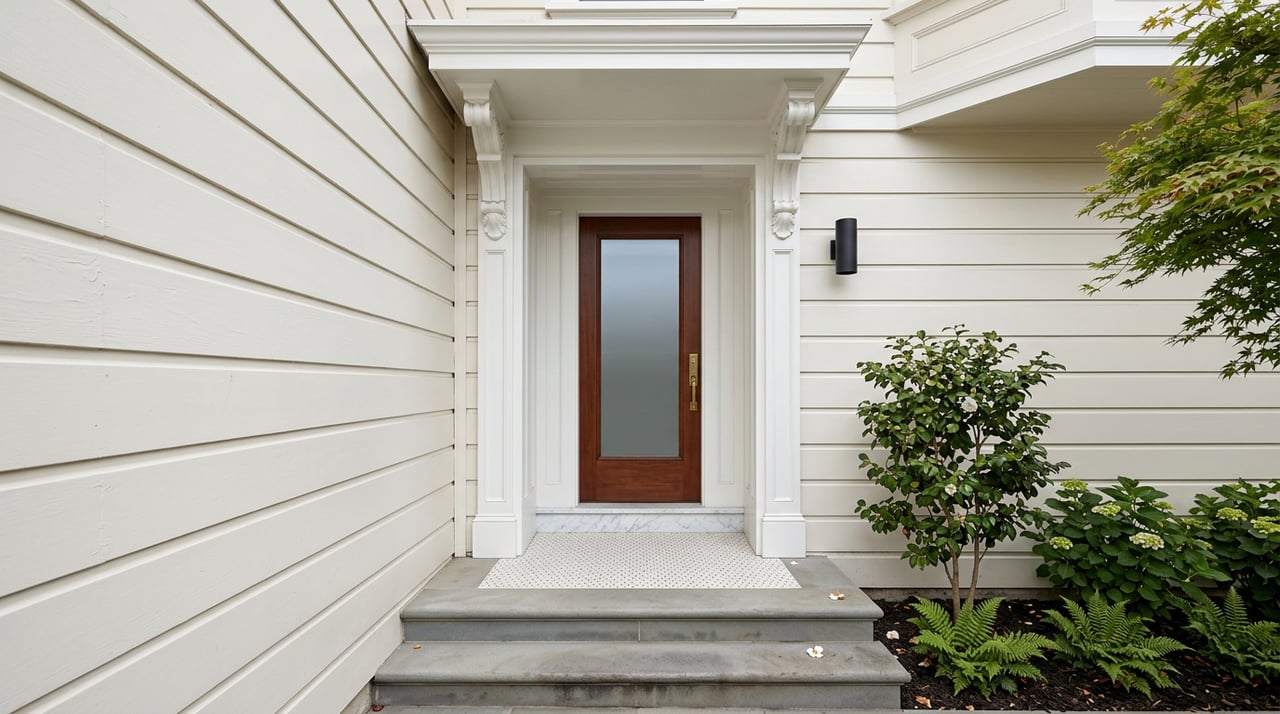
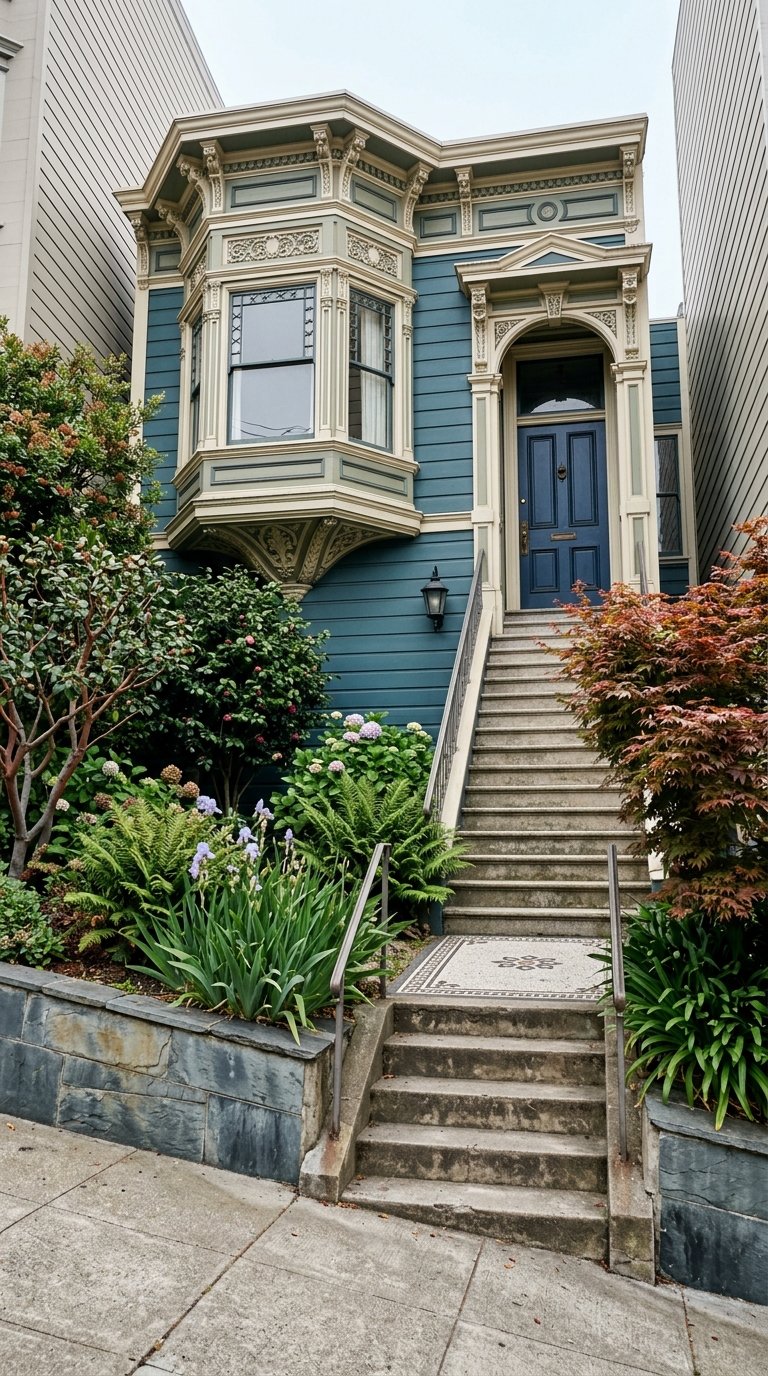
- Painted wood siding and detailed trim
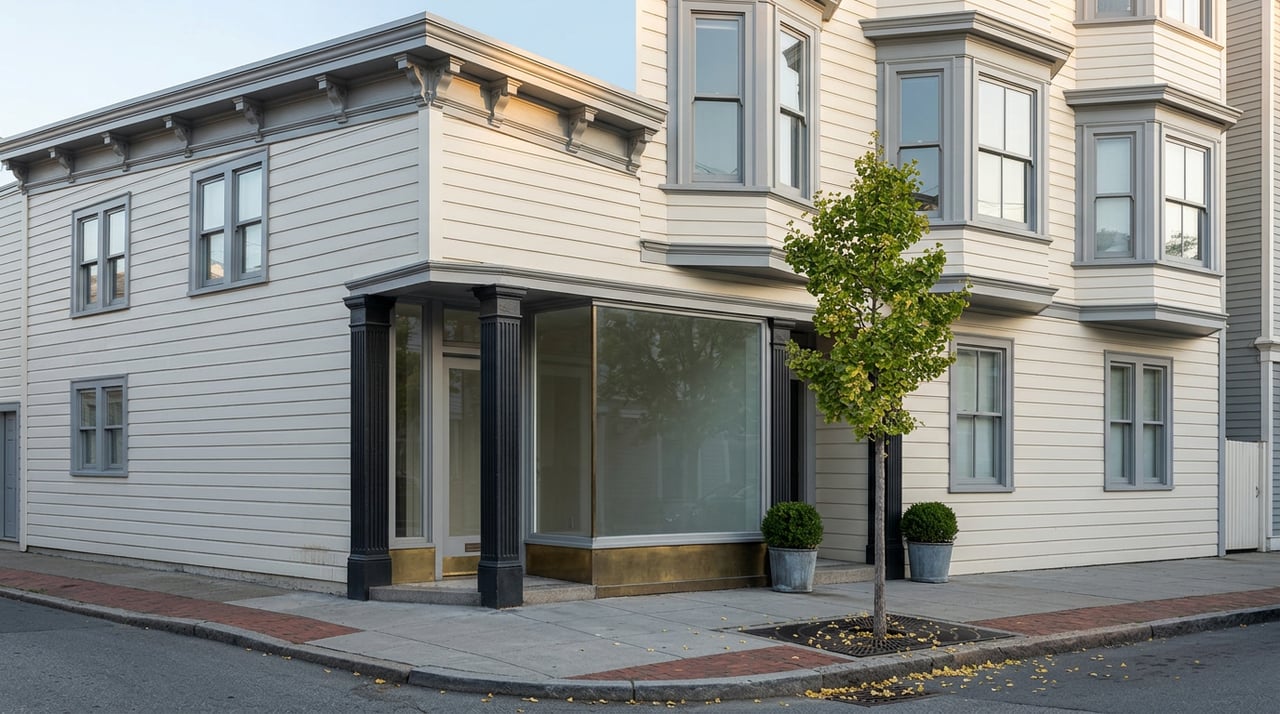
- Decorative Victorian and Edwardian façades
- Varied roof forms and bay windows
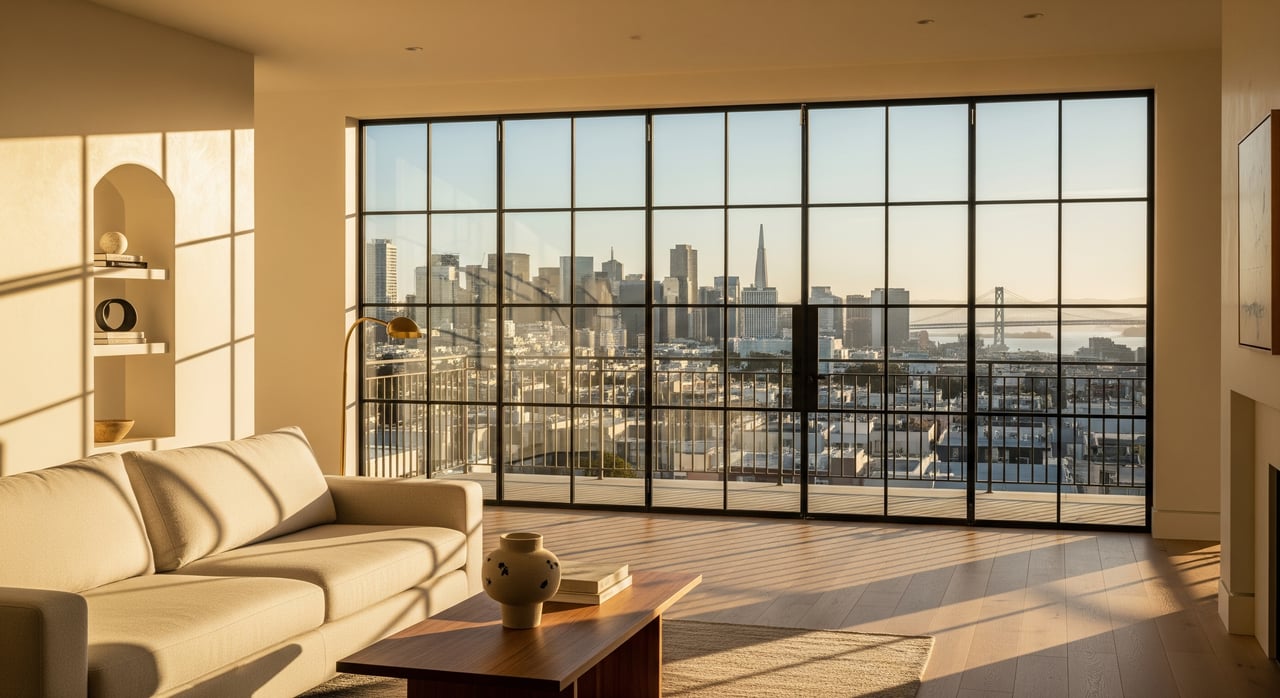
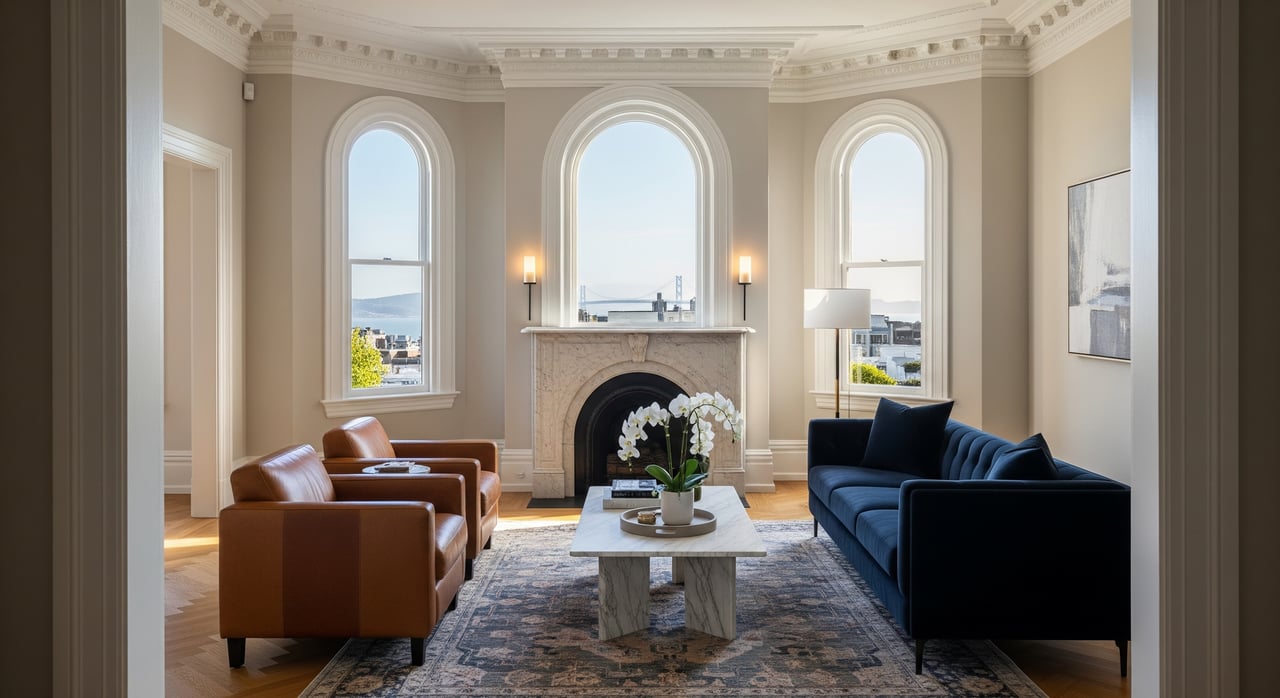
- Homes positioned to capture light and views
- Subtle shifts between original homes and later infill
These details make the neighborhood feel layered instead of uniform. That is often what design-minded buyers appreciate most.
A Neighborhood Shaped by the Hill
Topography is one of Buena Vista’s biggest design stories. Nearby planning context for the area describes irregular streets, major changes in elevation, and residential construction from many decades since the 1860s. In other words, the neighborhood did not emerge all at once.
That long timeline helps explain why Buena Vista feels so visually rich. Some homes reflect early development waves, while others came later as new building methods, tastes, and priorities emerged. A Buena Vista West planning analysis notes building dates concentrated around circa 1900 to 1912 and later from 1928 to 1950, reinforcing that mix.
For buyers, this means the area is not a one-note historic district. It is a place where older architecture, later additions, and mid-century-era responses to hillside living can all exist within a few blocks.
A Landmark Worth Knowing
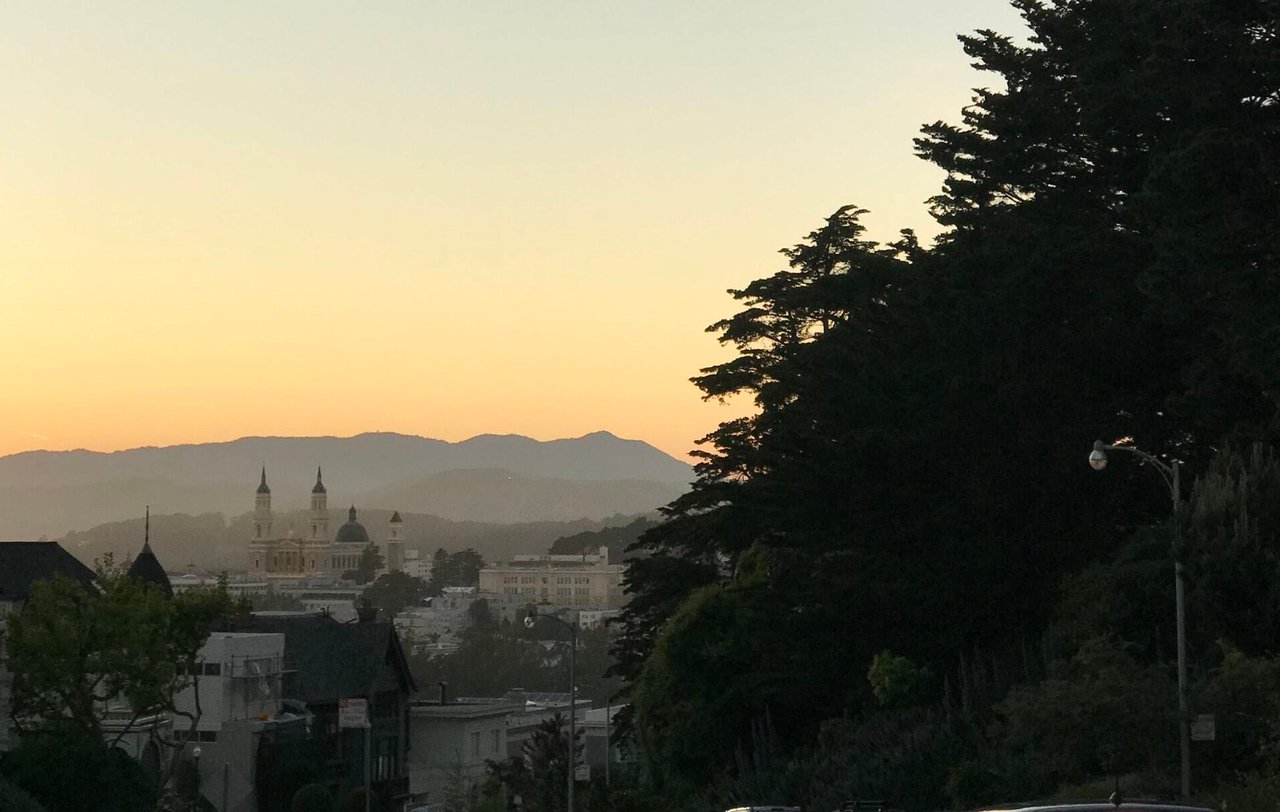
One of the clearest architectural anchors in the area is the former St. Joseph’s Hospital at 355 Buena Vista Avenue East. Its National Register documentation identifies it as a Spanish Renaissance Revival complex that includes a six-story hospital building, chapel, and nurses’ residence.
What makes this building especially important is how strongly it responds to its site. The complex was adapted to a steep hillside and positioned in visual dialogue with the park across the street. The nomination also notes its long-distance presence in the cityscape and its significance as one of Bakewell & Brown’s last major works.
Even if you are not a preservation specialist, this is the kind of landmark that helps explain the neighborhood’s identity. It gives Buena Vista a memorable architectural reference point that goes beyond rows of houses.
Historic Homes and Modern Design
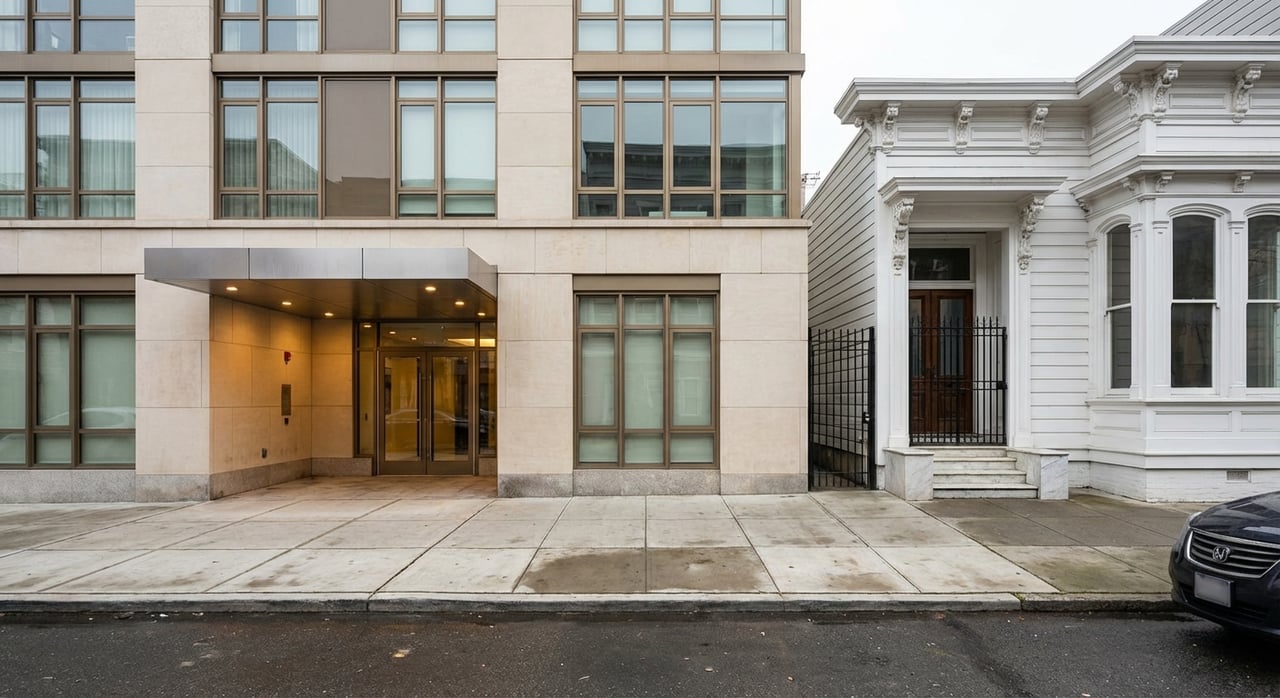
Buena Vista is especially interesting because it is not limited to one era of design. Alongside older homes, the neighborhood also includes contemporary architecture that responds to the historic setting without copying it outright.
A good example is Haus Martin, a single-family residence in the Buena Vista Park area by Cass Calder Smith. The architect describes it as a house shaped by park views to the east, ocean views to the west, and the ornate façades of neighboring older homes.
For architecture lovers, that contrast is important. It shows how modern infill in Buena Vista can engage with scale, orientation, and context while still speaking a contemporary design language. That balance often appeals to buyers who want design integrity without giving up the neighborhood’s historic texture.
Why Buena Vista Appeals to Design-Minded Buyers
If you are drawn to architecture, Buena Vista offers more than curb appeal. It gives you a neighborhood where buildings, streets, and landscape all work together to create a strong sense of place.
Several qualities stand out:
- Layered housing stock: You are seeing buildings from multiple eras, not one repetitive development pattern.
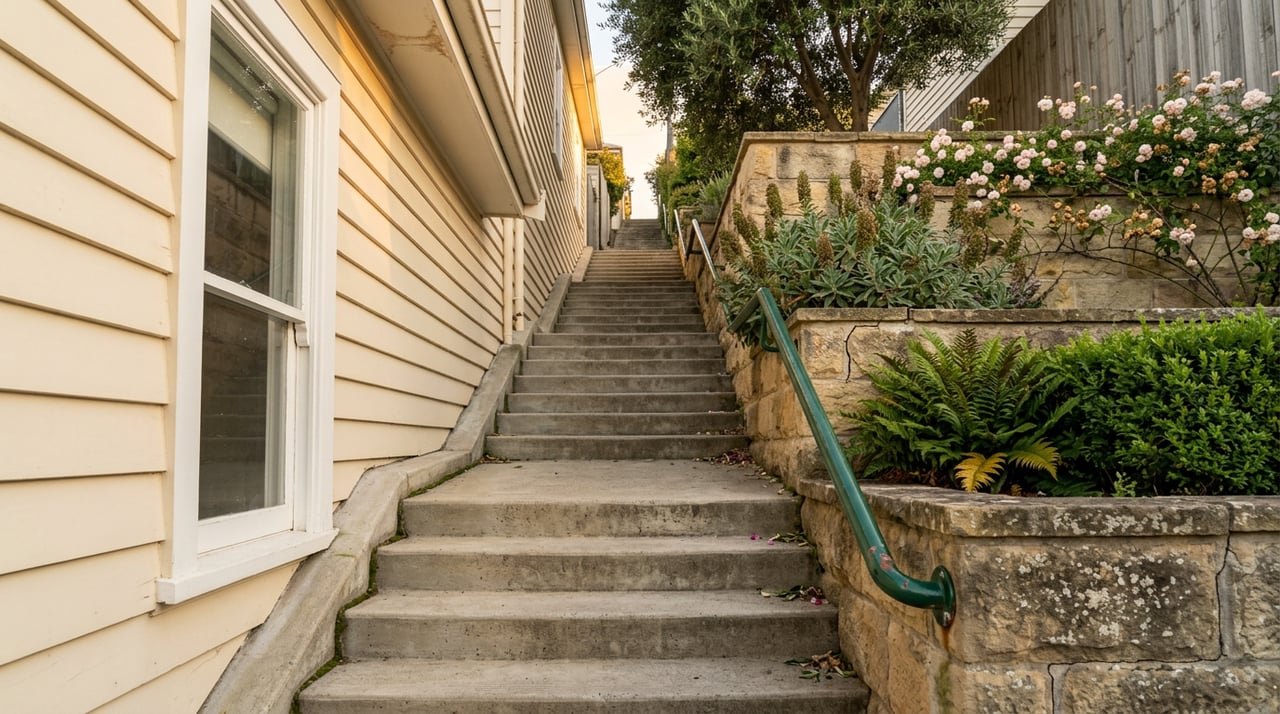
- Topographic drama: Slopes, stairways, and shifting elevations create sightlines and massing you do not get on flatter blocks.
- Park adjacency: The park adds breathing room, greenery, and long views that shape how homes are sited and experienced.
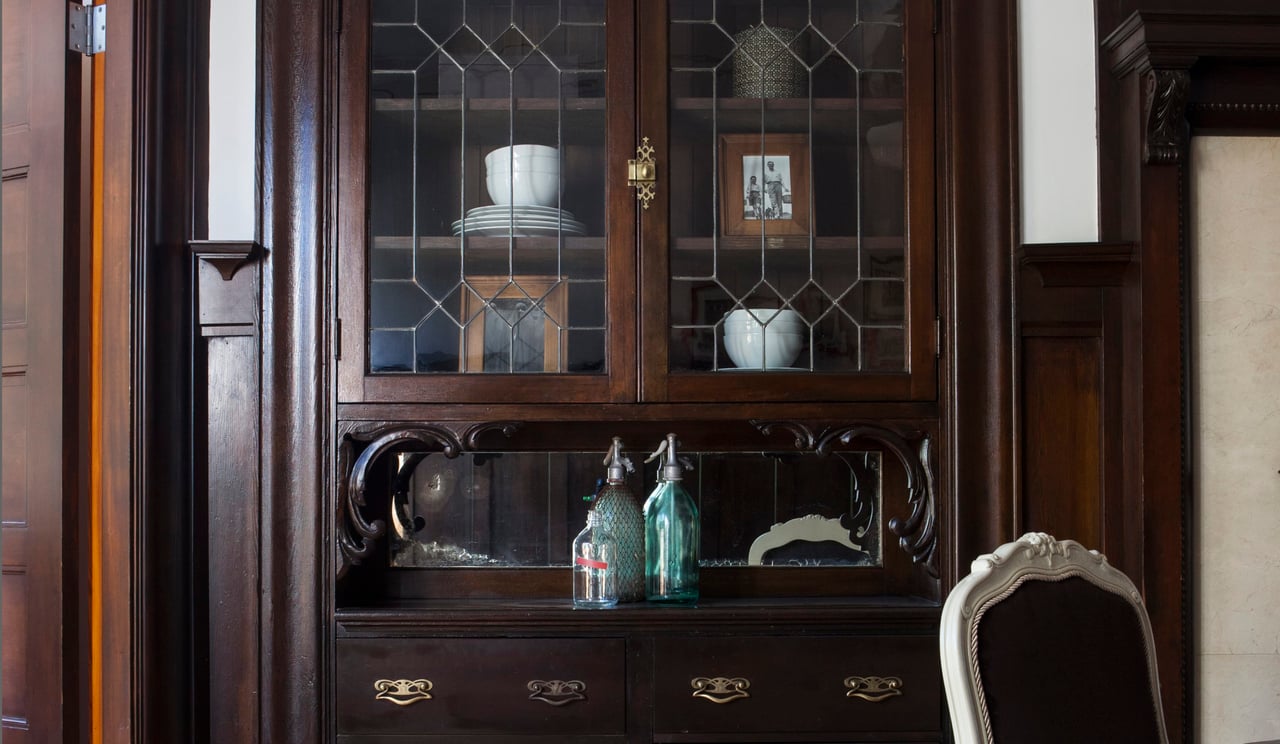
- Visual detail: Historic materials and ornament give the area a tactile, crafted quality.
- Contemporary potential: Newer architecture shows that thoughtful modern design can fit here too.
For buyers who care about composition, proportion, and streetscape, Buena Vista can feel less like a collection of houses and more like a living design environment.
Renovation Potential in Buena Vista
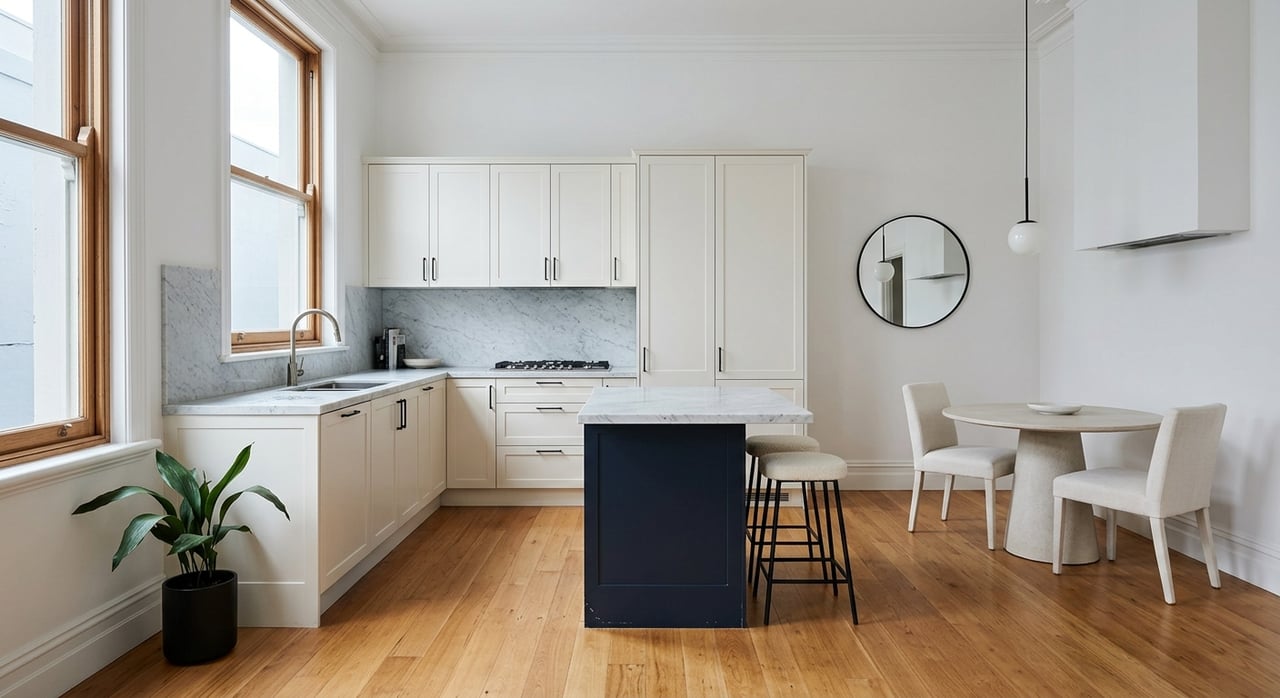
Older housing stock often sparks renovation questions, and Buena Vista is no exception. Based on the historic-district context and the area’s built fabric, the strongest renovation approach here tends to be careful and context-sensitive rather than wholesale replacement.
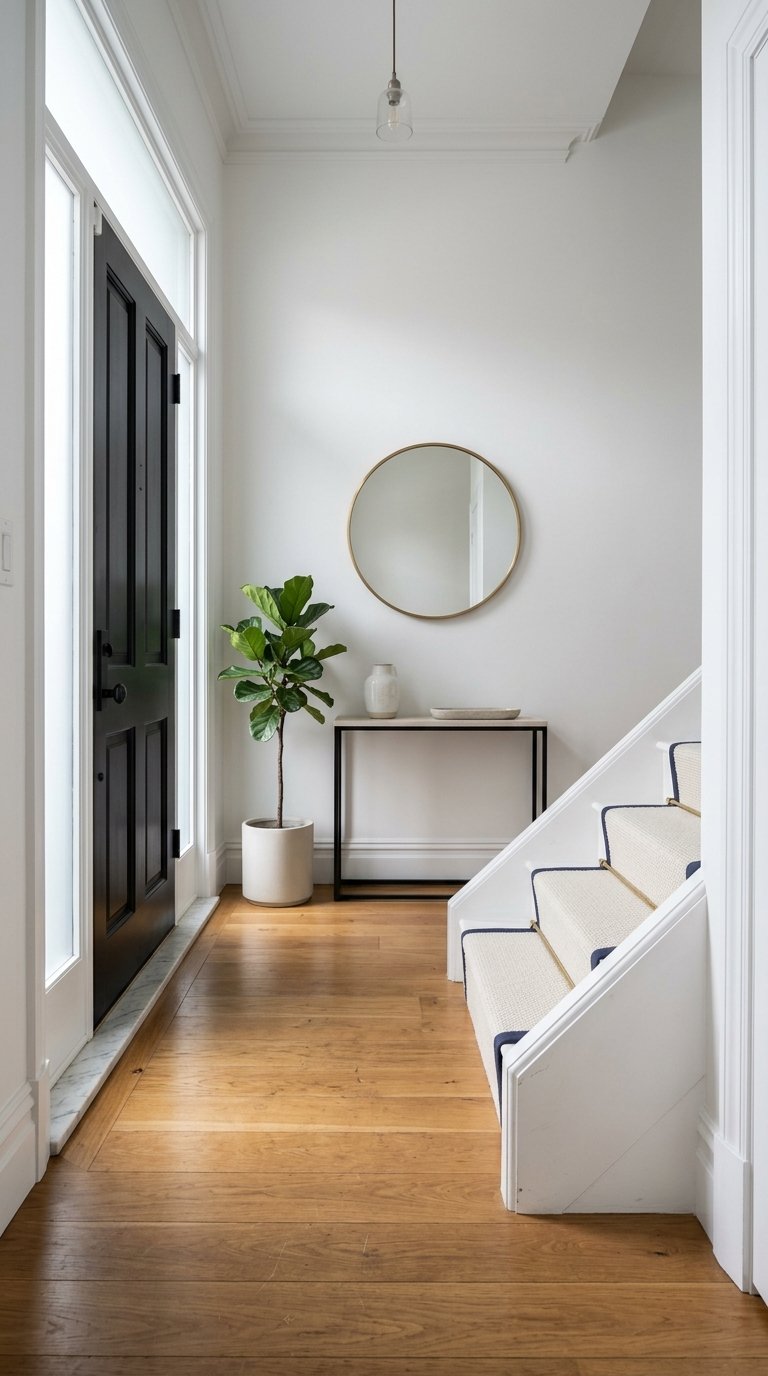
In practical terms, that often points toward interior remodels, compatible additions, and façade-aware restoration work. The neighborhood’s age, hillside siting, and emphasis on surrounding character make thoughtful updates especially important.
If you are considering a property here, it helps to look beyond finishes alone. The real opportunity may be in how a home’s original structure, light, views, and architectural features can be preserved and improved together.
The Park’s Role in Neighborhood Identity
Buena Vista Park is central to how the neighborhood looks and feels. Recreation and Park information notes secluded trails, an off-leash dog area, a playground, tennis courts, and a natural area on the north side.
The park also carries unusual historical texture. Its trails and drainage system include engraved marble fragments from former city cemeteries, which gives the landscape a distinct sense of age and material history.
That matters for architecture lovers because neighborhood character is never just about buildings. In Buena Vista, the landscape itself contributes to the experience of place, and that deepens the visual and historical appeal.
Development History Still Shows Today
The neighborhood’s architectural variety makes more sense when you understand its growth pattern. City sources explain that Buena Vista Park was established in 1867, access improved with the Haight Street cable car line in 1883, and the area saw another building boom after the 1906 earthquake and fire, with much of the neighborhood built out by 1915.
That history helps explain why Buena Vista reads as a record of several development waves. It was not created as a single master-planned district. Instead, it grew over time, which is exactly why the streetscape feels layered and visually complex.
For a buyer, that often translates into a more interesting home search. You may see major variation in floor plans, façade styles, and how homes meet the hill from one block to the next.
Access and Daily Convenience
Steep streets can feel tucked away, but Buena Vista is more connected than many buyers expect. According to SFMTA stop information for Haight Street and Buena Vista East Avenue, the area is served by the 7 Haight/Noriega, N Judah Bus, and N Owl, while nearby Divisadero and Haight is served by the 24 Divisadero.
The same transit source notes that the 37 Corbett serves Buena Vista East and Buena Vista Terrace by request and continues to both Castro Street Muni Metro station and Church Street Muni Metro station. That makes the neighborhood relatively well connected for a central hillside location.
For many buyers, this supports a car-light lifestyle without sacrificing character. You can enjoy a residential setting with strong architectural identity while still staying linked to surrounding San Francisco districts.
What Buyers Should Keep in Mind
If Buena Vista is on your radar, it helps to view the neighborhood through both a design lens and a practical one. Beautiful streets and memorable homes are part of the draw, but so are hillside logistics, renovation considerations, and the differences between one block and another.
When you tour homes here, pay attention to:
- How the house relates to grade and elevation
- The amount of natural light and orientation
- Original architectural details that remain intact
- Signs of context-sensitive updates or additions
- Proximity to the park, transit, and surrounding routes
In a neighborhood like Buena Vista, small details often shape long-term value and daily enjoyment. A design-trained eye can be especially helpful when evaluating what is already there and what a home could become.
If you are exploring Buena Vista because architecture matters to you, working with someone who understands both design and San Francisco micro-markets can make the search much more focused. Adelaida Mejia brings a design-led, neighborhood-specific approach to helping buyers and sellers navigate character-rich areas like Buena Vista with clarity and confidence.
FAQs
What makes Buena Vista attractive for architecture lovers?
- Buena Vista offers a layered mix of Victorian, Edwardian, Craftsman, and later-period homes set against a steep hillside and historic park, creating a visually rich neighborhood experience.
Are there notable historic buildings in Buena Vista, San Francisco?
- Yes. A standout is the former St. Joseph’s Hospital at 355 Buena Vista Avenue East, a Spanish Renaissance Revival complex recognized in National Register documentation.
Does Buena Vista include modern architecture as well as historic homes?
- Yes. The area includes contemporary homes such as Haus Martin, which was designed in response to the site’s views and the older surrounding architecture.
Is Buena Vista Park important to the neighborhood’s character?
- Yes. Buena Vista Park is a defining feature of the area, with forested trails, historic elements, and prominent topography that shape the surrounding residential setting.
Is Buena Vista well connected by transit?
- Yes. The neighborhood has access to several Muni lines, including the 7 Haight/Noriega, N Judah Bus, N Owl, 24 Divisadero, and 37 Corbett.
What kind of renovation approach fits Buena Vista homes?
- In general, the neighborhood’s older housing stock and established character favor thoughtful remodels, compatible additions, and façade-aware updates rather than wholesale replacement.