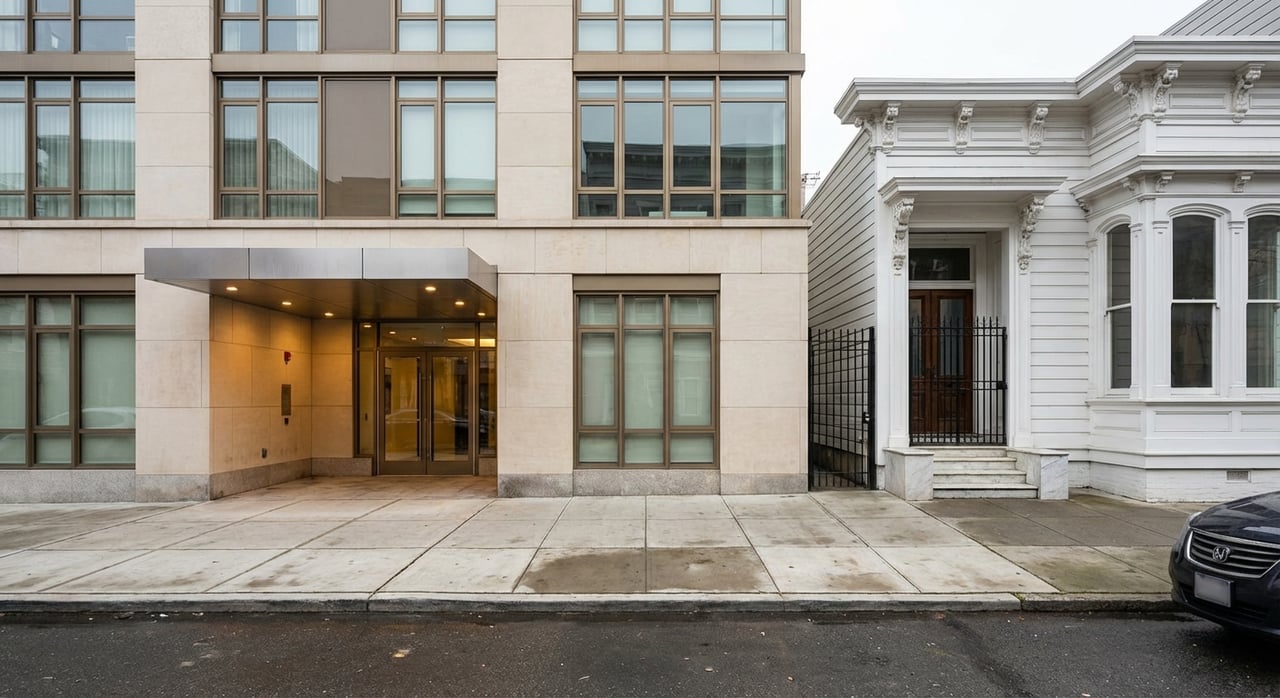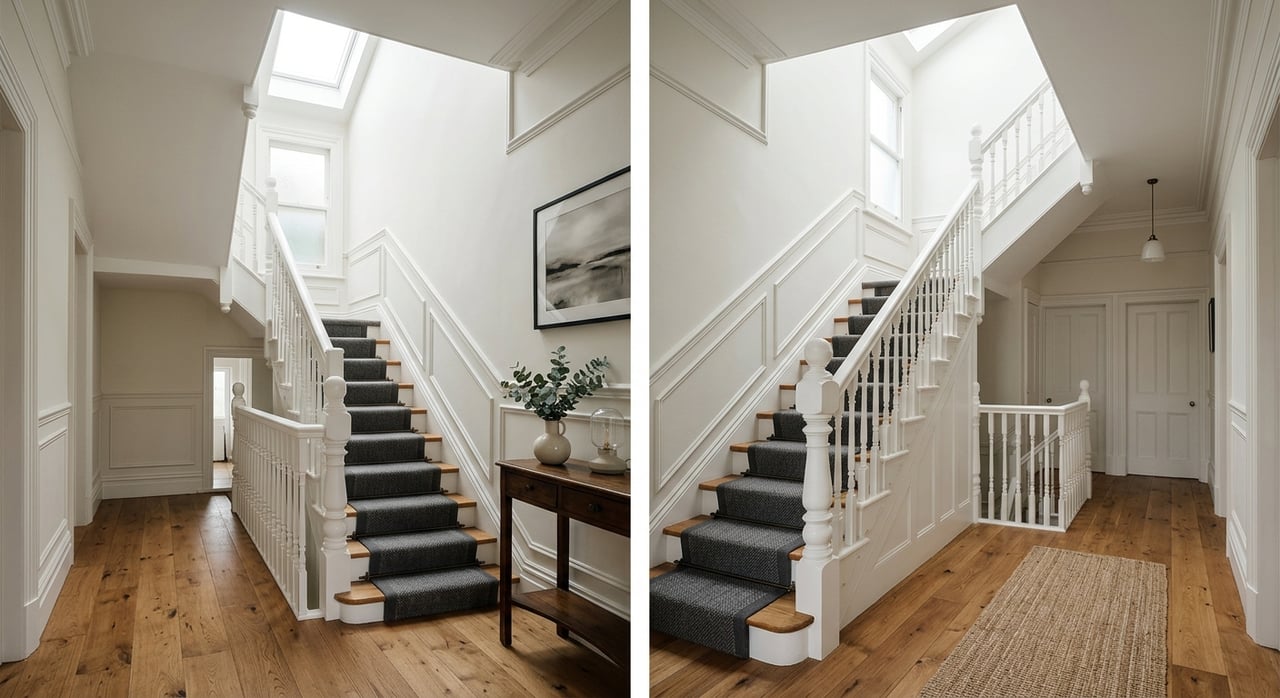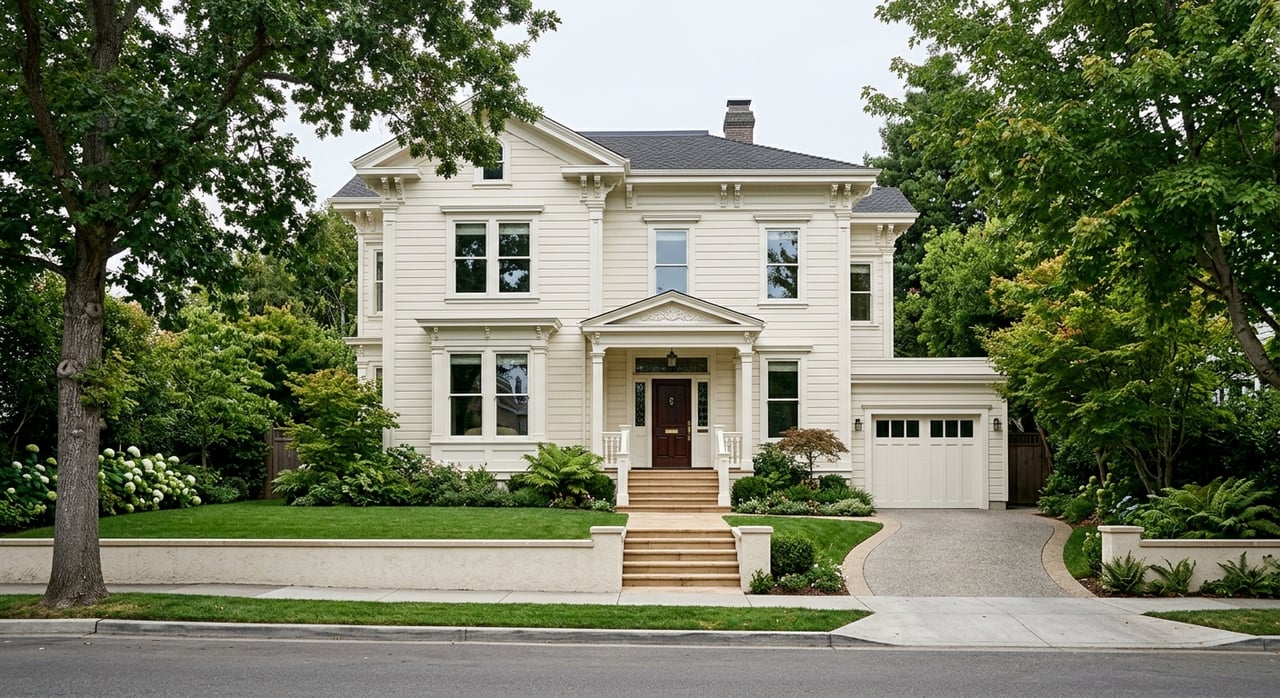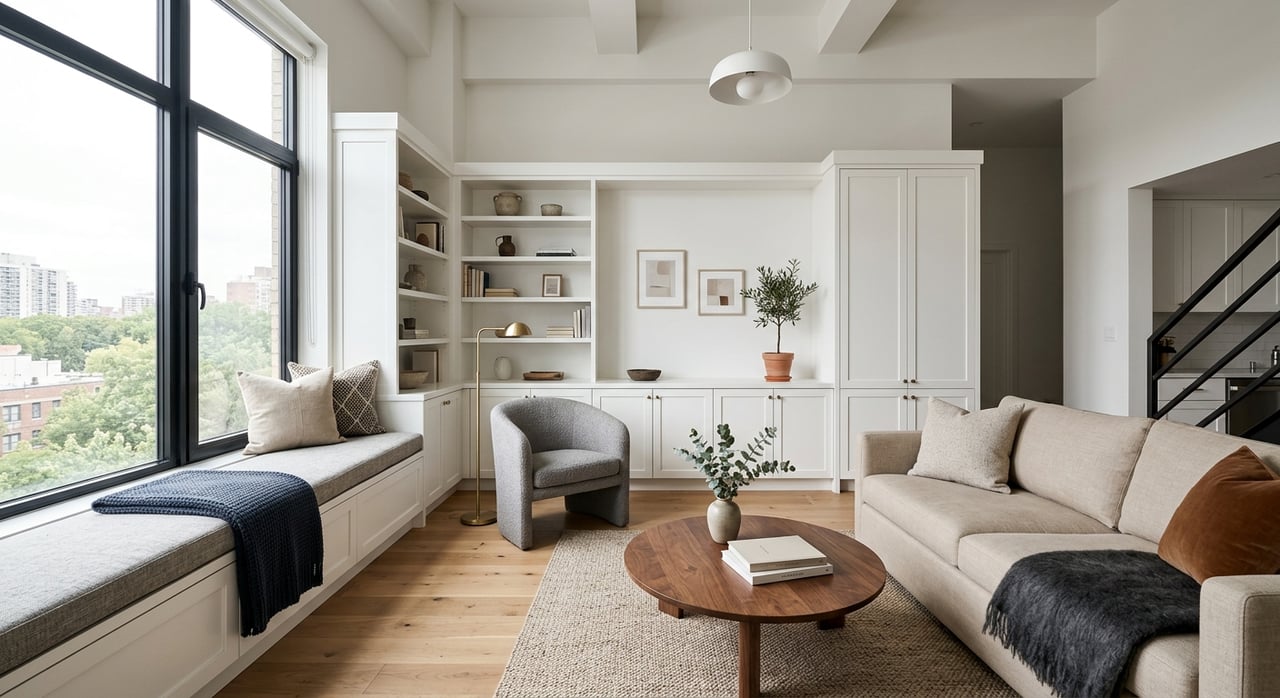
If you are deciding between a house and a condo in San Francisco’s Lake District, you are really deciding how you want to live day to day. This quiet pocket near the Presidio offers a rare mix of residential calm, classic architecture, and easy access to some of the city’s best open space. The right choice depends on your budget, your maintenance tolerance, and how much privacy and flexibility you want from your home. Let’s dive in.
Why Lake District Stands Out
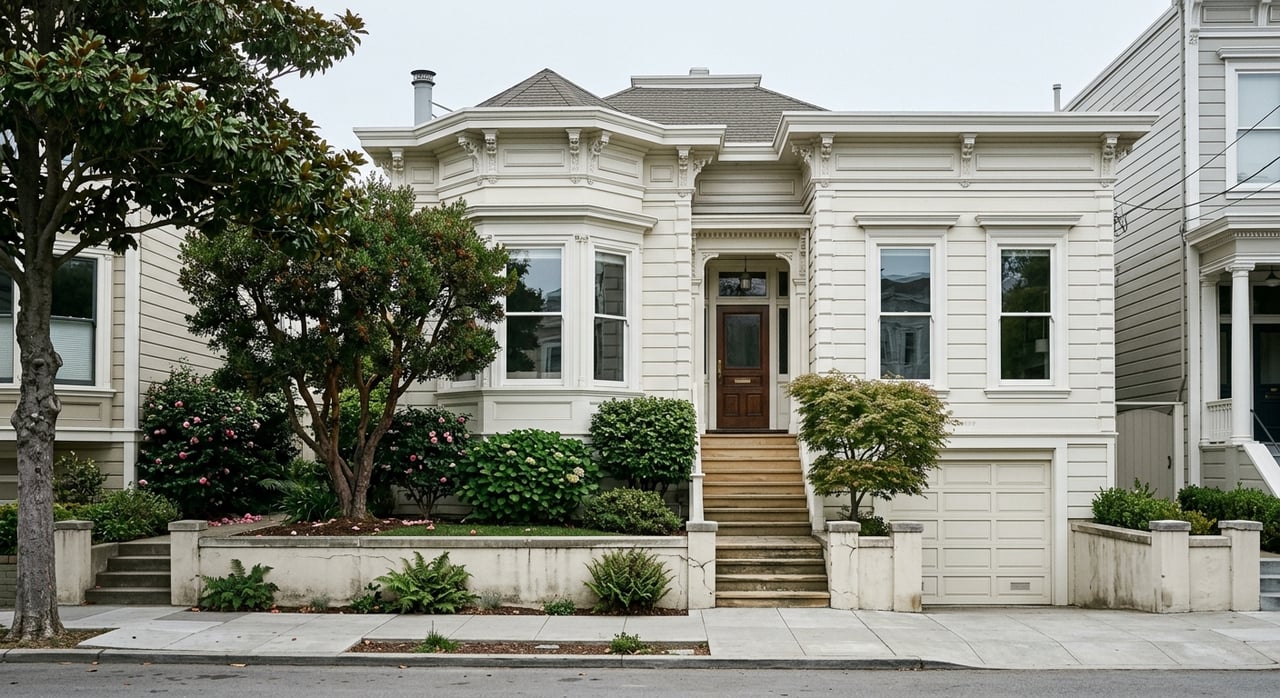
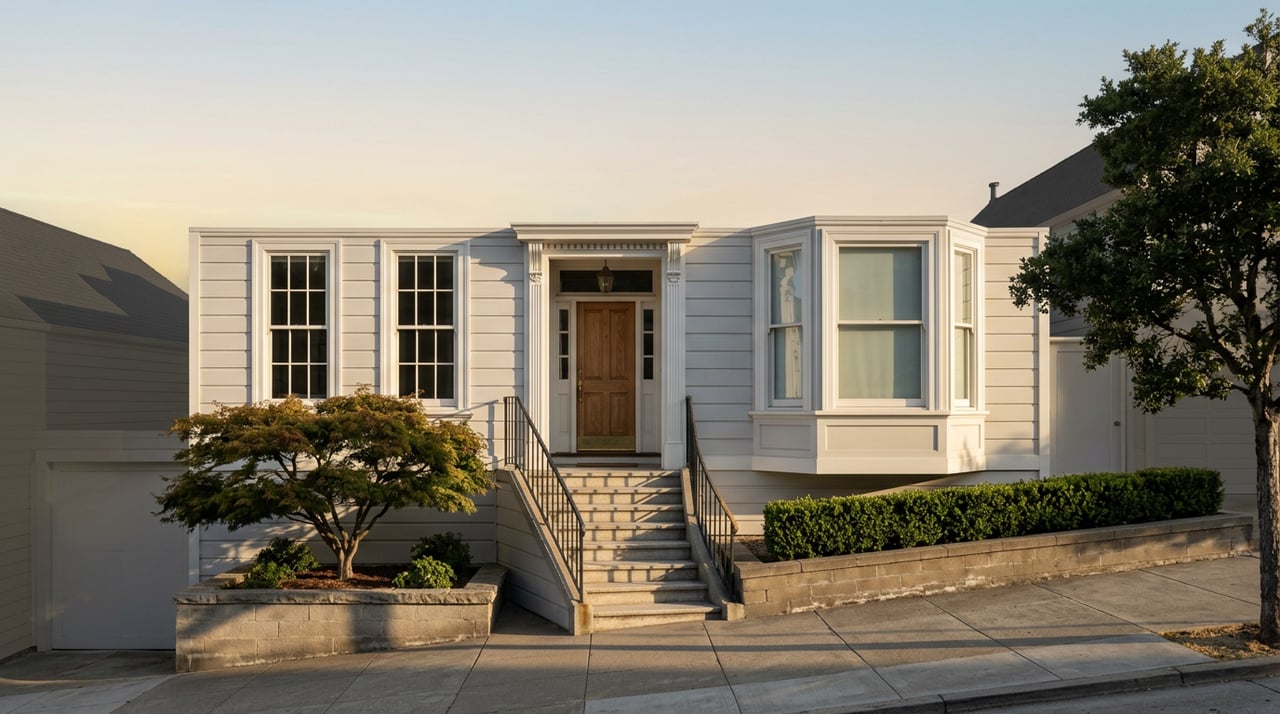
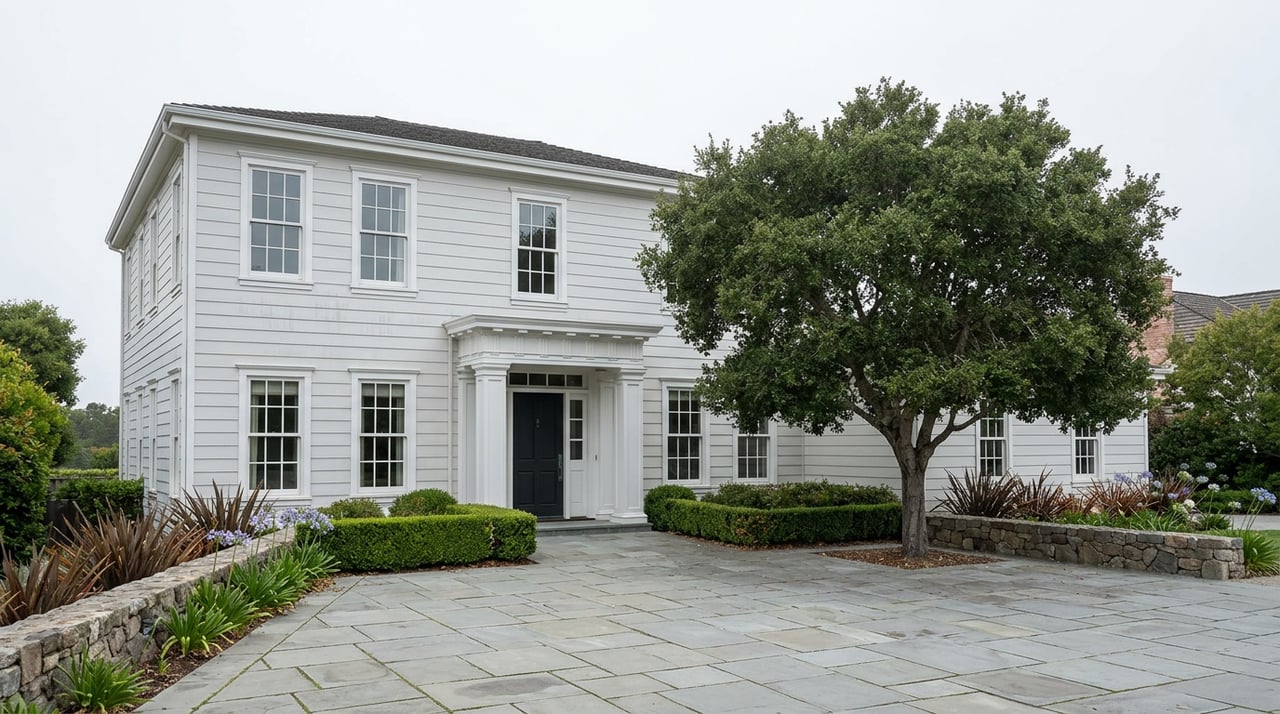
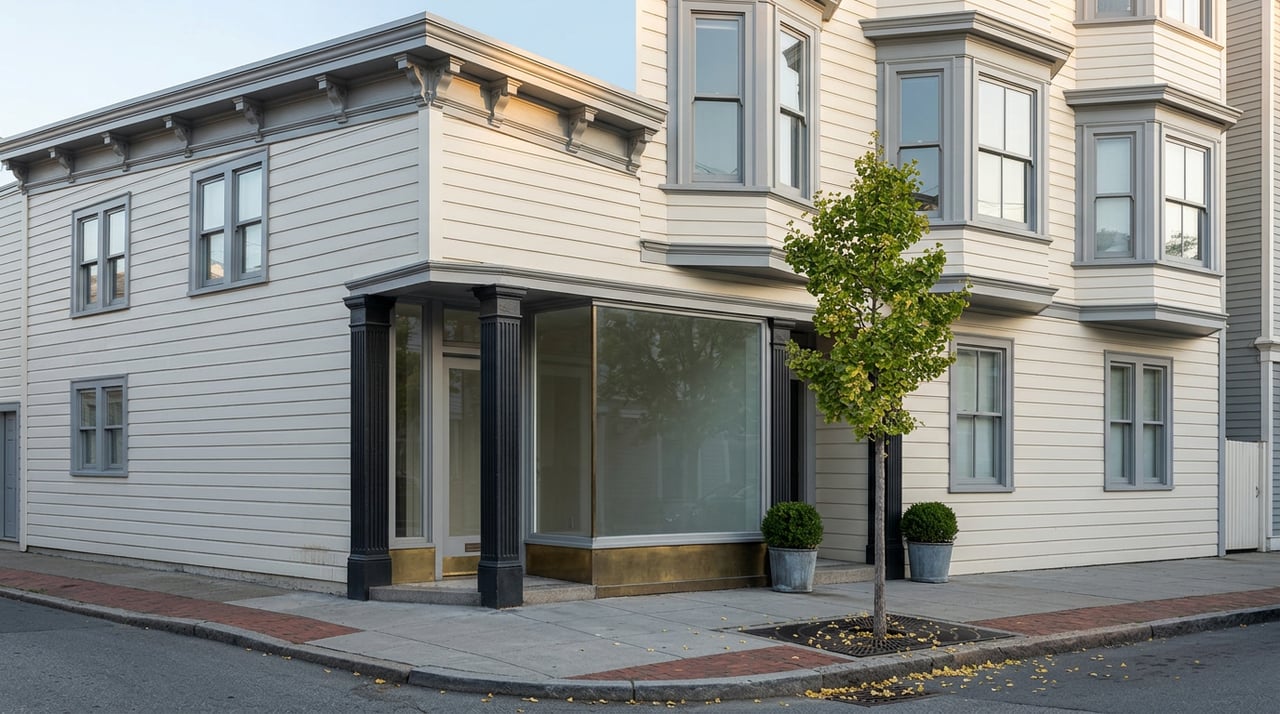
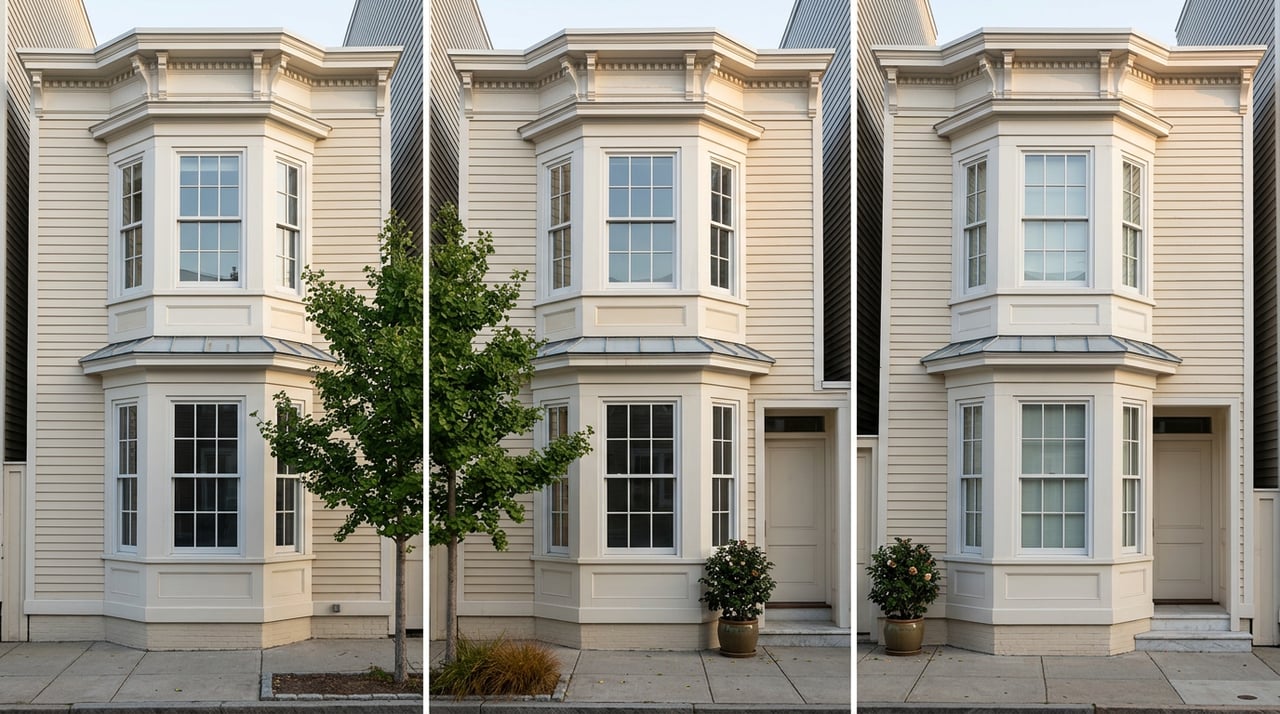
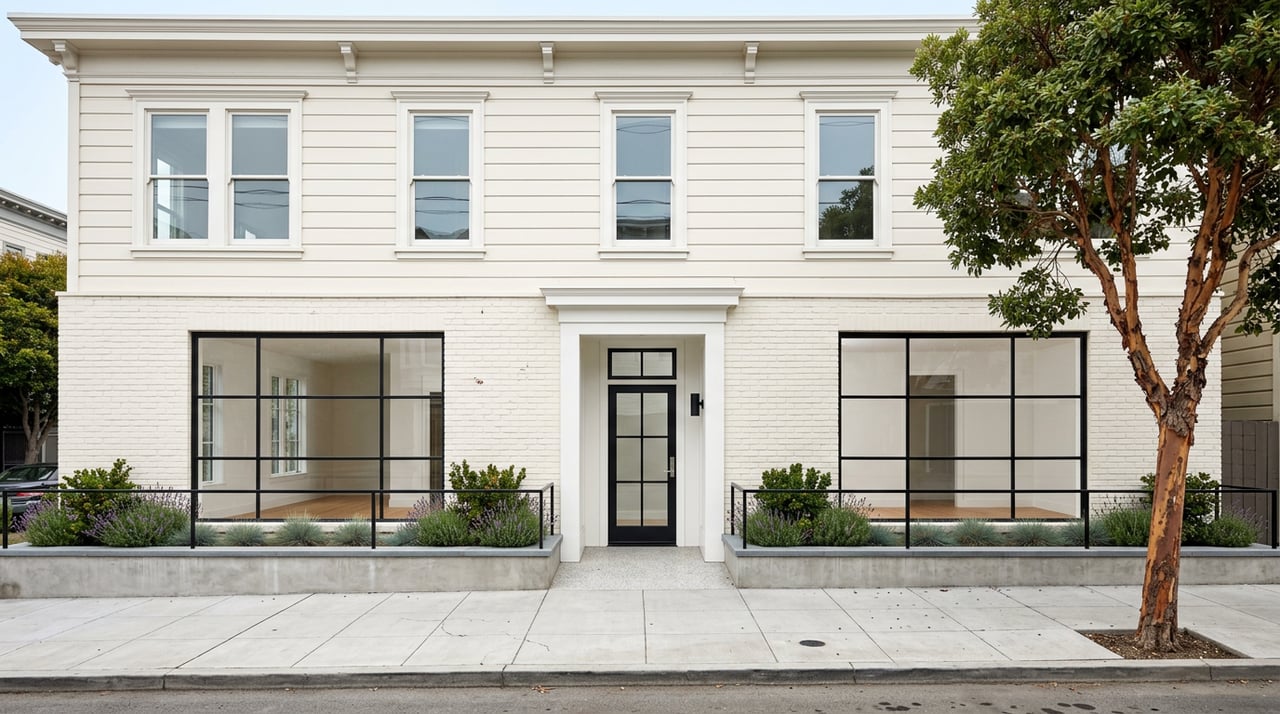
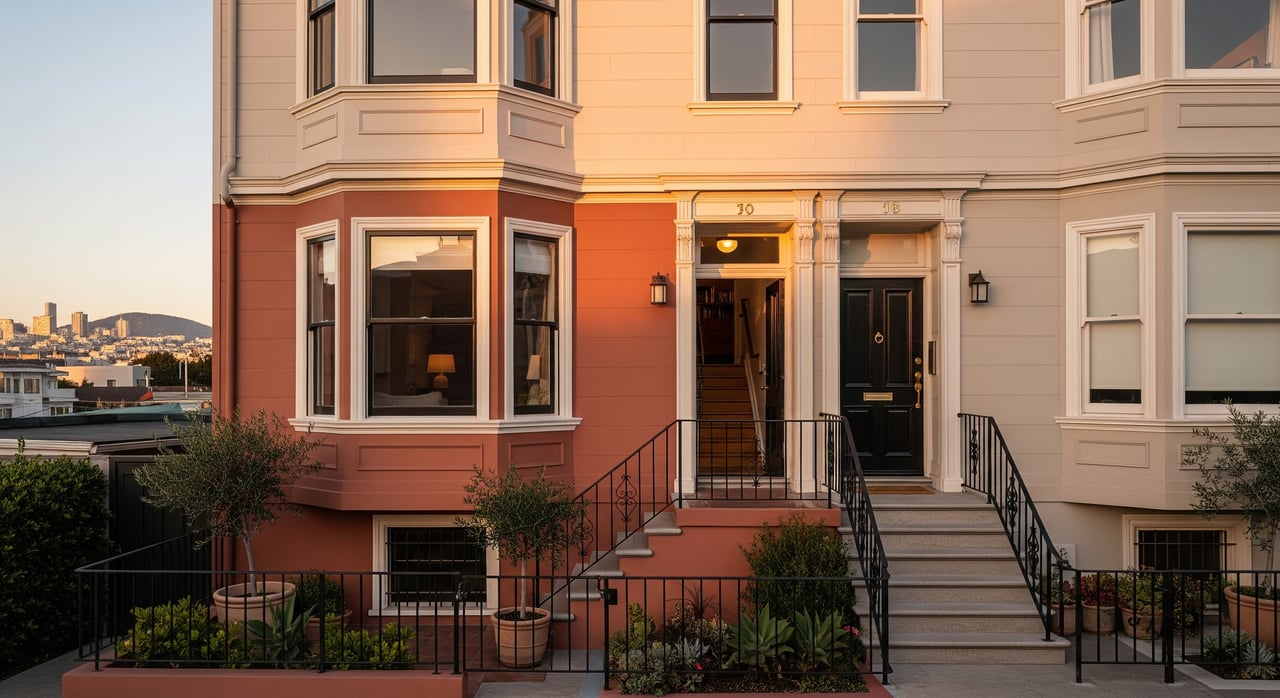
The Lake District has a distinct feel within San Francisco. Historic planning material describes it as a largely built-out residential area that took shape by the 1920s, with single-family homes as the dominant housing type and some Edwardian apartment buildings mixed in.
It also feels lower in scale than many other parts of the city. Commercial activity is mostly found along the edges rather than in the center of the neighborhood, and there are not many buildings over three stories. That gives the area a quieter, more spacious feel while still keeping everyday essentials within reach.
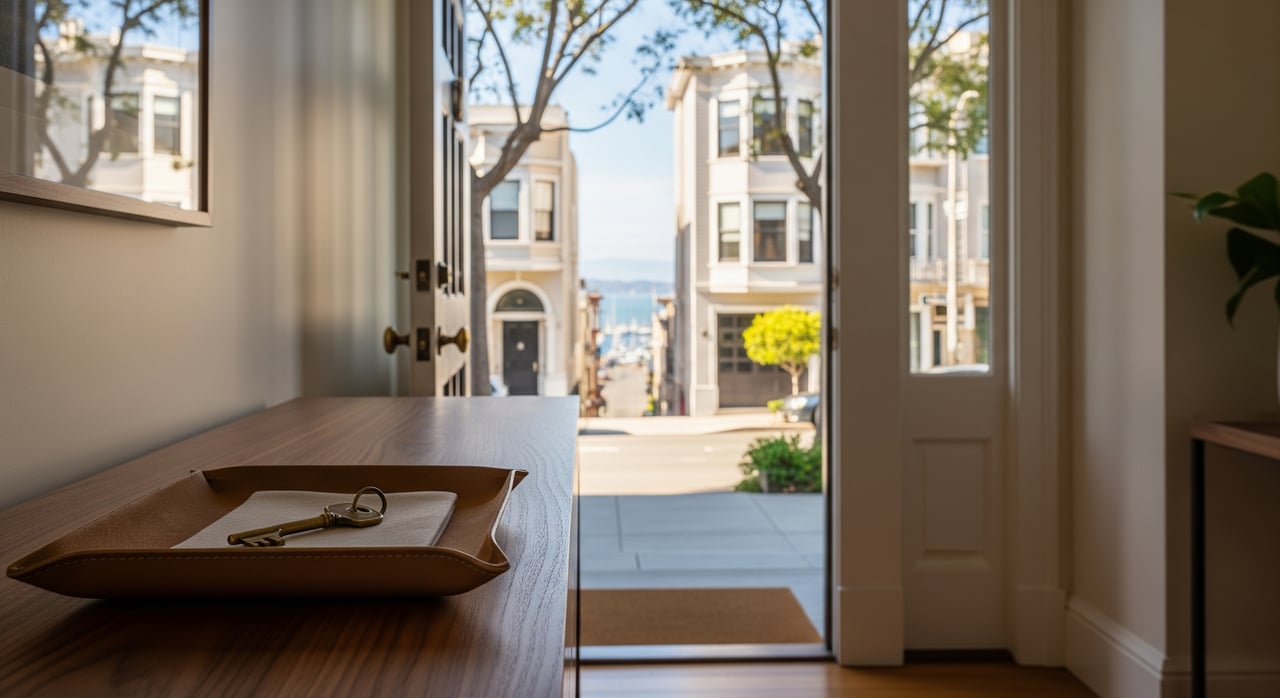
For many buyers, the biggest lifestyle advantage is location next to major outdoor amenities. The Presidio is open 24 hours a day and offers trails, lawns, picnic sites, Tunnel Tops, and the Visitor Center. Crissy Field adds waterfront walking, biking, beach access, and open views, while Mountain Lake Park brings a lake, playground, tennis, basketball, outdoor fitness equipment, picnic areas, and an off-leash dog area.
Lake District Housing Mix
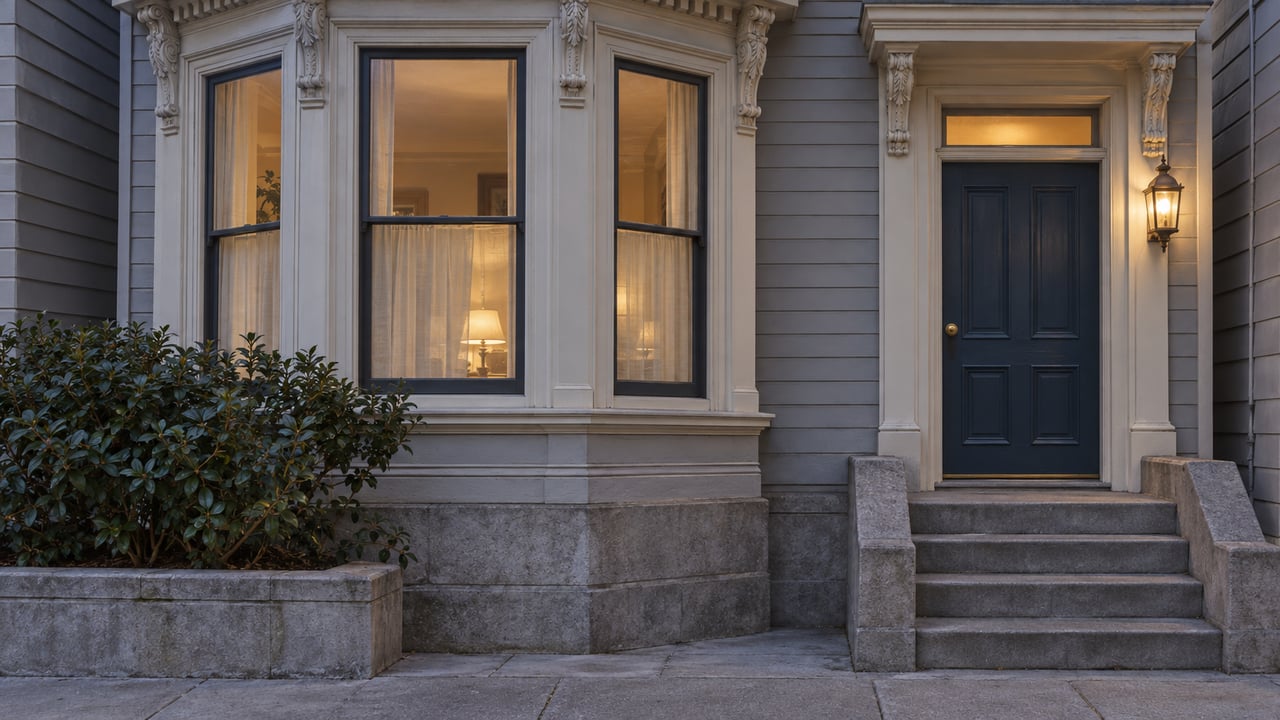
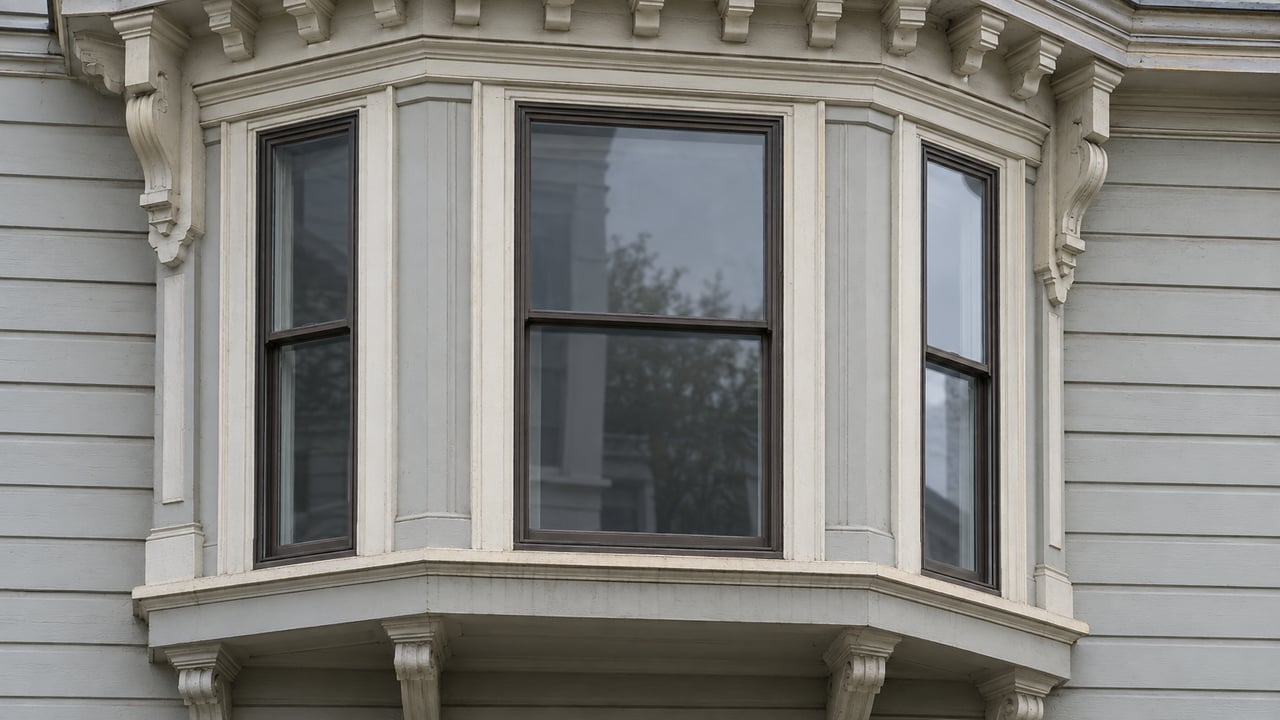
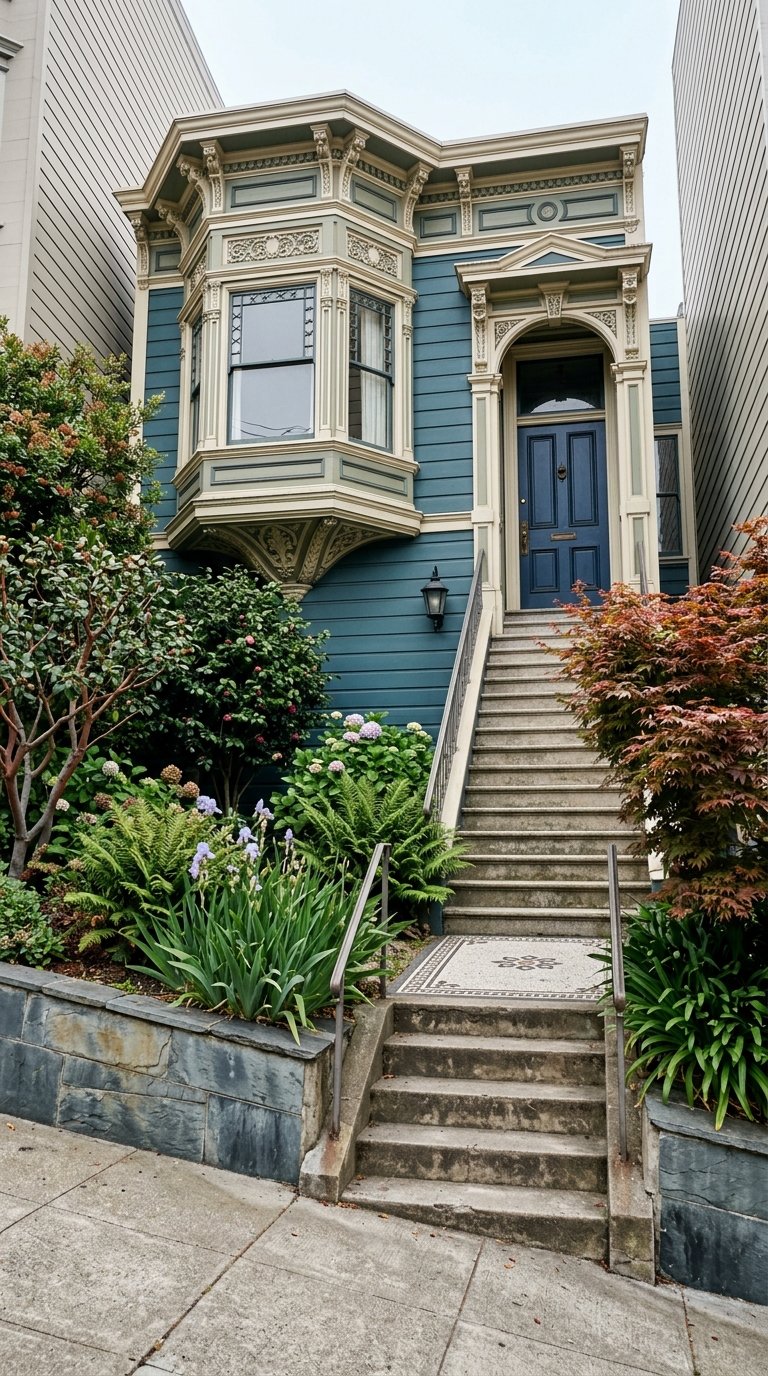
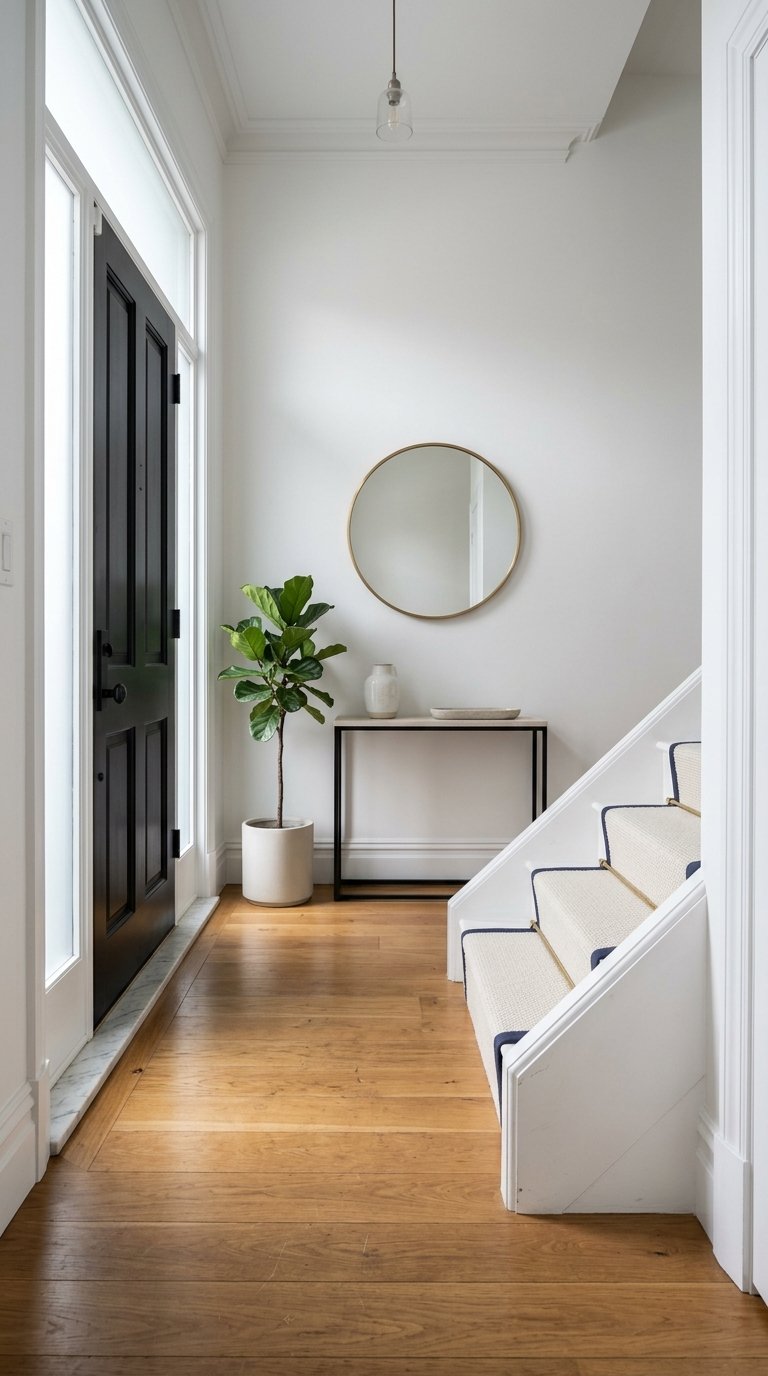
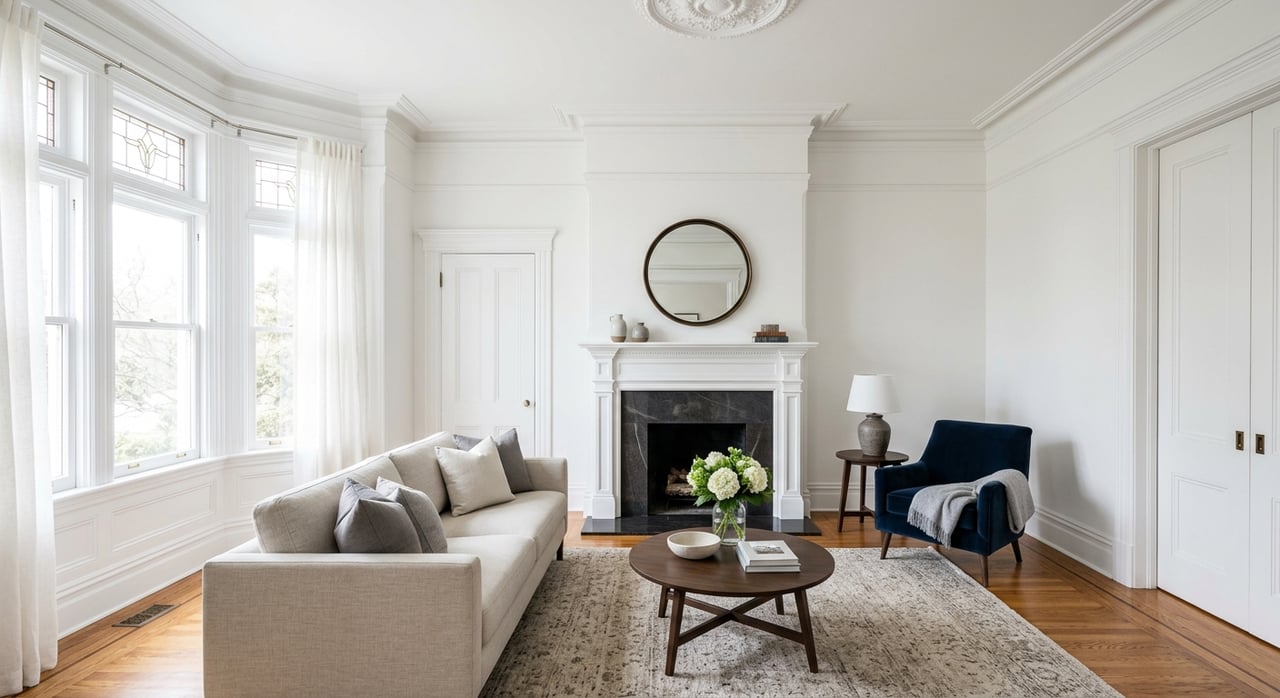
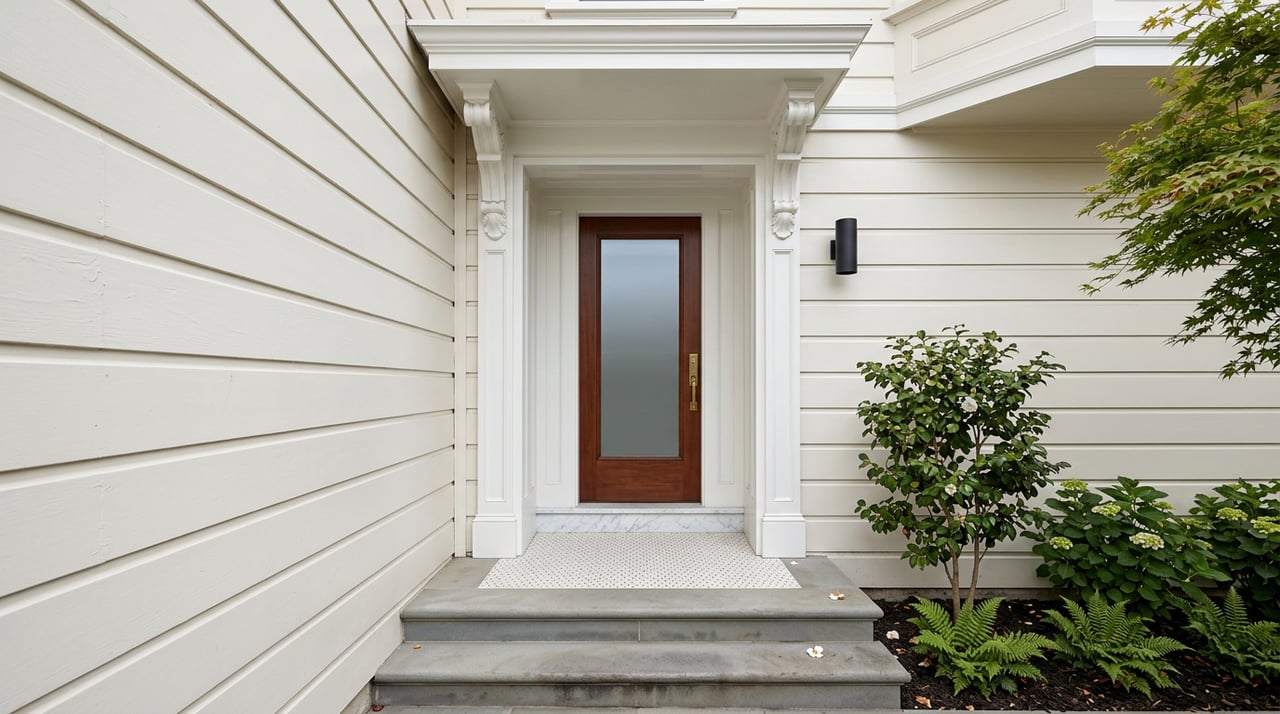
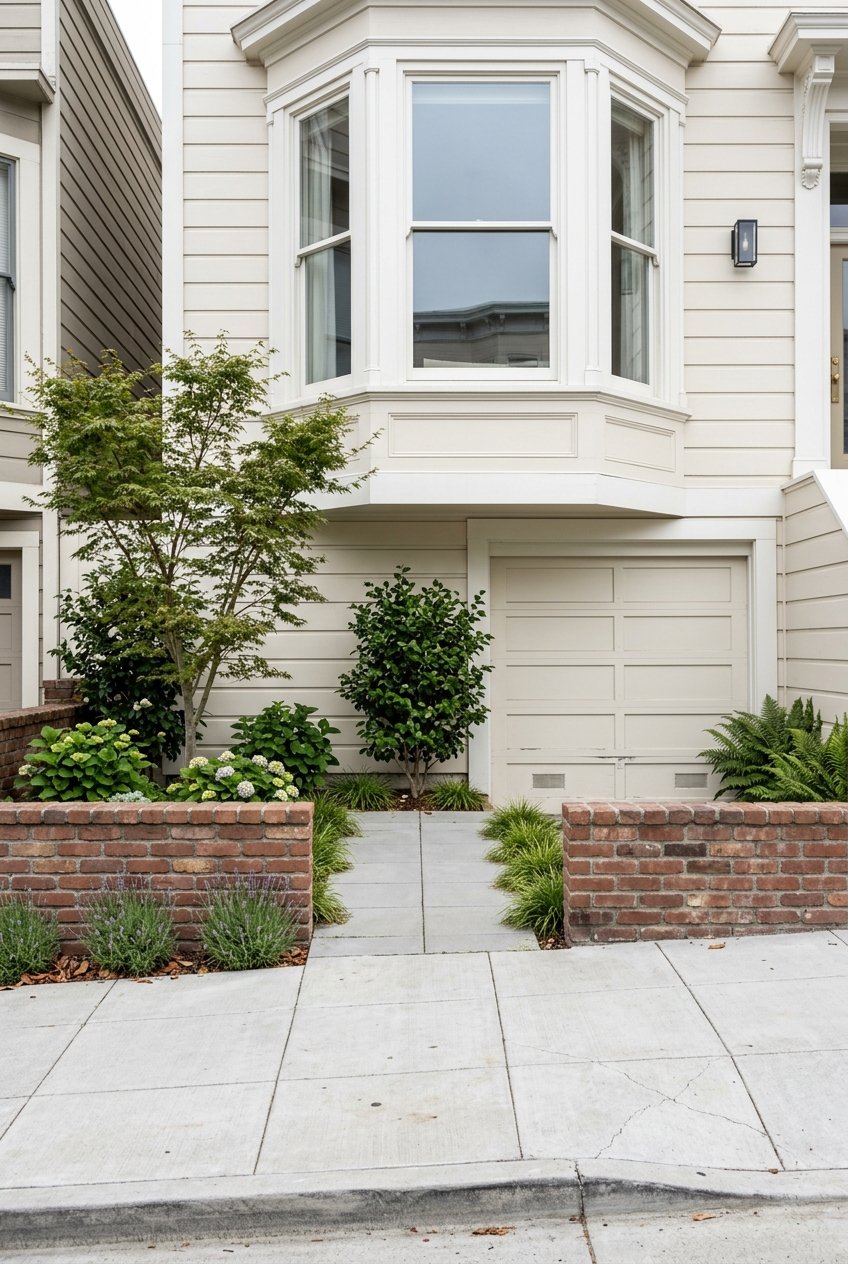
In the Lake District, you will generally find a mix of single-family homes, condos, and some townhouses. The housing stock includes historic Edwardian and Victorian homes, often with front gardens, along with smaller condo inventory and some more modern infill.
That mix matters because your options are not just about square footage. They also shape how much control you have over your space, how much maintenance you take on, and how your monthly costs are structured.
Choosing a House in Lake District
A house usually gives you more privacy and more direct control over your property. In practical terms, that can mean more flexibility for storage, pets, gardening, or future updates that reflect your long-term plans.
In the Lake District, that can be especially appealing because many homes were built with a more traditional residential layout and may include outdoor areas such as front gardens. When you pair private space with close access to the Presidio and Mountain Lake Park, a house can offer a strong balance of city living and everyday breathing room.
House ownership responsibilities
The tradeoff is responsibility. With a detached home, you are generally responsible for the whole property, including the exterior and lot.
That means you control decisions, but you also carry the upkeep. Routine maintenance, larger repairs, and longer-term planning all land more directly on you, which can affect both your time and your budget.
Who a house may fit best
A house may be a better fit if you want:
- More private outdoor use
- Greater freedom to remodel over time
- More room for storage or hobbies
- Less shared decision-making
- A more self-directed ownership experience
For many buyers, the appeal is not just more space. It is the ability to shape that space around your routines and priorities.
Choosing a Condo in Lake District
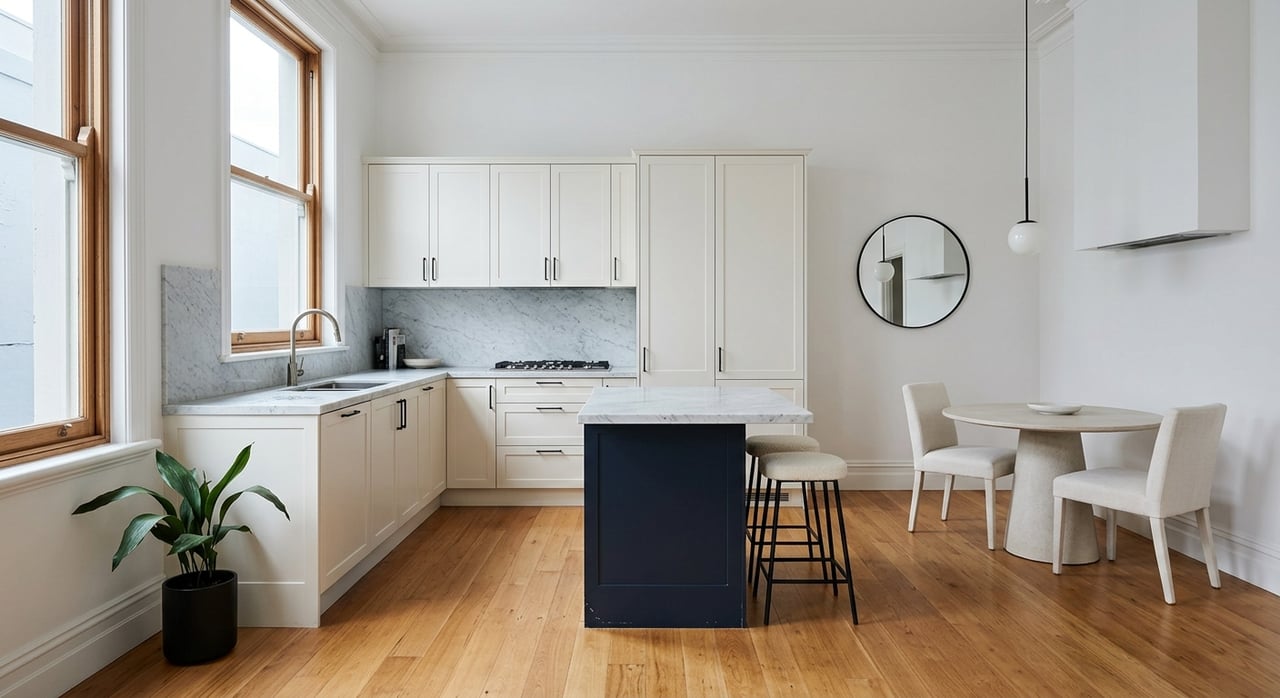
A condo usually offers a simpler day-to-day ownership experience. If you want a home near the Presidio and other outdoor amenities without taking on the full maintenance load of a detached property, a condo can be a practical option.
In California, a condominium combines ownership of your separate unit with an undivided interest in common areas. Buyers in a common-interest development automatically become members of the association, and that ownership structure shapes both your benefits and your obligations.
Condo ownership responsibilities
In a condo, the homeowners association is generally responsible for repairing, replacing, or maintaining common areas. You are generally responsible for your separate unit and any exclusive-use common area assigned to it.
That can reduce the amount of hands-on exterior maintenance you manage yourself. At the same time, it means you need to understand association rules, fees, and long-term financial planning before you buy.
What to review in a condo building
If you are considering a Lake District condo, pay close attention to the homeowners association. In California, HOAs enforce rules and guidelines, require membership in most cases, and collect dues and assessments.
It is also important to review the reserve study and budget. The reserve study is intended to show how the association plans for major common-area repairs such as roofing or pavement, and it can help you understand whether the building appears prepared for future costs.
Who a condo may fit best
A condo may be a better fit if you want:
- Lower direct maintenance responsibility
- A smaller footprint
- Lock-and-leave convenience
- Shared upkeep of the building
- A simpler daily routine
For some buyers, especially those who value ease and predictability, that tradeoff makes a lot of sense.
Outdoor Space Matters More Here
In the Lake District, outdoor space deserves extra attention because it changes the house-versus-condo decision in a meaningful way. This neighborhood already sits near some of San Francisco’s strongest public open space, so your private outdoor needs may be different here than in other parts of the city.
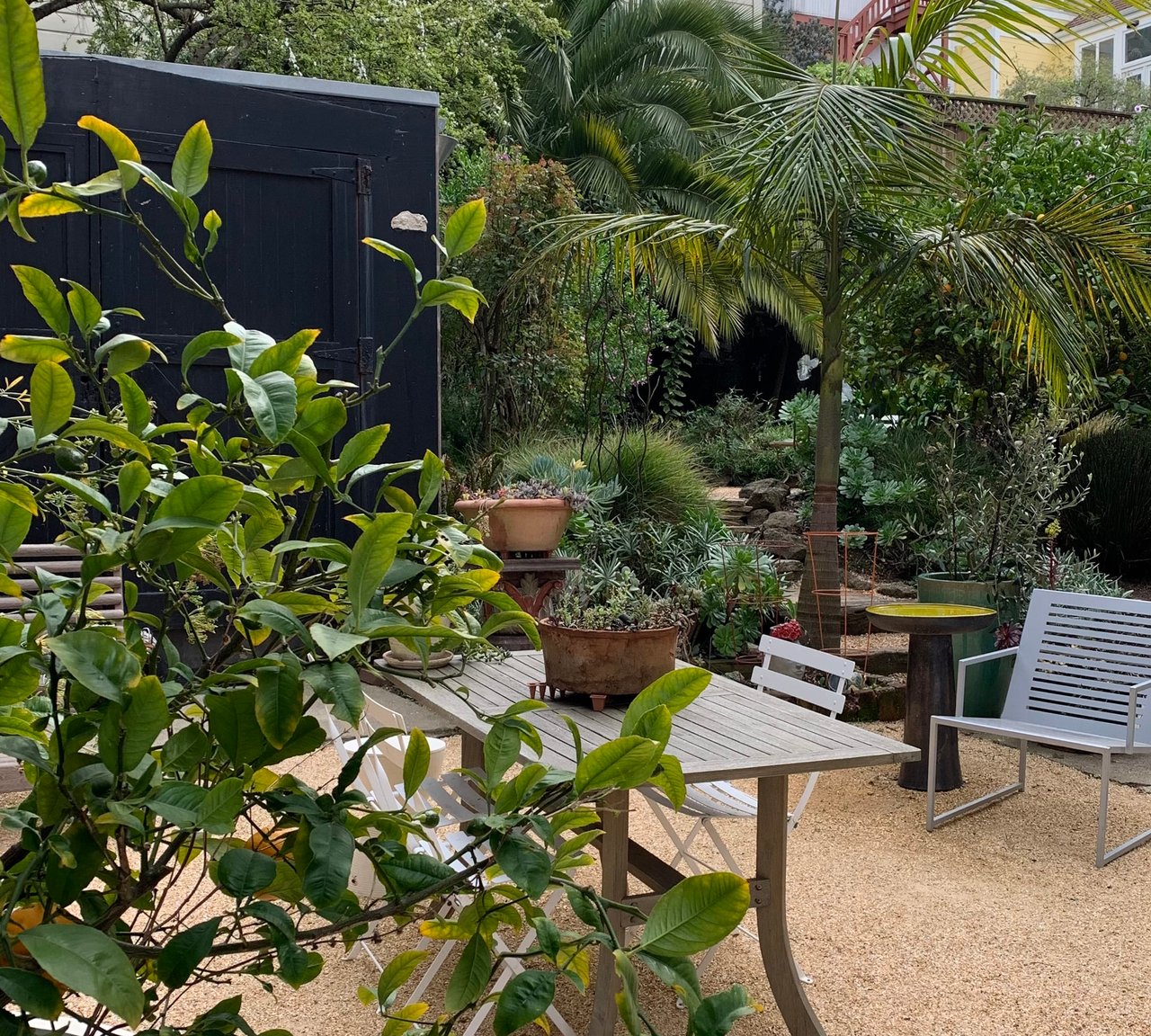
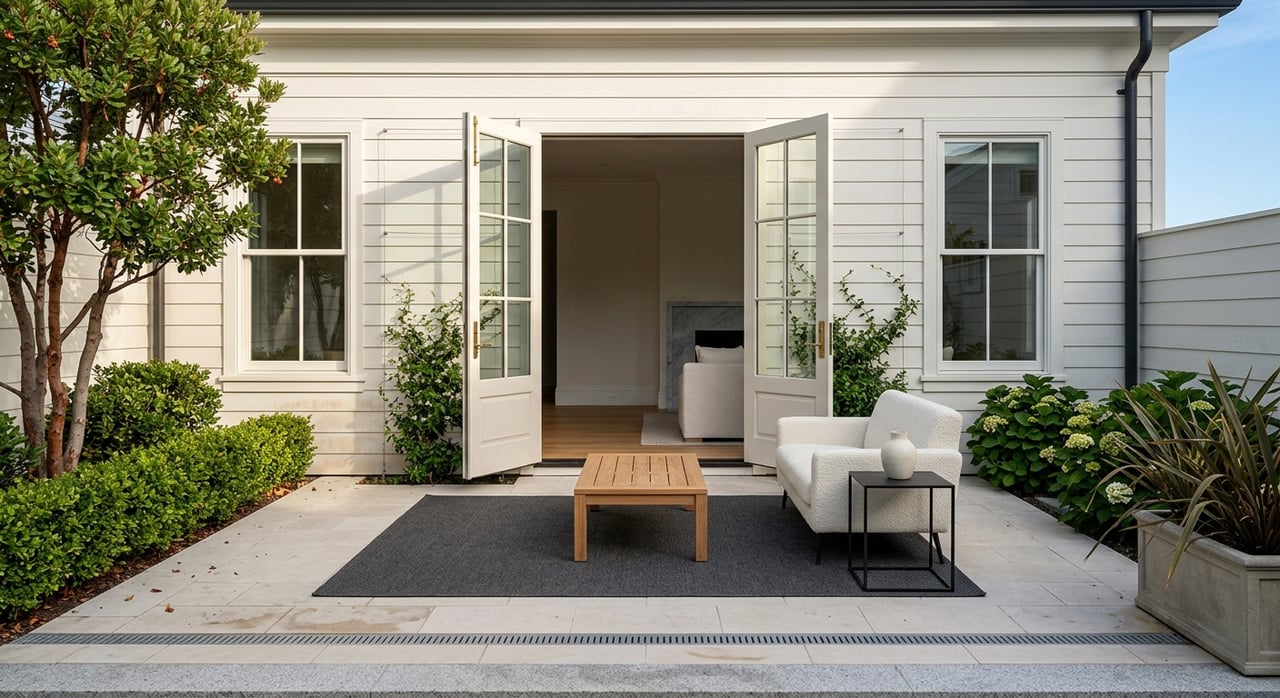
With a house, you may have more direct control over your yard or garden areas. With a condo, you may still have access to outdoor space through a balcony, patio, or other exclusive-use common area, but those spaces exist within a shared ownership structure rather than on an independent lot.
That is why it helps to ask yourself a simple question: do you want outdoor space you fully control, or do you mainly want easy access to great parks nearby? In the Lake District, both paths can work well, but they offer very different ownership experiences.
Comparing Budget and Carrying Costs
Price is often the first filter, but it should not be the only one. In the Lake District, recent market indicators vary by source and metric, but they all place the neighborhood in the multimillion-dollar range.
One recent indicator put neighborhood home value around $2.50 million as of late May 2026. Another showed a median sale price around $3.49 million in March 2026, while another source placed average value around $3.06 million. These are best treated as recent signals rather than one fixed number.
Typical price ranges
The gap between condos and houses can be substantial. Recent neighborhood data suggests that townhouses and condos often sell from a little over $1 million to around $2.5 million, while single-family homes range from about $2.5 million to over $6 million.
That spread is one reason many buyers begin with budget, then refine the choice based on lifestyle. A condo may create an entry point into the Lake District that a single-family home does not, while a house may deliver a different long-term ownership experience if your budget allows.
Monthly and occasional costs
Your monthly cost picture will also differ by property type. In California, the general property tax rate is limited to 1% of assessed value, though local voter-approved debt can push the total rate somewhat higher, and San Francisco bills secured property taxes annually based on the Assessor-Recorder’s assessed value.
For condos, HOA dues, reserve funding, and the possibility of special assessments can materially affect your monthly total. For houses, the monthly budget is usually more exposed to maintenance variability and larger repair costs over time.
Insurance Differences to Know
Insurance is another practical difference between the two options. For condo owners, a unit-owner policy generally covers personal property, loss of use, liability, and interior damage or improvements for which the owner is responsible, while the association generally insures the building structure and common areas.
For a house, coverage works differently because you are insuring the dwelling more directly. The California Department of Insurance says the dwelling limit should be based on rebuild cost rather than market price, which is an important distinction in a high-value neighborhood like the Lake District.
A Simple Way to Decide
If you feel torn, focus on three decision points first. They tend to clarify the choice faster than square footage alone.
Ask yourself:
- How much private outdoor space do you truly need?
- How much maintenance do you want to handle yourself?
- How comfortable are you with HOA governance, dues, and shared decision-making?
If your answers point toward privacy, flexibility, and long-term customization, a house may be the better fit. If your answers point toward ease, shared upkeep, and a more streamlined routine, a condo may be the better fit.
The Lake District Lens
In many San Francisco neighborhoods, the house-versus-condo question is mostly about size and price. In the Lake District, it is also about setting.
Because this area combines a low-rise residential feel with exceptional access to the Presidio, Crissy Field, and Mountain Lake Park, both property types can support a strong lifestyle. The best choice comes down to whether you want that lifestyle paired with private control and greater responsibility, or with easier upkeep and shared structure.
If you want help weighing the numbers and the day-to-day fit, working with someone who understands San Francisco micro-markets can make the decision much clearer. For tailored guidance on Lake District houses and condos, connect with Adelaida Mejia.
FAQs
What is the main difference between a Lake District house and condo?
- A house usually offers more privacy, control, and direct responsibility for maintenance, while a condo usually offers shared upkeep through an HOA along with rules, dues, and common-area ownership.
What do Lake District condos typically cost compared with houses?
- Recent neighborhood data suggests condos and townhouses often sell from a little over $1 million to around $2.5 million, while single-family homes often range from about $2.5 million to over $6 million.
What should you review before buying a Lake District condo?
- You should review the HOA rules, dues, budget, reserve study, and the possibility of special assessments so you understand both current costs and future building needs.
Why does outdoor space matter in the Lake District home search?
- Outdoor space matters because the neighborhood offers both potential private space in some houses and unusually strong public park access through the Presidio, Crissy Field, and Mountain Lake Park.
How are property taxes handled for Lake District homes?
- In California, the general property tax rate is limited to 1% of assessed value, though local voter-approved debt may increase the total somewhat, and San Francisco bills secured property taxes annually based on assessed value.
How does insurance differ between a Lake District condo and house?
- Condo unit-owner policies generally cover your belongings, liability, loss of use, and certain interior items, while the association generally insures the building structure and common areas; with a house, you insure the dwelling more directly based on rebuild cost.