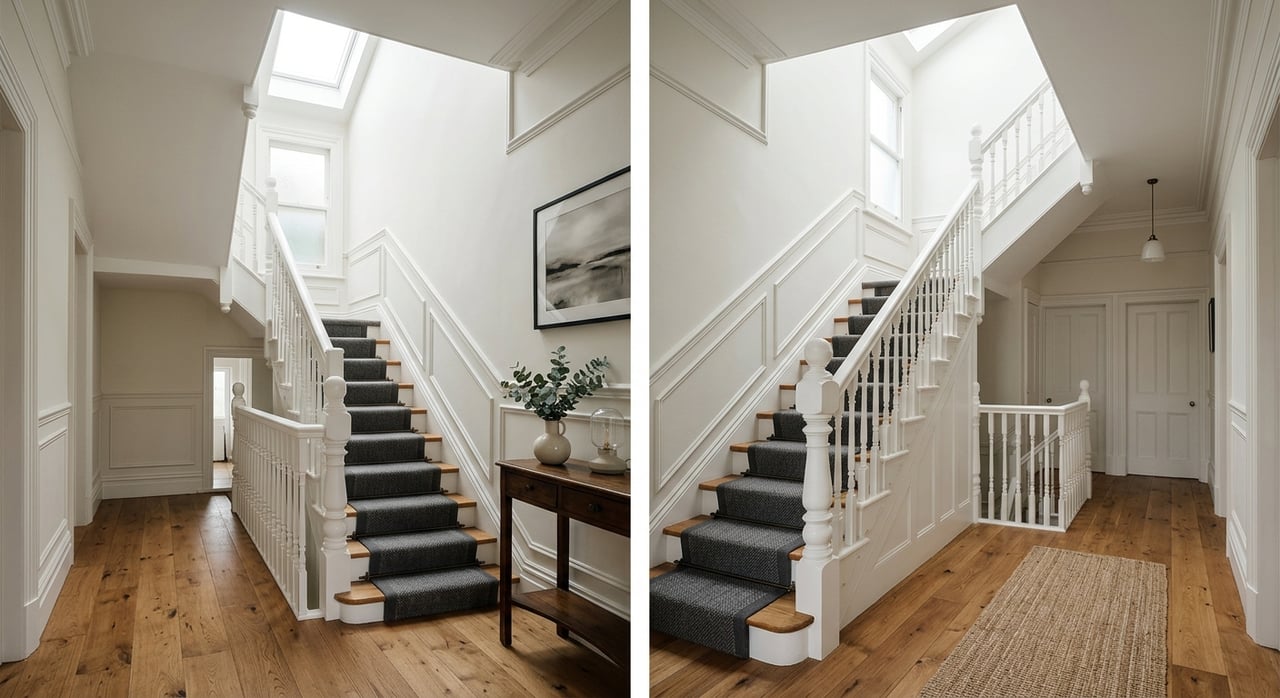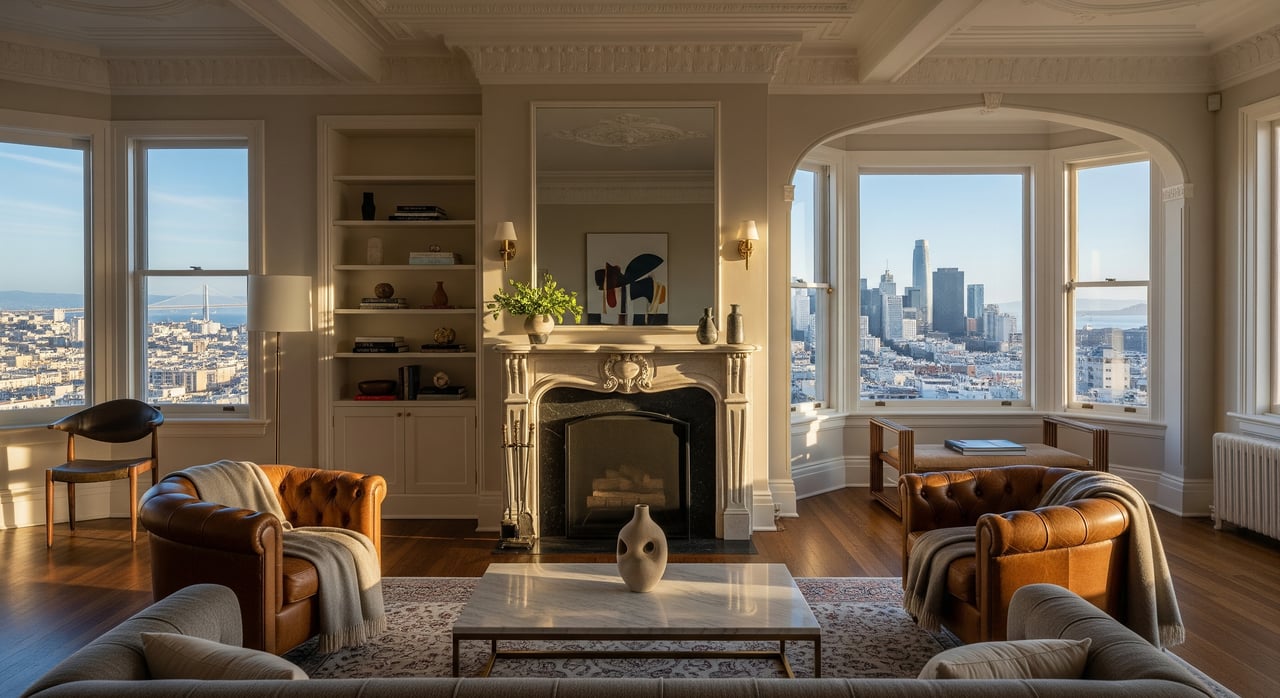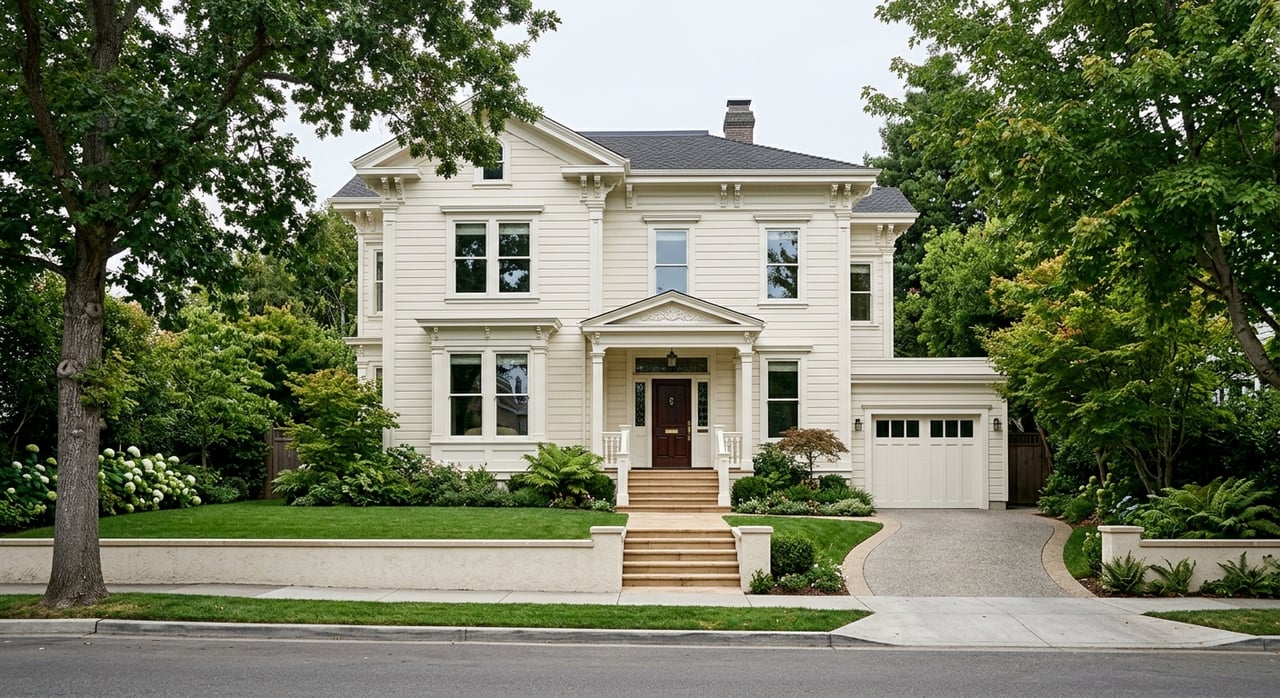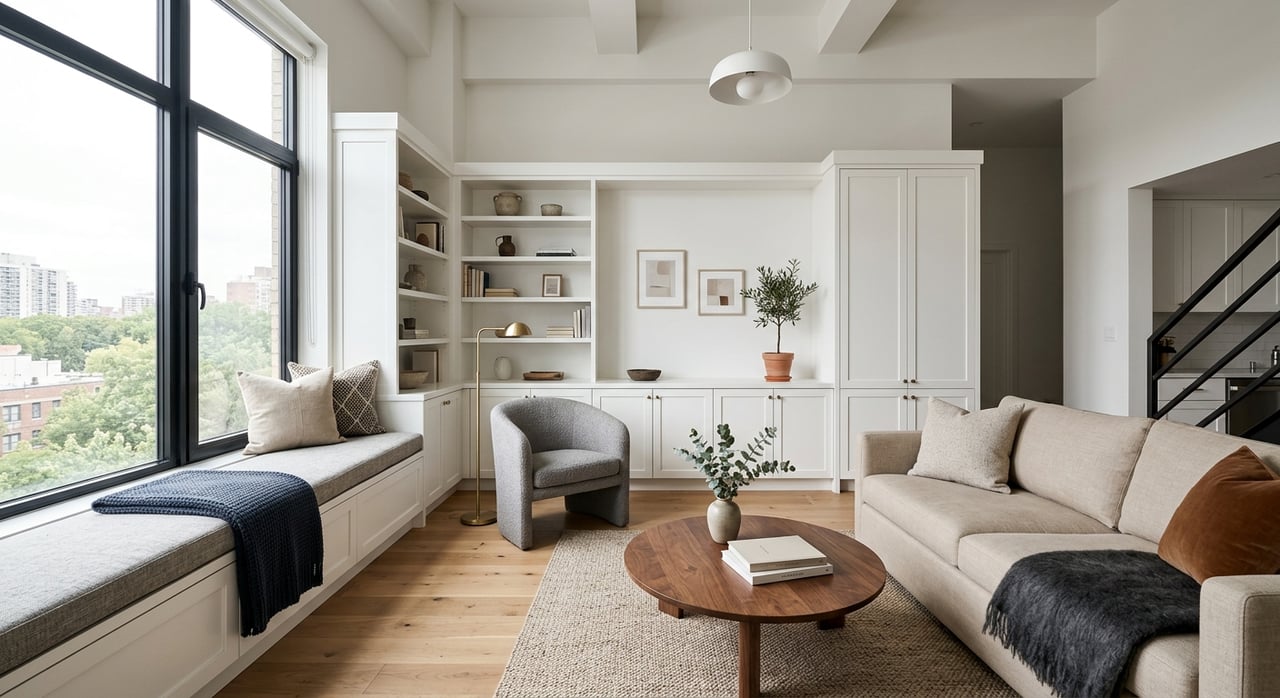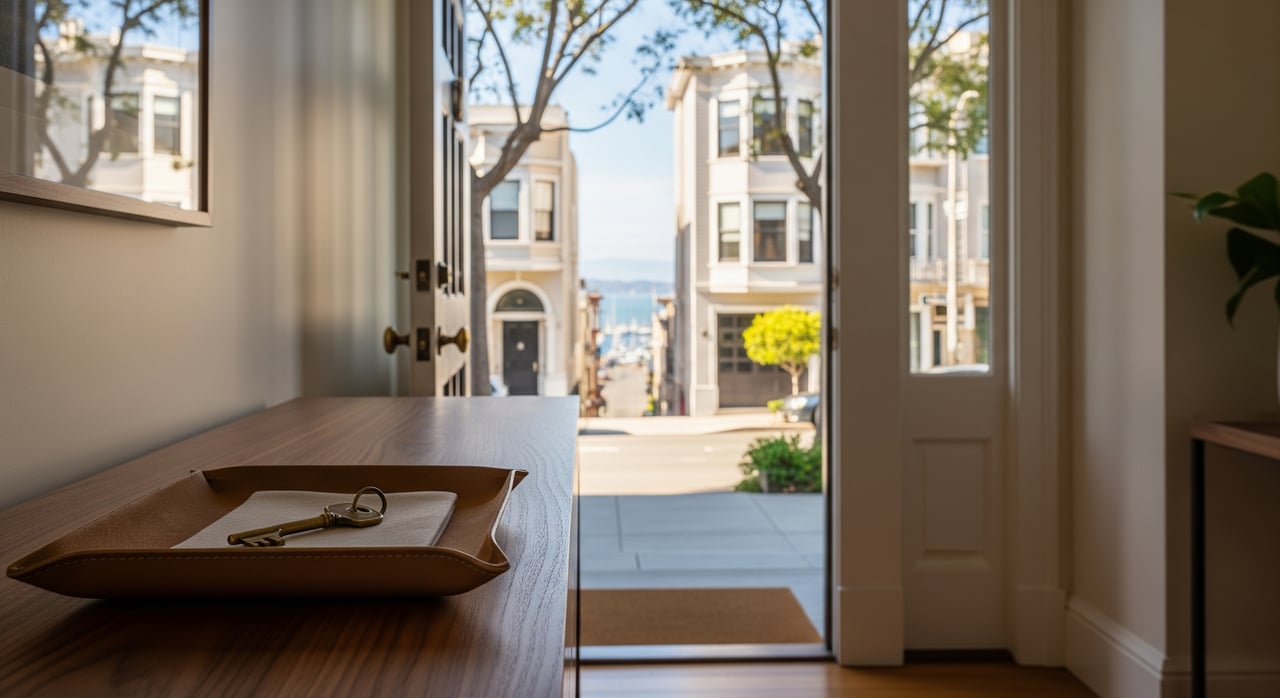
Do you pick the postcard skyline view or the sunny, all-day glow? In Potrero Hill, the answer can shift within a single block. If you are torn, you are not alone. In this guide, you will learn how the hill’s topography and micro-blocks shape both view and natural light, what trade-offs to expect, and how to test homes so you can buy with confidence. Let’s dive in.
Potrero Hill basics
Potrero Hill is true to its name. Short changes in elevation create big differences in what you see and how much sun reaches your rooms. Homes on ridgelines often take in wide angles toward downtown, the Bay, and bridges. South-facing slopes tend to receive stronger direct sunlight across the day, even if the long-range view is limited.
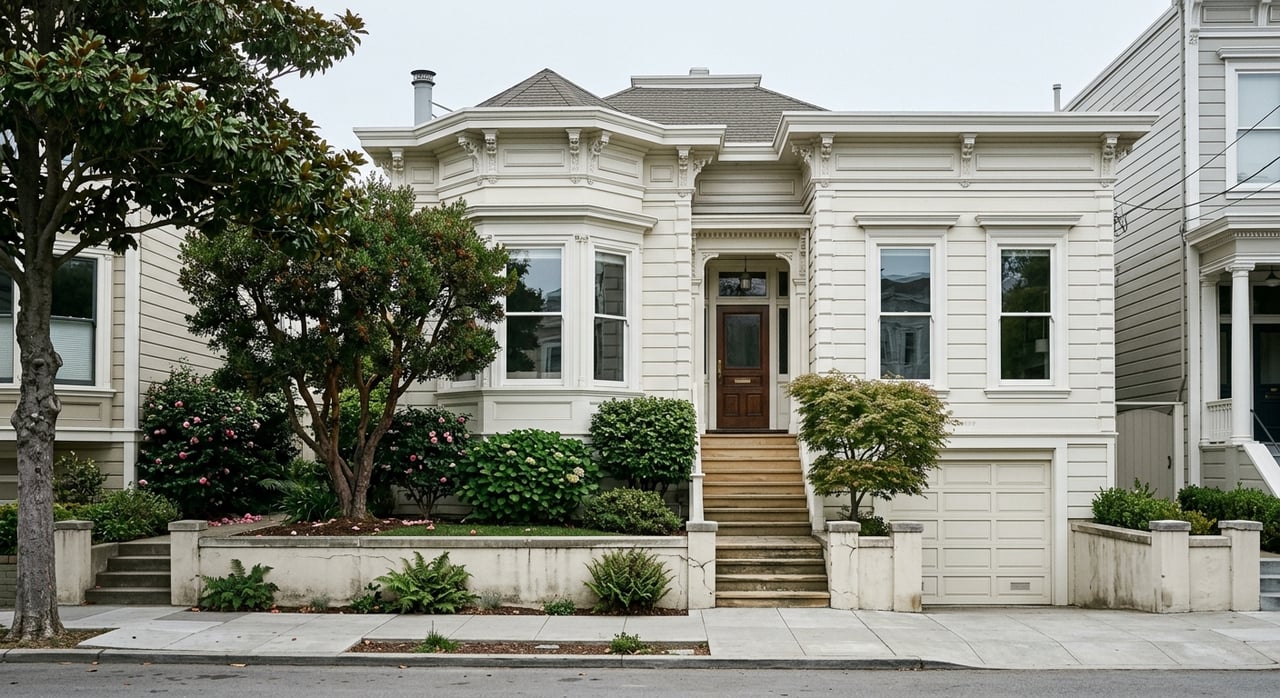
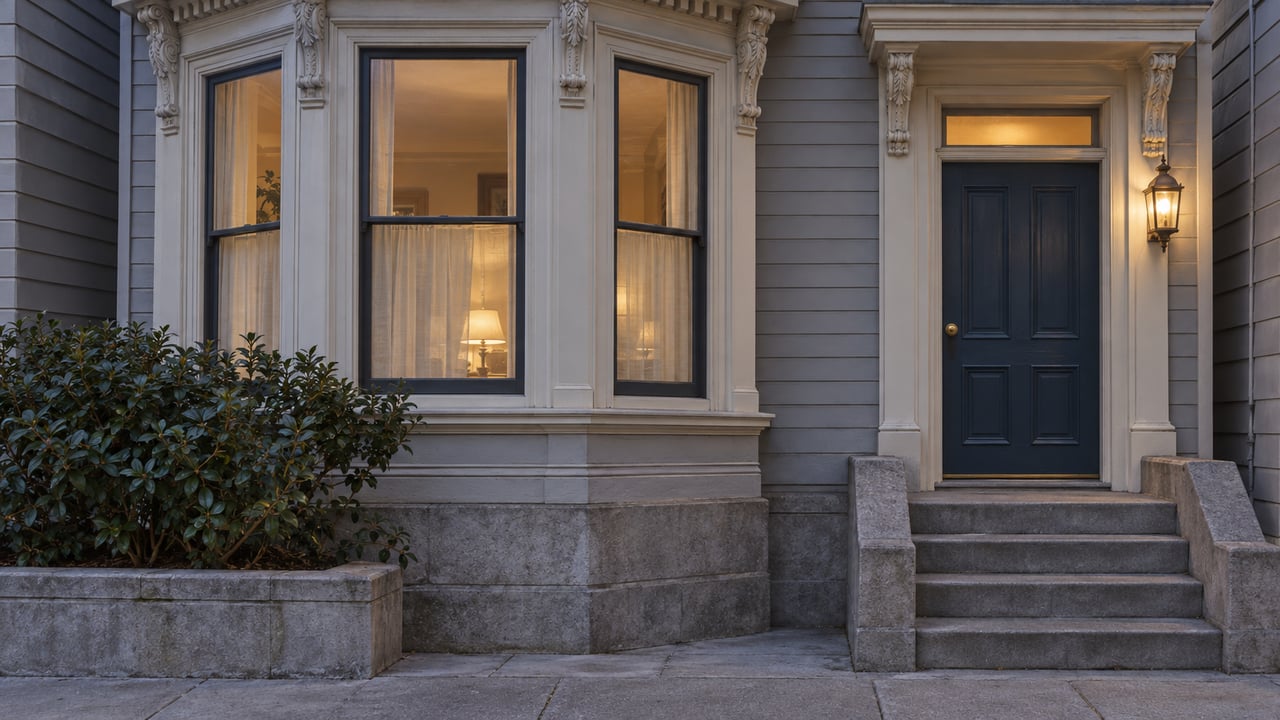
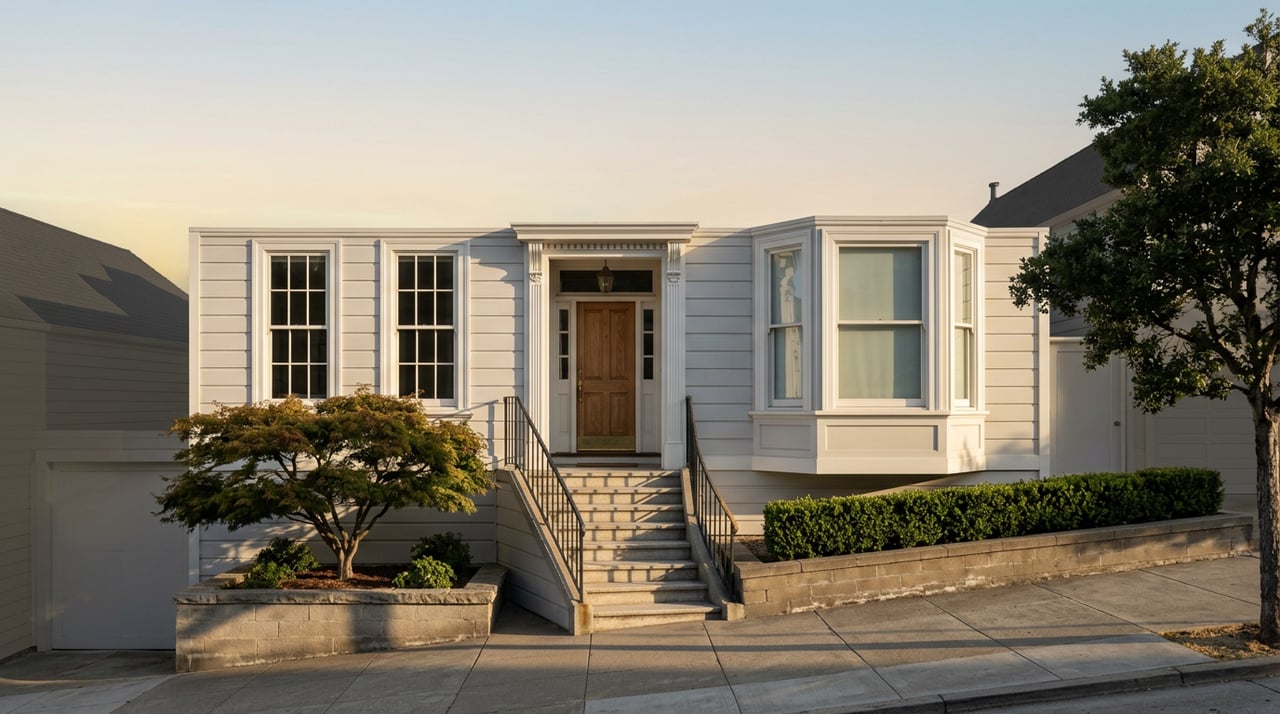
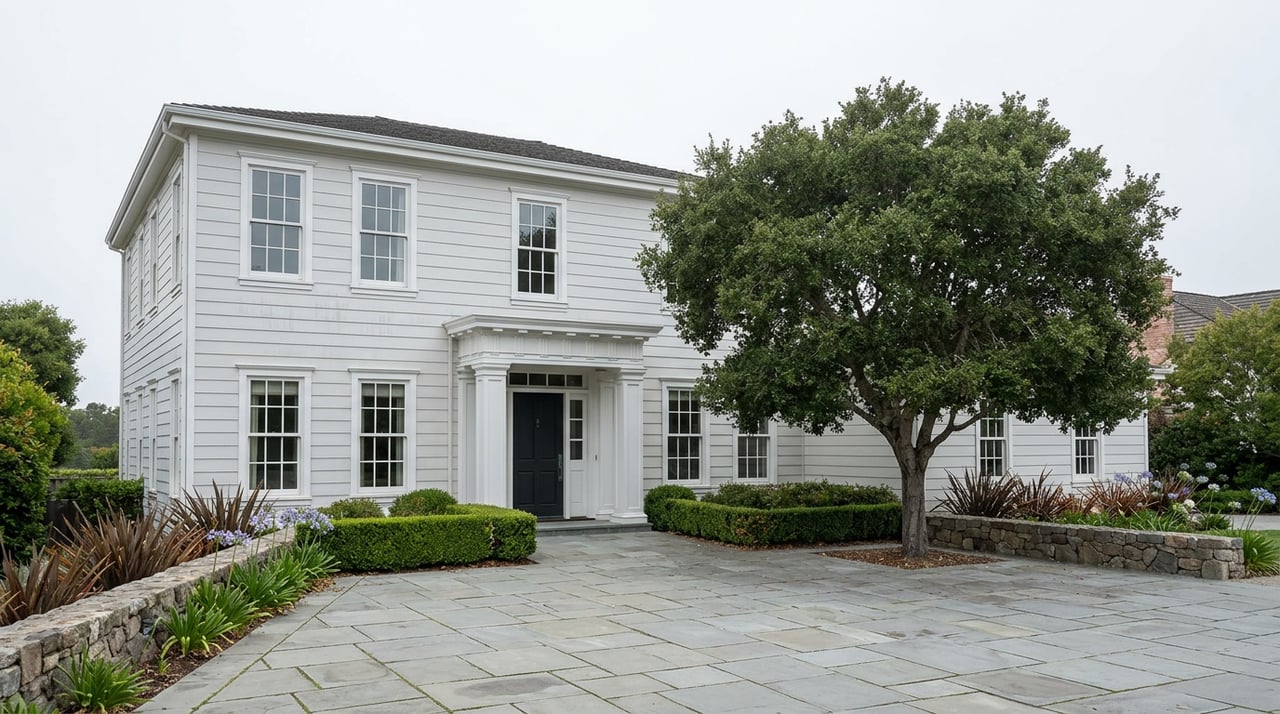
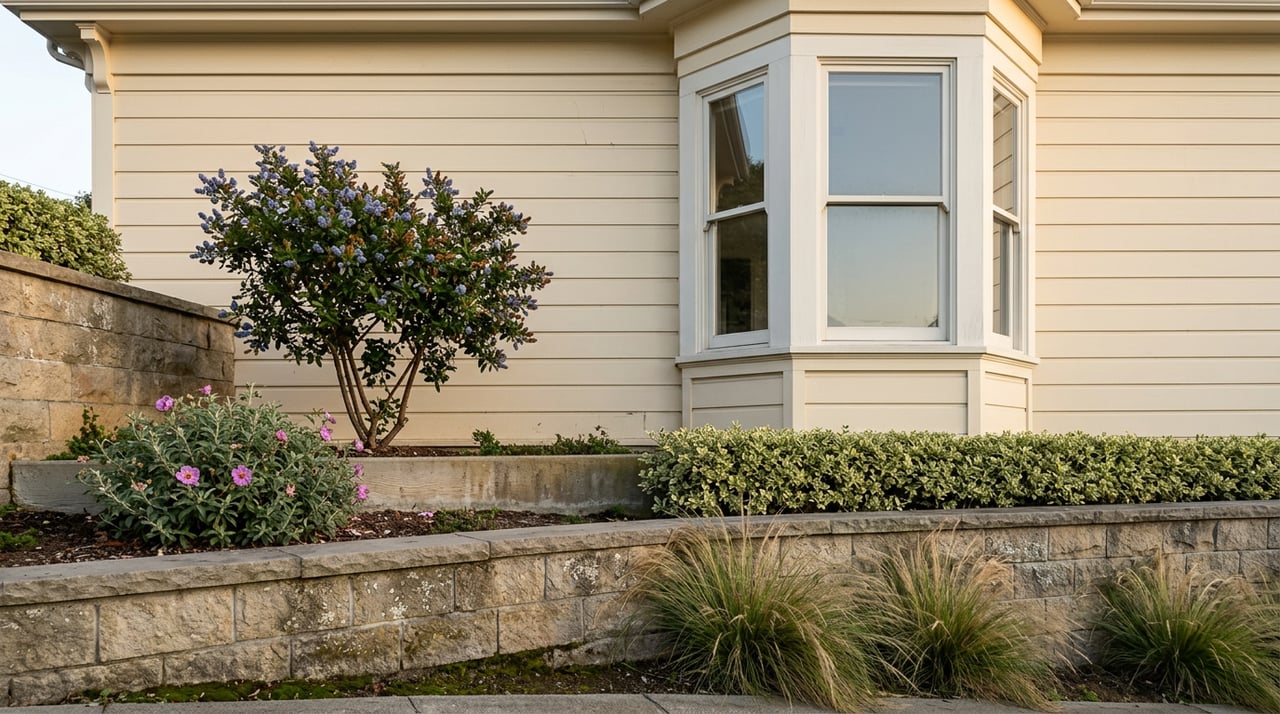
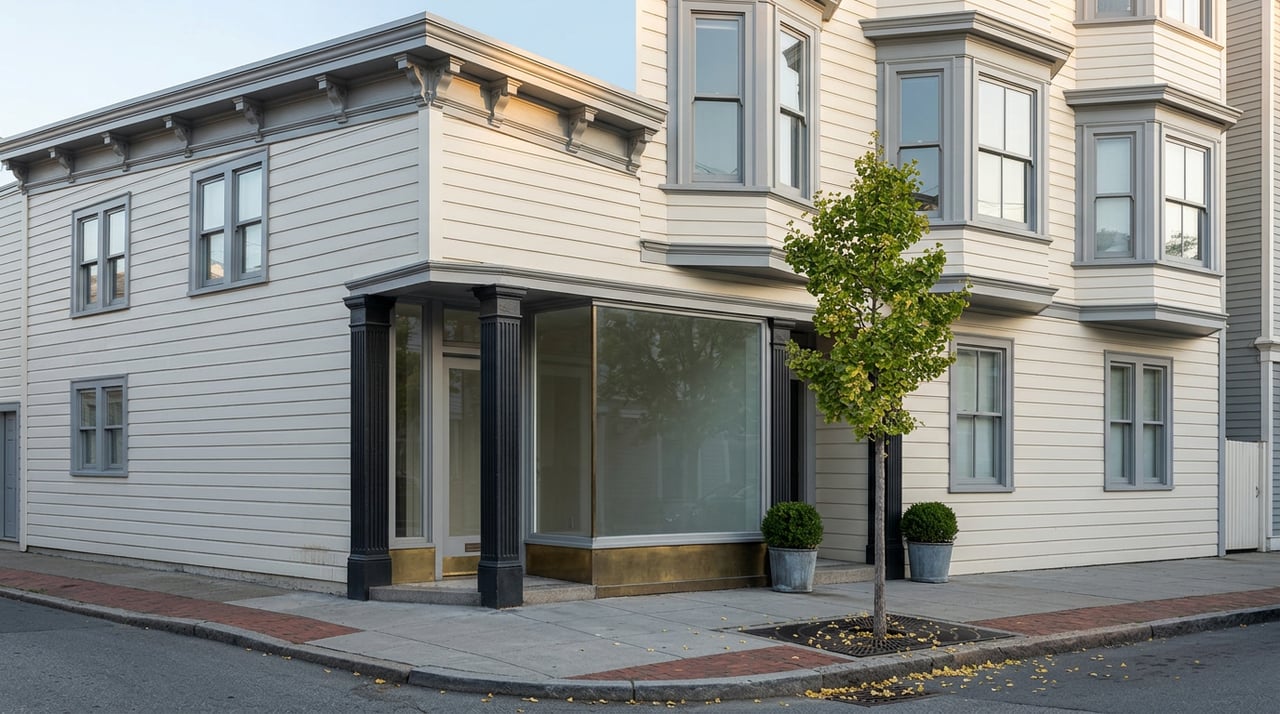
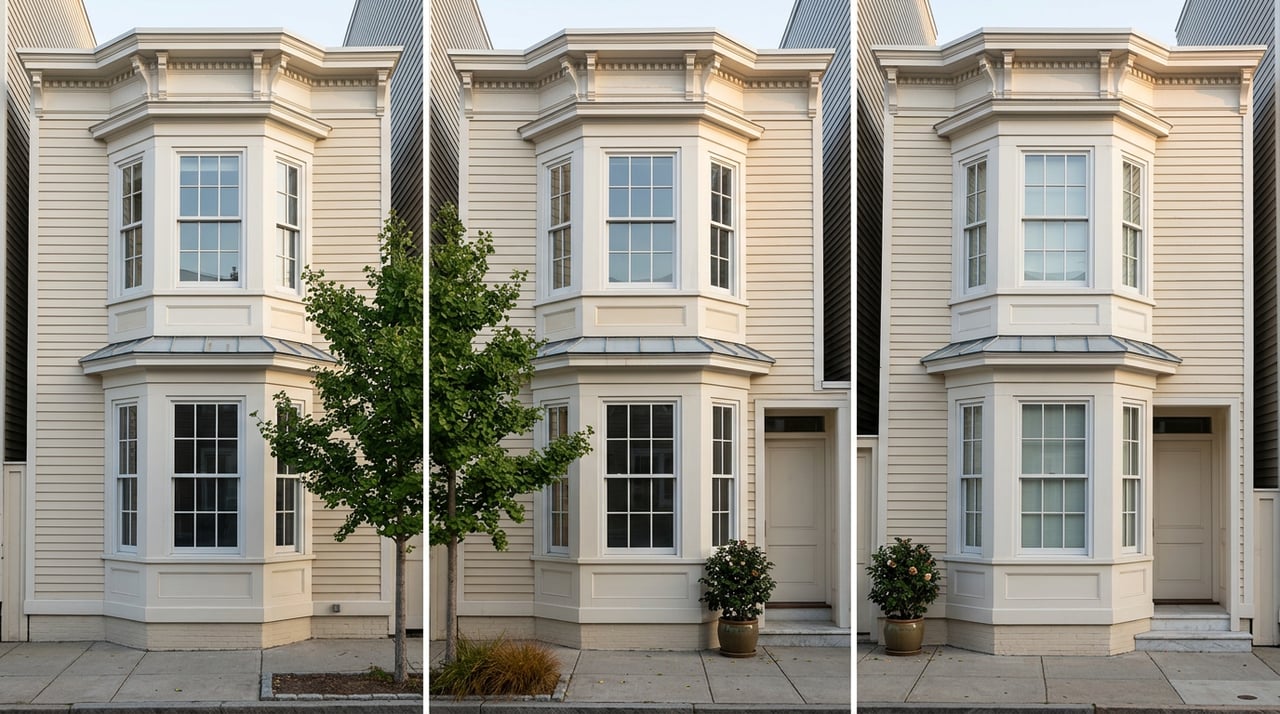
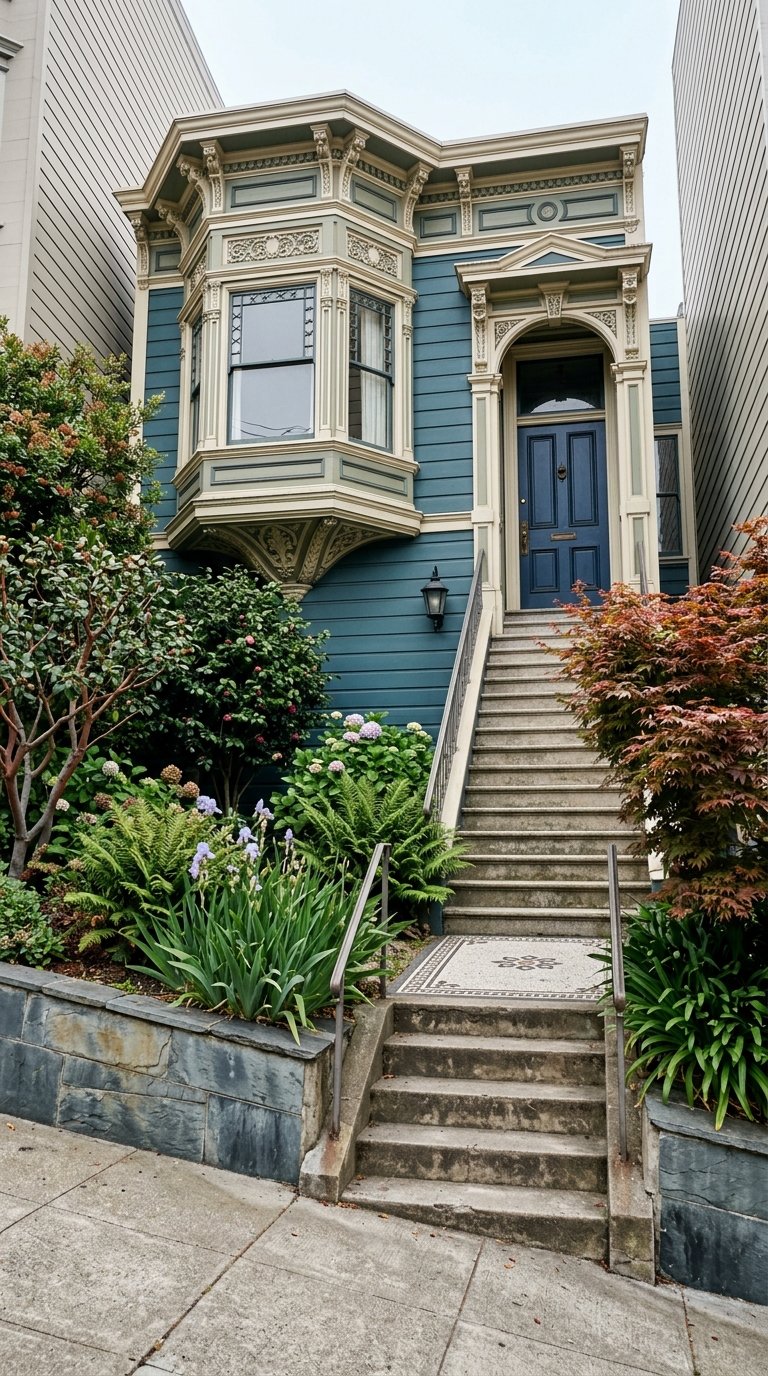
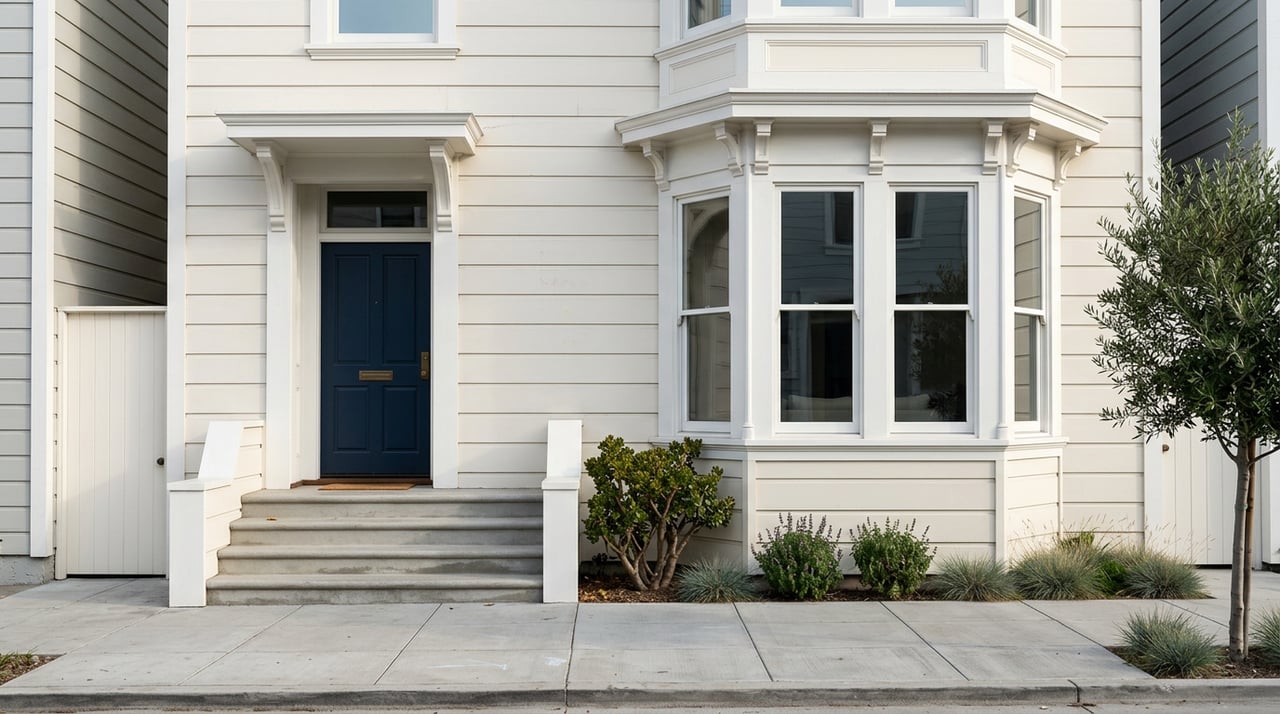
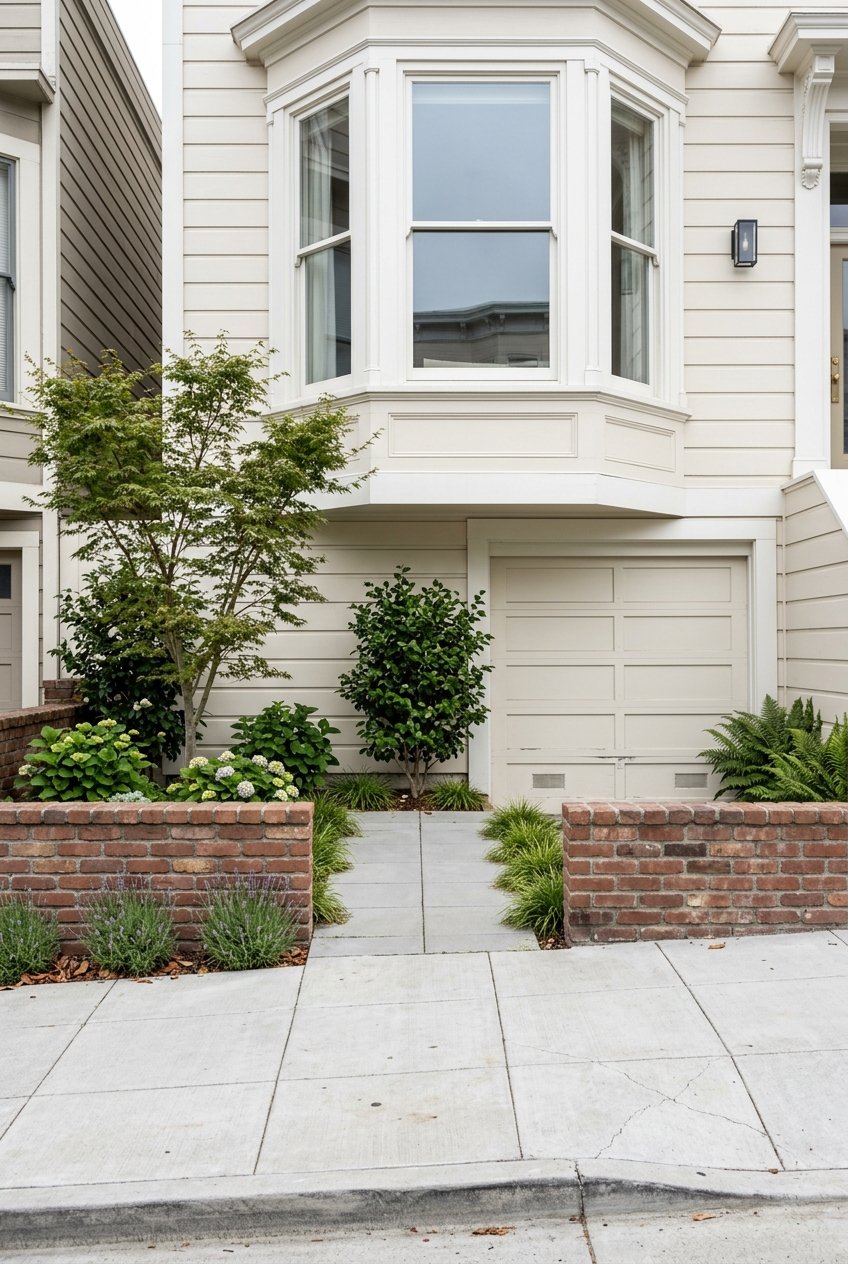
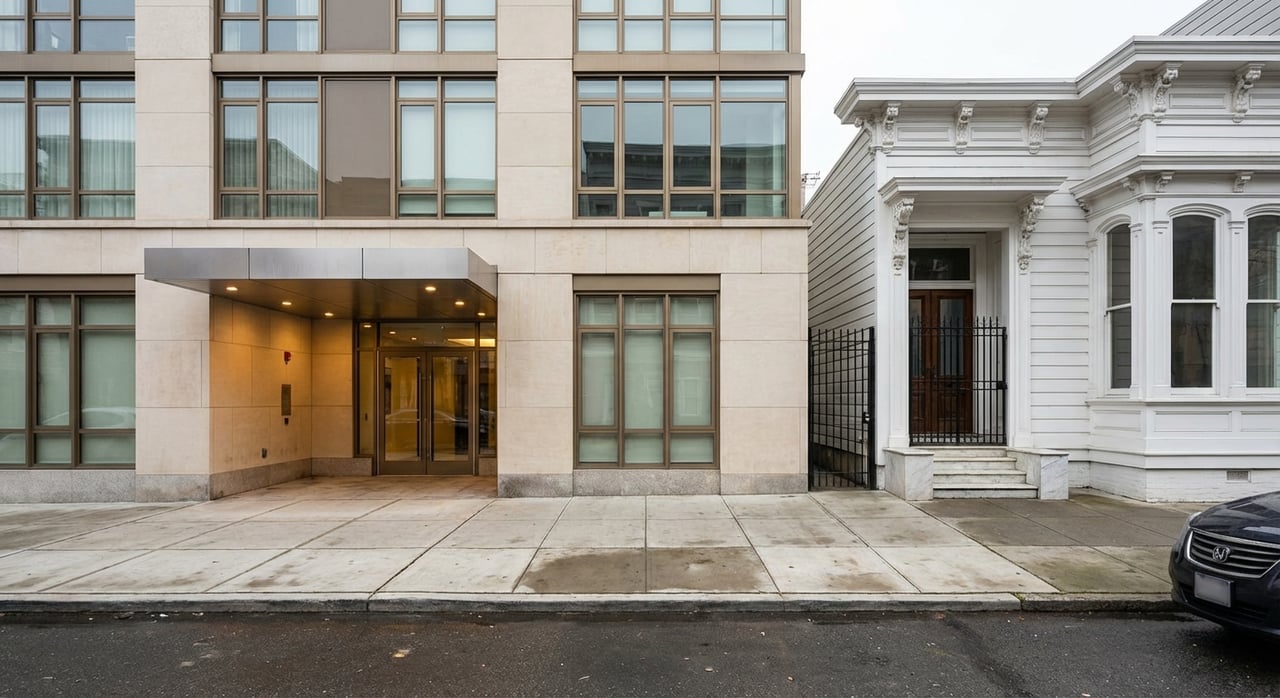
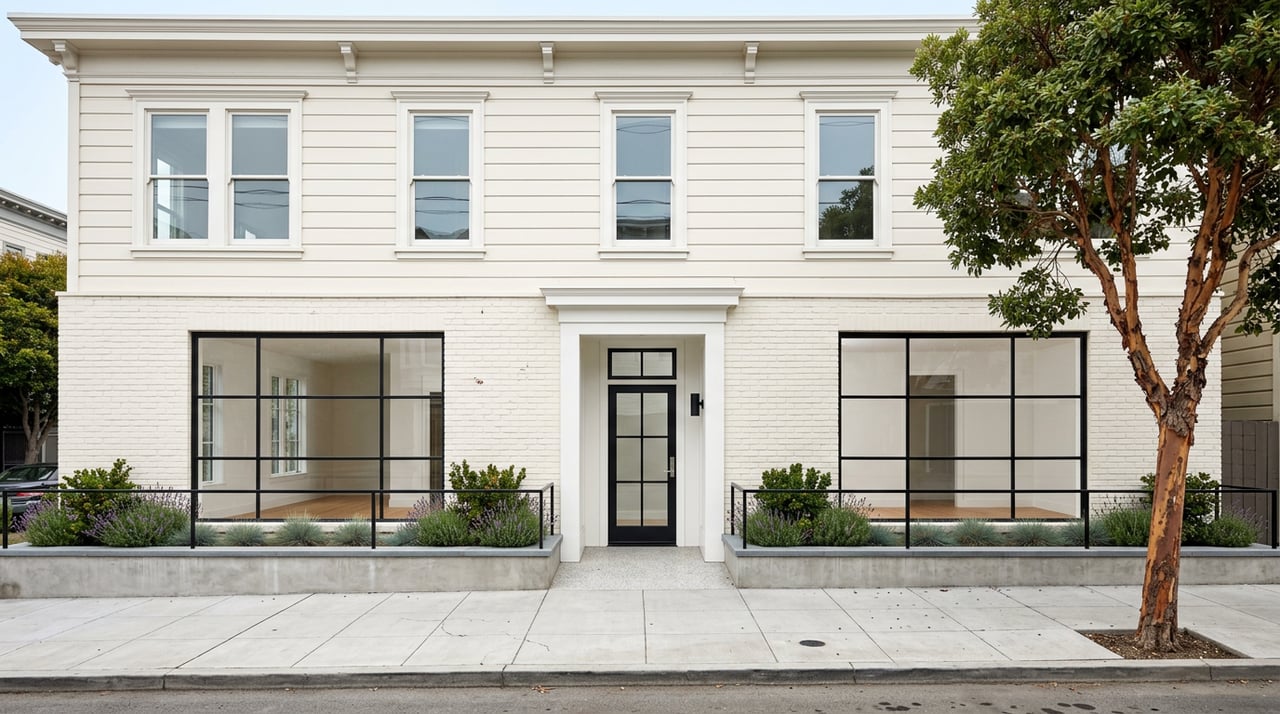
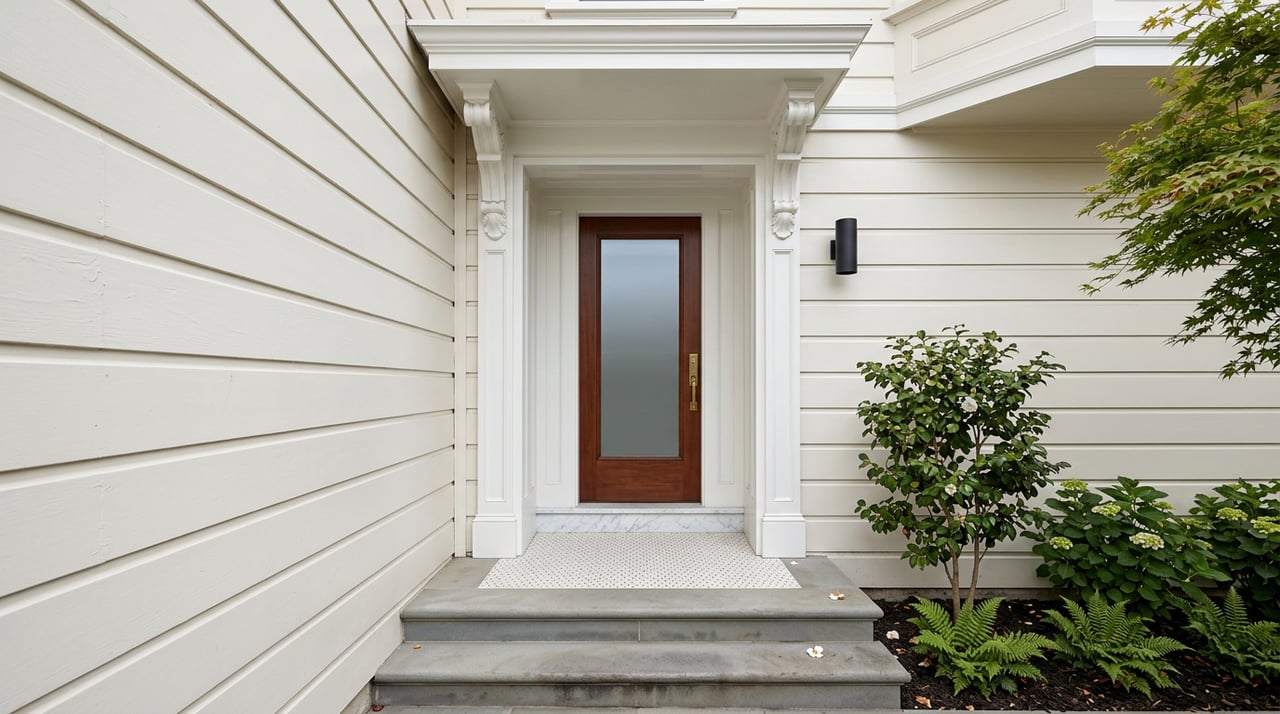
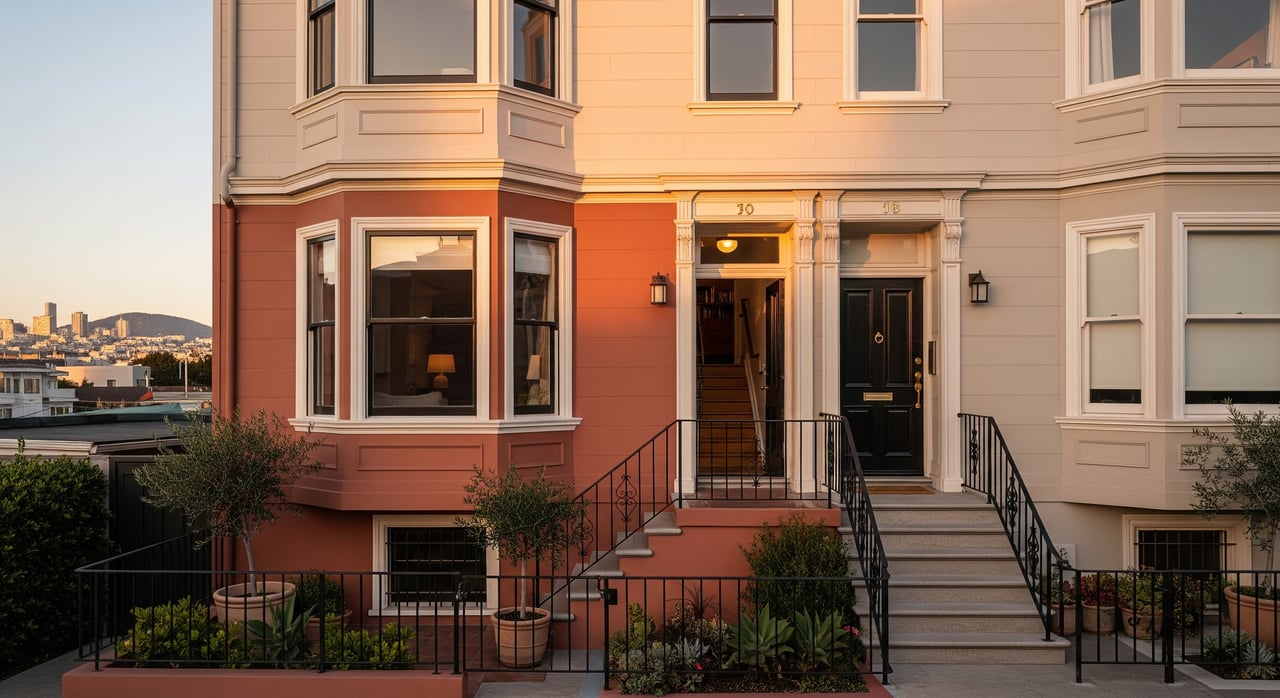
Housing types vary by block. You will find Victorian and Edwardian rowhouses, mid-century single-family homes, and newer condos. Attached buildings can limit cross-ventilation and side light, while corner and detached homes often gain multiple exposures and better daylight. Setbacks, lot width, and side yards all change how light penetrates and how private your windows feel.
If you plan to add or enlarge windows, skylights, or dormers, expect standard San Francisco permitting. Some properties may have historic or zoning overlays that limit exterior changes. Always check requirements with city departments before you design structural changes.
View vs light, defined
What counts as a view
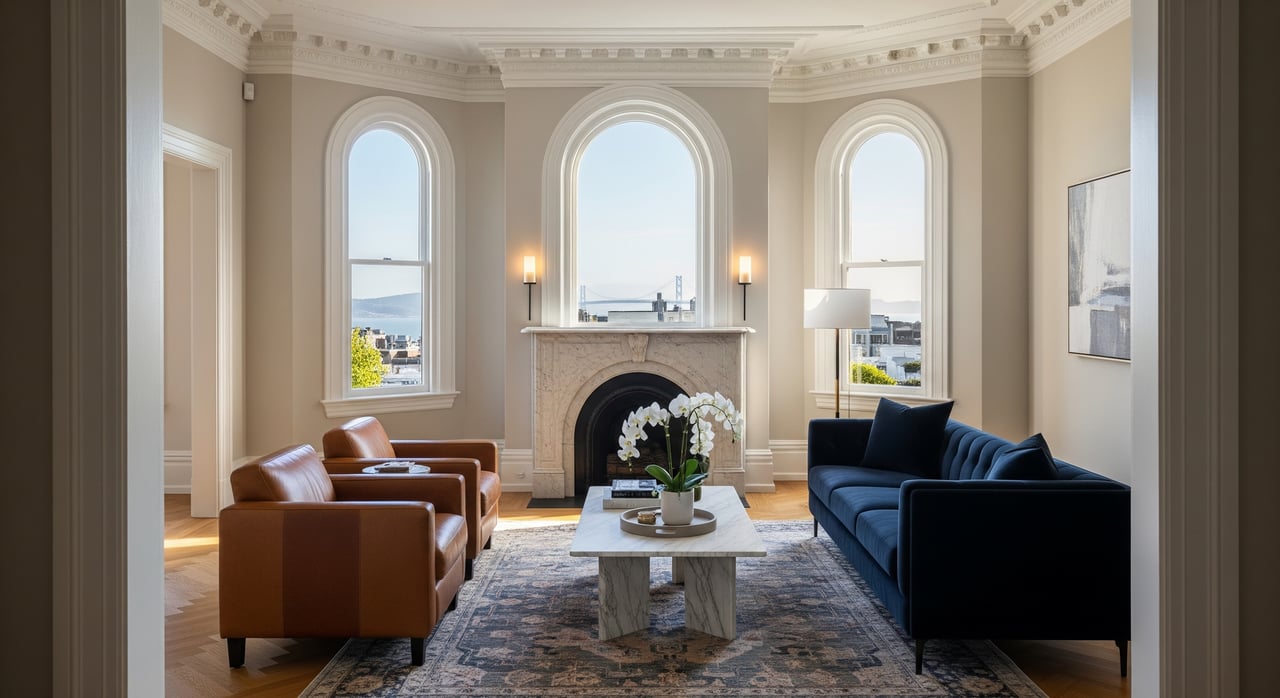
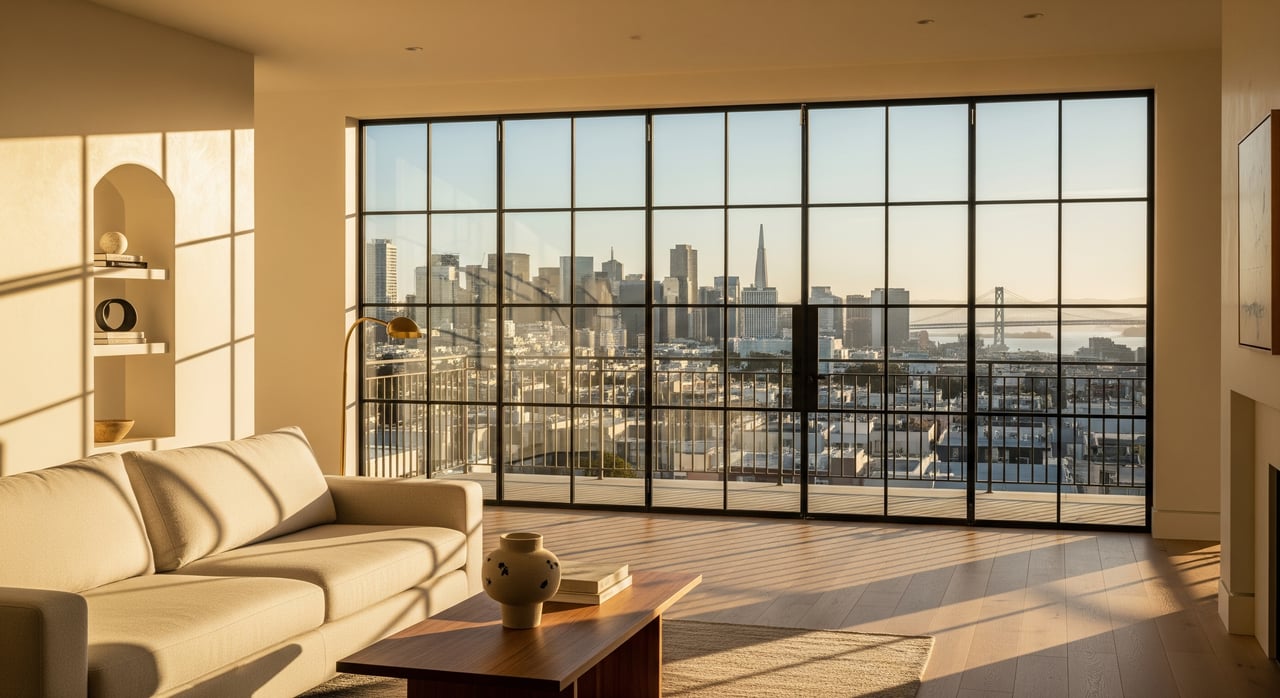
A view is visual access to landmarks, water, skyline, or open vistas. In Potrero Hill, view quality is often tied to elevation and to northerly or northeasterly orientations that face downtown and the Bay. The best results come when sightlines clear nearby roofs, trees, and street obstructions.
What good light means
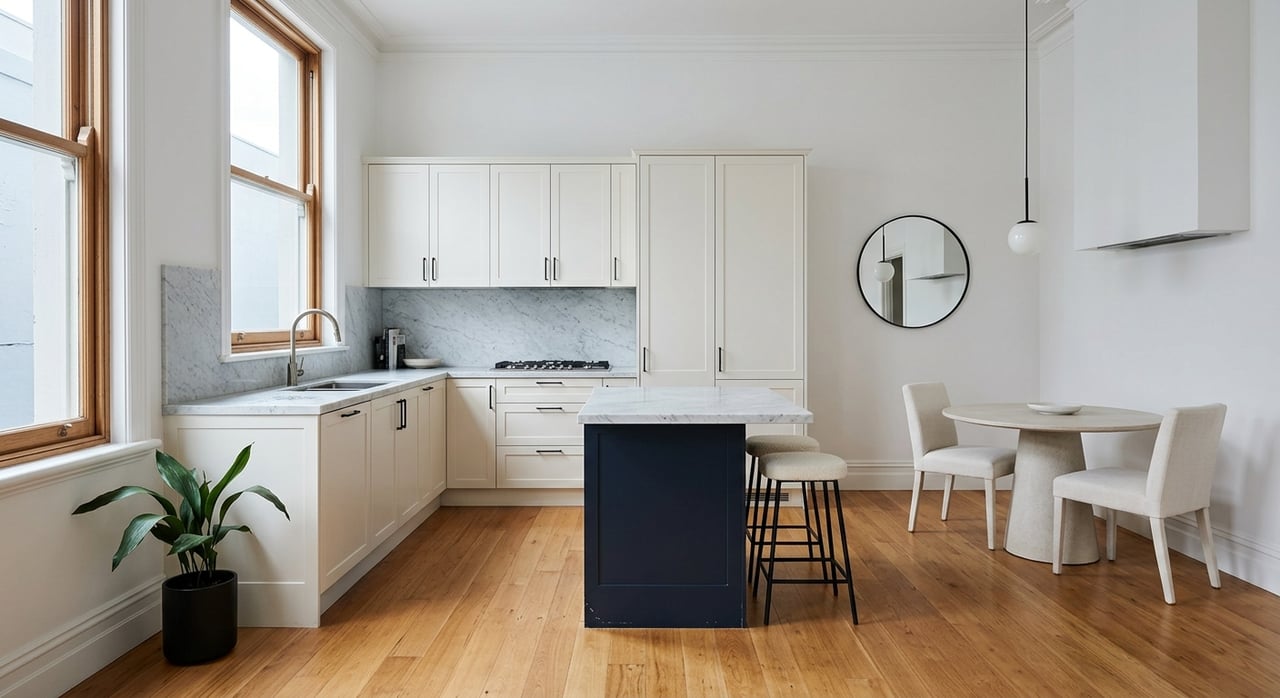
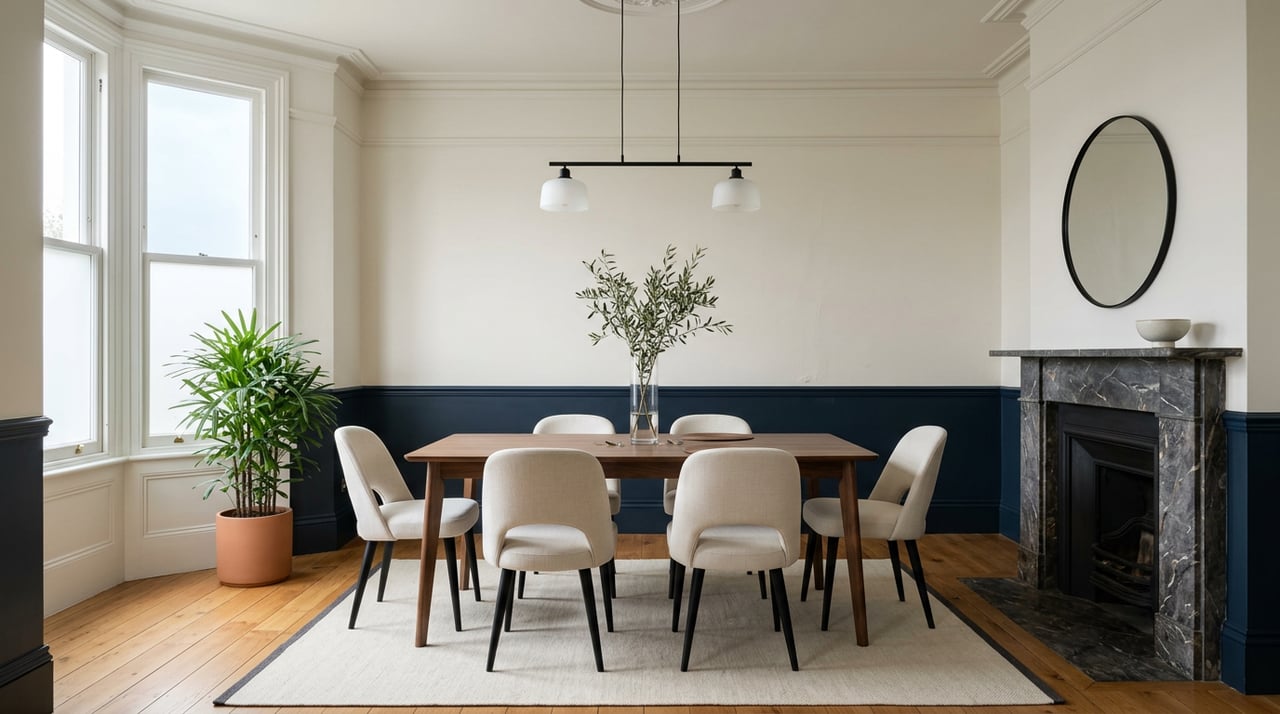
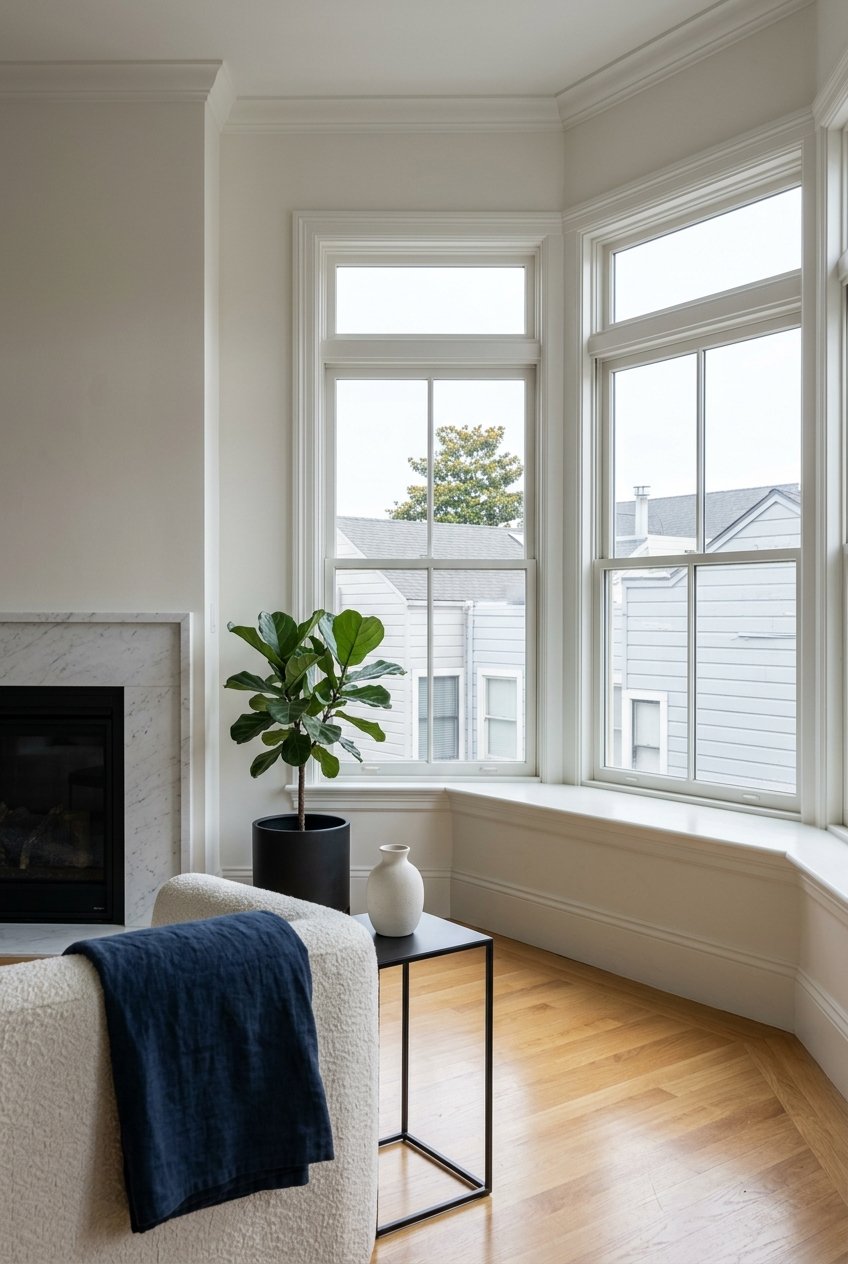
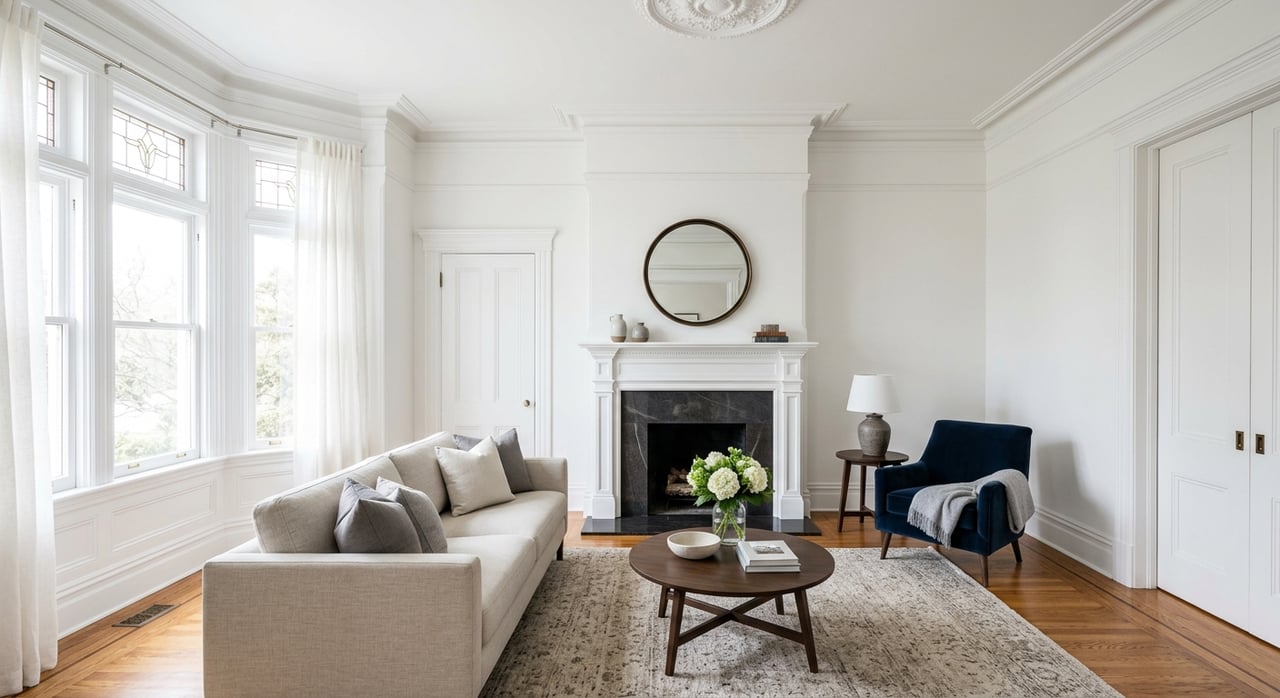
Natural light is the quality and quantity of daylight through the day. South and west exposures usually deliver the most direct sun in the Northern Hemisphere, while multiple exposures help balance morning and afternoon light. Interior finishes and window size matter too, since brighter surfaces reflect light deeper into a space.
How blocks shape outcomes
- Ridge-top unit: You may capture panoramic Bay or skyline views with bright, indirect light. North-facing living rooms often feel luminous without harsh glare, but they may see less direct afternoon sun.
- South-facing slope home: Expect generous direct sun from morning through late day. Distant views may be limited, with outlooks to inner blocks or neighboring roofs instead of the skyline.
- Corner or detached home: Multiple exposures can offer a smart blend. You might orient living areas toward the view and place bedrooms or offices on the sunniest side for comfort and function.
Trade-offs that matter
Lifestyle and daily use
View-first buyers tend to prioritize living rooms and outdoor areas that frame the skyline, especially in the evening. You may accept cooler interiors and less direct morning light in exchange for the vista. Light-first buyers want bright, usable spaces throughout the day and often favor south or west living areas for daily routines.
Privacy and sightlines
Large view windows can increase visibility into your home, especially on tight blocks. You can mitigate with window height, setbacks, planting, or layered interior treatments. If buildings sit close together, plan privacy early so you protect either the view or the daylight you value.
Noise and street exposure
Some view-facing windows look toward busier corridors or public spaces. South-facing exposures can land on quieter residential blocks, but this varies. Acoustic glazing and thoughtful room placement help reduce noise if that is a concern.
Energy and upkeep
More glass can increase solar heat in the afternoon and cooling needs in warmer spells. Performance glazing and shading keep interiors comfortable while preserving light or views. Large windows often need more frequent cleaning, especially at upper floors.
Resale and perception
In San Francisco markets, a dramatic view often commands attention and can carry a premium that depends on quality, framing, and competing inventory. Bright, well-daylit interiors also attract a broad buyer pool and tend to photograph and stage well. Compare recent local comps to see how your target block values each attribute.
Design moves that help
Windows and glazing
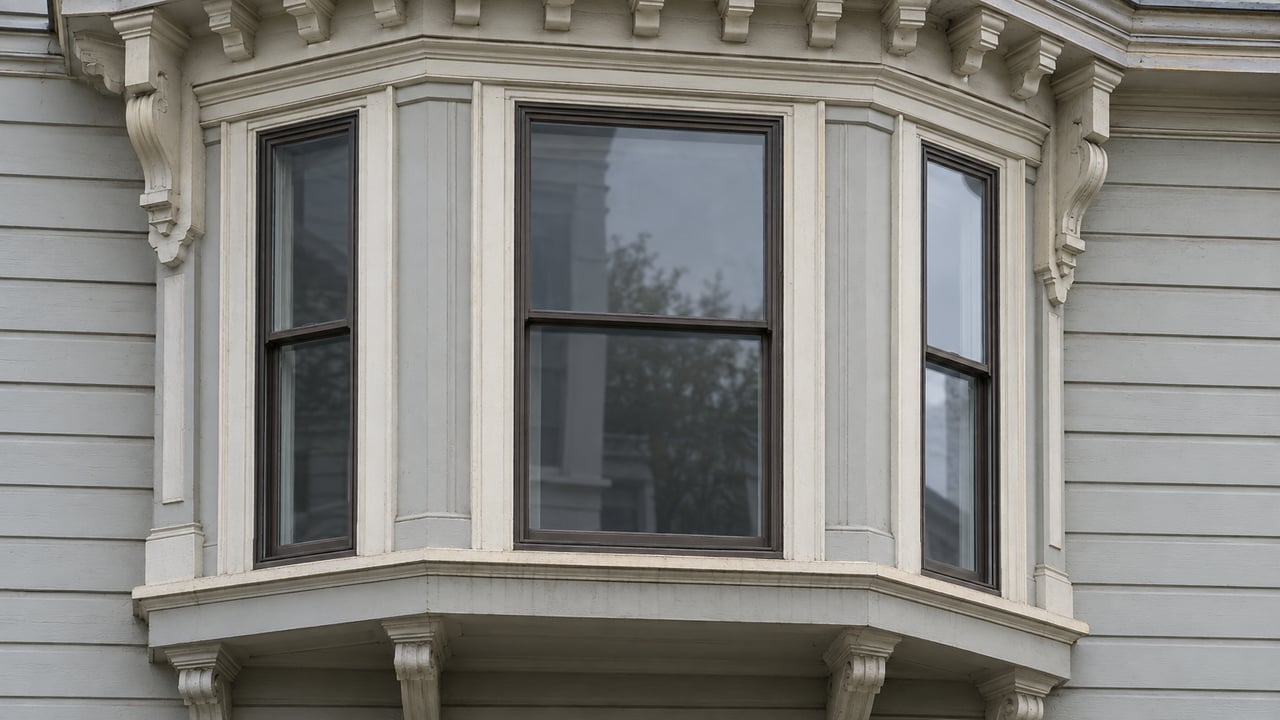
- Choose double- or triple-pane units with low-E coatings for comfort and clarity.
- Balance visible light transmittance with solar heat gain to reduce glare and heat.
- Consider acoustic glazing if your view faces a busy corridor.
- Privacy glass, patterns, or switchable options can help, subject to local rules and costs.
Layout and fenestration
- Place primary living spaces on the preferred exposure, whether that is the view or the brightest side.
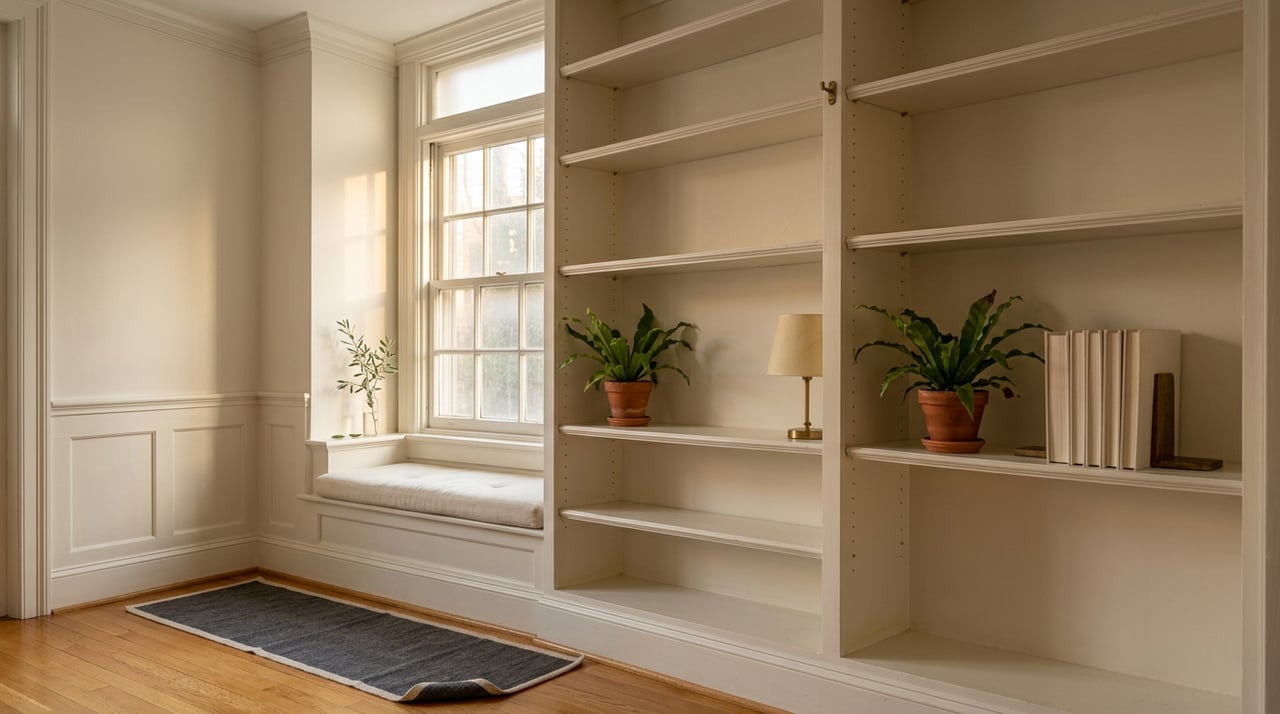
- Use clerestories, transoms, or high windows to pull light deeper while preserving privacy and wall space.
- Open plans and interior glass can extend daylight to central zones without sacrificing acoustic control.
Shading and glare control
- Exterior shading, like eaves or operable screens, is effective for comfort while admitting daylight.
- Interior solutions such as motorized roller shades or layered curtains let you fine-tune privacy and glare through the day.
Privacy solutions
- Strategic landscaping, where allowed, creates living privacy buffers.
- Subtle room rotations or furniture placement can reduce direct sightlines while keeping a view.
- Films or translucent panes preserve light with better privacy at close neighbors.
Costs and permits
- Window replacement or enlargement, new skylights, and exterior alterations often require permits. Historic overlays may add review steps and timelines.
- High-performance or electrochromic systems cost more upfront. Weigh comfort gains and possible resale benefits when budgeting.
Touring checklist by time of day
- Morning: Check bedrooms and east-facing rooms for warmth and glare. Note how you feel getting ready for the day.
- Midday: Evaluate south exposures for brightness and light reach into living, dining, and kitchen zones.
- Afternoon to early evening: Test west-facing glare, interior temperature, and outdoor use. This is also the time to assess skyline colors and the view’s emotional impact.
- Overcast days: See how rooms read with diffuse light. This matters in coastal microclimates.
On every showing, do these checks
- Use a sun-path app to confirm orientation and seasonal angles.
- Take comparable photos in major rooms to spot glare and dark corners.
- Try the window coverings, awnings, or screens to see actual control and ease of use.
- Sit where you will live: sofa, dining table, desk, and bed. Confirm view quality, privacy, and comfort from those positions.
Simple decision rubric
Use this quick scoring method to compare a “view-first” home to a “light-first” home. Assign weights to what matters most and score each option from 1 to 5.
Suggested criteria and example weights:
- Daily lifestyle fit (30%)
- Long-term resale appeal (20%)
- Privacy (15%)
- Comfort and energy (15%)
- Cost and feasibility of improvements (10%)
- Maintenance and trade-offs (10%)
How to score:
- Rate each home 1 to 5 on each criterion, multiply by the weight, then sum totals.
- If daily lifestyle is your priority, give it the highest weight. A home with a top score in lifestyle can still win even if privacy scores lower, depending on your values.
Quick yes/no checks for showings:
- Does the primary living space sit on your preferred exposure? (Y/N)
- Can you add shading or privacy without losing the main asset? (Y/N)
- Are there permit constraints for the changes you want? (Y/N)
- How does the home feel morning, midday, and afternoon? (notes)
- What do comps show for similar view or light on this block? (ask your agent)
For sellers: stage for both
- Keep window treatments layered but minimal so buyers can test daylight and privacy.
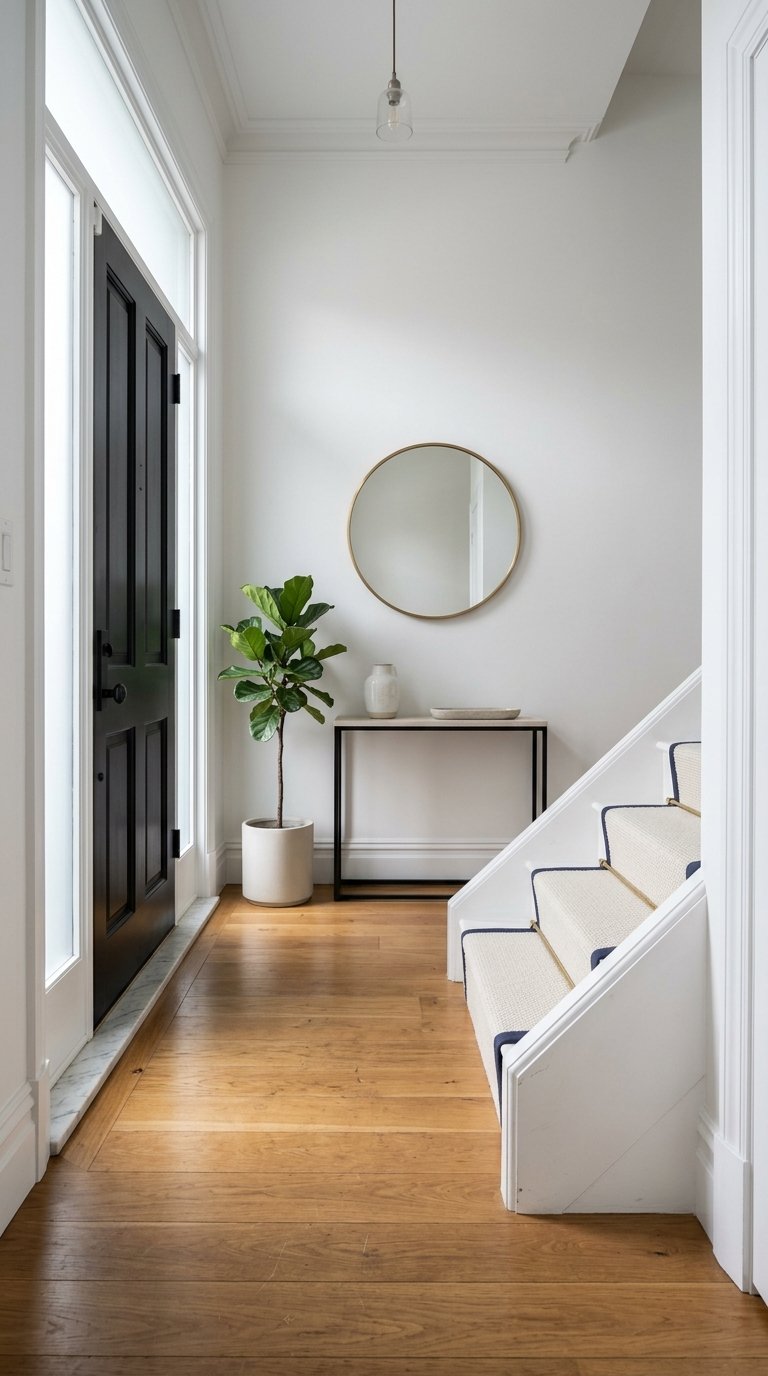
- Use light-colored walls and reflective accents to carry light deeper in photos and showings.
- Orient seating to showcase the view or the brightest exposure, and emphasize balconies or decks in view properties.
- Demonstrate control: program shades, show awnings in use, and highlight any acoustic or performance glazing.
Your next step
Choosing between view and light in Potrero Hill comes down to how you live, how you photograph and present the home, and what the block allows. With careful testing across dayparts and a clear plan for privacy and comfort, you can secure the feature that matters most without compromising resale. If you want a designer’s eye on layout, light, and presentation, connect with Adelaida Mejia for tailored guidance on your shortlist.
FAQs
What does a “view” mean in Potrero Hill real estate?
- It is visual access to the skyline, Bay, bridges, or broad open vistas, typically tied to higher elevation and unobstructed northerly sightlines.
How can I test natural light before buying in Potrero Hill?
- Visit at morning, midday, and late afternoon, use a sun-path app, take comparable photos, and note glare, temperature, and privacy from real seating positions.
Which exposure gives the most all-day light in Potrero Hill homes?
- South and west exposures usually provide the strongest direct sun, while multiple exposures balance morning and afternoon light across rooms.
Does a skyline view always cost more in Potrero Hill?
- Views often command a premium, but value depends on view quality, framing, and current inventory, so compare recent block-level comps.
Will I need a permit to add bigger windows or a skylight in San Francisco?
- Many exterior changes, enlarged openings, and skylights require permits, and some properties may have historic or zoning reviews, so verify before planning.