If you are thinking about selling in Noe Valley, preparation can shape your result more than you might think. In a neighborhood where homes often move quickly, buyers notice presentation right away, both online and in person. The good news is that you do not need to guess what matters most. With the right plan, you can focus on the updates, staging, and pricing decisions that help your home stand out from day one. Let’s dive in.
Why preparation matters in Noe Valley
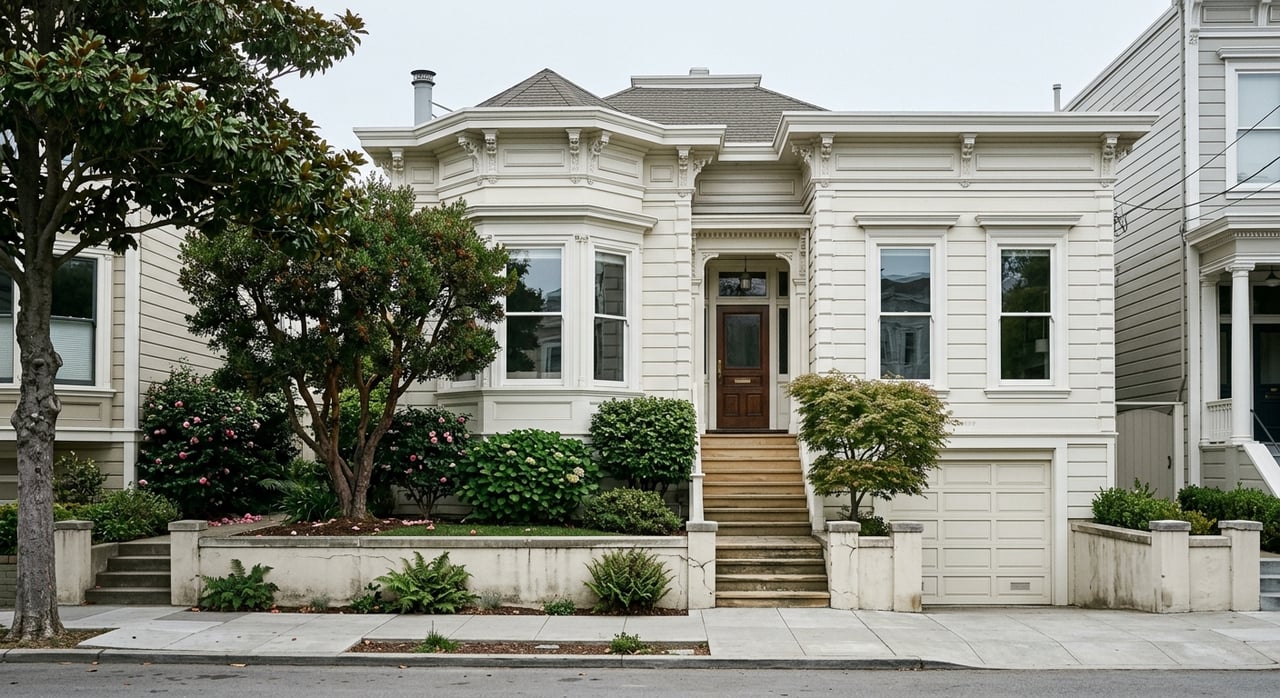
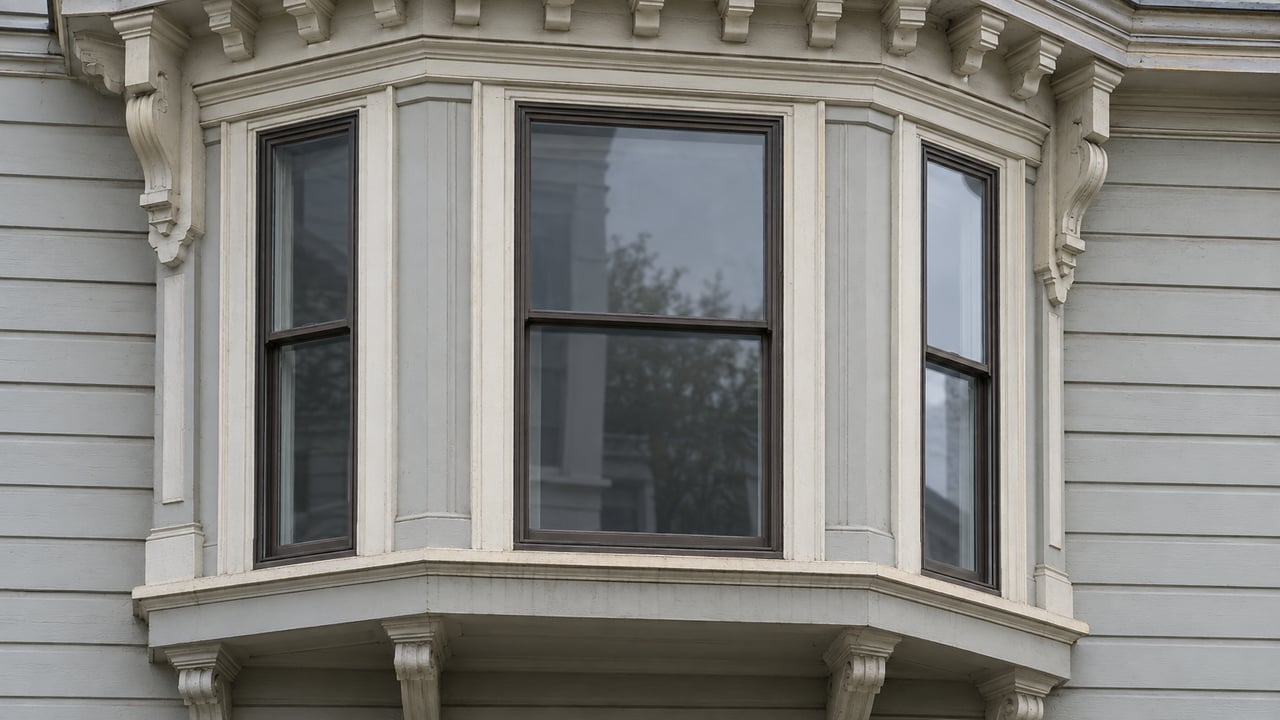
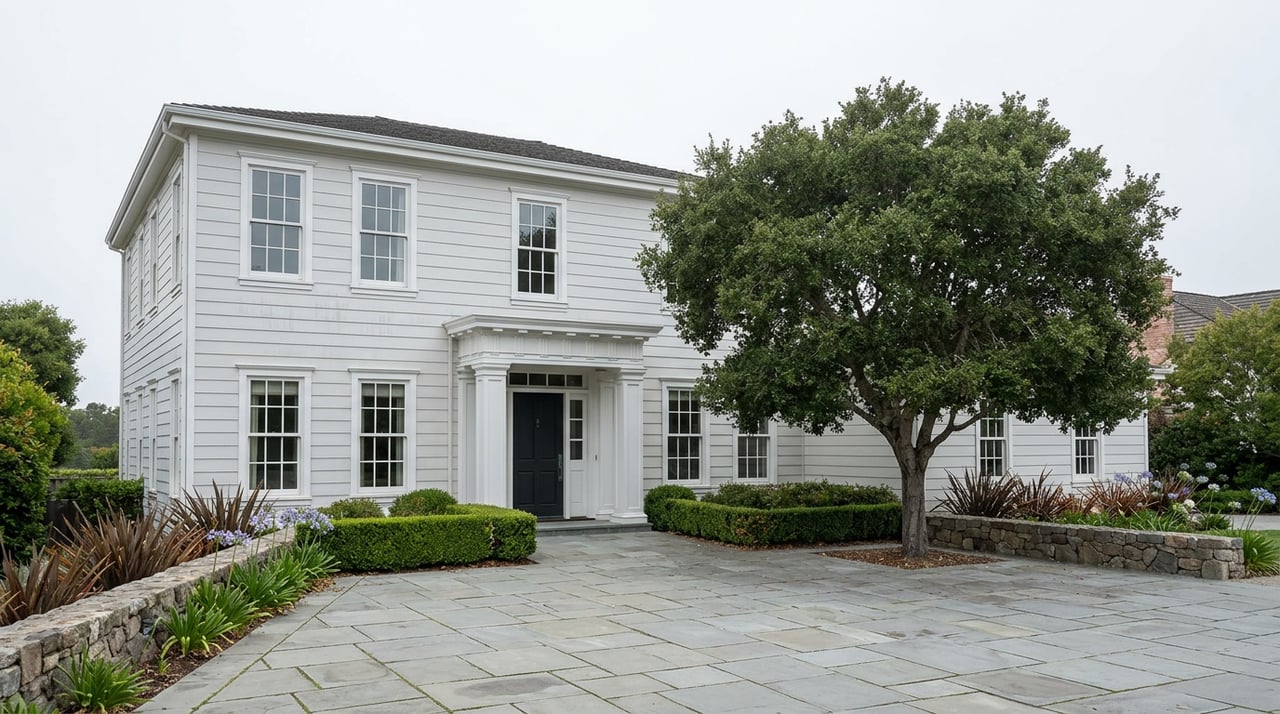
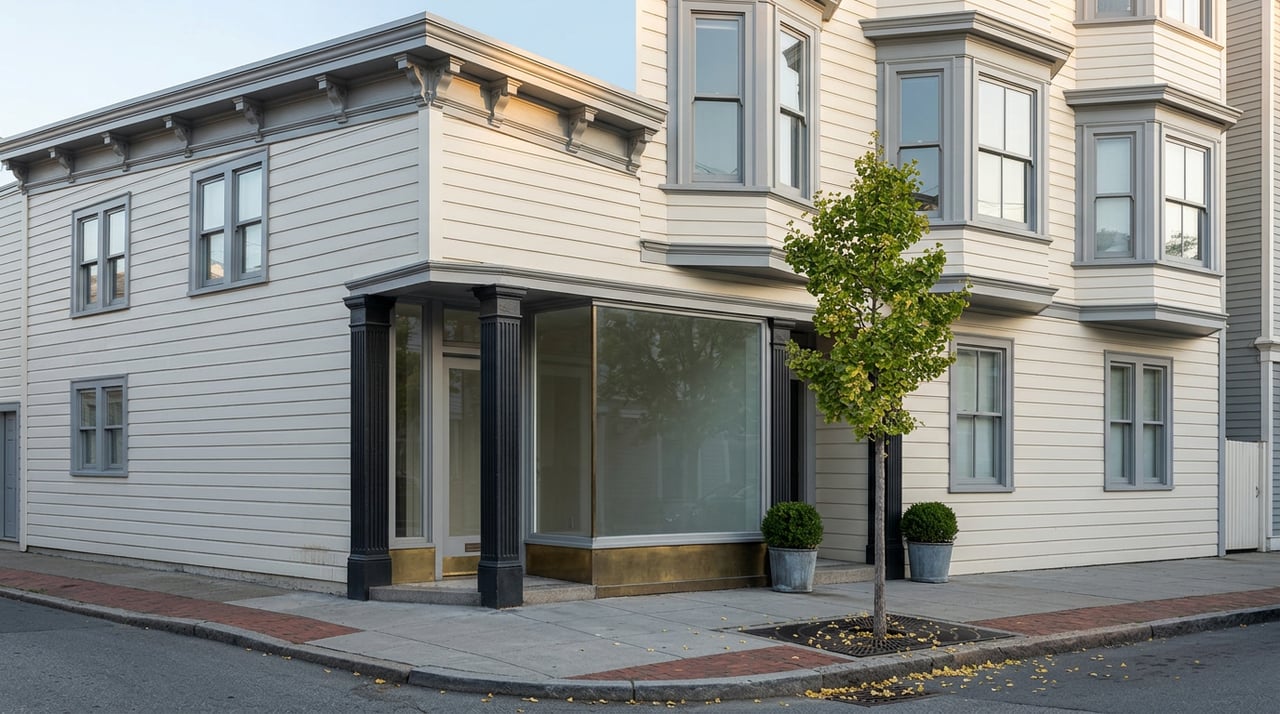
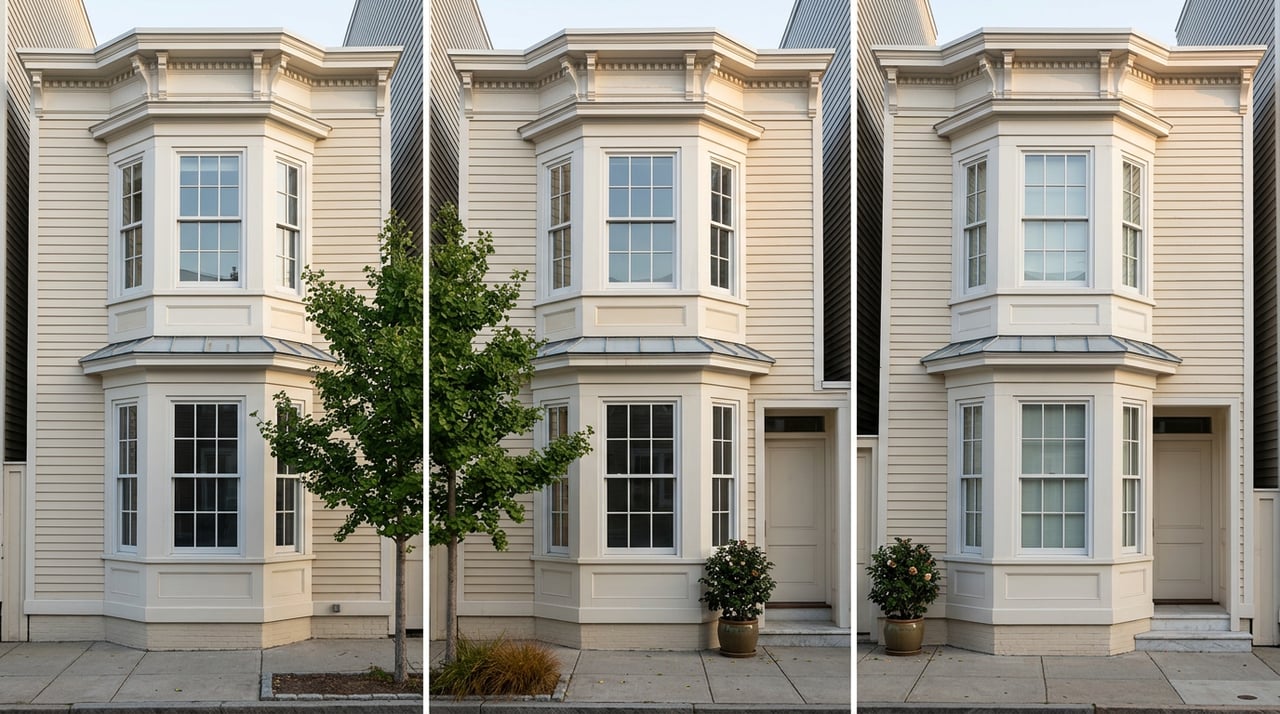
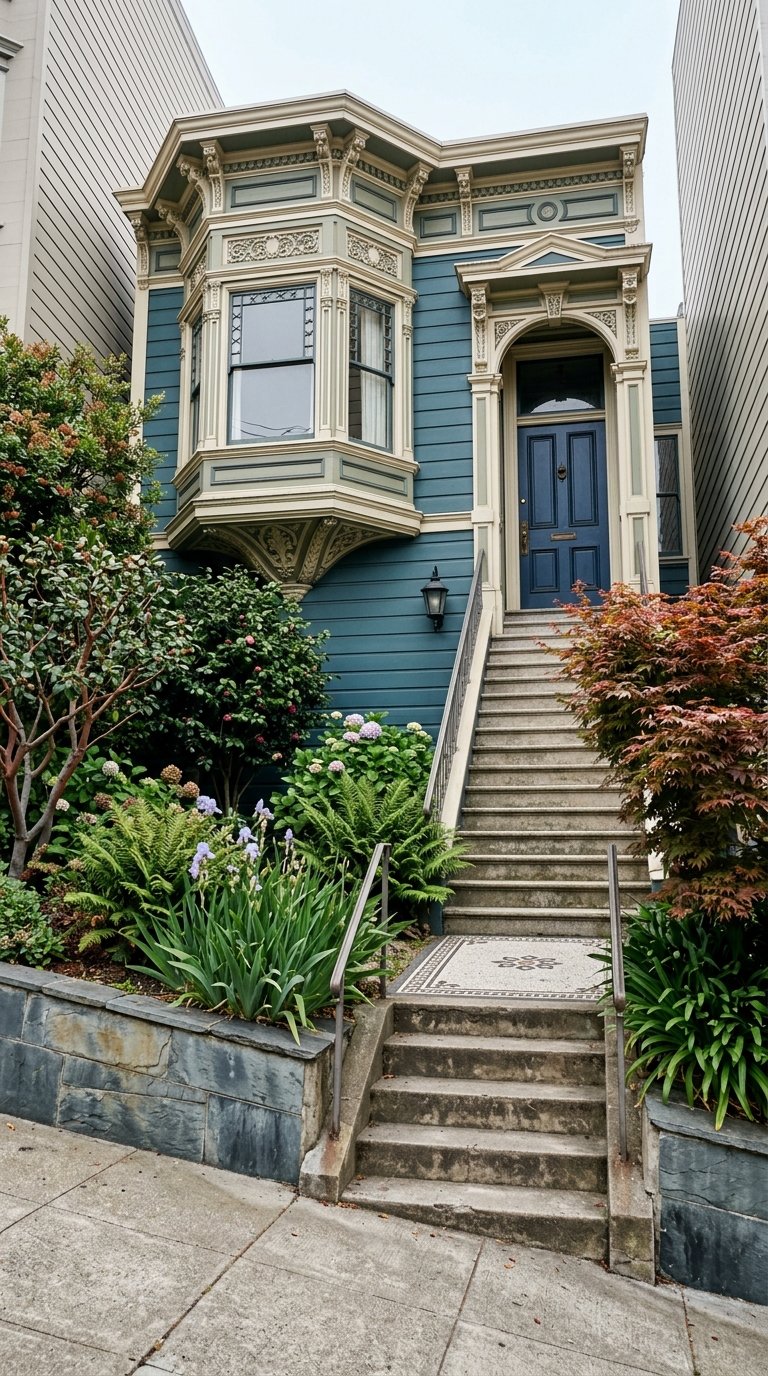
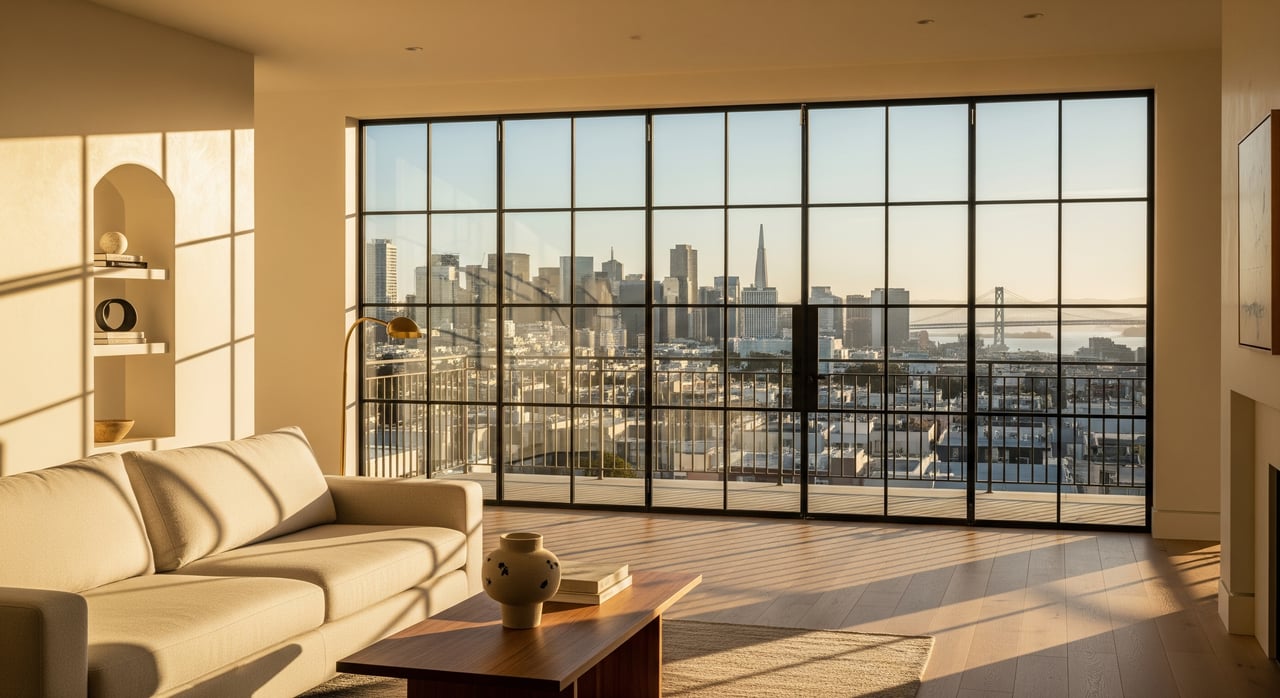
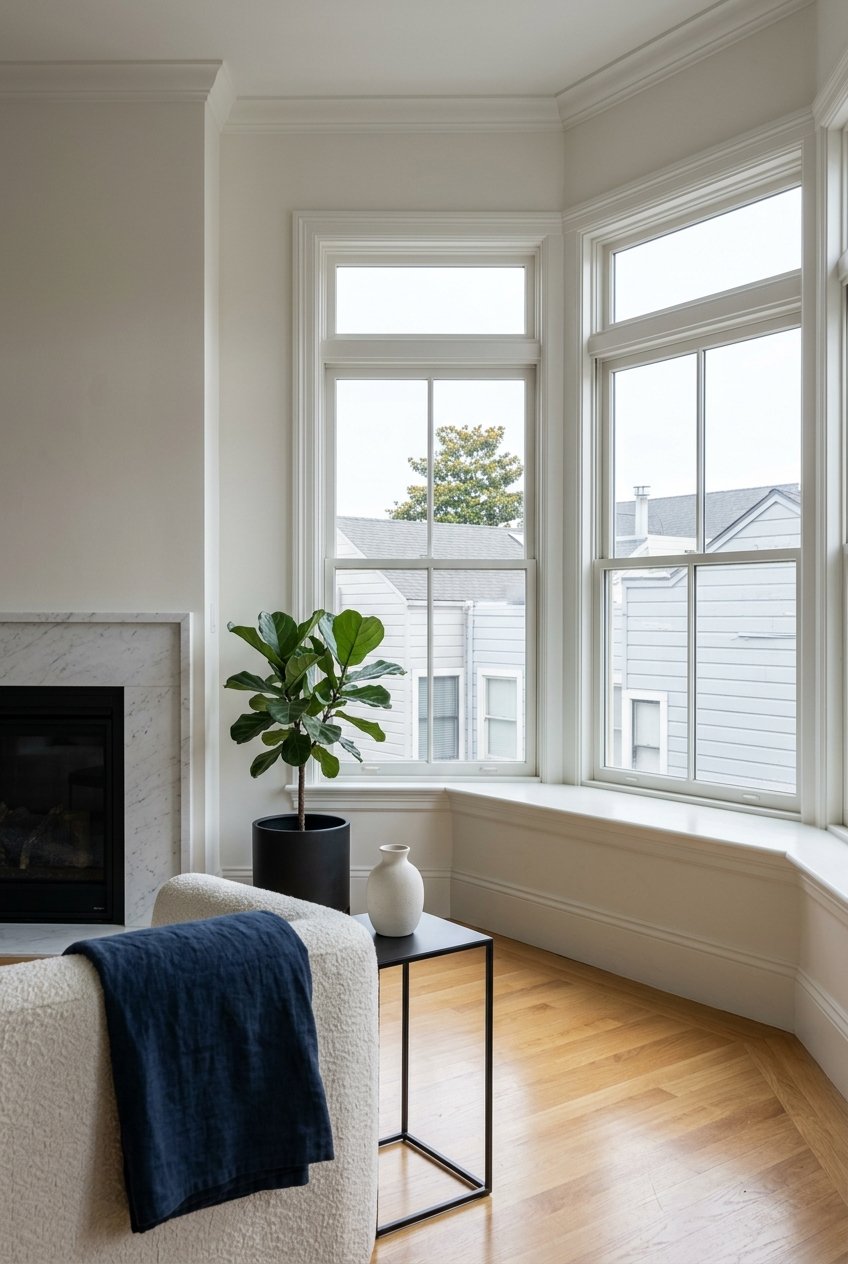
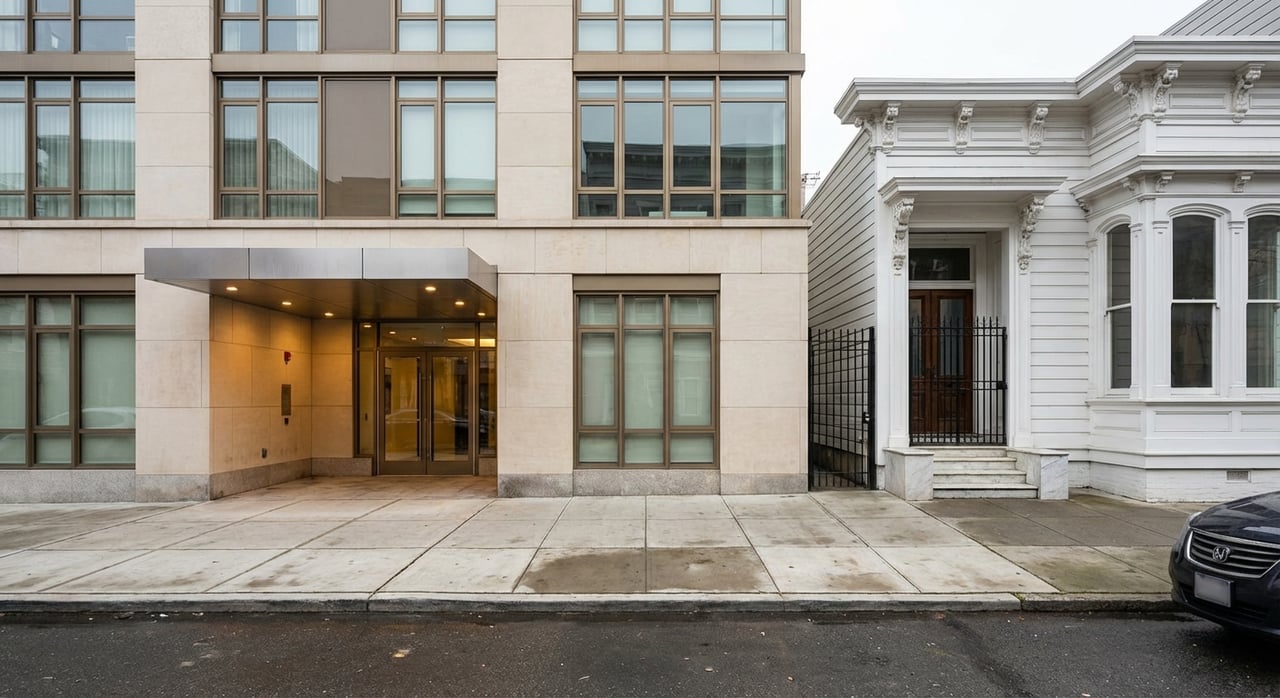
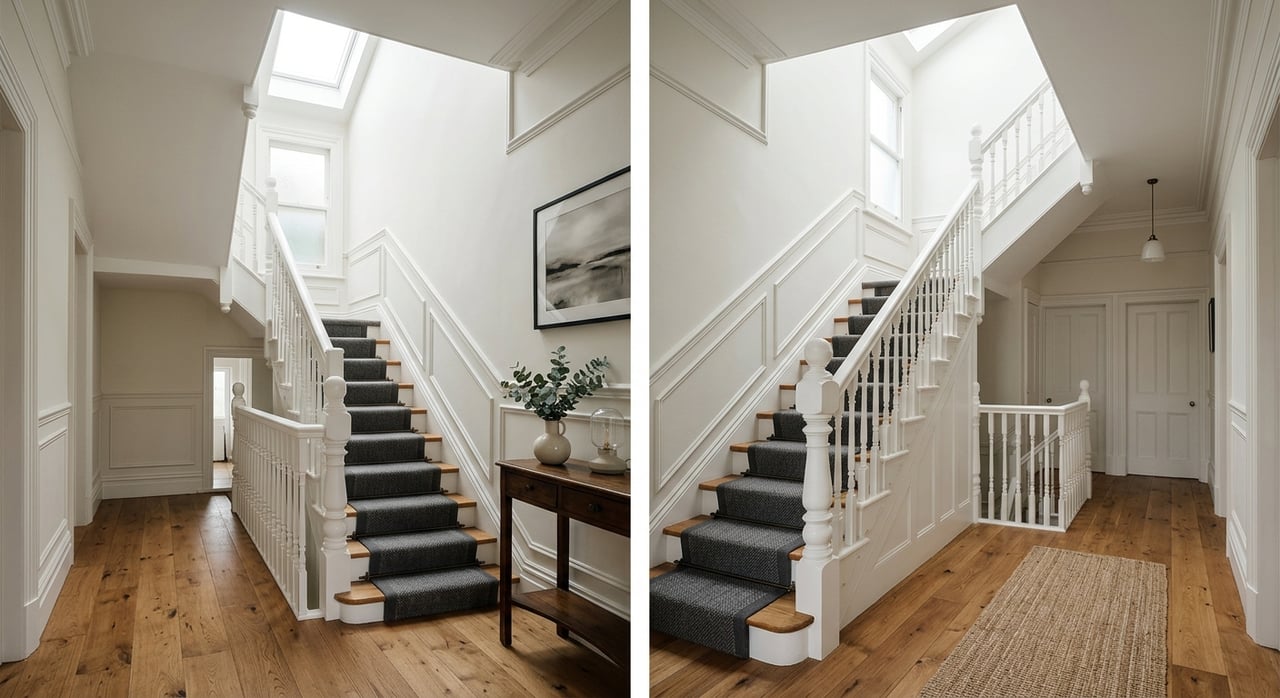
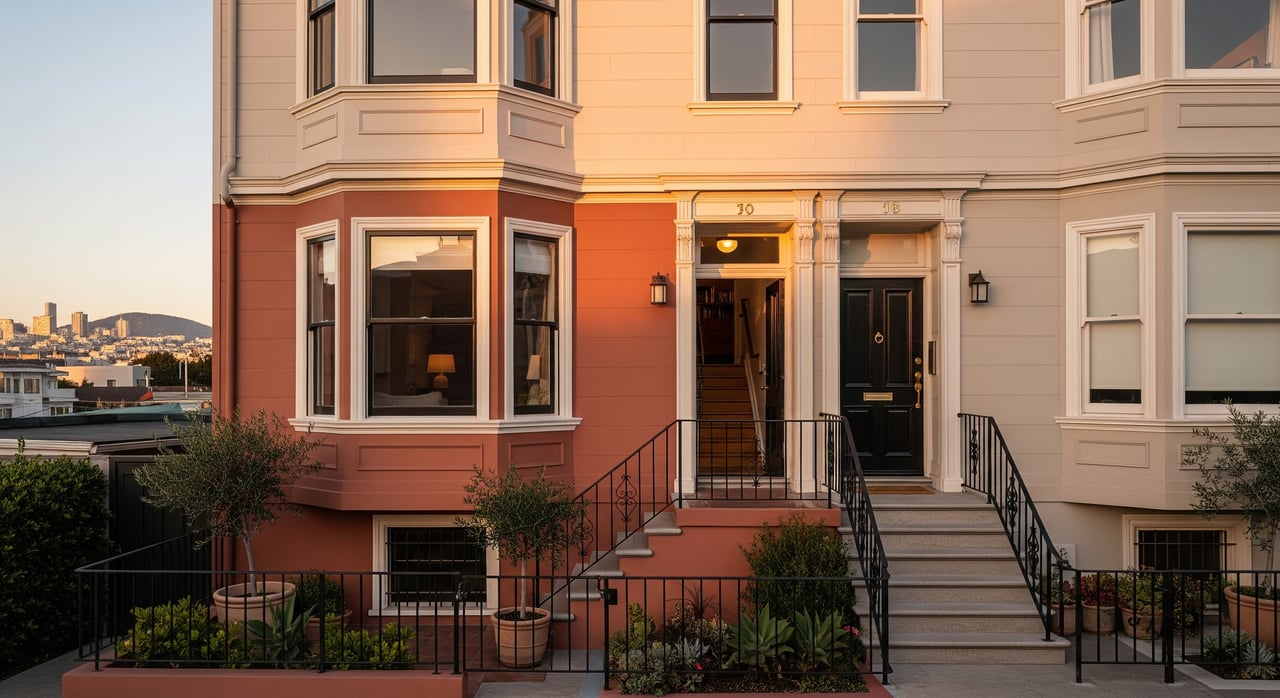
Noe Valley gives sellers a real visual advantage. The neighborhood is known for sunnier conditions than many other parts of San Francisco because it sits sheltered from coastal fog by Twin Peaks, and its housing stock includes many Victorian and Edwardian homes, along with classic row houses, according to the San Francisco Chronicle’s Noe Valley overview.
That setting matters because buyers in San Francisco often respond strongly to light, character, and curb appeal. In a neighborhood with distinctive architecture and strong first impressions, small presentation choices can have an outsized effect.
Public market data also points to a fast-moving environment. Redfin’s Noe Valley housing market snapshot reported a median sale price of $2.275M in March 2026, with homes selling in about 11 days on average. While different platforms report slightly different figures, the bigger takeaway is consistent: well-prepared homes can attract attention quickly.
Start with the right selling strategy
Before you paint a wall or book photos, it helps to decide how your home should be positioned. In practical terms, that usually means understanding whether buyers are likely to see your property as updated, move-in ready, or value-add.
That decision should come from current neighborhood comps, not from broad headlines alone. Even in a strong market, NAR’s 2026 Forecast Summit coverage notes that homes priced just 3% to 5% above market can sit longer and face steeper price cuts later. A fresh, property-specific pricing strategy is more useful than relying on a median number by itself.
For many Noe Valley sellers, confidence comes from pairing market analysis with presentation planning. That combination helps you avoid over-improving, overpricing, or missing the features buyers will notice first.
Fix small issues before buyers find them
A pre-listing inspection can be one of the smartest early steps. According to NAR’s article on pre-listing inspections, inspections before going live can help uncover issues that might otherwise derail a deal later.
Some of those issues are small but distracting. A drip under a sink, a loose faucet, or a rocking toilet may not seem dramatic, but they can make buyers wonder what else has been overlooked. Larger concerns, such as roofing or electrical issues, are even more important to identify early.
For a Noe Valley home, this step is especially helpful because buyers often move fast in competitive conditions. If your home shows as well-maintained from the start, you reduce unnecessary friction during disclosures, negotiations, and escrow.
Focus on updates buyers actually notice
Not every project deserves your time or budget before a sale. The most useful improvements are often the most visible ones.
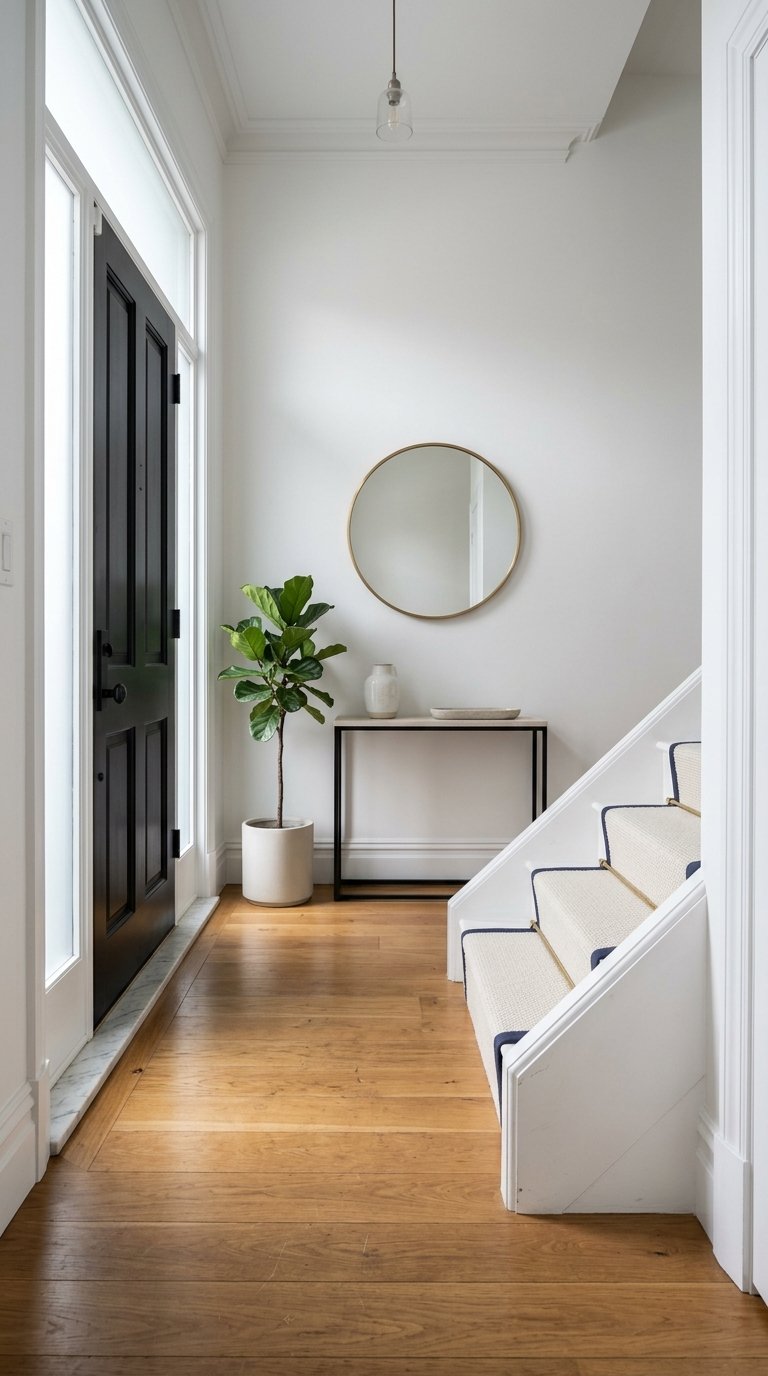
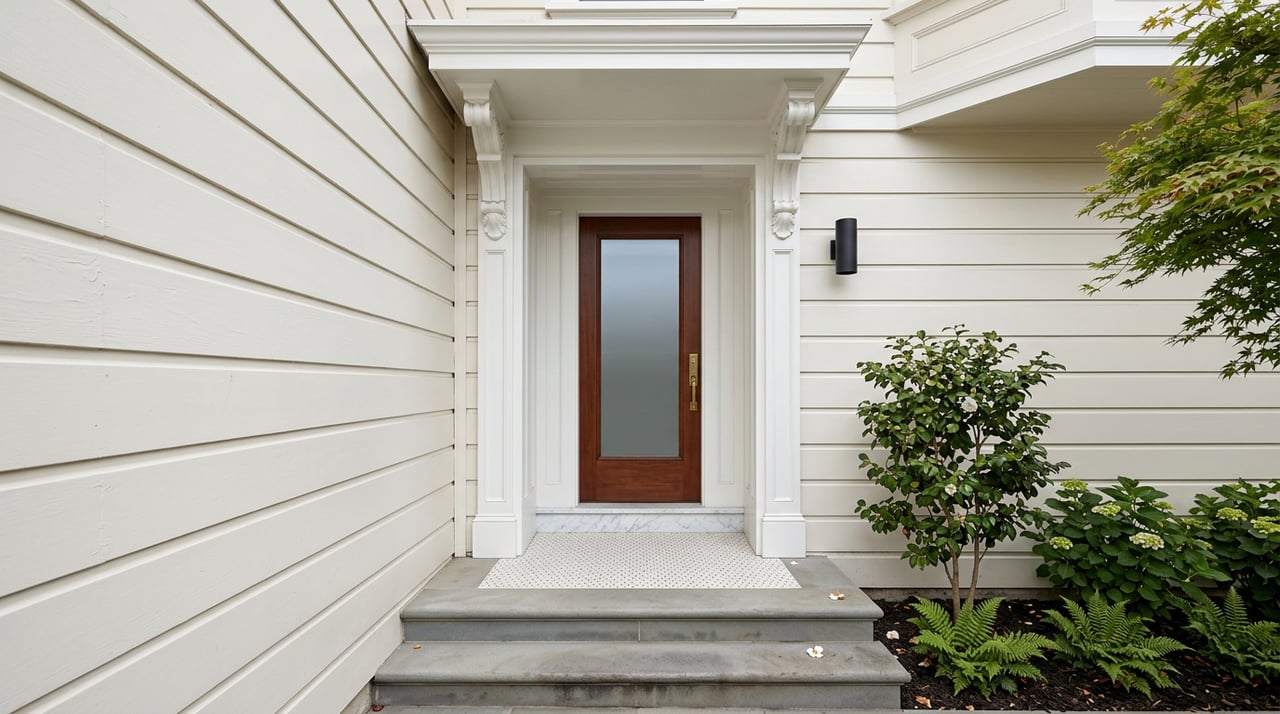
In the 2025 NAR Remodeling Impact Report, the top projects REALTORS® recommended before selling included painting the entire home, painting a single room, and new roofing. The same report found that a new steel front door had a 100% cost recovery, and front-door and paint-related projects scored well for buyer appeal.
That is a strong case for prioritizing simple, high-impact work such as:
- Fresh interior paint where needed
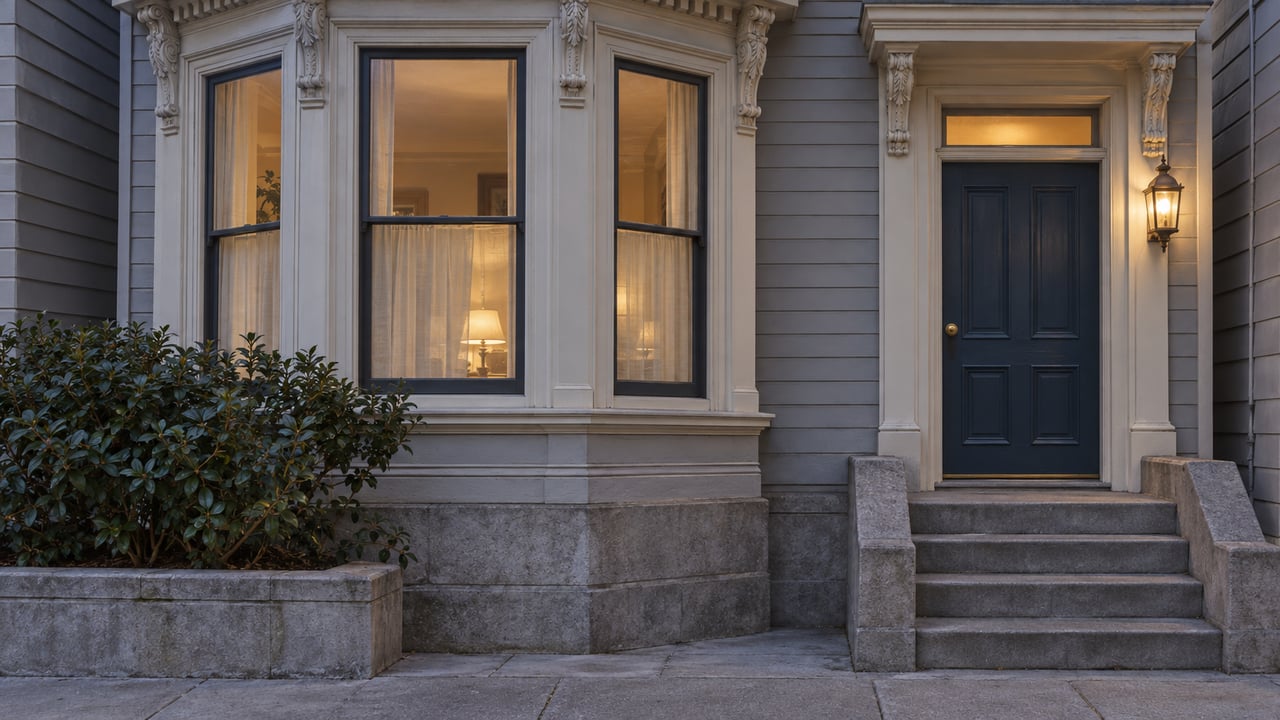
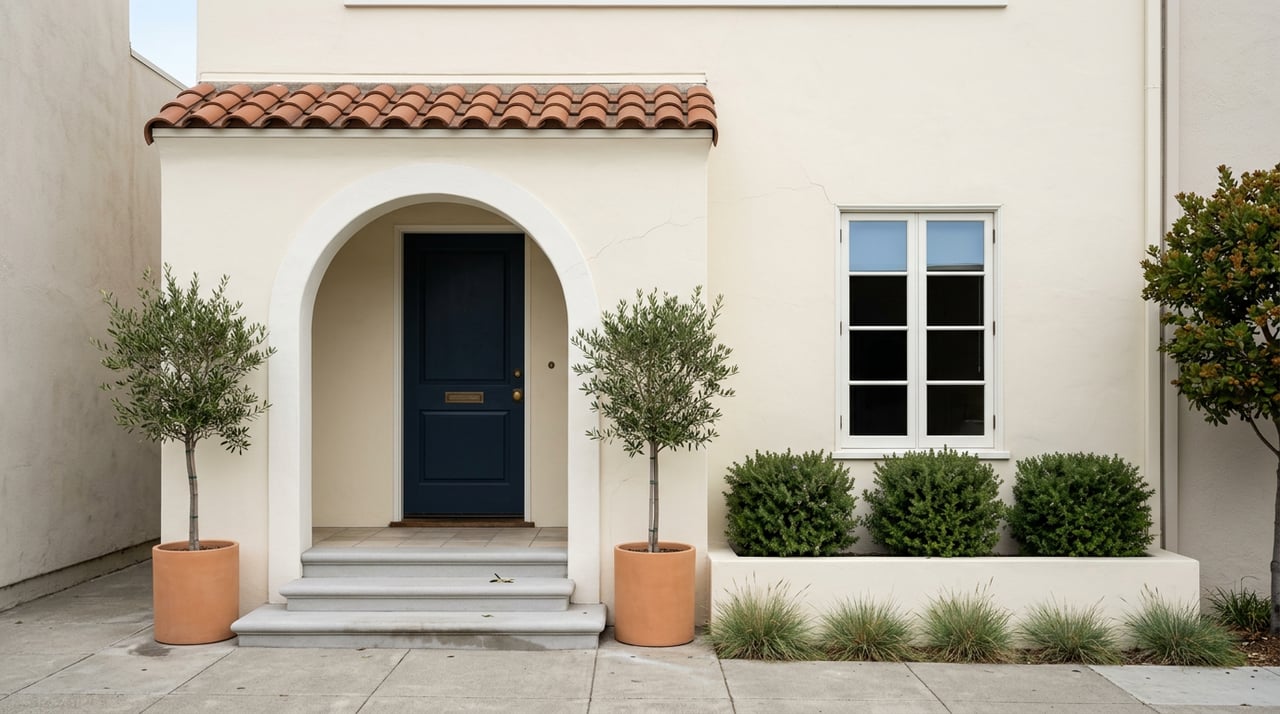
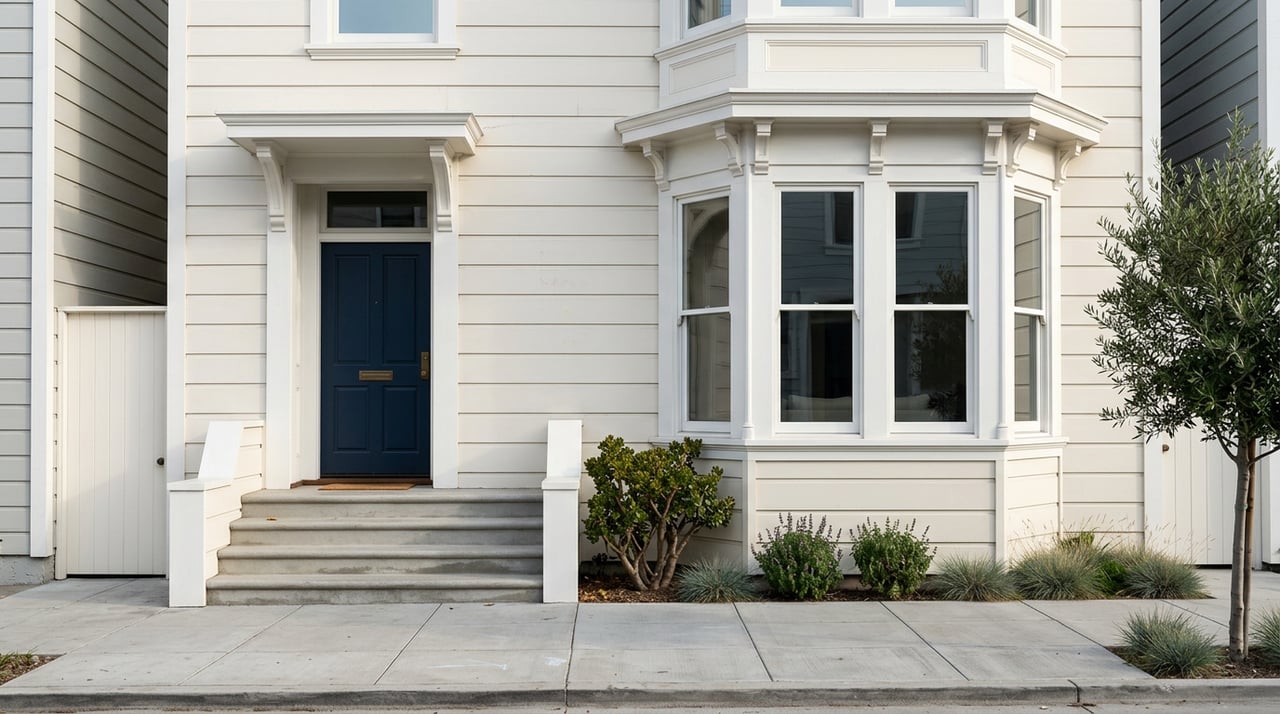
- A cleaned up or refreshed front door
- Updated lighting in dim areas
- Repairs to obvious wear and tear
- Attention to deferred maintenance buyers can easily spot
For many sellers, these changes do more than large discretionary remodels. They improve first impression, help photos look cleaner, and make the home feel cared for without disrupting your timeline.
Do not overlook curb appeal
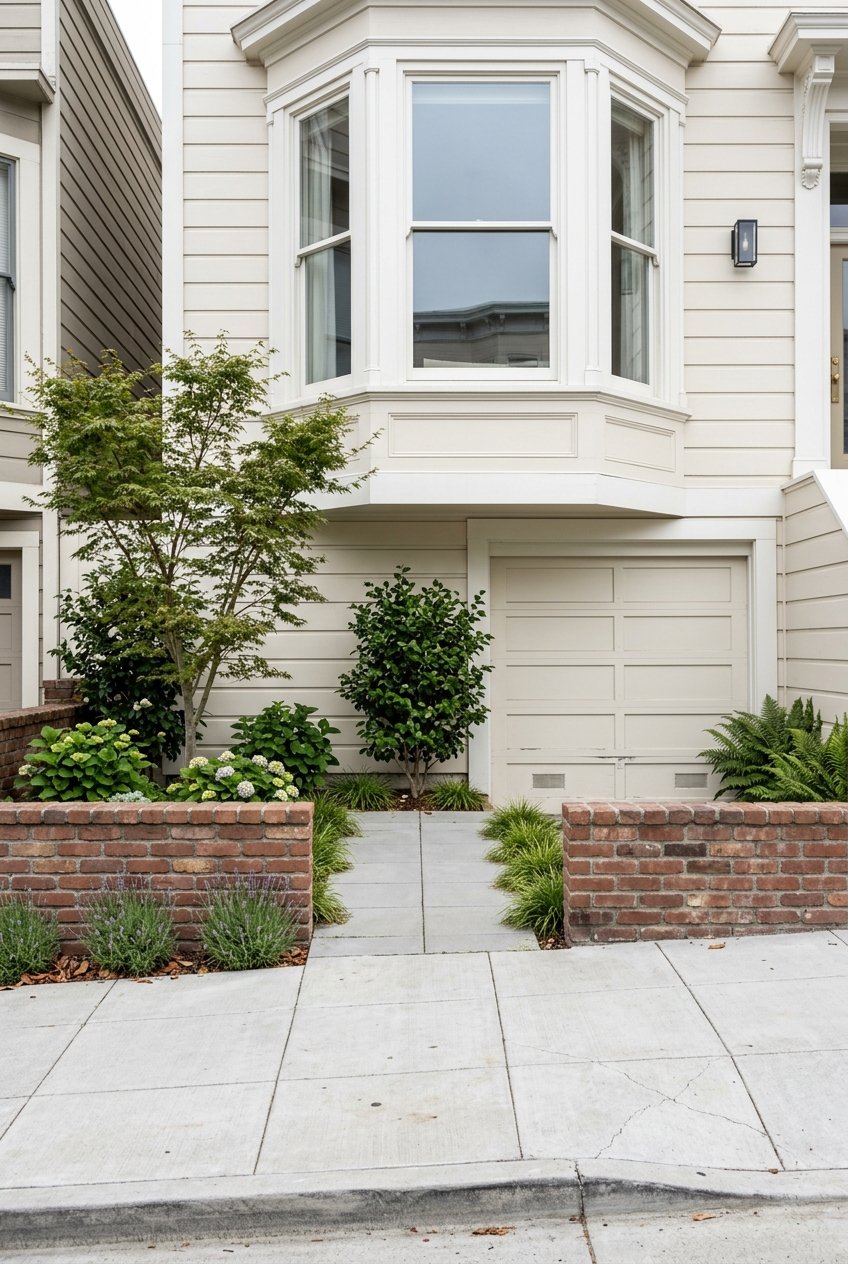
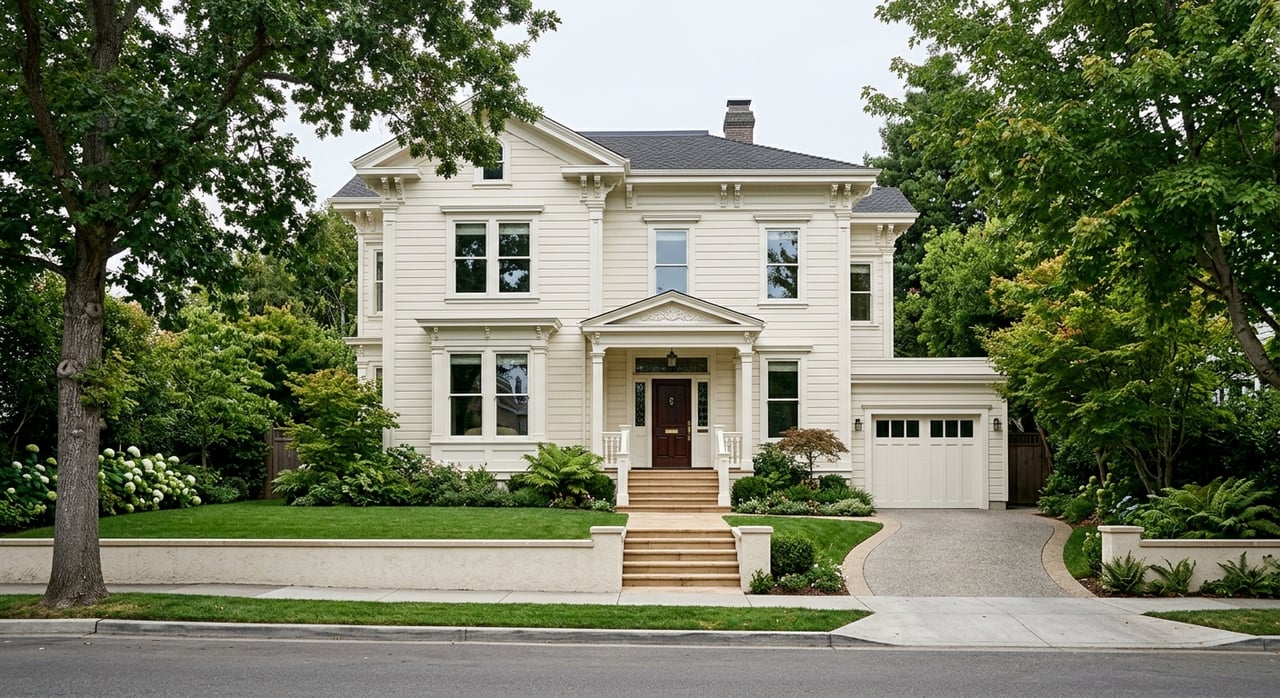
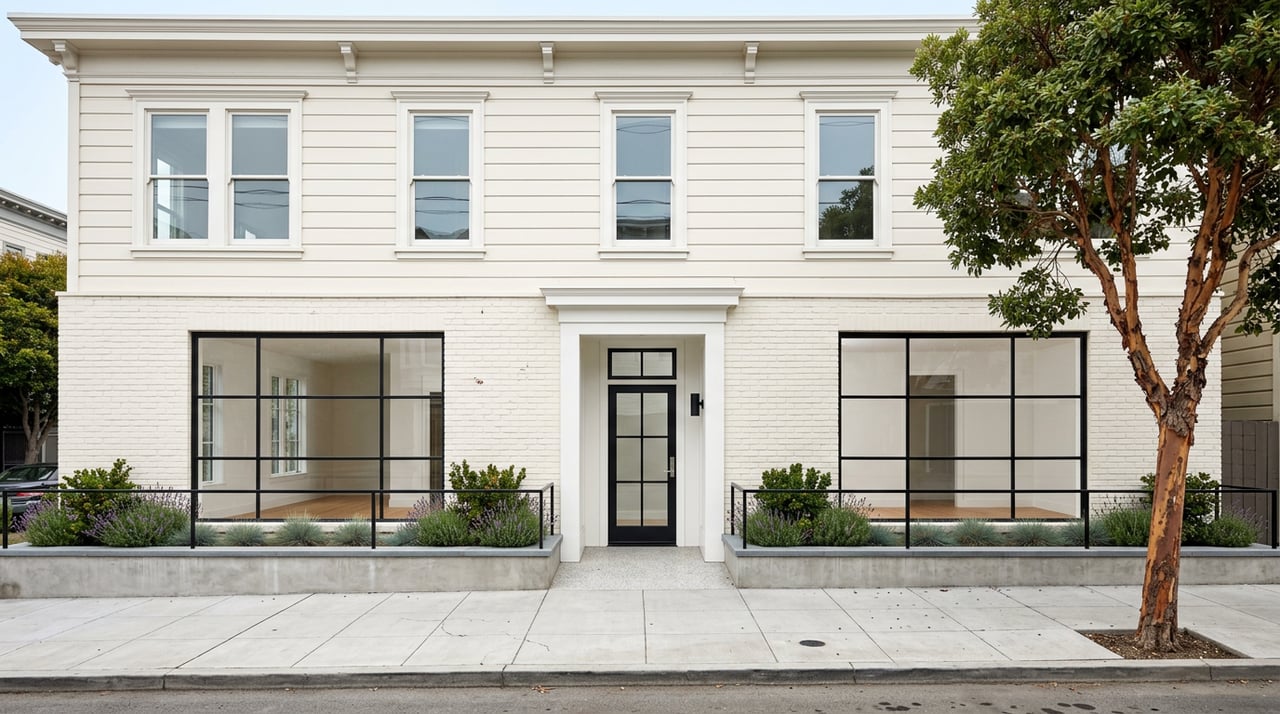
Curb appeal matters well before a buyer steps inside. In NAR’s outdoor-features remodeling report, 92% of REALTORS® said they recommend curb appeal improvements before listing, and nearly all said curb appeal is important to attracting buyers.
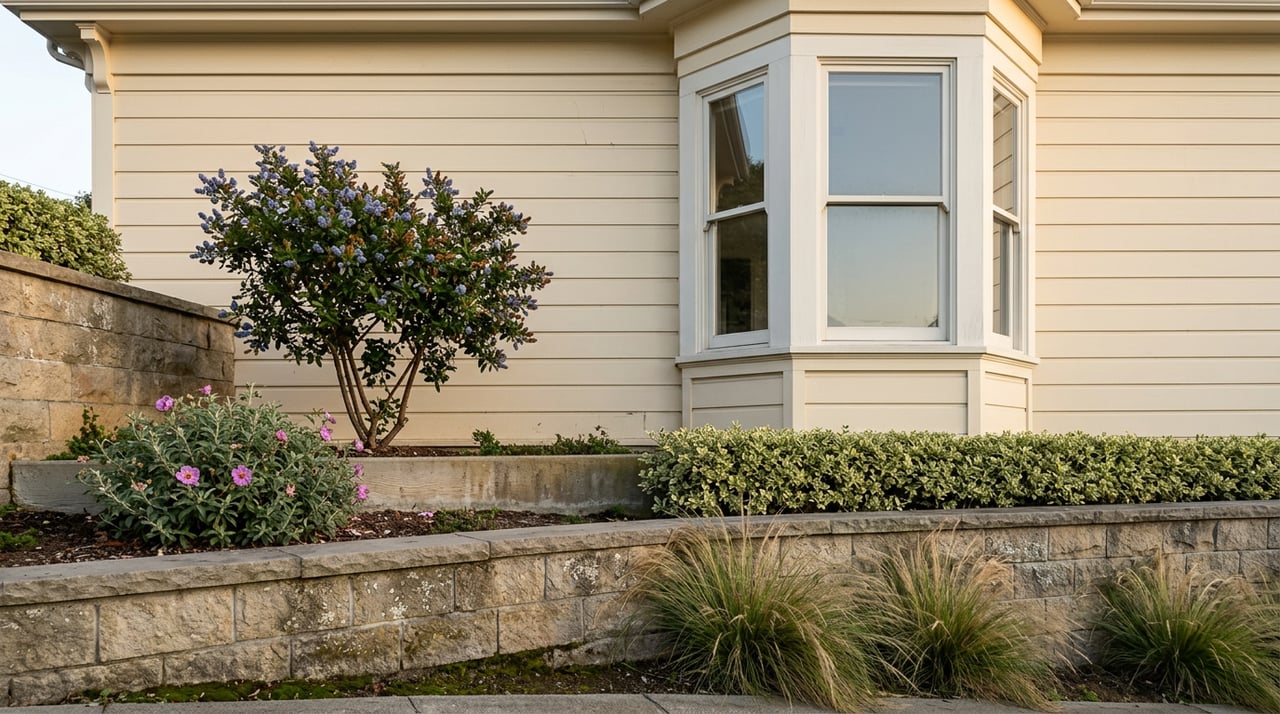
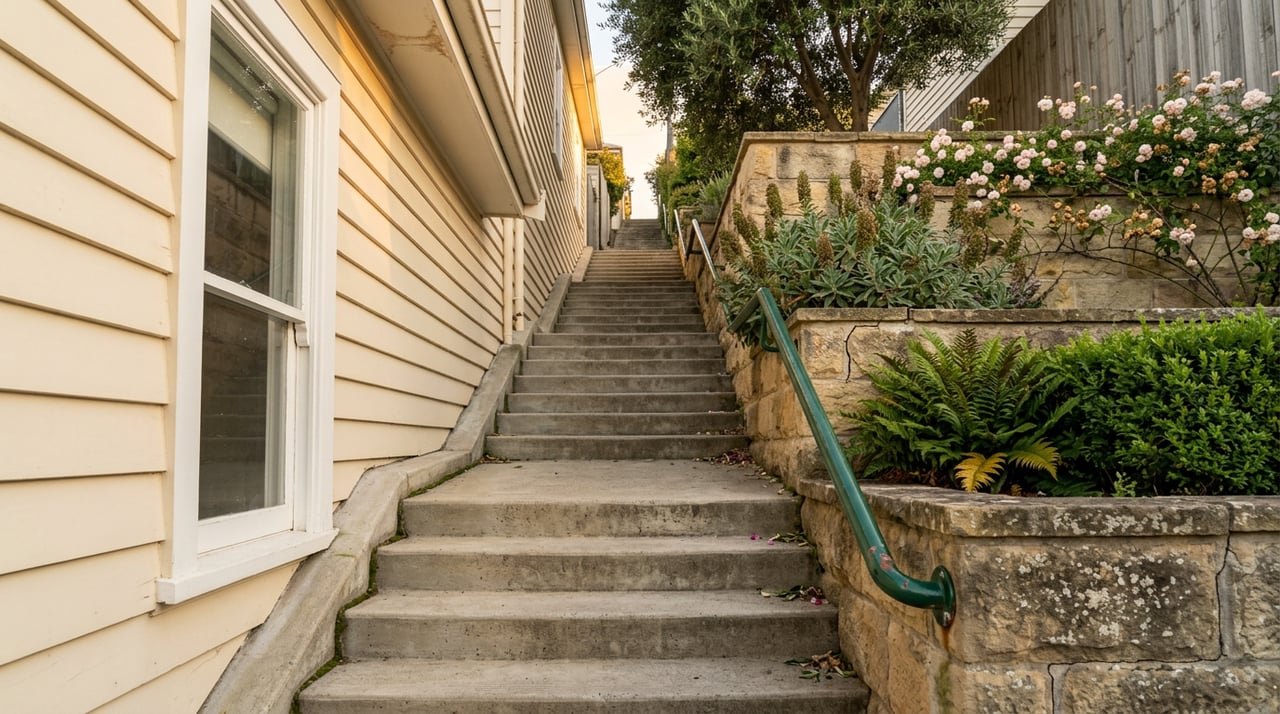
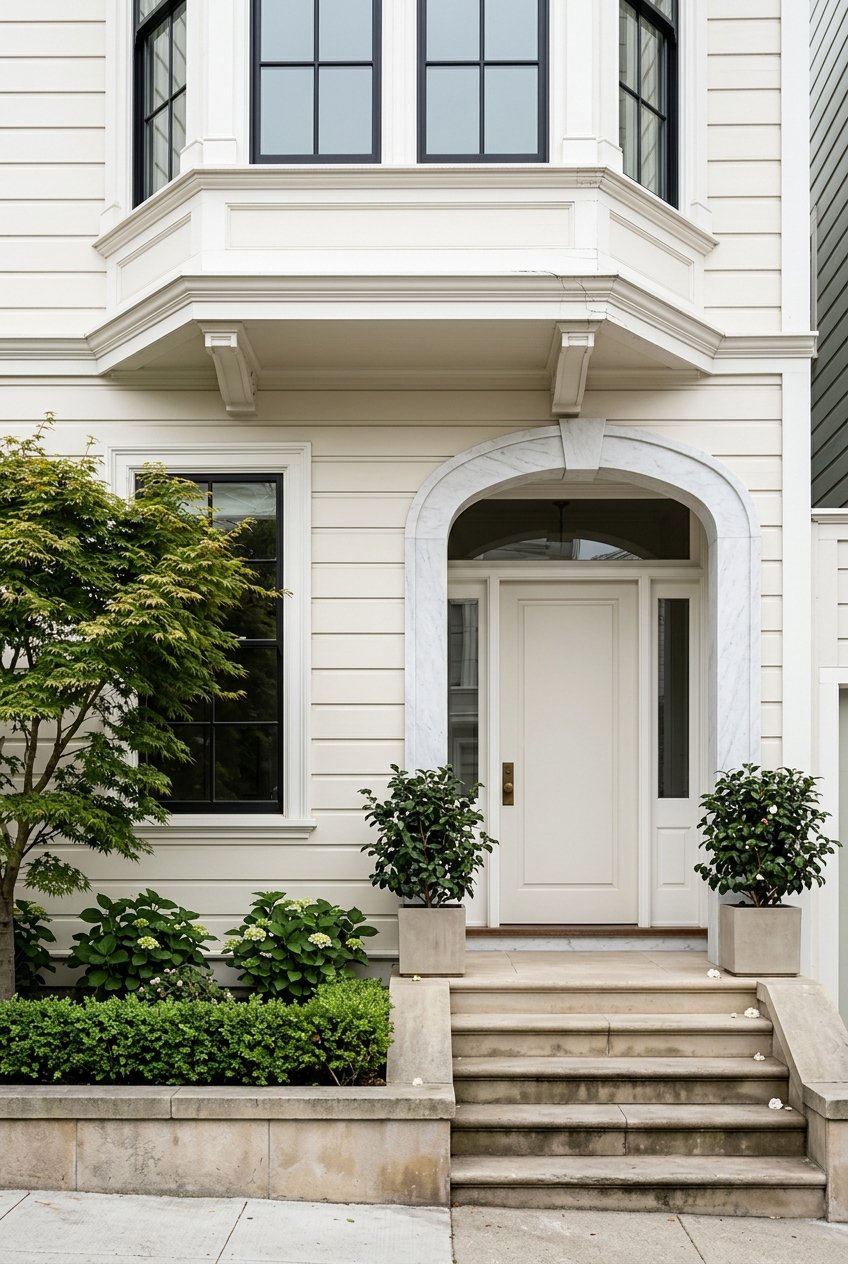
That is especially relevant in Noe Valley, where many homes have memorable facades and a strong street presence. If your property has period details, painted woodwork, a formal entry, or a small front garden, those features should feel intentional and well-kept.
Simple curb appeal tasks can include:
- Touching up exterior paint where needed
- Cleaning the entry and front steps
- Polishing or replacing tired hardware
- Trimming plants and clearing walkways
- Making sure house numbers and lighting are easy to see
These details can set the tone for the entire showing. They also help your home look more compelling in the lead exterior photo.
Stage for real life and online search
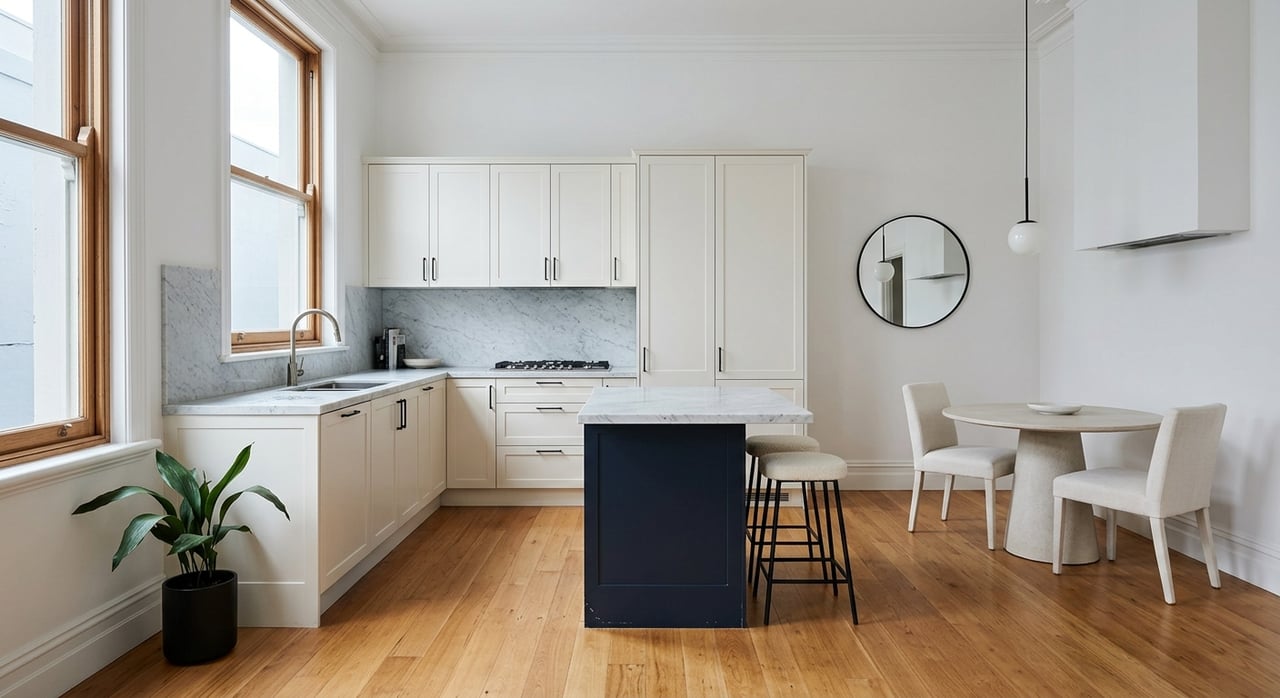
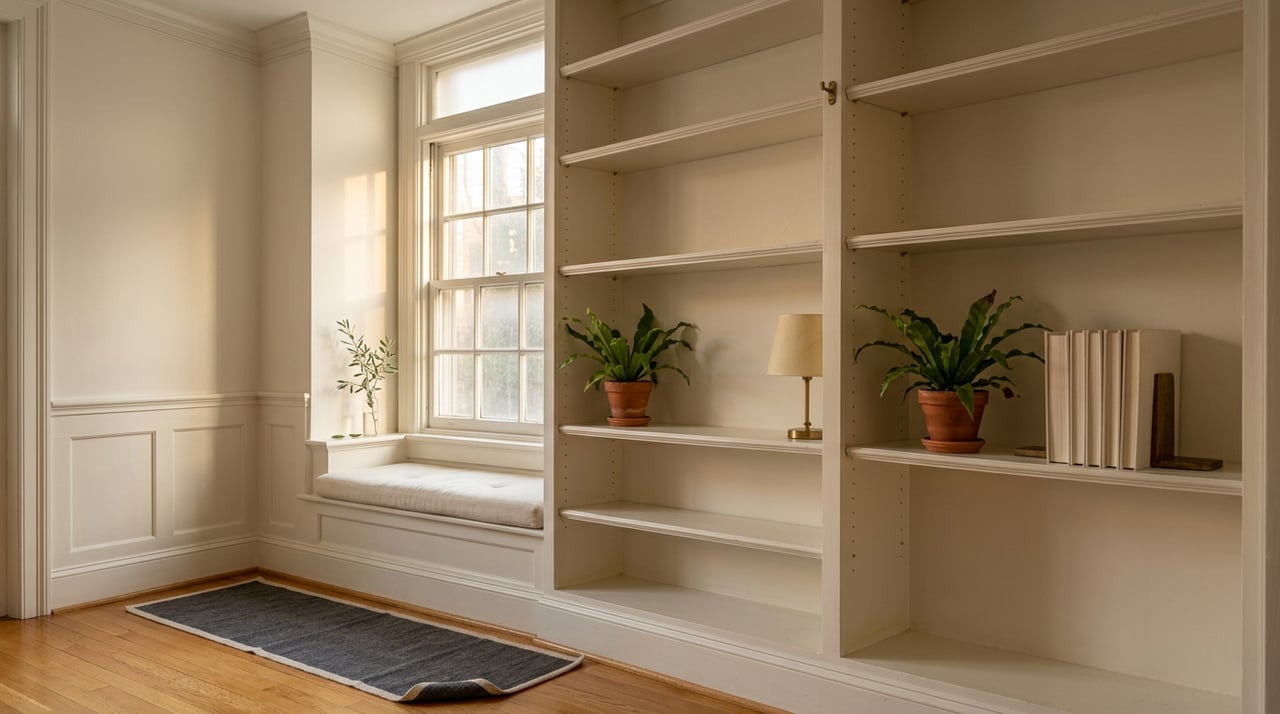
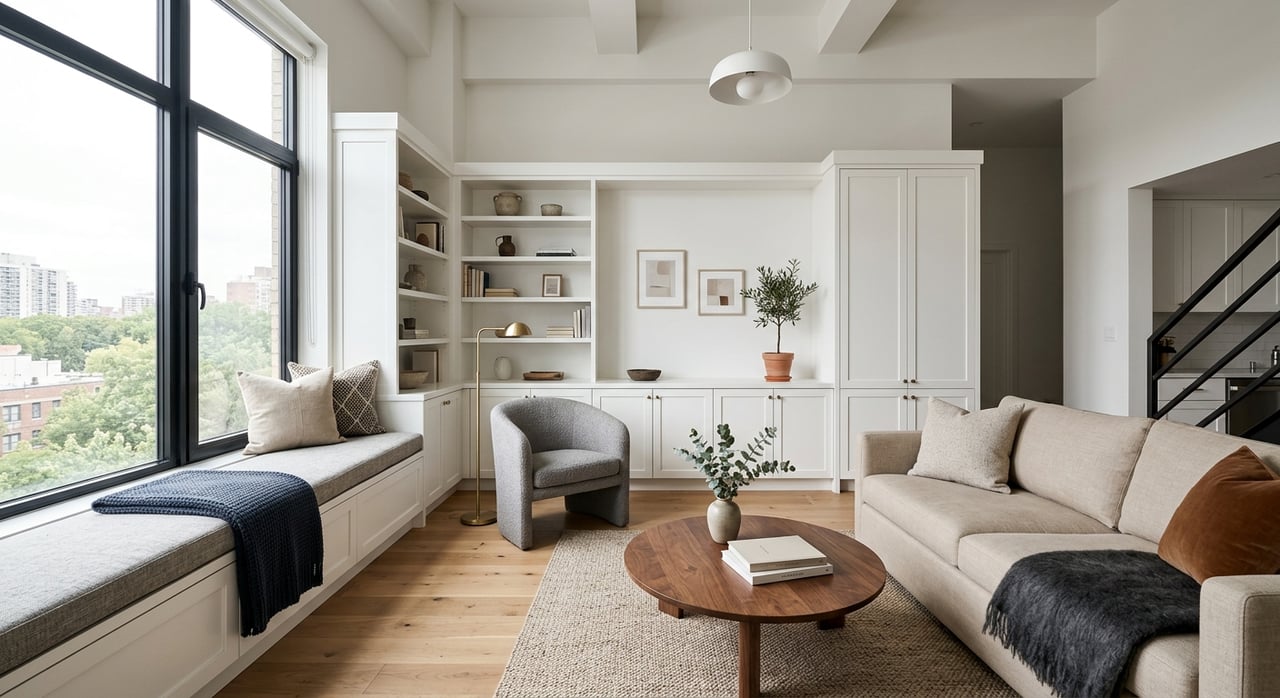
Staging is not about making your home look generic. It is about helping buyers understand space, light, and function quickly.
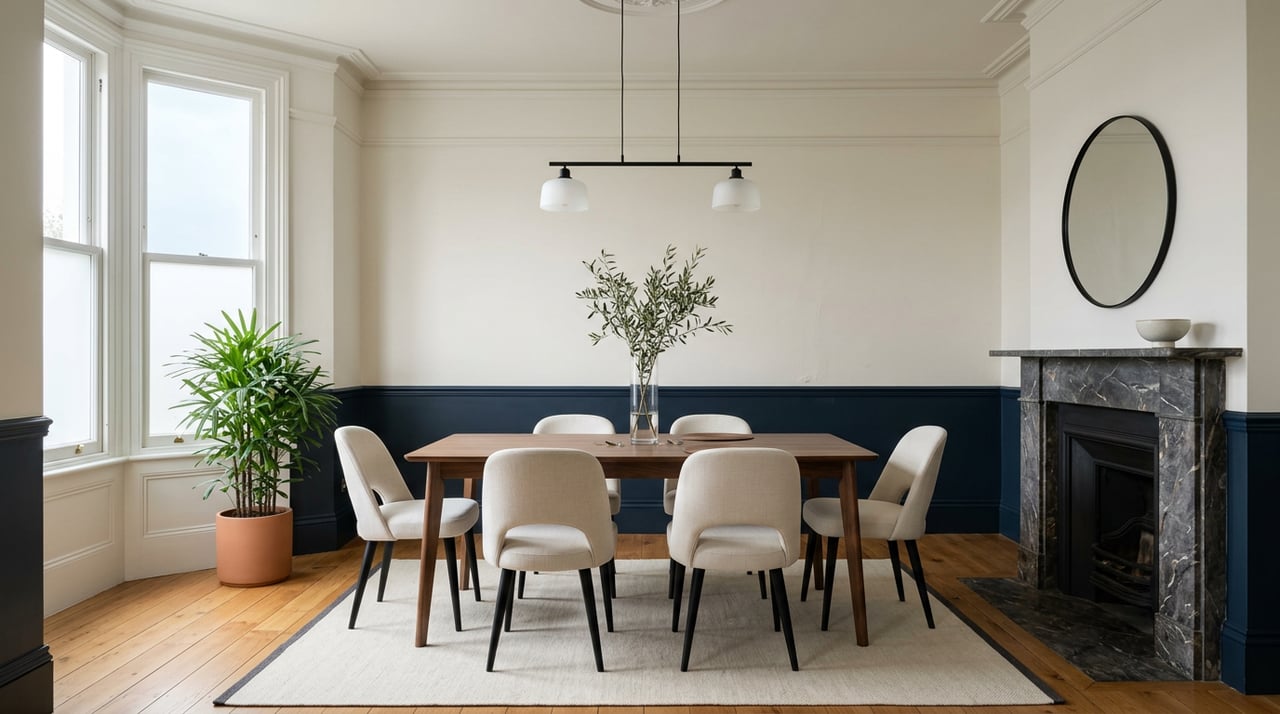
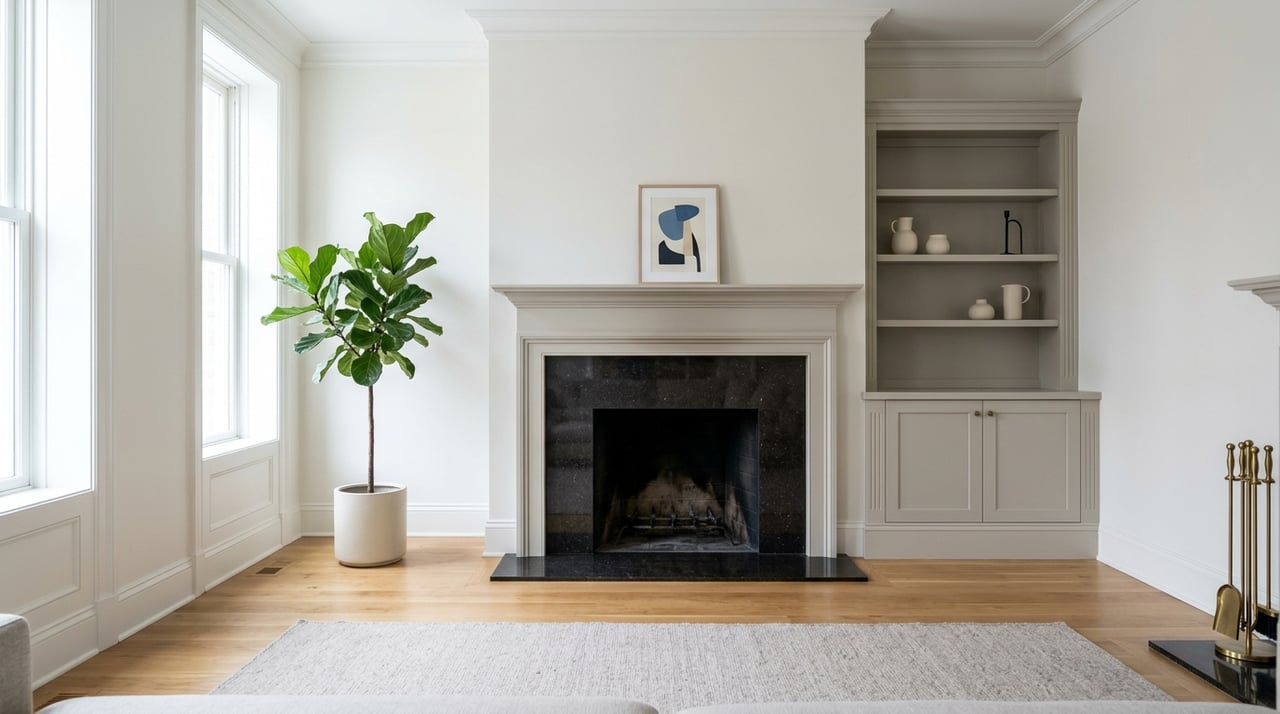
According to NAR’s 2025 home staging snapshot, 83% of buyers’ agents said staging made it easier for buyers to visualize a property as a future home. The rooms staged most often were the living room, primary bedroom, and dining room.
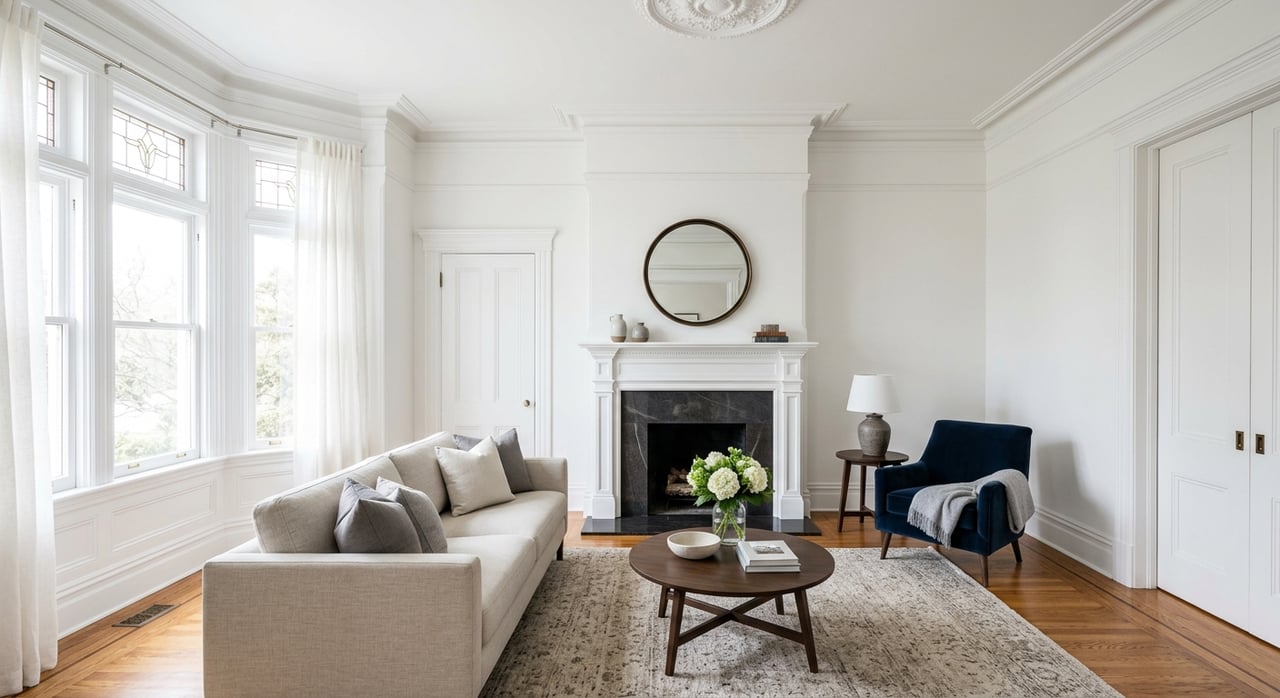
That guidance is practical for Noe Valley sellers. If you are deciding where to focus, start with the spaces that shape the emotional first impression. In many homes, that means a bright living area, a calm primary bedroom, and a dining room or flexible gathering space.
If you live with kids or pets, staging also means editing daily-life items before photos and showings. Try to store away:
- Toys and play mats
- Backpacks and school papers
- Pet beds, crates, and feeding stations
- Litter boxes and extra supplies
- Highly personal items and countertop clutter
These steps help buyers see the size and purpose of each room first. They also create cleaner listing photos, which matters because buyers so often begin their search online.
Make your listing photos count
Today, your first showing often happens on a screen. NAR reports in its article on maximizing online visibility for listings that 52% of buyers found the home they purchased online, and 81% said listing photos were the most useful feature during their search.
That makes preparation before photography just as important as preparation before an open house. NAR’s quick staging tips recommend opening window treatments wide, turning on lights where daylight does not reach, making beds, hiding personal items, and keeping clutter under control.
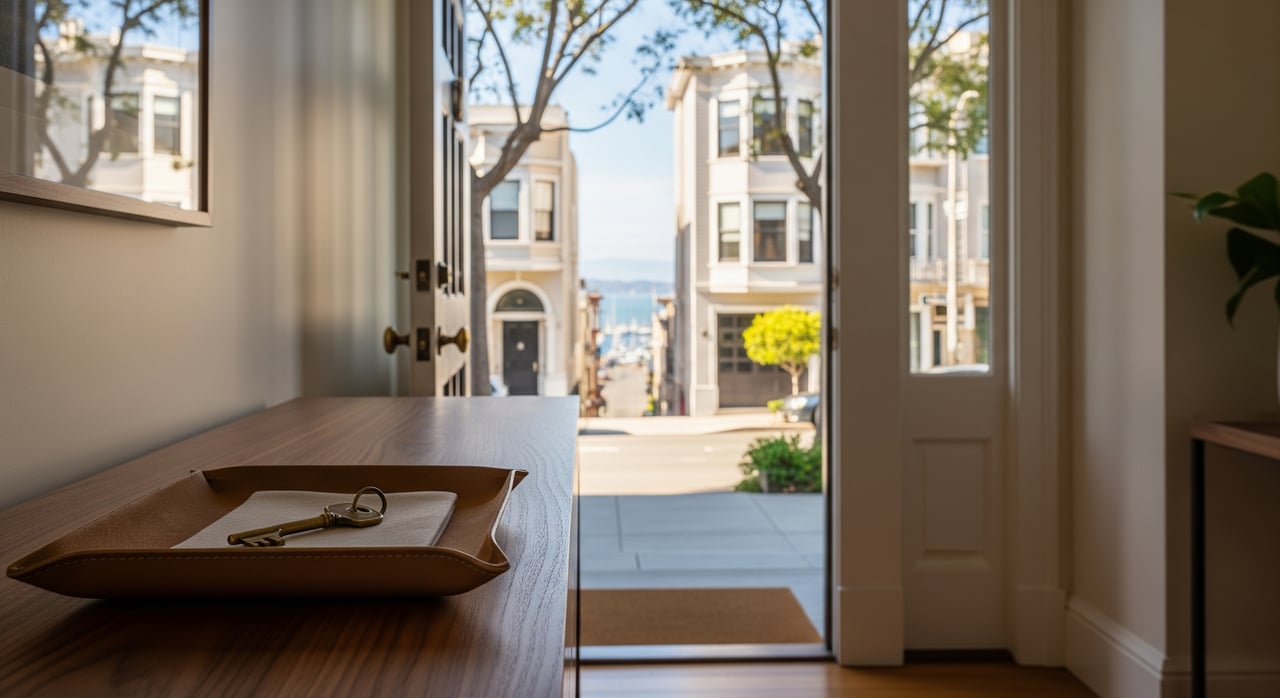
In Noe Valley, light is one of your best marketing tools. Because San Francisco weather can shift fast, and fog patterns vary by neighborhood, it is worth scheduling exterior photography for the clearest day available. The National Park Service weather guidance for San Francisco notes that fog can roll in through the Golden Gate in spring and persist through summer, while spring and fall often bring more cloud-free days.
For many homes, the strongest exterior images happen when the facade is in direct sun and shadows are not overwhelming. The exact timing depends on your home’s orientation, trees, and nearby buildings, but careful timing can make a major difference in how your listing reads online.
Highlight the features buyers use every day
Once your home is staged and photographed well, the listing story should support what buyers see. NAR notes that buyers continue to pay attention to practical lifestyle features such as flexible spaces for a home office or guests, smart home features, energy-efficient upgrades, and usable outdoor areas in its online visibility article.
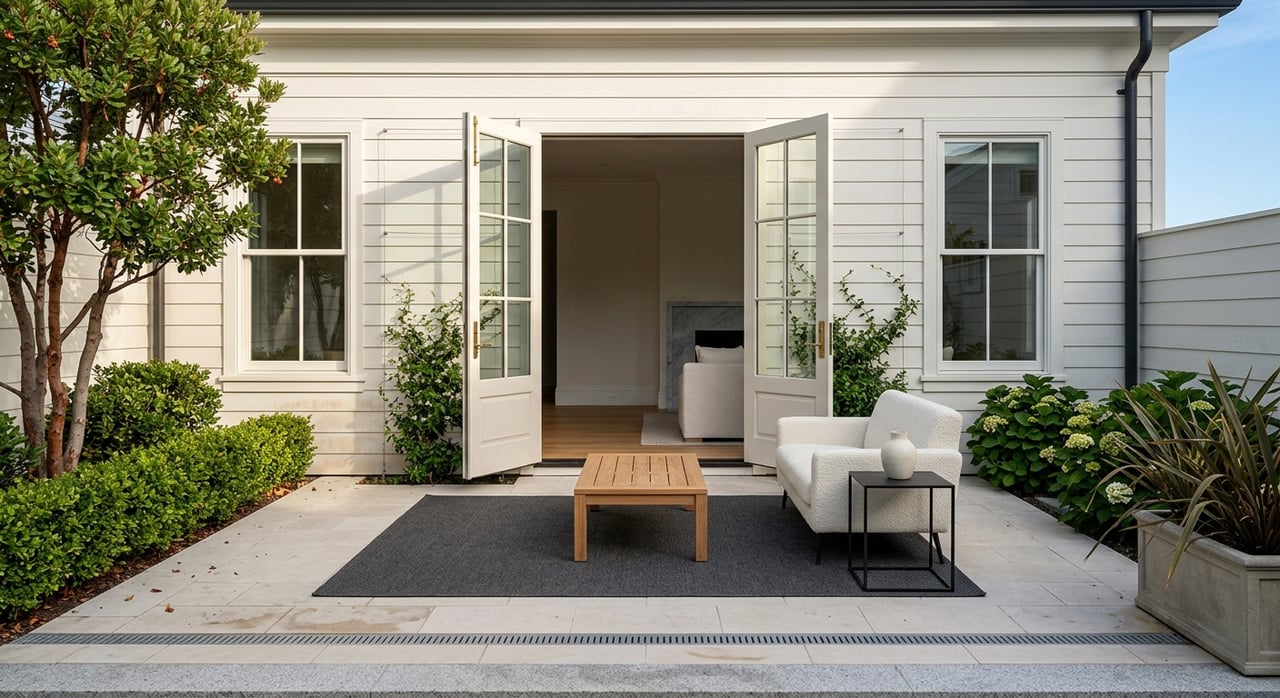
That does not mean forcing a trend-based message onto your home. It means clearly showing how the space lives. In Noe Valley, that might mean emphasizing natural light, a comfortable indoor-outdoor connection, a flexible lower level, or a room that can support work, hobbies, or overnight guests.
When buyers can quickly understand how a home functions, they tend to feel more confident moving forward. Clear presentation reduces guesswork.
Price for momentum, not wishful thinking
A confident sale usually comes from early momentum. That is why pricing strategy matters just as much as staging.
Even in a seller-leaning neighborhood, overpricing can weaken your launch. As noted earlier, NAR’s 2026 Forecast Summit coverage warns that pricing a home 3% to 5% above market can lead to more days on market and deeper reductions later.
In a place like Noe Valley, where buyers often respond quickly to a well-presented property, your first days online are valuable. Strong pricing, polished visuals, and a clean condition story work together. If one of those is off, the launch can lose energy.
Plan your move before you list
If you are also buying your next home or coordinating a downsizing move, timing deserves attention early. NAR’s article on post-closing occupancy and leaseback planning notes that any seller occupancy after closing should be documented in writing, insurance should be checked, and lender approval may be required. It also points out that many lenders will not allow leasebacks longer than 60 days.
This is one reason a full selling plan should include more than repairs and photos. It should also account for your move timeline, storage needs, and whether a flexible closing or short rent-back could help your transition.
Thinking through these details before your home hits the market can reduce stress when offers start coming in. It also helps you evaluate terms, not just price.
A simple Noe Valley prep checklist
If you want a straightforward roadmap, here is the sequence that makes the process easier to manage:
- Review current Noe Valley comps and decide how your home should be positioned.
- Order a pre-listing inspection.
- Repair small issues that could raise buyer concern.
- Complete visible refreshes such as paint, lighting, front-door updates, and curb appeal improvements.
- Stage the rooms that shape first impression most.
- Store personal, kid, and pet items out of sight for photos and showings.
- Schedule photography for the clearest, brightest conditions possible.
- Launch with strong visuals and pricing grounded in current market data.
- Coordinate your next-home timeline early if you may need flexible closing or post-closing occupancy.
Selling in Noe Valley is not just about listing at the right moment. It is about presenting your home with care, clarity, and strategy so buyers can recognize its value right away. If you are getting ready to sell and want thoughtful, design-led guidance tailored to your property, connect with Adelaida Mejia for a personalized plan.
FAQs
What repairs matter most before selling a Noe Valley home?
- The most important pre-sale repairs are usually the visible ones buyers notice quickly, such as fresh paint, a refreshed front door, lighting improvements, curb appeal work, and fixes for obvious leaks or wear.
Why should sellers get a pre-listing inspection in Noe Valley?
- A pre-listing inspection can uncover small and large issues before your home goes live, which may reduce surprises, buyer anxiety, and the risk of a canceled contract.
How important is staging for a Noe Valley home sale?
- Staging helps buyers picture themselves living in the home, and it is especially helpful in key spaces like the living room, primary bedroom, and dining room.
What should families remove before Noe Valley listing photos?
- For listing photos and showings, it helps to store toys, backpacks, pet supplies, litter boxes, feeding stations, and highly personal items so buyers focus on the home’s space and light.
When should you schedule real estate photos in Noe Valley?
- Real estate photos in Noe Valley usually work best on the clearest day available, with exterior images timed for direct sun and minimal distracting shadows.
How should a Noe Valley home be priced for a strong launch?
- A Noe Valley home should be priced using current comparable sales, property type, and condition rather than an aspirational number, since overpricing can lead to longer market time and later reductions.
What should sellers plan if they need time in the home after closing?
- If you may need to remain in the home after closing, rent-back or leaseback terms should be documented in writing, reviewed for insurance implications, and checked for lender approval limits.