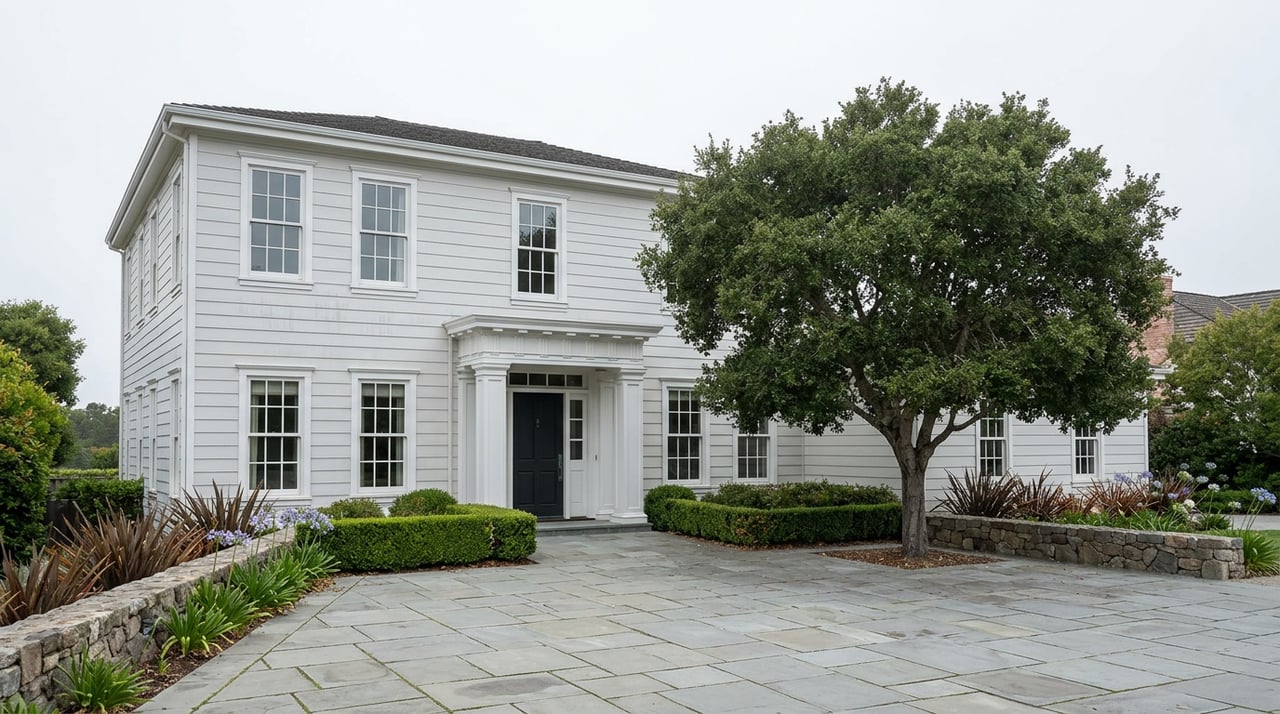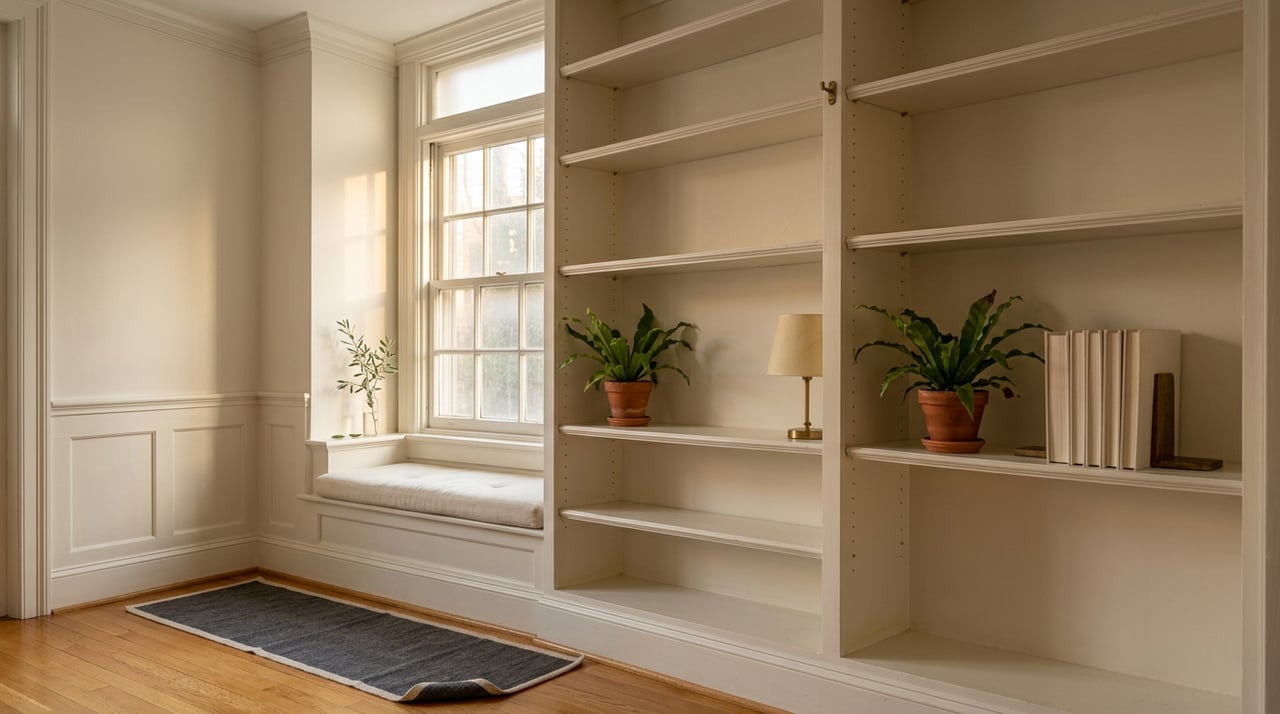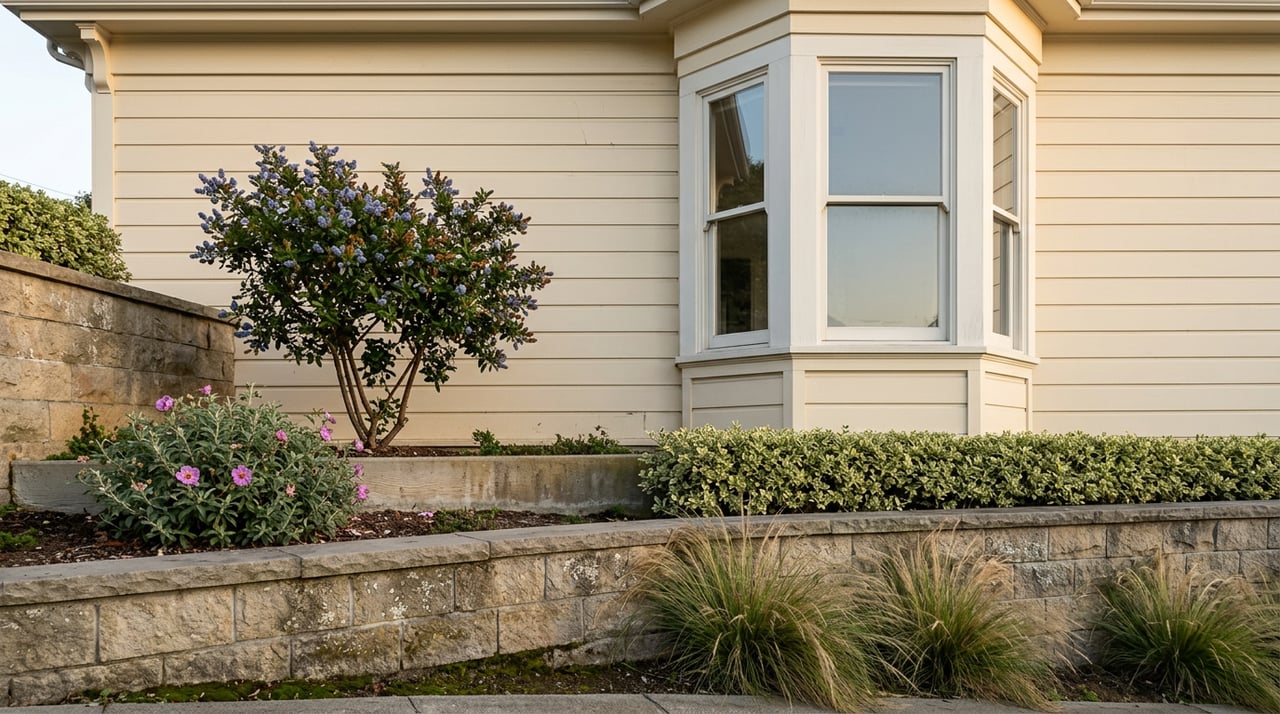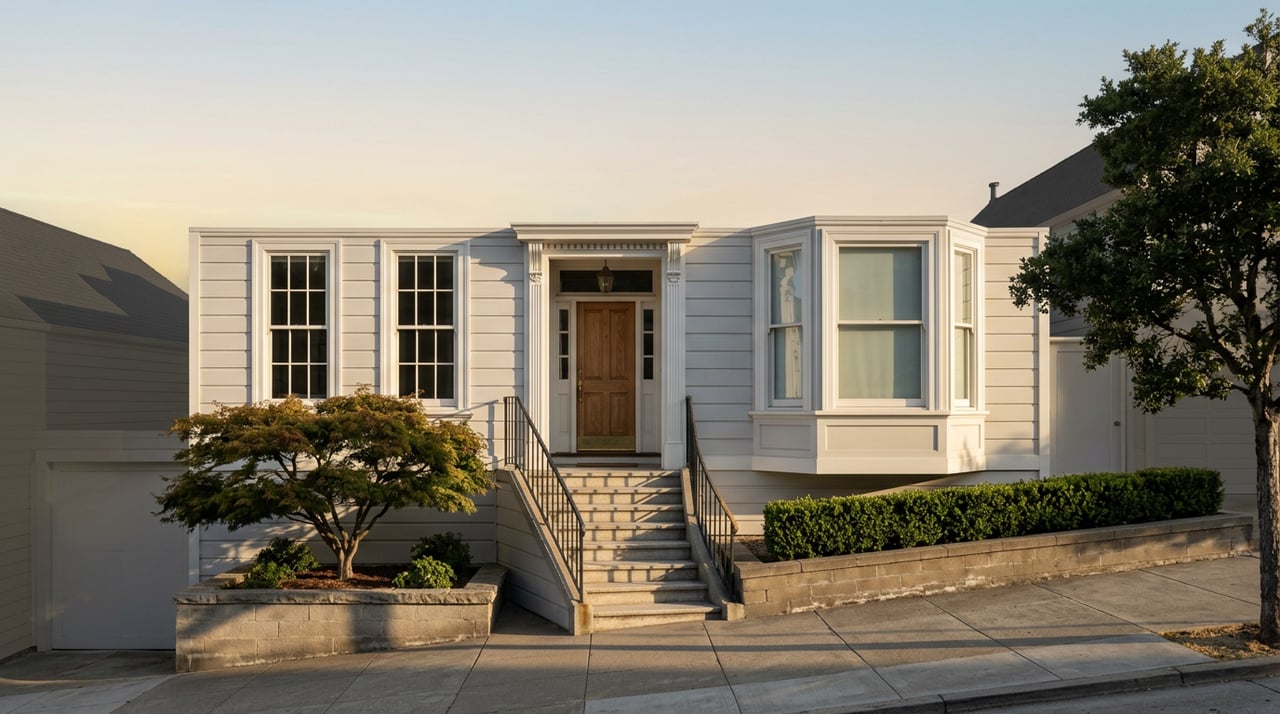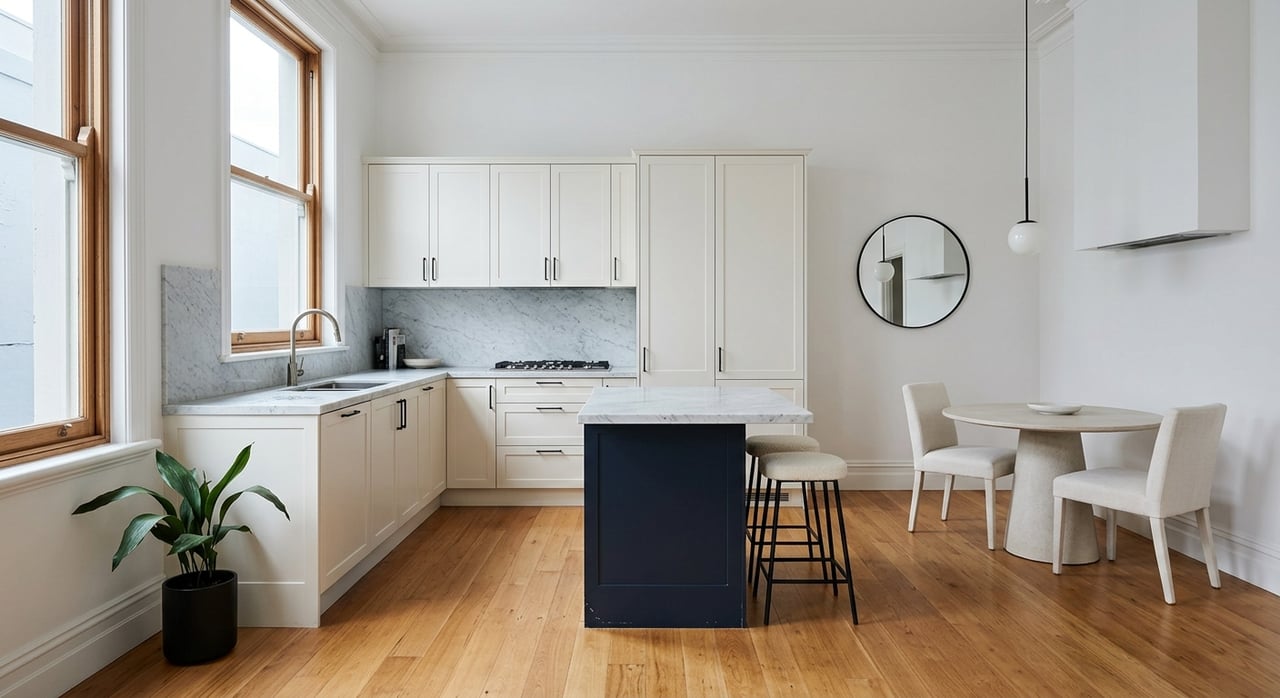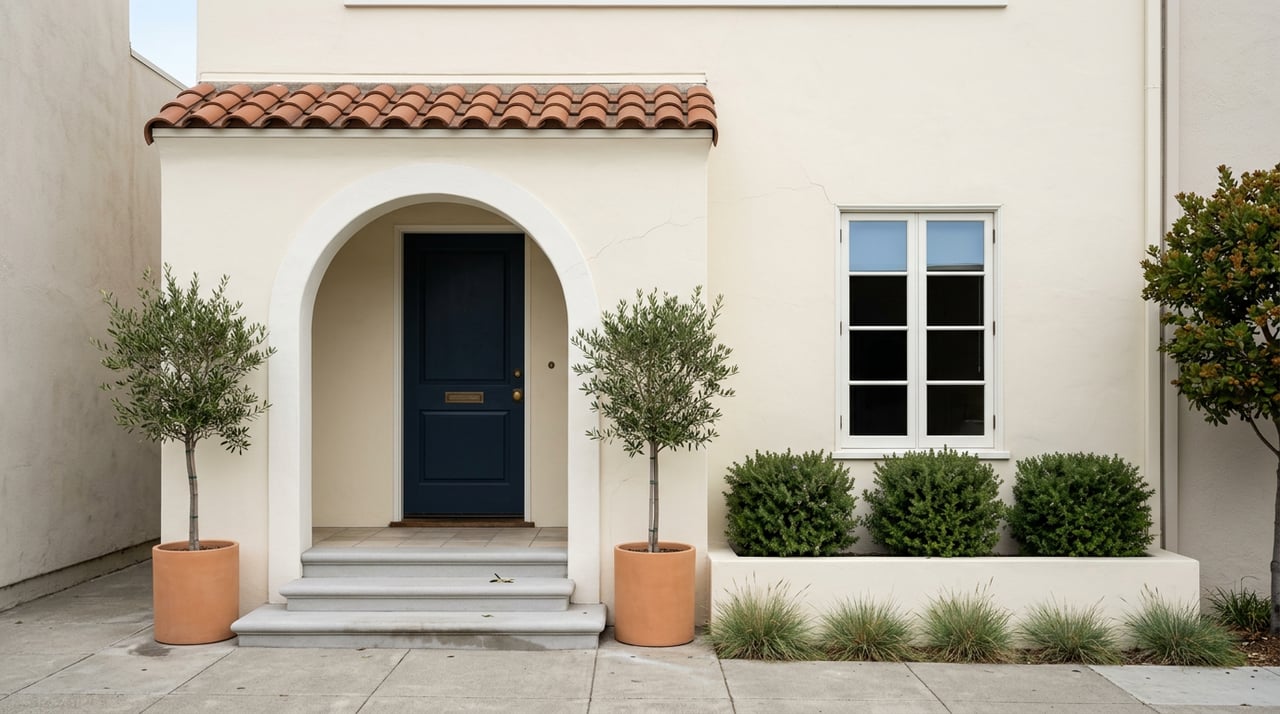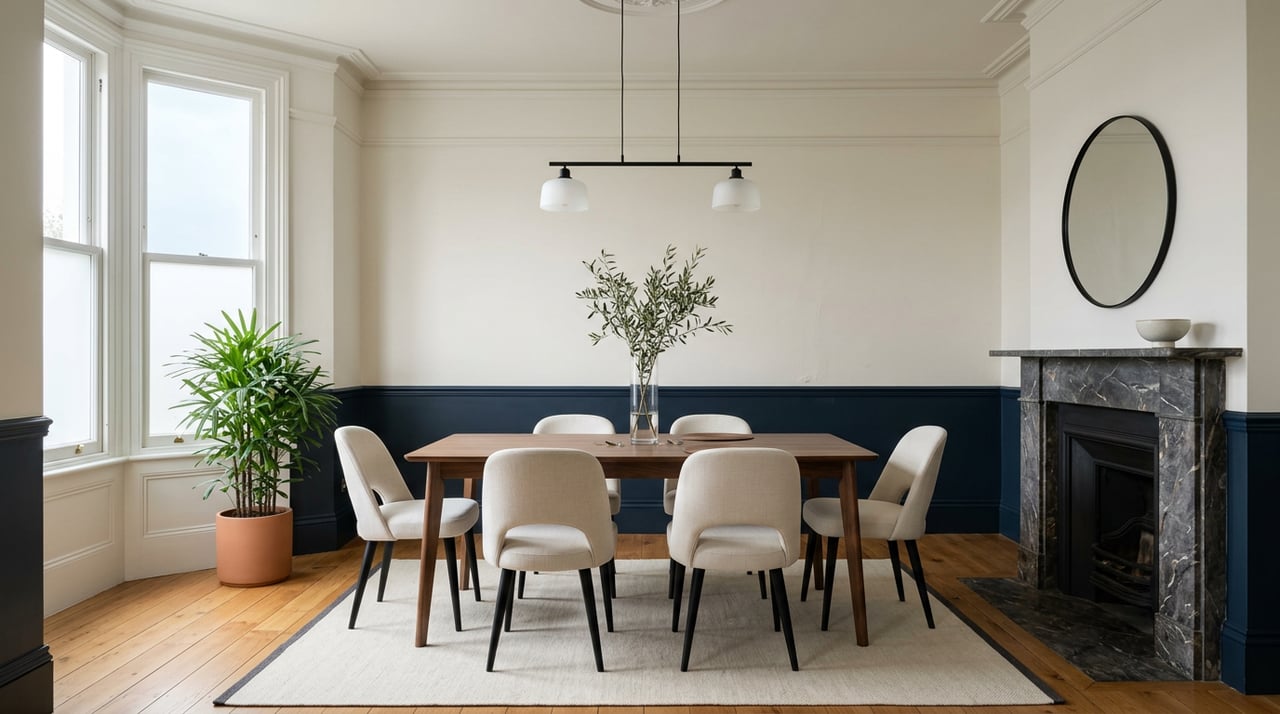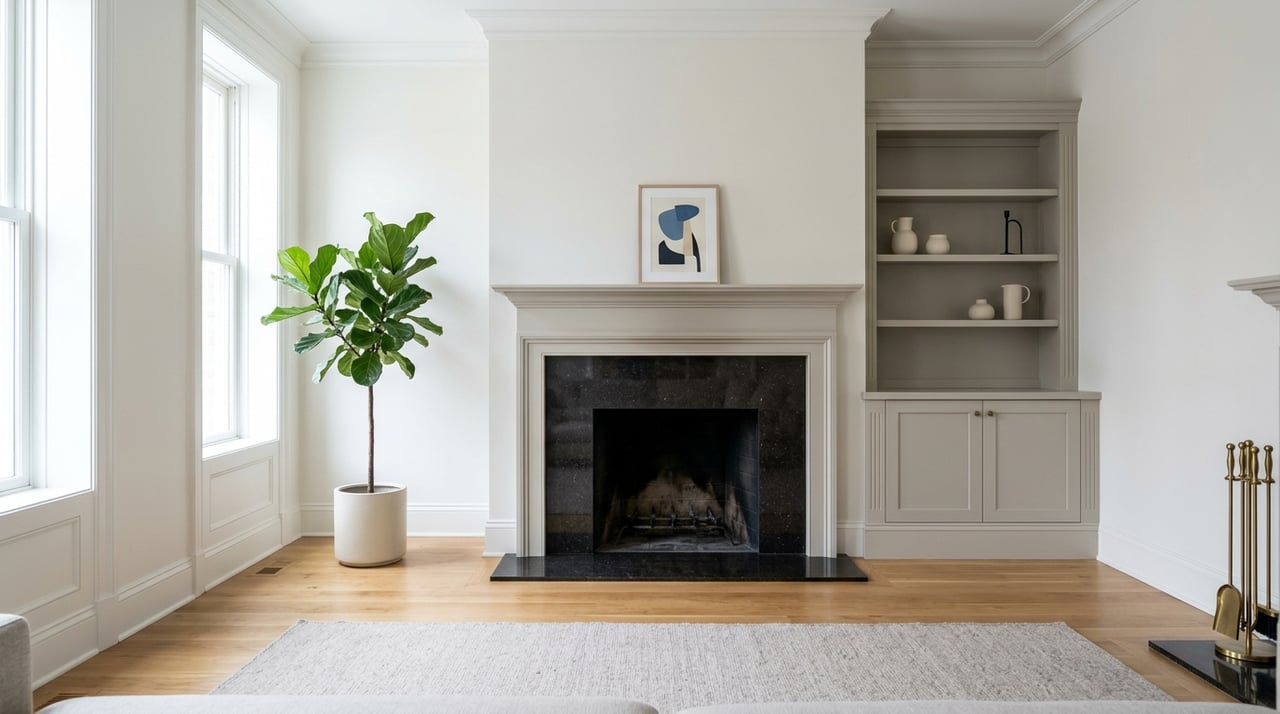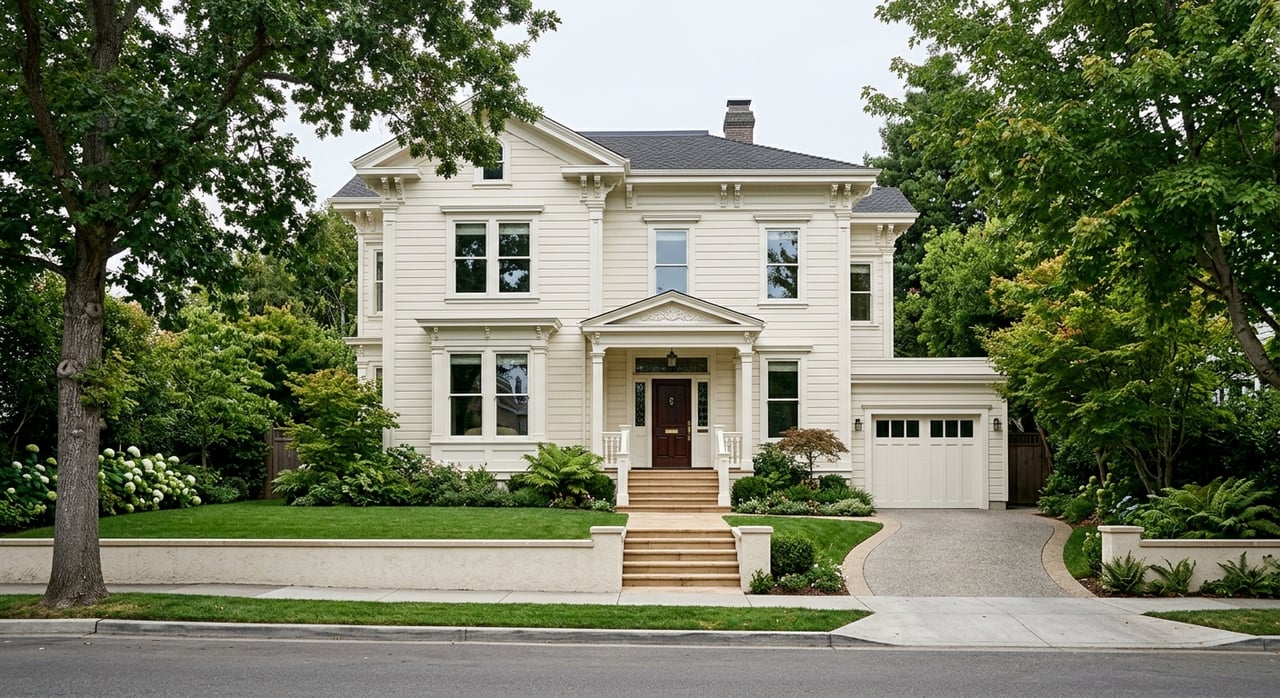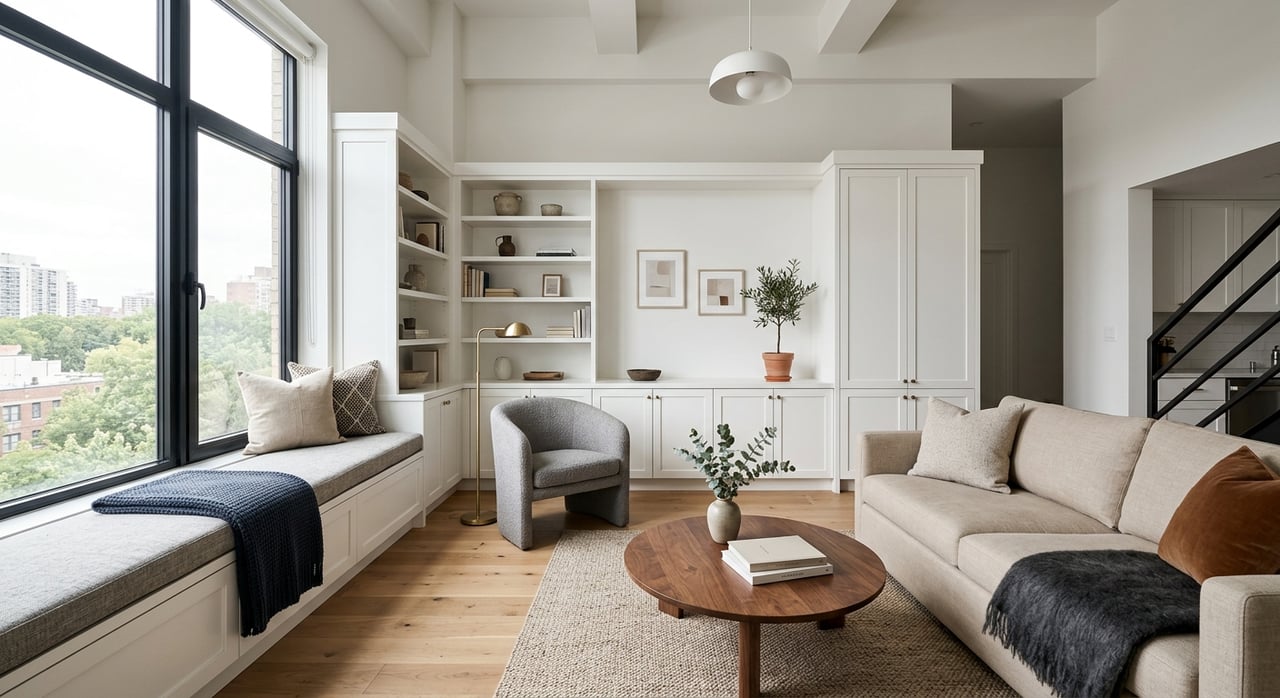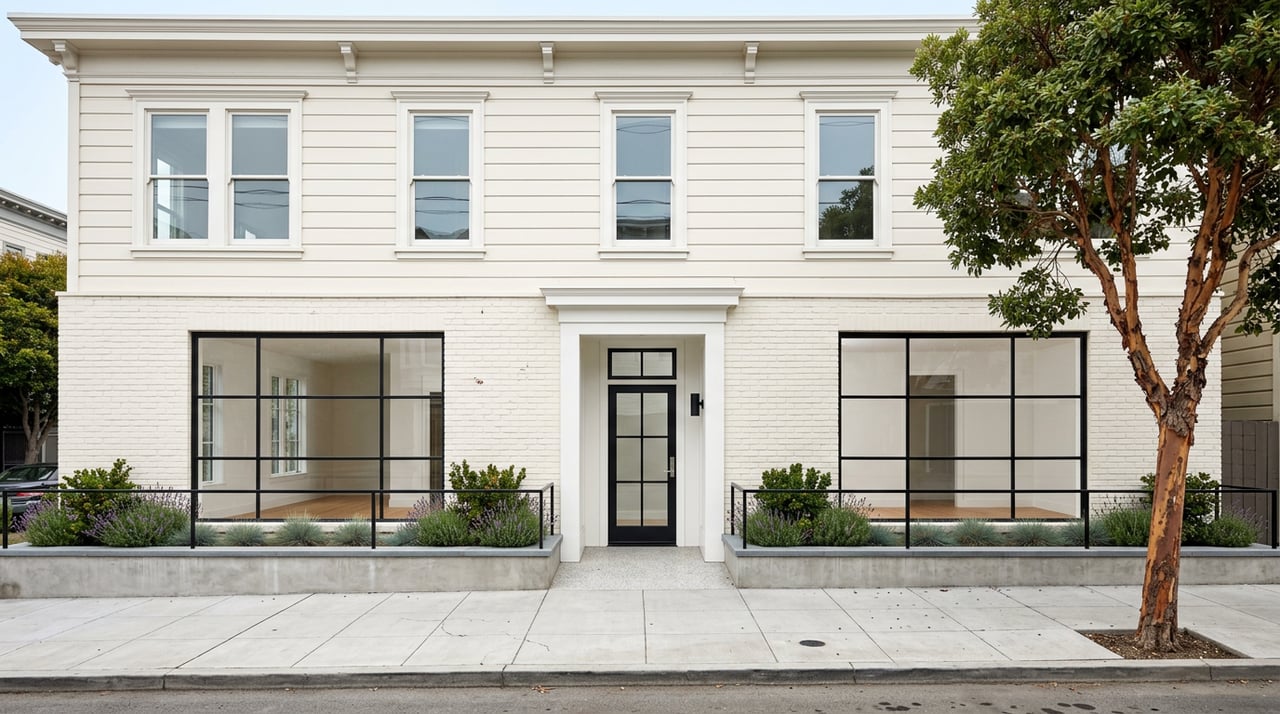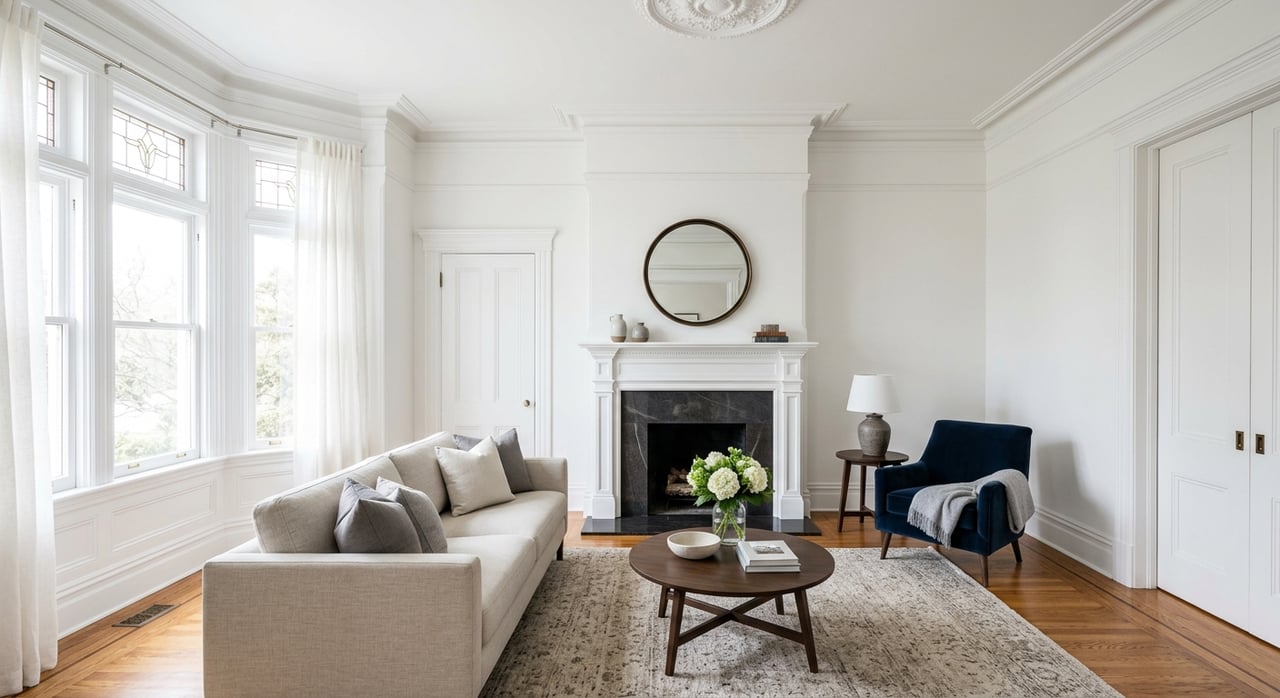
What if the difference between a strong Sea Cliff sale and an exceptional one starts before your home ever hits the market? In a neighborhood where buyers move quickly and expect a polished experience, presentation can shape how they feel about a property the moment they see the photos. If you are thinking about selling in Sea Cliff, it helps to understand how staging, photography, and visual storytelling can influence price and pace. Let’s dive in.
Why presentation matters in Sea Cliff
Sea Cliff is not a typical San Francisco submarket. San Francisco Planning describes it as one of the city’s early residence parks, with large lots, curving streets, distinctive landscaping, and homes positioned to take advantage of views toward the Golden Gate and the Pacific Ocean.
That setting changes how buyers evaluate a home. They are not only comparing square footage, finishes, or bedroom count. They are also responding to light, privacy, landscape, and how the home connects to its site and views.
That matters in a market where buyer response is already strong. Redfin reports a median sale price of $6.2 million in Sea Cliff over the three months ending May 2026, with homes selling in a median of 11 days. Realtor.com currently shows a median listing price of $5,674,000 and just 2 active homes for sale.
Recent sales also point to the importance of first impressions. Redfin shows recent Sea Cliff closings ranging from 13% to 28% over list price. In a low-inventory, high-value neighborhood like this, presentation and pricing often work together to create urgency.
What buyers respond to most
Presentation is not only about making a home look attractive. It is about helping buyers understand the property quickly and clearly. In Sea Cliff, that means showing the relationship between the house, the land, the outdoor space, and the view.
The strongest staging research supports that idea. In the 2025 Profile of Home Staging, 83% of buyers’ agents said staging made it easier for buyers to visualize the property as a future home. That finding is especially relevant in a neighborhood where buyers are often making fast decisions in a luxury price range.
The same report also shows which listing assets matter most. Buyers’ agents rated photos as much more or more important at 73%, followed by traditional physical staging at 57%, videos at 48%, and virtual tours at 43%.
For Sea Cliff sellers, that ranking is useful. It suggests that polished photography and real, in-person staging should come first, while virtual tools can support the presentation but should not replace it.
How staging can support sale price
Staging does not guarantee a certain result, but the research shows it can affect buyer perception in ways that may help price and timing. According to NAR’s 2025 report, 17% of buyers’ agents said staging increased the dollar value offered by 1% to 5%. On the seller side, 19% of sellers’ agents reported a 1% to 5% increase in value offered, and 30% reported a slight decrease in time on market.
In Sea Cliff, that potential matters because pricing spreads are large. Even a modest percentage difference can represent meaningful dollars at this price point. More importantly, better presentation can help buyers feel the value faster, which is often what drives stronger early offers.
Staging is most effective when it removes friction. NAR defines staging as cleaning, decluttering, repairing, depersonalizing, and updating a home so buyers can imagine themselves in the space.
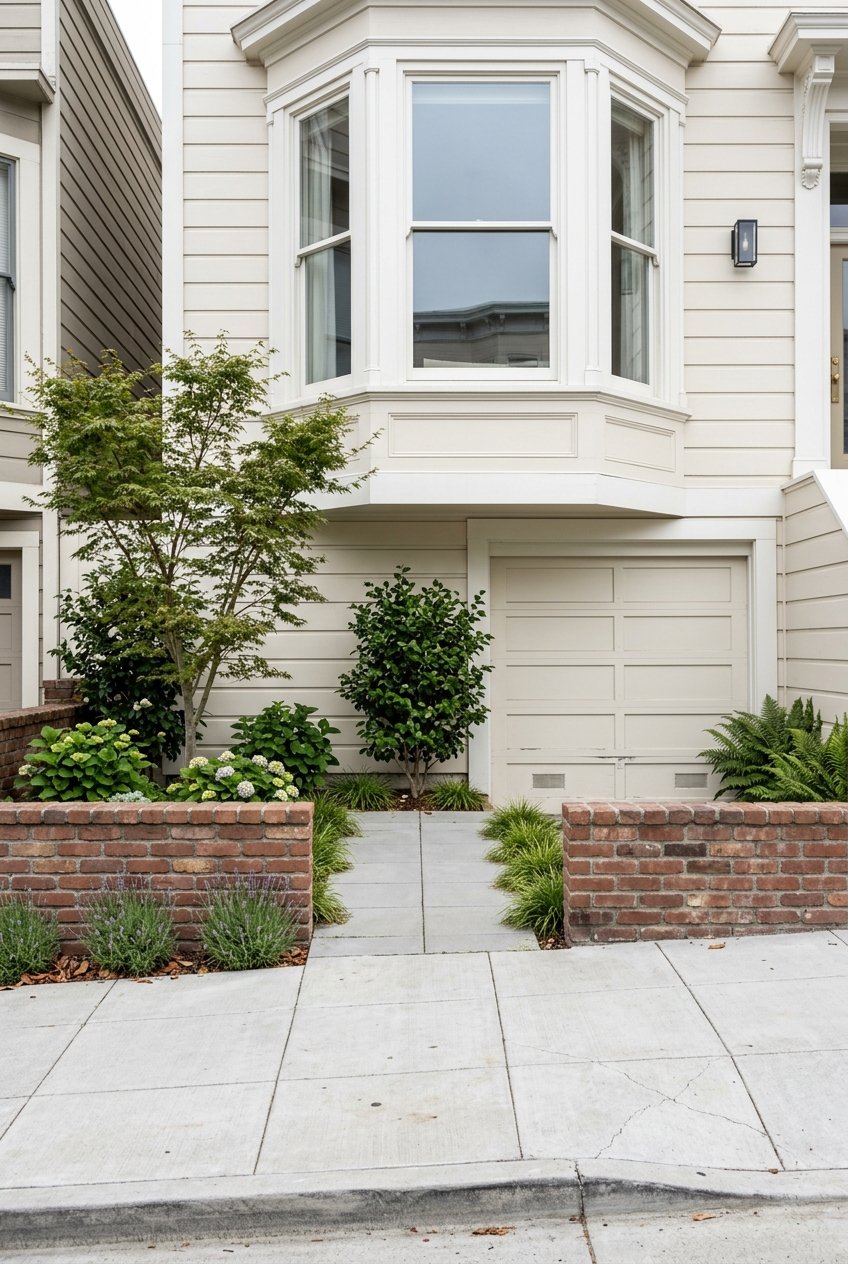
That practical work often matters more than adding lots of furniture or decor. In the 2025 staging report, the most common seller priorities were decluttering the home at 91%, whole-home cleaning at 88%, and improving curb appeal at 77%.
Why Sea Cliff needs a place-based approach
In some neighborhoods, a generic luxury presentation may be enough. Sea Cliff is different. Its value is tied to a specific physical setting, and your marketing should make that setting legible to buyers.
San Francisco Planning describes Sea Cliff as uniformly residential and view-oriented. Homes were designed to take advantage of outlooks toward the Golden Gate and the Pacific Ocean, which means the visual story should focus on what the home sees and how it lives.
That is why the strongest Sea Cliff presentation is usually not the most decorated. It is the most intentional. The goal is to remove distractions so sightlines, natural light, landscape, privacy, and outdoor connection can do the selling work.
Marketing copy should support that same story. Instead of leaning only on room counts or finish details, the listing should explain how the home relates to its lot, how outdoor spaces function, and what kind of view experience buyers can expect.
The rooms and spaces to prioritize
Not every part of a home needs the same level of attention. NAR’s staging guidance points to the spaces that tend to carry the most weight with buyers.
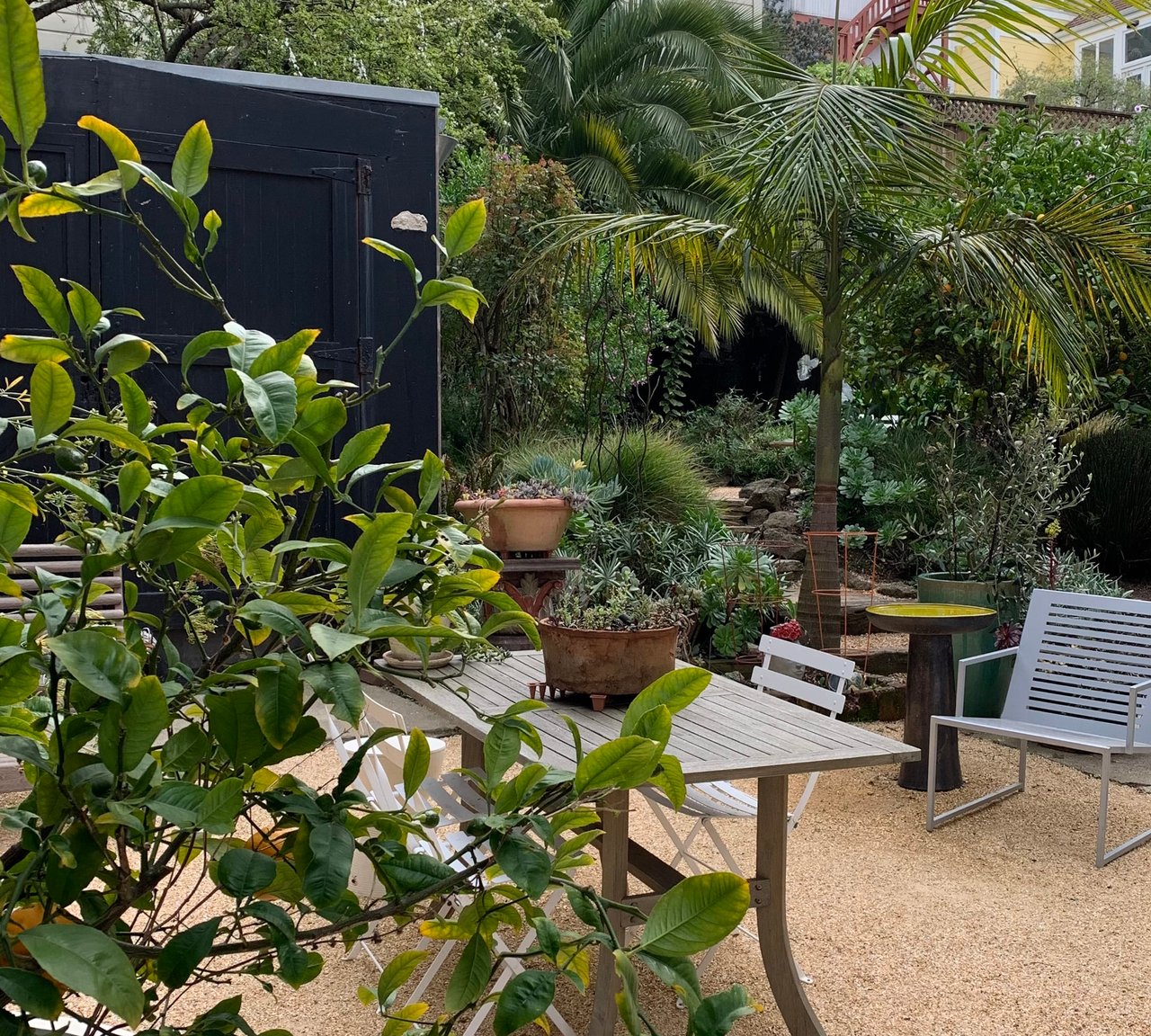
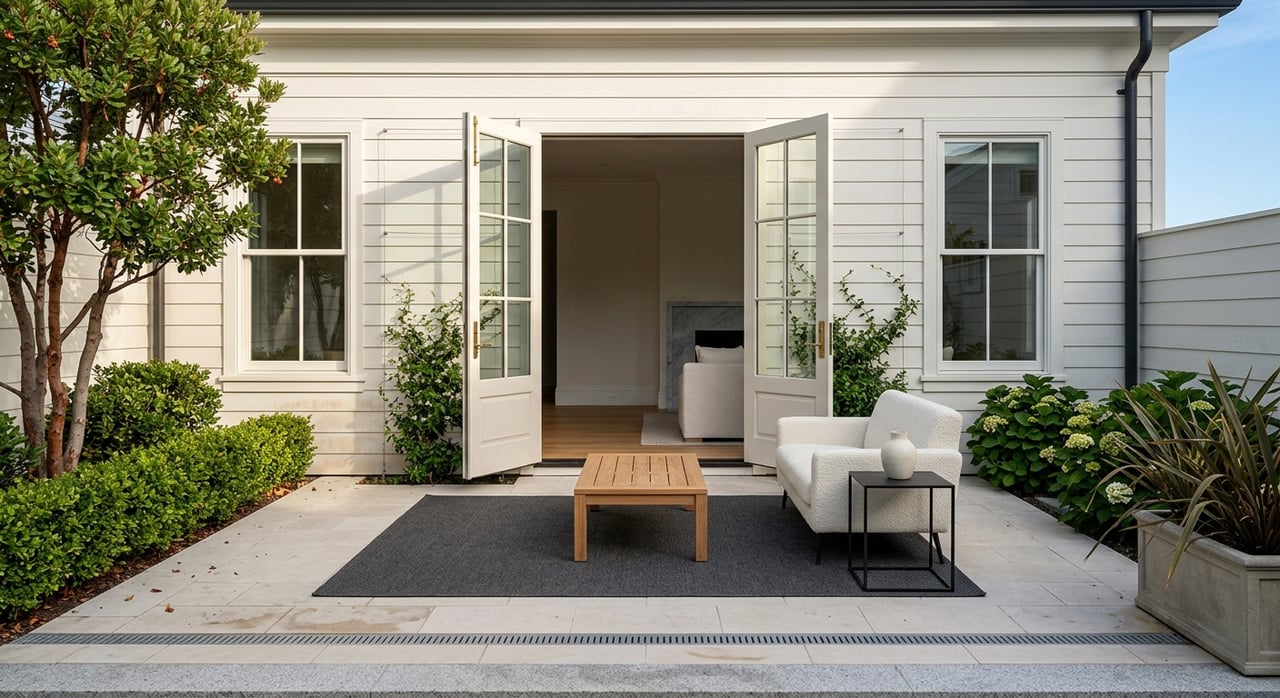
The most commonly staged areas include the living room, primary bedroom, dining room, and outdoor or yard space. In Sea Cliff, that last category is especially important because terraces, gardens, and view-facing exterior areas help buyers understand the full lifestyle value of the property.
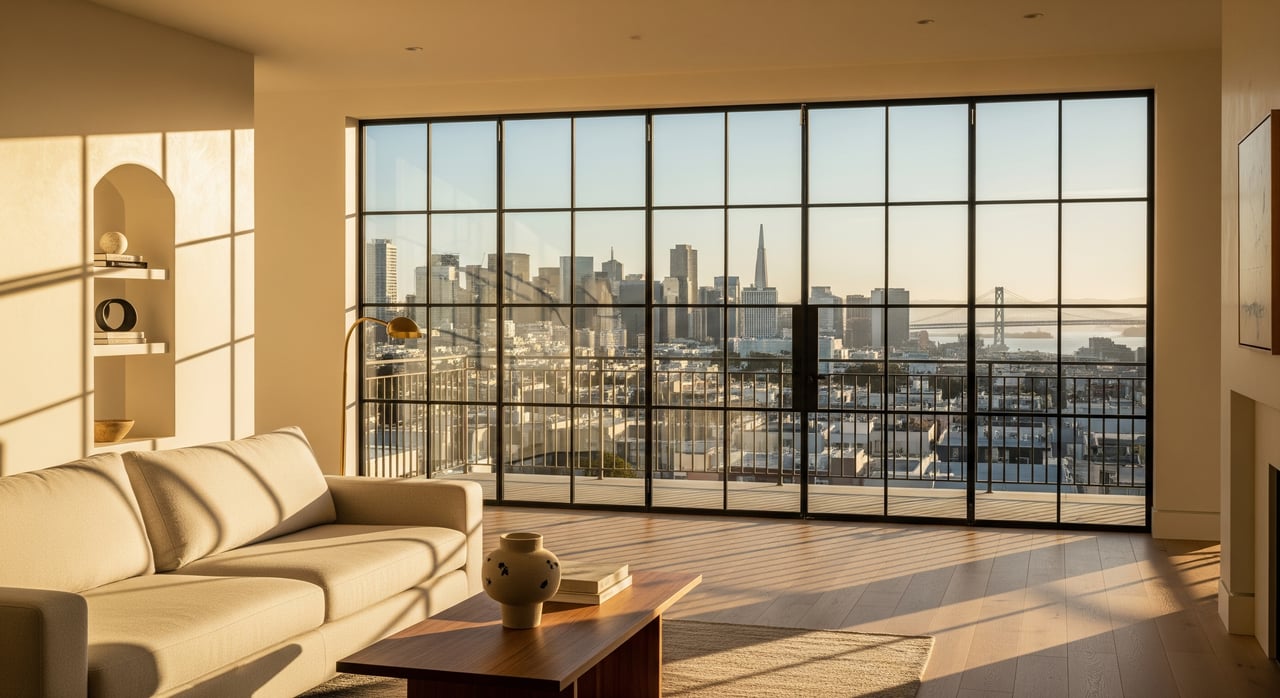
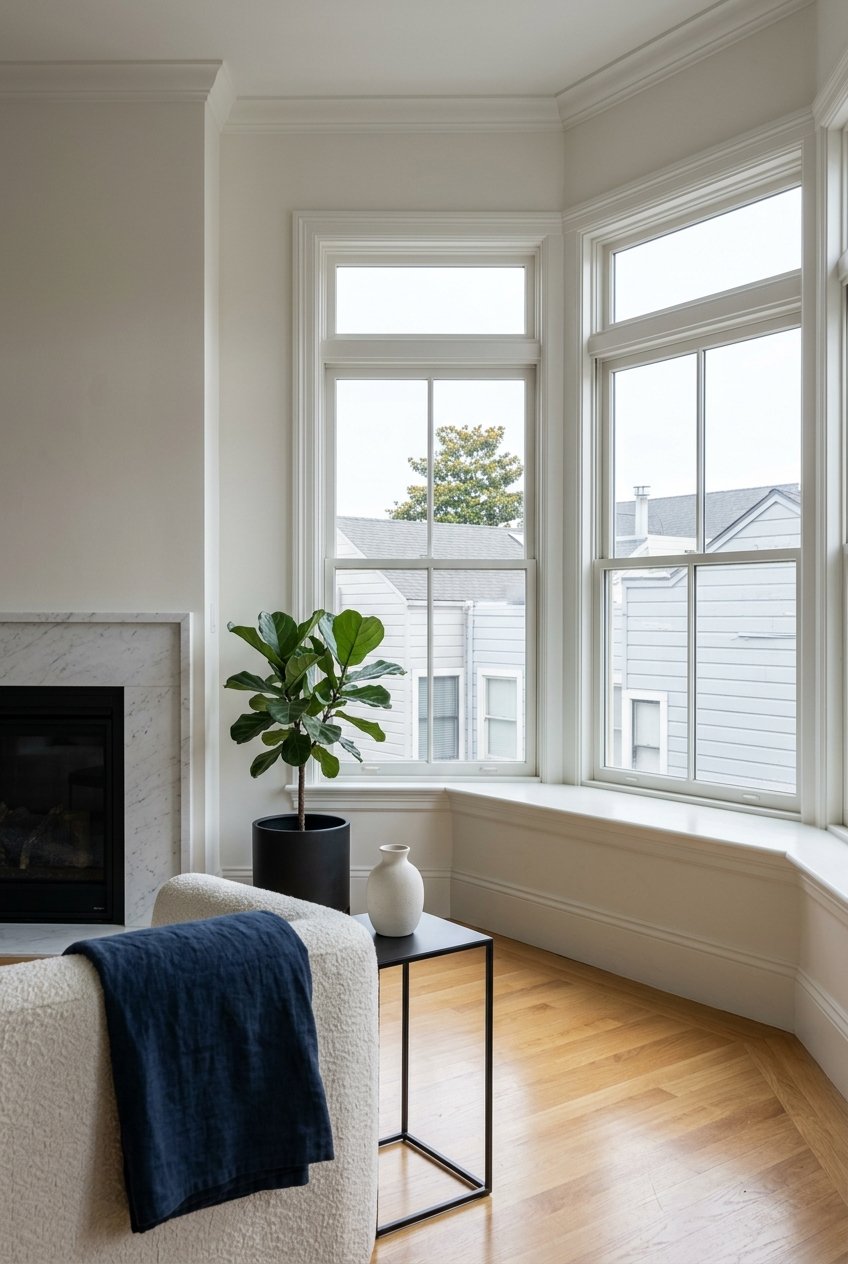
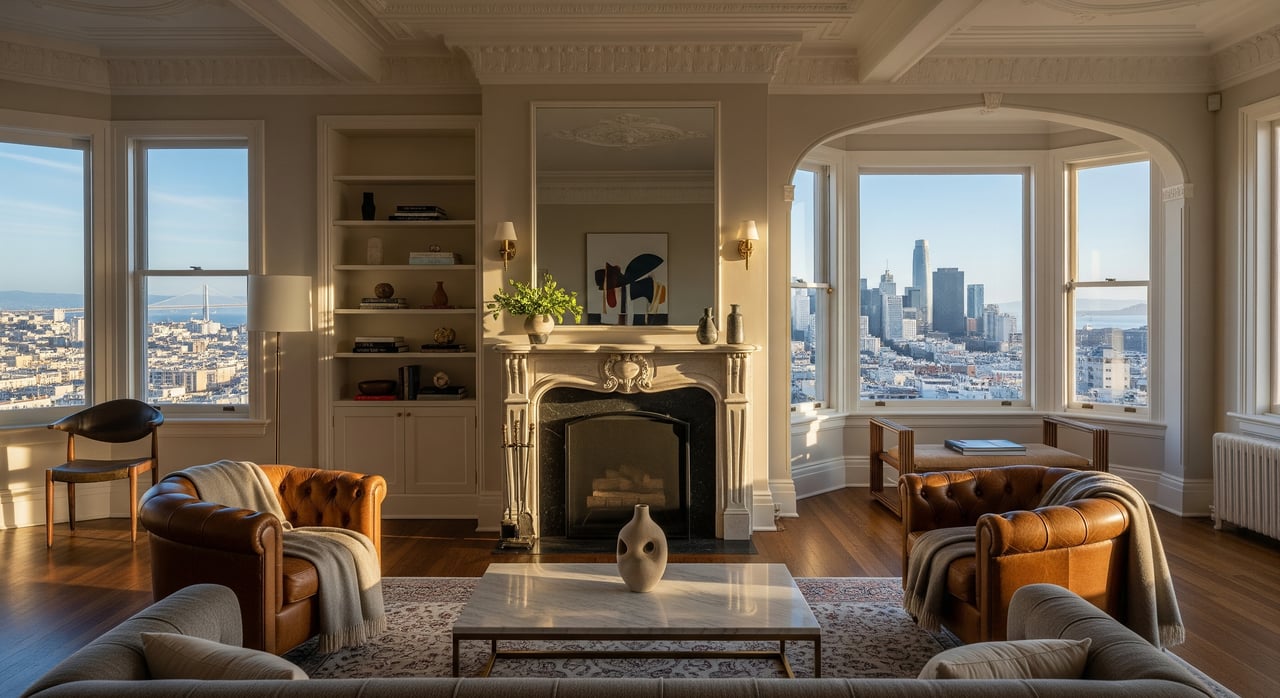
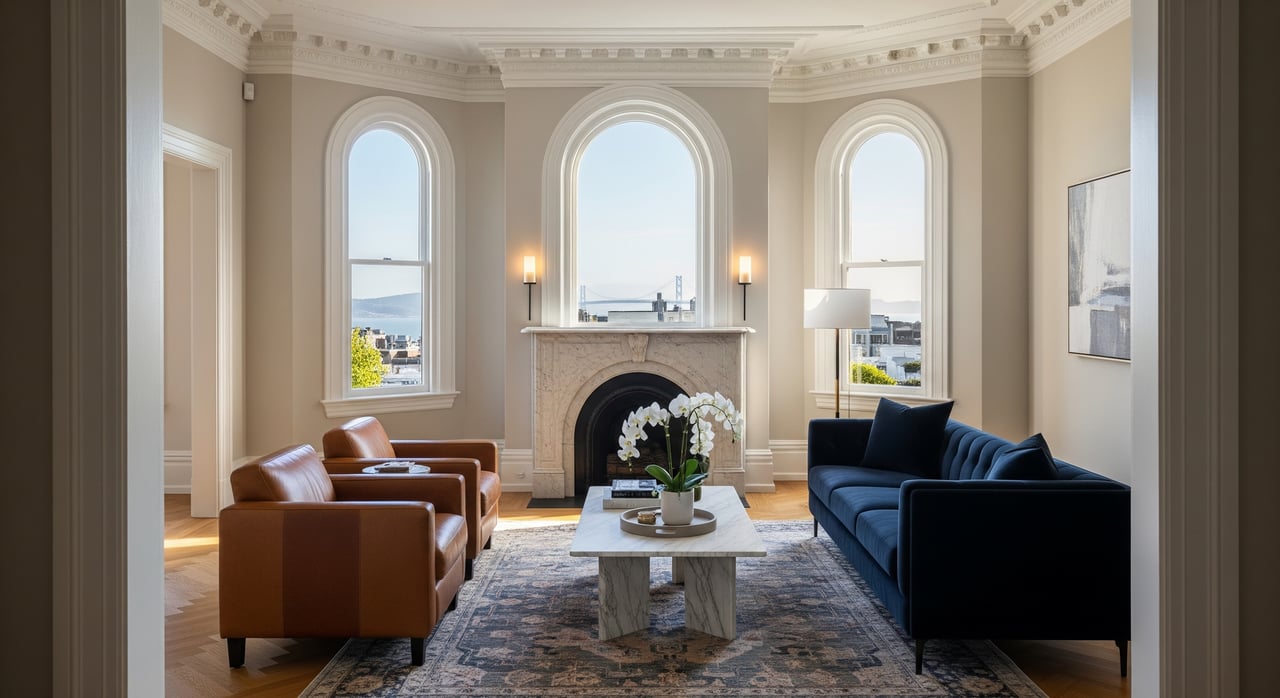
If your home has outlooks, window seating, terraces, or rooms that frame water or bridge views, those spaces should be camera-ready first. Furniture placement should preserve view lines rather than interrupt them.
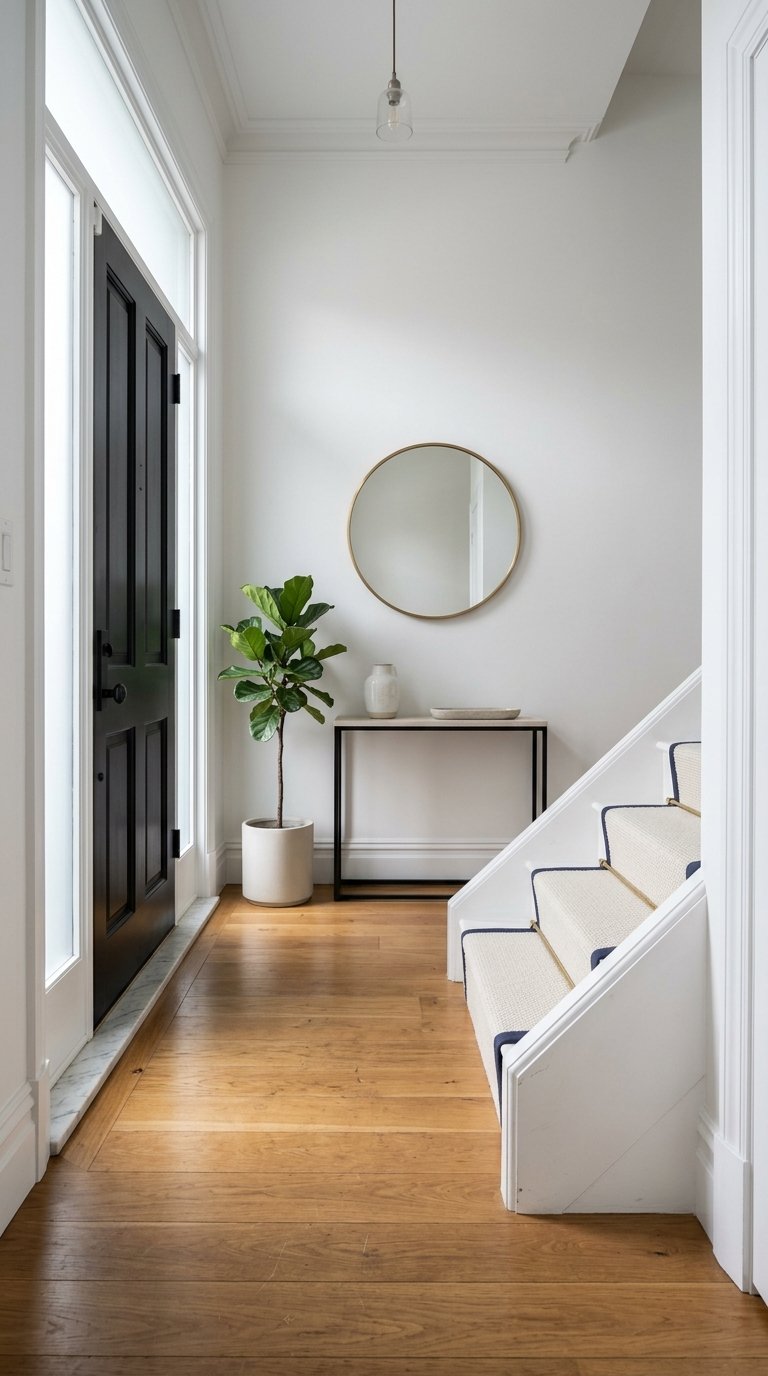
This is where a design-led approach can make a real difference. When staging supports the architecture instead of competing with it, buyers can take in the proportions, the light, and the setting more naturally.
Why photography carries so much weight
Most buyers will meet your home online before they ever step inside. In a luxury neighborhood like Sea Cliff, that first digital impression can shape whether they book a showing, how seriously they view the property, and how they compare it to other high-end options across San Francisco.
The staging research makes this clear. Photos ranked as the most important listing asset among buyers’ agents, above physical staging, videos, and virtual tours.
Older Redfin research also found a measurable advantage for professional listing photos. In that study, professionally photographed listings sold for more relative to list price than listings with amateur photos, and some homes sold faster as well.
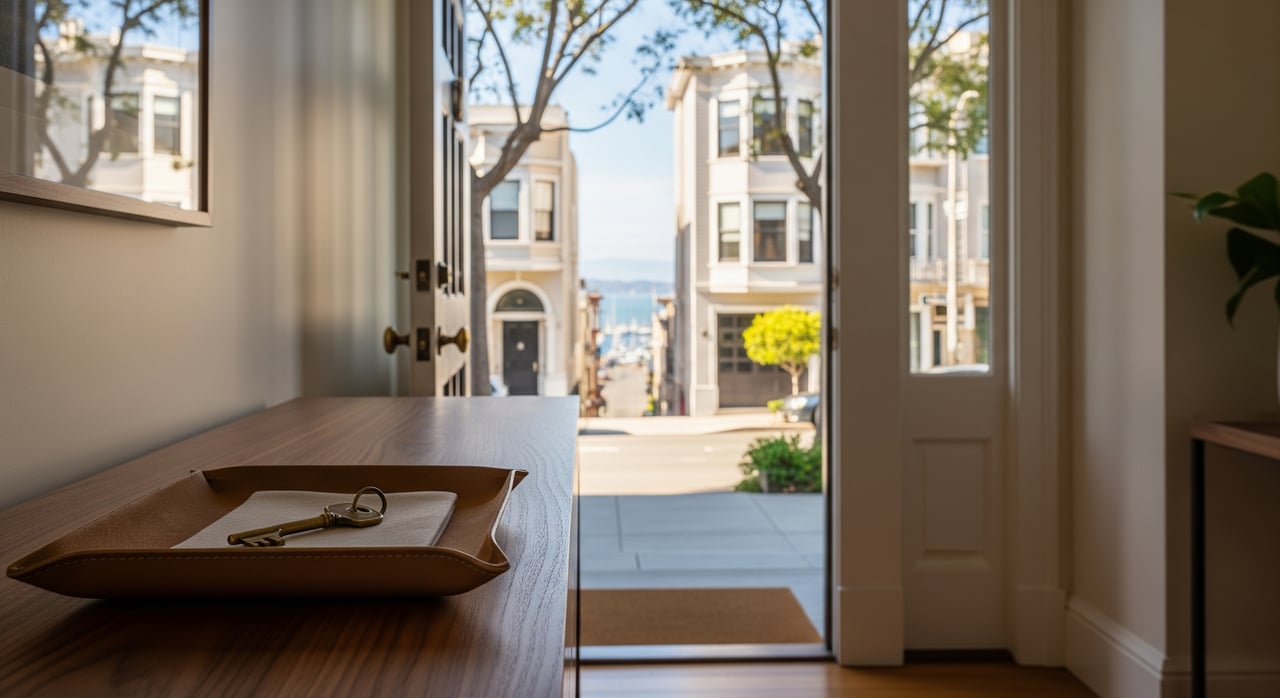
For Sea Cliff, photography should do more than document rooms. It should show scale, preserve sightlines, capture the relationship between indoors and outdoors, and present the house as part of a distinctive coastal San Francisco setting.
Virtual staging has limits here
Virtual staging can be useful in some situations, especially when a space is vacant or hard to interpret. But in Sea Cliff, it works best as a secondary tool rather than the foundation of the marketing plan.
That is because the neighborhood’s value is highly site-specific. Buyers need real images of the actual light, the actual views, and the actual relationship between the home, the lot, and the landscape.
NAR’s data supports that priority. Buyers’ agents placed greater importance on photos and traditional physical staging than on virtual tours or virtual staging tools.
If you are deciding where to invest, start with the fundamentals. A clean, repaired, physically staged, professionally photographed home will usually communicate more clearly than a listing that leans too heavily on renderings.
A practical Sea Cliff prep sequence
If you want presentation to support pricing, timing matters. The most effective listing prep usually follows a clear order so each step builds on the one before it.
Here is a practical sequence based on the staging research and what matters most in Sea Cliff:
- Declutter and depersonalize each room.
- Complete whole-home cleaning.
- Address visible repairs and touch-ups.
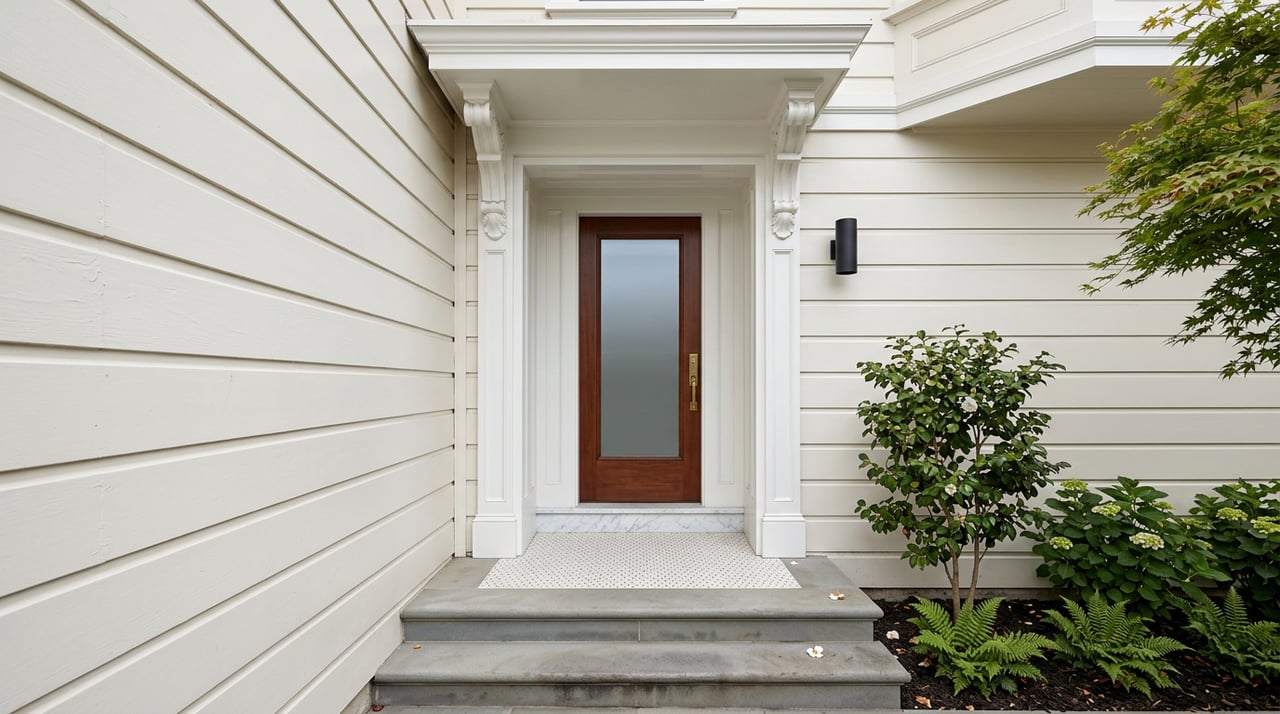
- Improve curb appeal and landscape.
- Stage the key interior rooms and outdoor spaces.
- Photograph only after the home is fully camera-ready.
- Write listing copy that explains the view, privacy, light, and indoor-outdoor story.
This sequence works because it aligns the visual message across every buyer touchpoint. When the home shows well in person and online, buyers can focus on the property’s strengths instead of its distractions.
Presentation and pricing work together
Presentation alone does not determine your sale price. In Sea Cliff, it works best when paired with strategic pricing that matches market conditions and buyer expectations.
That is especially true in a luxury segment where homes often compete on nuance. Redfin reported San Francisco’s luxury median sale price at $6,808,561 in March 2026, with luxury homes going under contract in a median of 12 days.
In that environment, buyers expect polish. If your home is priced for attention and presented with clarity, you improve the odds of generating stronger demand early, when momentum matters most.
That does not mean over-styling the property or making it feel generic. In Sea Cliff, effective presentation should feel grounded in the home itself and in the character of the neighborhood.
What this means for your sale
If you are preparing to sell in Sea Cliff, think of presentation as part of your pricing strategy, not as a cosmetic extra. Buyers in this neighborhood are often making high-stakes decisions quickly, and they respond to homes that feel resolved, legible, and emotionally compelling from the start.
The best results usually come from showing the home honestly and beautifully. That means clean lines, strong photography, thoughtful staging, and a clear story about land, light, privacy, and the view.
In a neighborhood with limited inventory and premium buyer expectations, those details can shape how your home is perceived from day one. And in a market where homes can trade well above asking, perception can have real financial impact.
If you are considering a sale in Sea Cliff and want a design-led plan for preparing, pricing, and presenting your home, connect with Adelaida Mejia.
FAQs
How does home presentation affect Sea Cliff sale prices?
- Presentation can influence how quickly buyers connect with the home and how strongly they respond. In Sea Cliff, where recent sales have closed well above list and inventory is limited, staging, photography, and clear visual storytelling can support stronger buyer interest.
Which rooms matter most when staging a Sea Cliff home?
- Research points to the living room, primary bedroom, dining room, and outdoor spaces as the most important areas to stage. In Sea Cliff, view-facing rooms, terraces, gardens, and other outdoor areas deserve special attention.
Is professional photography worth it for a Sea Cliff listing?
- Yes. Buyers’ agents rate photos as the most important listing asset, and Redfin research found that professional photos were associated with better sale outcomes and faster sales than amateur images.
Should you use virtual staging for a Sea Cliff home sale?
- Virtual staging can help in limited cases, but it should usually play a supporting role. In Sea Cliff, buyers need real images that show the true light, views, site, and outdoor connection.
What should sellers do before staging a Sea Cliff home?
- Start with decluttering, cleaning, depersonalizing, repairs, and curb appeal. Those steps create the foundation for staging and photography to work well.
Why is Sea Cliff presentation different from other San Francisco neighborhoods?
- Sea Cliff’s value is closely tied to its large lots, landscaping, privacy, and views toward the Golden Gate and Pacific Ocean. The strongest presentation helps buyers understand that relationship between the home and its setting.