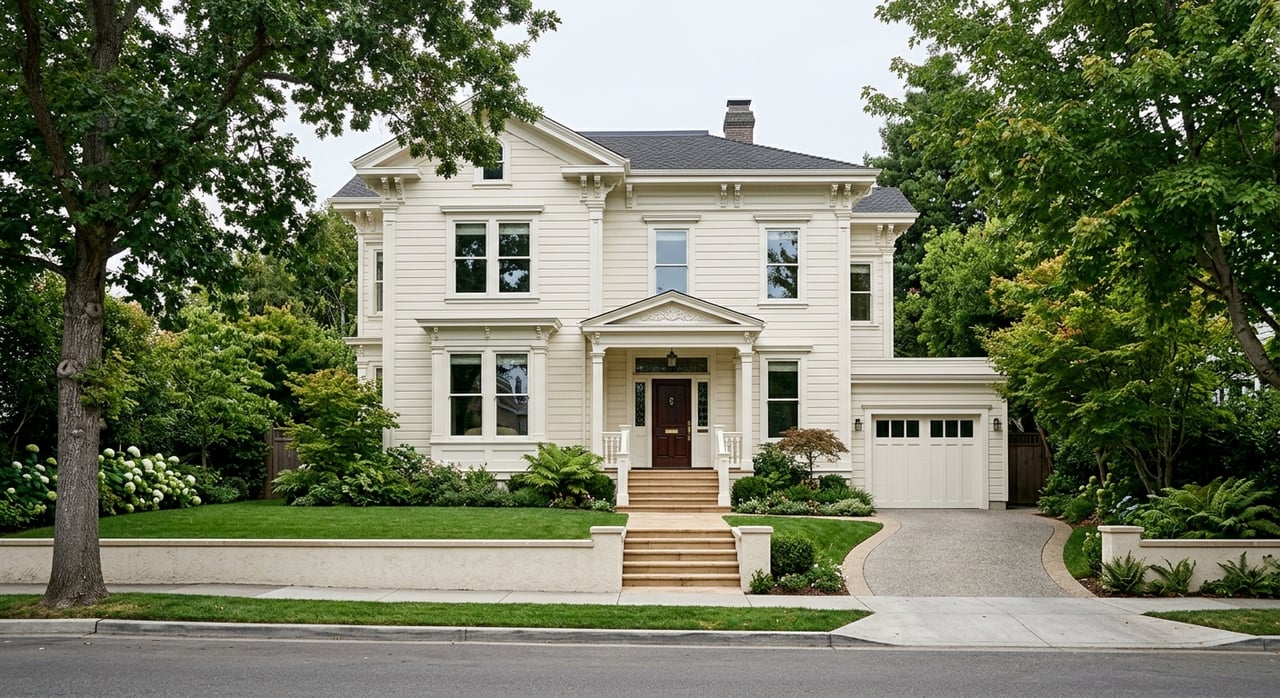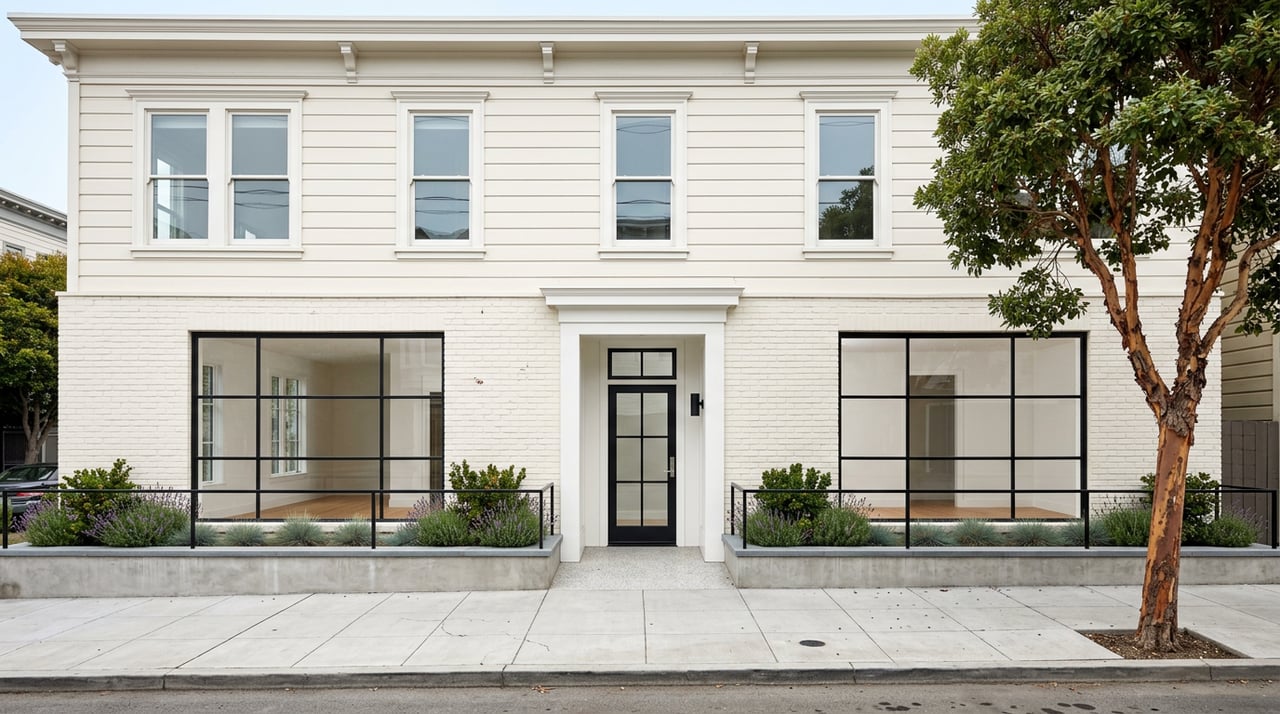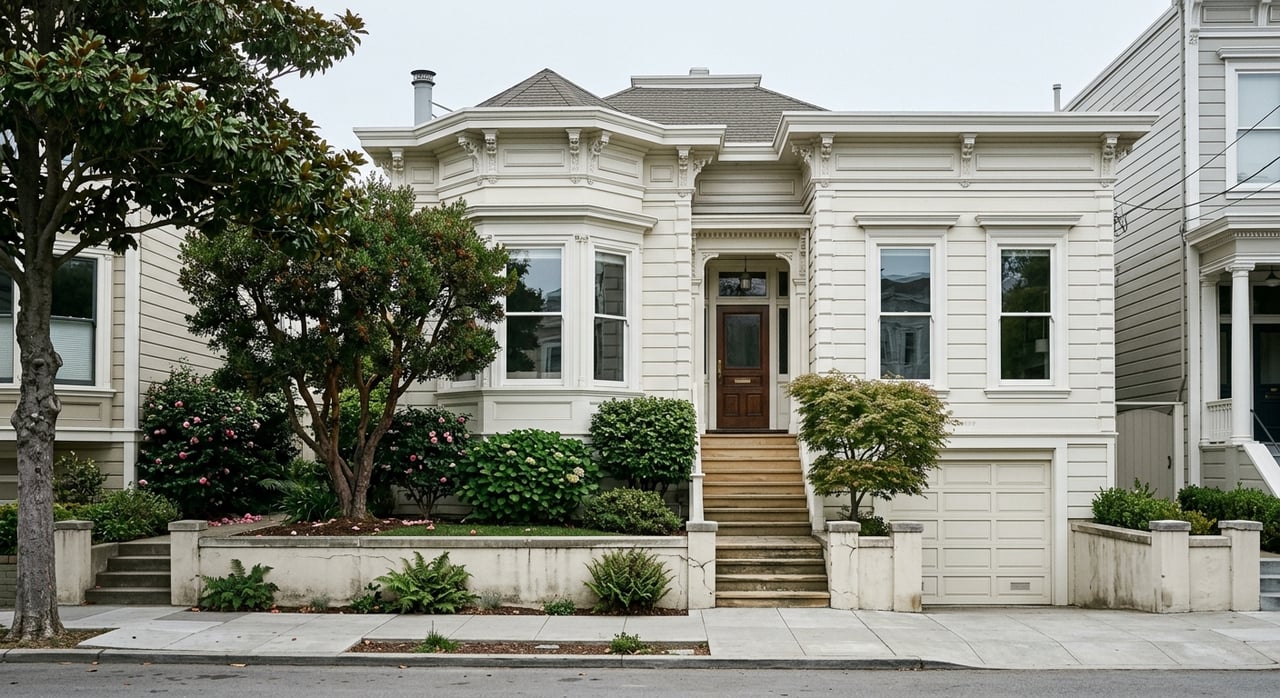
Seeing “as‑is” on an Alamo Square listing can spike your heart rate. Does it mean you buy a mystery house with no safety net, or that the seller refuses every repair request? If you love San Francisco’s Victorian and Edwardian homes, you know charm often comes with quirks. The good news is you can navigate an as‑is sale with confidence when you understand what it really covers, what it does not, and how to protect your interests.
In this guide, you’ll learn how as‑is language works under common California contracts, which disclosures still apply, the inspections that matter most in Alamo Square, and how pricing and negotiations typically unfold. Let’s dive in.
What “as‑is” really means
“As‑is” signals the seller’s intent to offer the property in its current condition and not agree to repairs after you inspect. It is a statement about repairs, not a waiver of your rights. Under common California form agreements, the exact effect depends on the purchase contract wording you sign.
You often see an as‑is clause paired with an inspection contingency. That contingency gives you a set number of days to investigate, request repairs or credits, or cancel per the contract. If you waive that contingency up front, you assume more risk, but lenders and appraisers may still require certain items for financing.
What it does not do
“As‑is” does not let a seller hide known material defects. California requires sellers to provide standard disclosures and prohibits fraudulent concealment. Even in an as‑is sale, a seller must deliver required forms and share known issues that materially affect the property.
Where the contract matters
Your rights flow from the contract. Most California Association of Realtors form agreements include:
- An as‑is clause the seller can check
- An inspection contingency with a specific timeline
- Required disclosure obligations for the seller
Read those sections closely with your agent before you write or accept an offer.
Disclosures that still apply
Even when a home is marketed as‑is, you should expect a full, standard California disclosure package. For Alamo Square’s older homes, key items include:
- Transfer Disclosure Statement. The seller discloses known material facts and property features.
- Natural Hazard Disclosure. You learn whether the home is in mapped hazard zones like earthquake fault or fire severity areas.
- Lead‑based paint disclosure. Required for homes built before 1978, which includes most Victorians and Edwardians.
- Environmental hazards. Known methamphetamine contamination or other hazards must be disclosed if the seller is aware.
- Local ordinances and compliance. Known San Francisco code violations, soft‑story or seismic retrofit requirements, and permit history issues should be disclosed if known.
- Death on property and related facts. Certain stigmas have limits under California law, but material facts about property condition must be disclosed.
Bottom line: as‑is does not cancel disclosure duties. Full transparency reduces surprises and future disputes for both sides.
Inspection rights and timing
Most California purchase agreements preserve your right to inspect unless you explicitly waive that right. If you keep your inspection contingency, use it. Schedule inspections promptly so you have time to review, request concessions, or cancel within your window.
Smart inspection lineup in Alamo Square
With older San Francisco homes, a general inspection is just the start. Consider specialists who know period construction and local rules:
- General home inspection
- Pest and termite inspection
- Roof evaluation
- Foundation and seismic assessment
- Electrical review for knob‑and‑tube or outdated panels
- Plumbing and sewer lateral condition
- Chimney and fireplace inspection
- Hazardous materials screening for lead and asbestos
These findings help you price future work and decide how to structure your offer.
What happens after inspections
Inspection results in an as‑is sale usually lead to one of four outcomes:
- You accept the property as‑is and move forward
- You request repairs or a credit, and the seller can accept, reject, or negotiate
- You cancel within your contingency period if the contract allows
- You negotiate a price adjustment or escrow holdback for known work
If the seller concealed a known defect, you may have legal remedies. That is separate from the as‑is label and depends on facts and disclosures.
Pricing and negotiations in Alamo Square
Alamo Square is a desirable micro‑market with buyers who value period character and also expect safe systems and seismic resilience. Market conditions shape how much leverage as‑is really gives a seller.
- In a strong seller’s market, an as‑is listing can still earn multiple offers, with buyers waiving or shortening contingencies to compete.
- In a softer market, as‑is often lowers the list price or shifts value toward credits, drawing investors and buyers ready to take on projects.
How as‑is influences value
As‑is homes typically trade at a discount compared with similar fully repaired properties. The size of that discount depends on:
- Visibility and severity of issues like foundation, roof, termite, or major systems
- Cost and feasibility of repairs in historic homes, including permit requirements and potential hidden conditions
- Buyer pool mix. Owner‑occupants may discount more for uncertainty, while investors may price for upside
Financing matters too. Lenders and appraisers may require correction of health and safety issues before funding. If you rely on financing, talk to your lender early about condition and appraisal expectations.
Negotiation tools that work
Common ways to bridge gaps in as‑is deals include:
- Price reductions to reflect needed work
- Credits at closing so you control the repairs
- Escrow holdbacks for known items that will be completed after close
- Limited seller commitments focused on specific safety hazards
- Sharing third‑party repair estimates to align on scope
Your mix depends on findings, timelines, and whether you are competing against other buyers.
Historic and seismic factors to budget
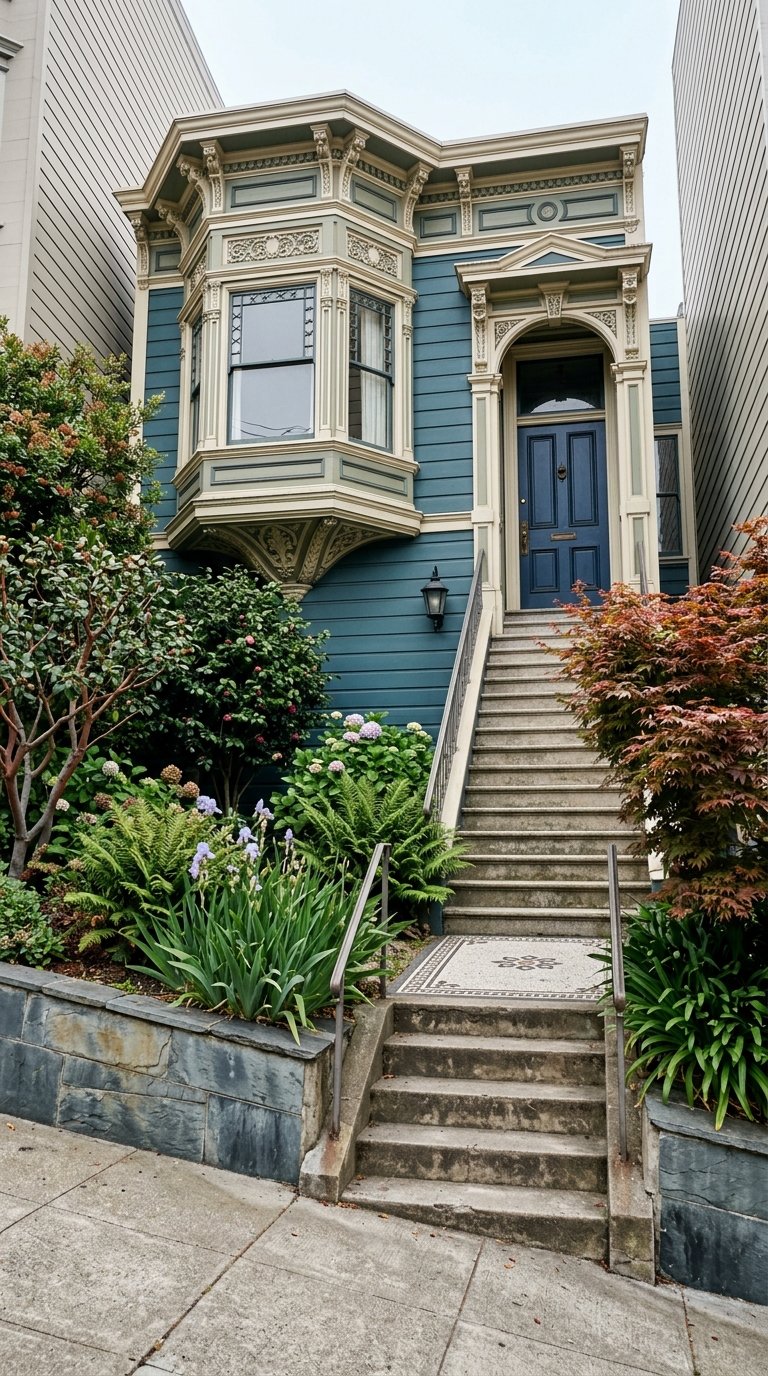
Many Alamo Square properties fall within historic districts or have protected façades. Exterior work may require additional review, which can affect cost and scheduling. Plan ahead and expect specialty trades for period details.
San Francisco’s seismic retrofit programs and permit processes also influence timing. If a property needs retrofit work, buyers often price the cost into offers. Understanding local requirements up front helps you avoid surprise delays.
Seller playbook: selling as‑is with confidence
If you are selling a Victorian or Edwardian as‑is, preparation and transparency can protect your price and reduce friction later.
- Order a pre‑listing general inspection. Add pest, roof, and structural or seismic as needed.
- Gather disclosures early. Include the Transfer Disclosure Statement, Natural Hazard Disclosure, lead disclosures for pre‑1978 homes, known violations, and any relevant permits.
- Consult contractors for written estimates. Decide which repairs to complete and which to price into the listing.
- Price for condition, not perfection. Set expectations so buyers feel informed and confident.
- Share reports with buyers. Fewer surprises mean smoother negotiations.
- Coordinate marketing to highlight strengths. Period character, floor plan flexibility, and neighborhood lifestyle matter.
A design‑forward strategy helps even when you sell as‑is. Presentation, clear pricing, and honest documentation make serious buyers lean in rather than walk away.
Buyer playbook: winning an as‑is home wisely
You can succeed on an as‑is purchase without over‑exposing yourself to risk. The key is disciplined due diligence and offer strategy.
- Keep your inspection contingency when possible, and act fast within the timeline
- Hire inspectors familiar with San Francisco’s older housing stock
- Review seller disclosures and check permit history before removing contingencies
- Talk to your lender early about any health or safety flags
- Decide if you want to negotiate credits rather than repairs
- Use contractor bids to support requests and guide your budget
- Consider holdbacks for defined items if timing is tight
If you choose to waive contingencies in a competitive situation, make that call with data in hand and a clear plan for post‑close work.
Common pitfalls to avoid
- Confusing as‑is with no disclosures. The seller still must disclose known material facts.
- Skipping inspections on a century‑old home. Small clues can reveal big systems issues.
- Ignoring seismic and historic constraints. These affect cost, permits, and timelines.
- Underestimating hidden conditions. Build a contingency in your budget.
- Waiting to loop in your lender. Financing can hinge on property condition.
How I help in Alamo Square
You deserve clear answers, strong presentation, and steady guidance through a complex process. With deep neighborhood knowledge and a design‑led approach, I help sellers package as‑is properties with transparent reports and compelling storytelling. For buyers, I coordinate the right inspections, frame smart requests, and craft offers that balance risk and competitiveness.
If you are weighing an as‑is sale or eyeing an as‑is Victorian, let’s talk through strategy, scope, and timing so you can move forward with confidence. Connect with Adelaida Mejia to get started.
FAQs
Does as‑is let a seller hide defects in Alamo Square?
- No. Sellers must disclose known material defects and cannot lawfully conceal issues, even in an as‑is sale.
Can I still inspect an as‑is Victorian in San Francisco?
- Yes. Your inspection rights are set by the contract, and most agreements include an inspection contingency unless you waive it.
What if my inspections uncover major problems?
- If you have a valid contingency and act within the timeline, you can negotiate repairs or credits, or cancel as allowed by the contract.
Will my lender finance an as‑is property?
- Possibly, but lenders and appraisers may require health and safety items addressed before funding, so check early.
Should a seller order pre‑listing inspections for an as‑is home?
- Often yes, especially for older homes; they clarify condition, support accurate pricing, and reduce negotiation surprises.
How do historic rules affect repairs in Alamo Square?
- Exterior work and certain alterations may need review, which can increase cost and extend timelines; plan for this during due diligence.