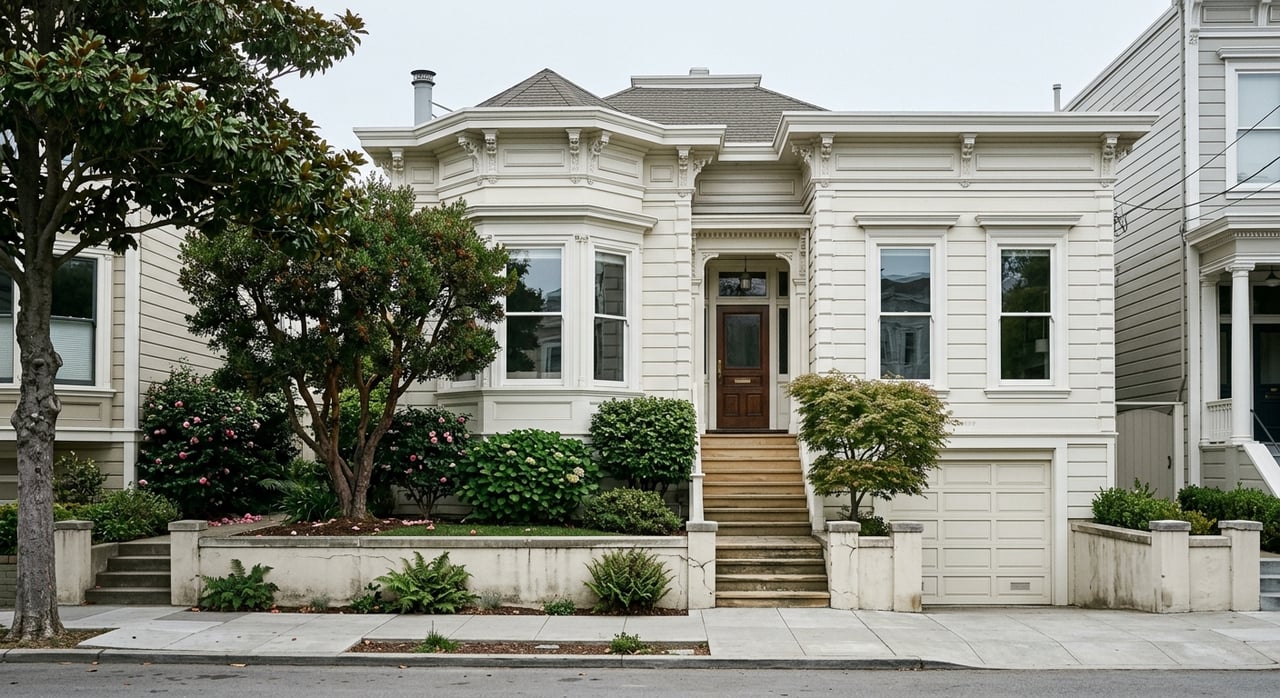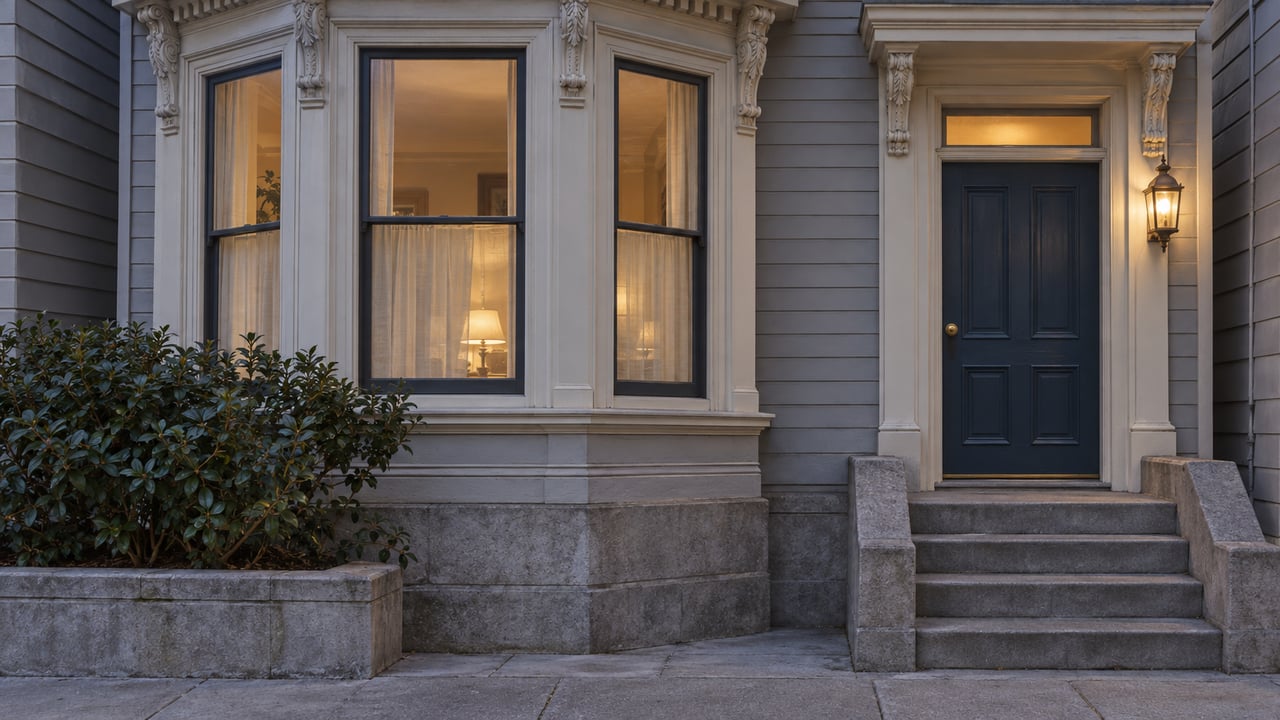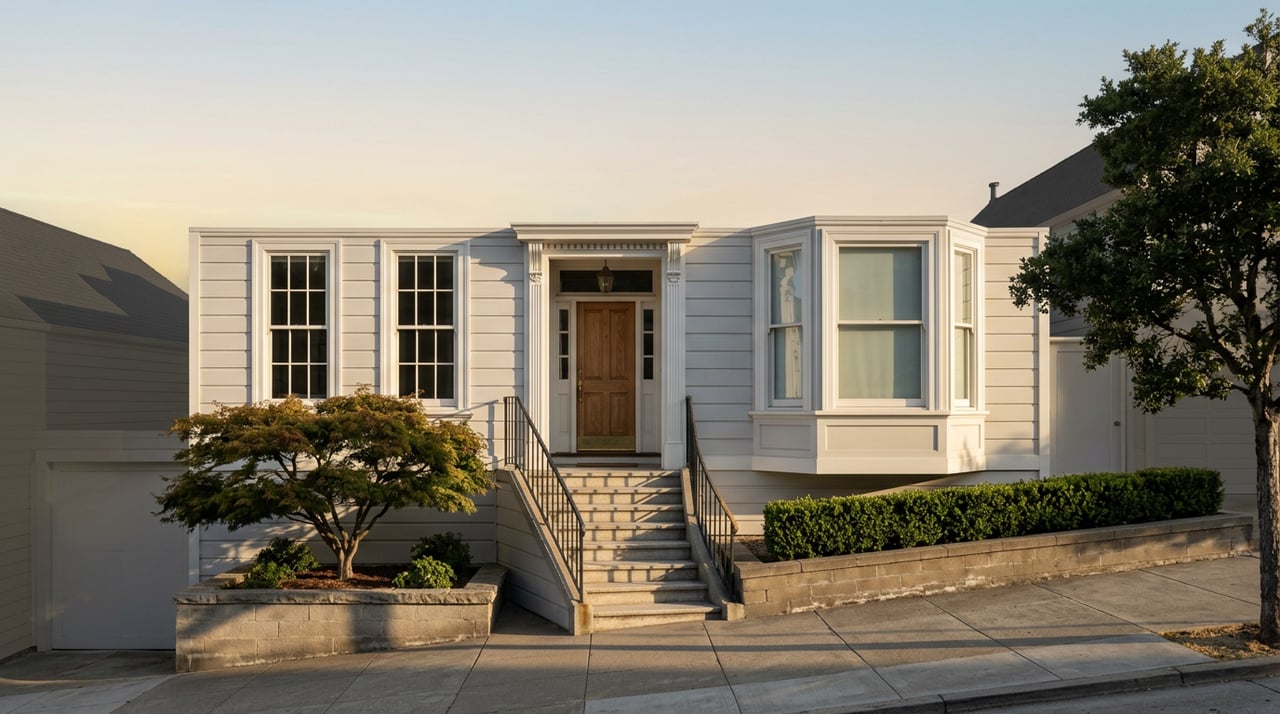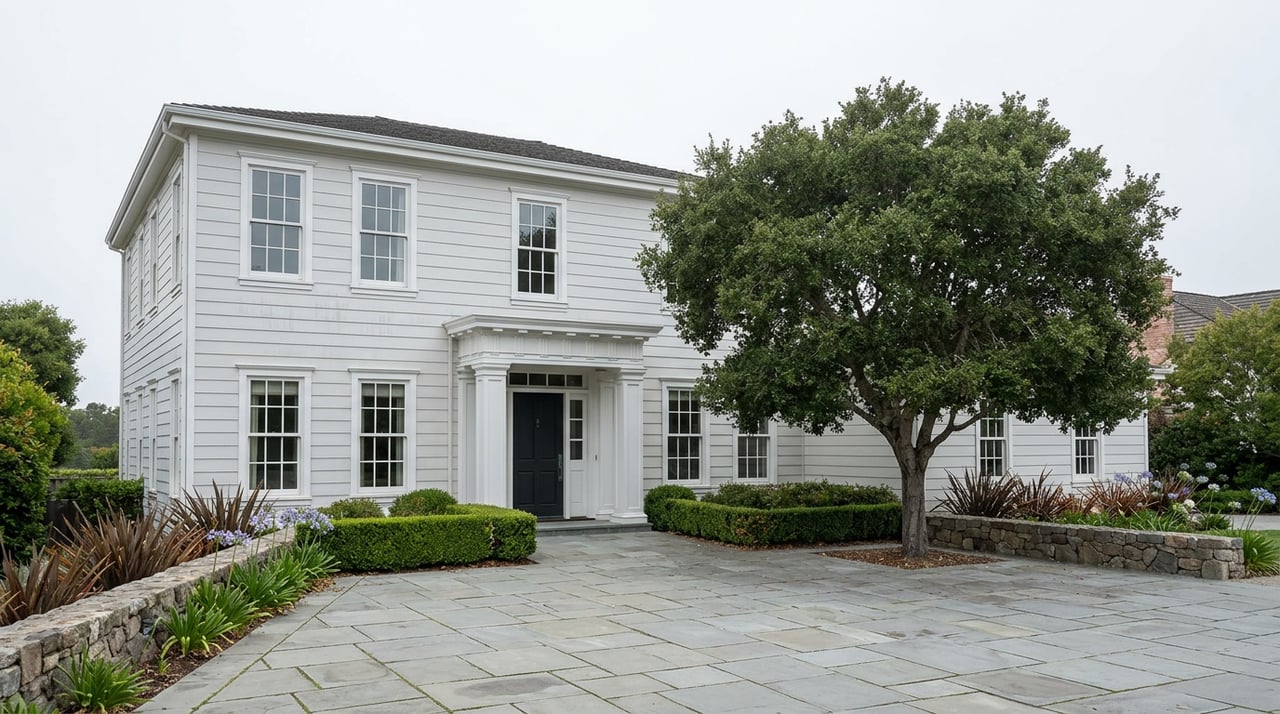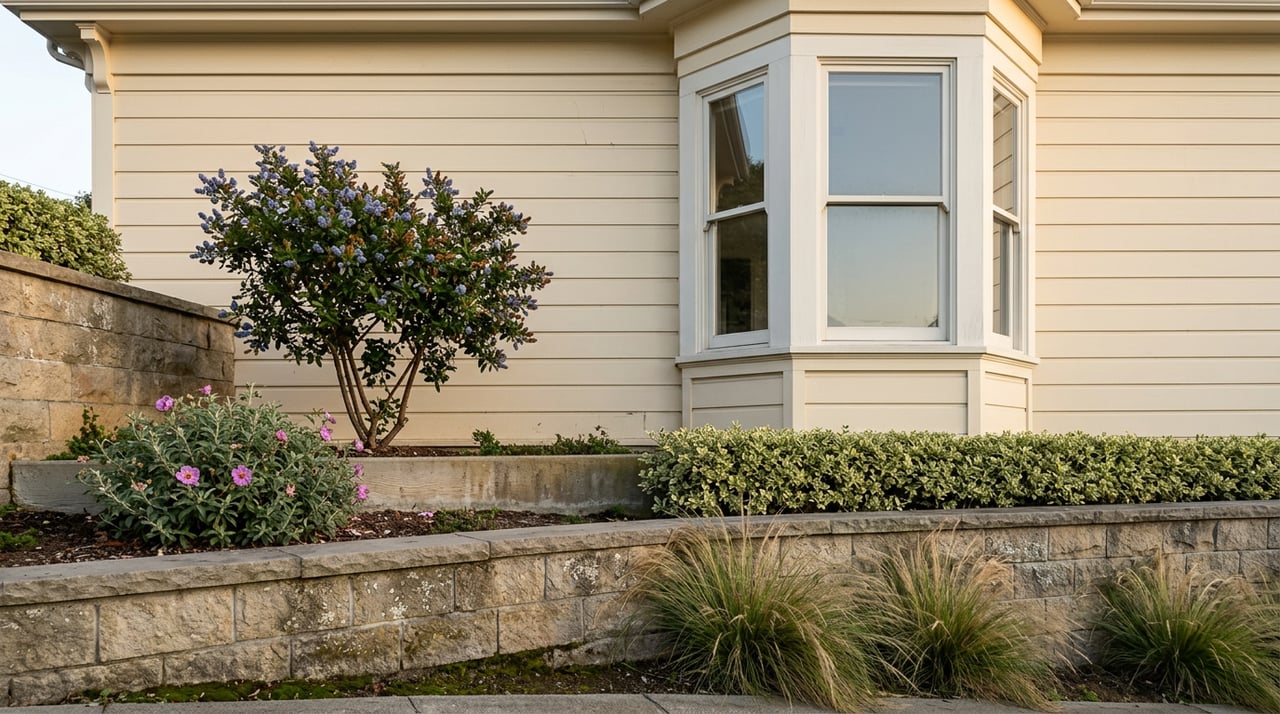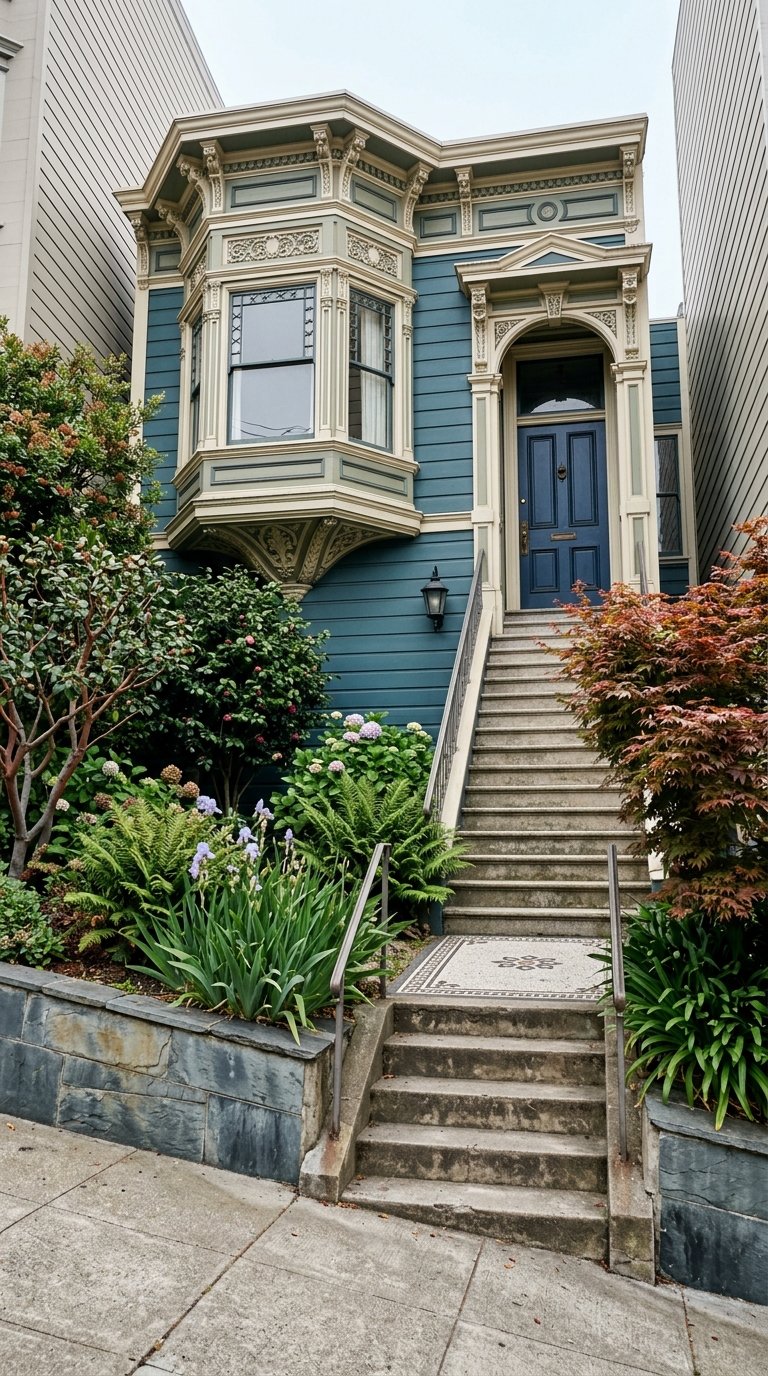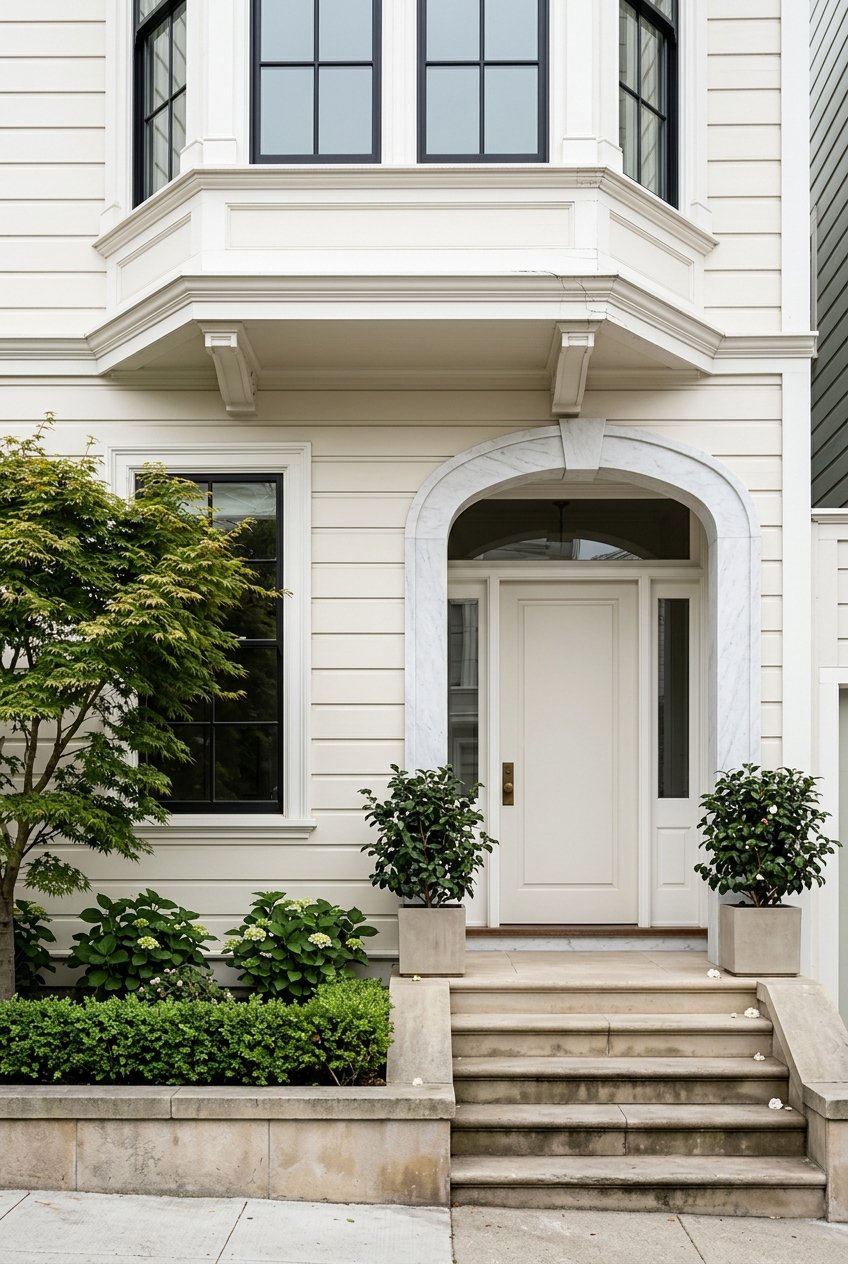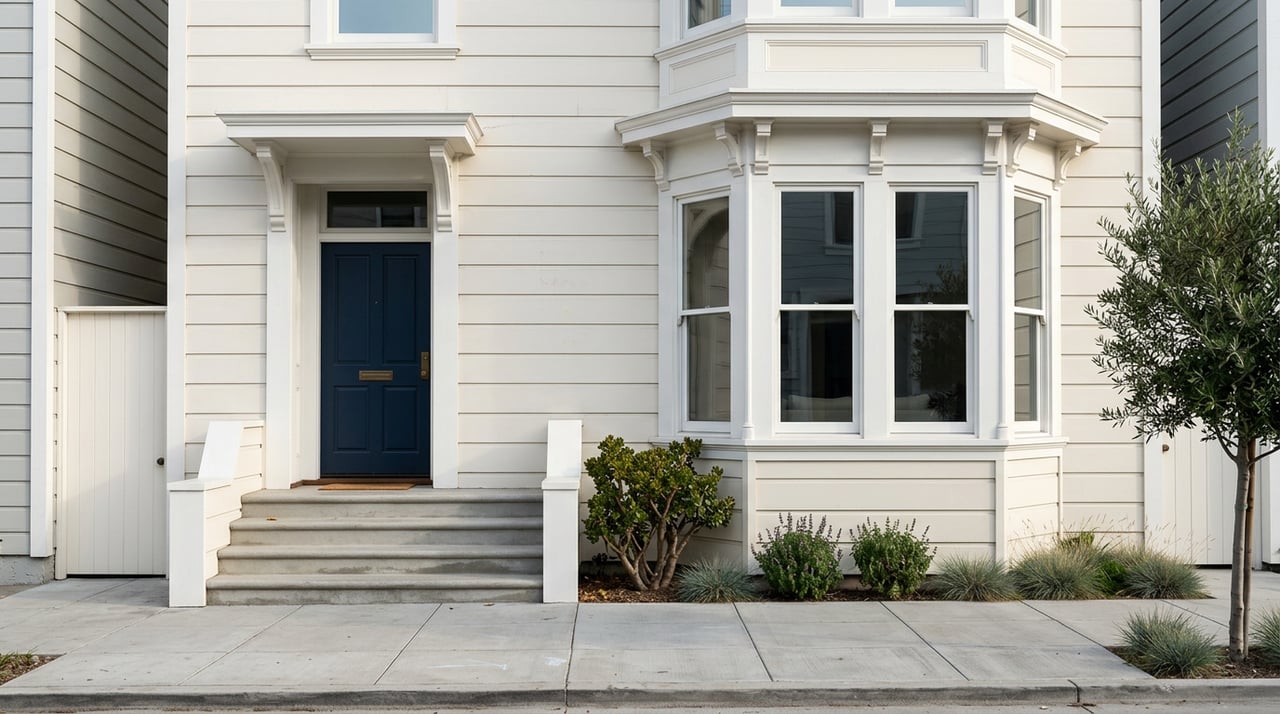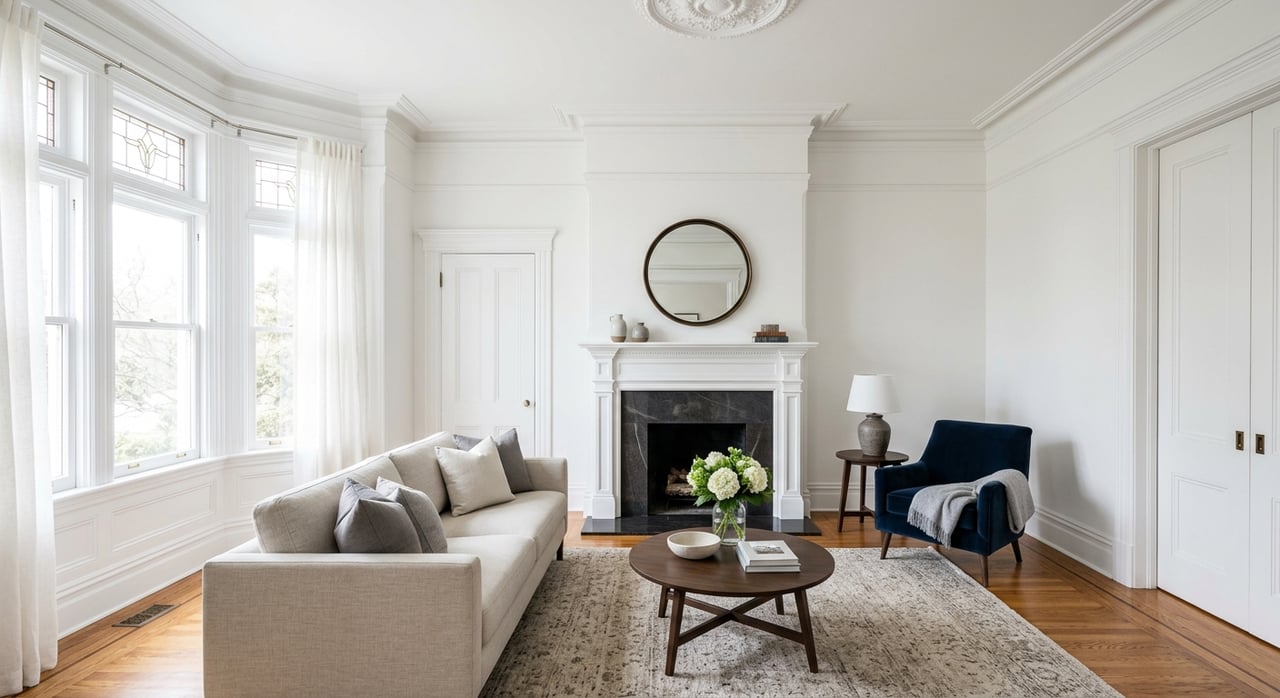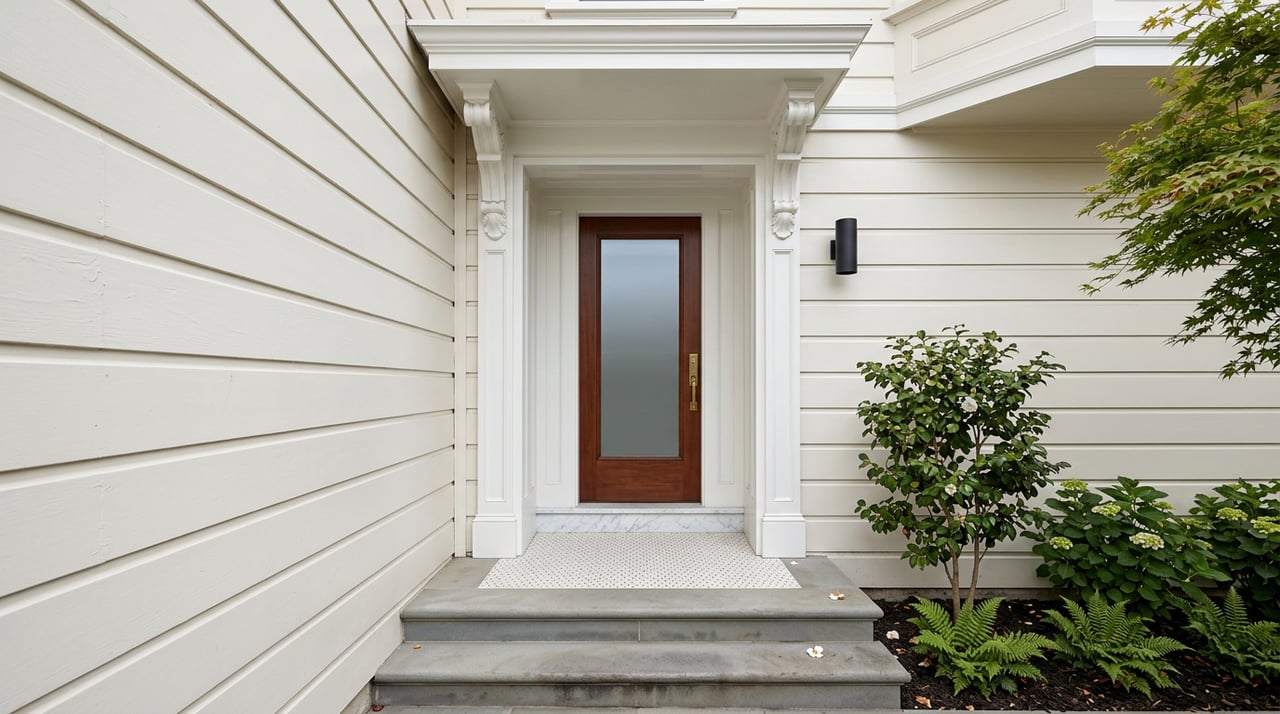
Buying a Victorian in Alamo Square comes with a special kind of magic and a few extra moving parts. You are not just buying a home. You are stepping into a protected historic district with gorgeous façades, raised basements, and century-old systems that deserve careful inspection. In this guide, you will learn what to expect from a Victorian home inspection, how to read the report, when to call specialists, and how findings can shape your offer. Let’s dive in.
Why Alamo Square inspections are different
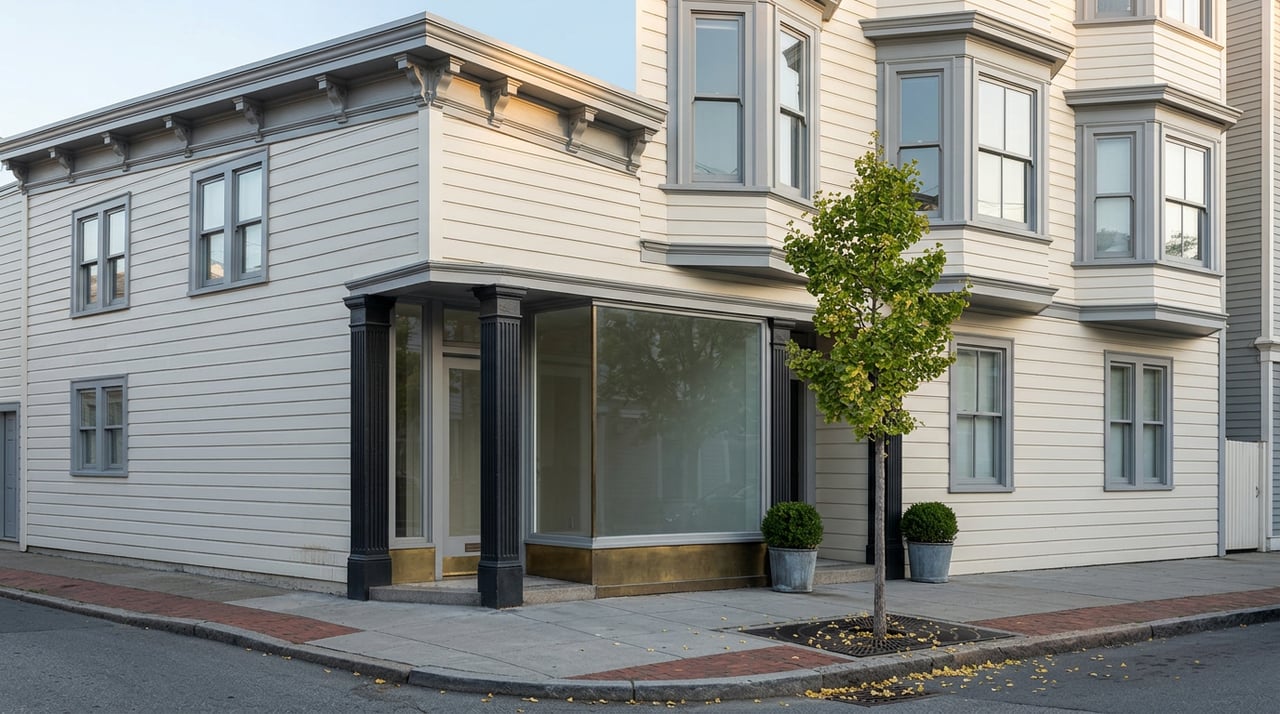
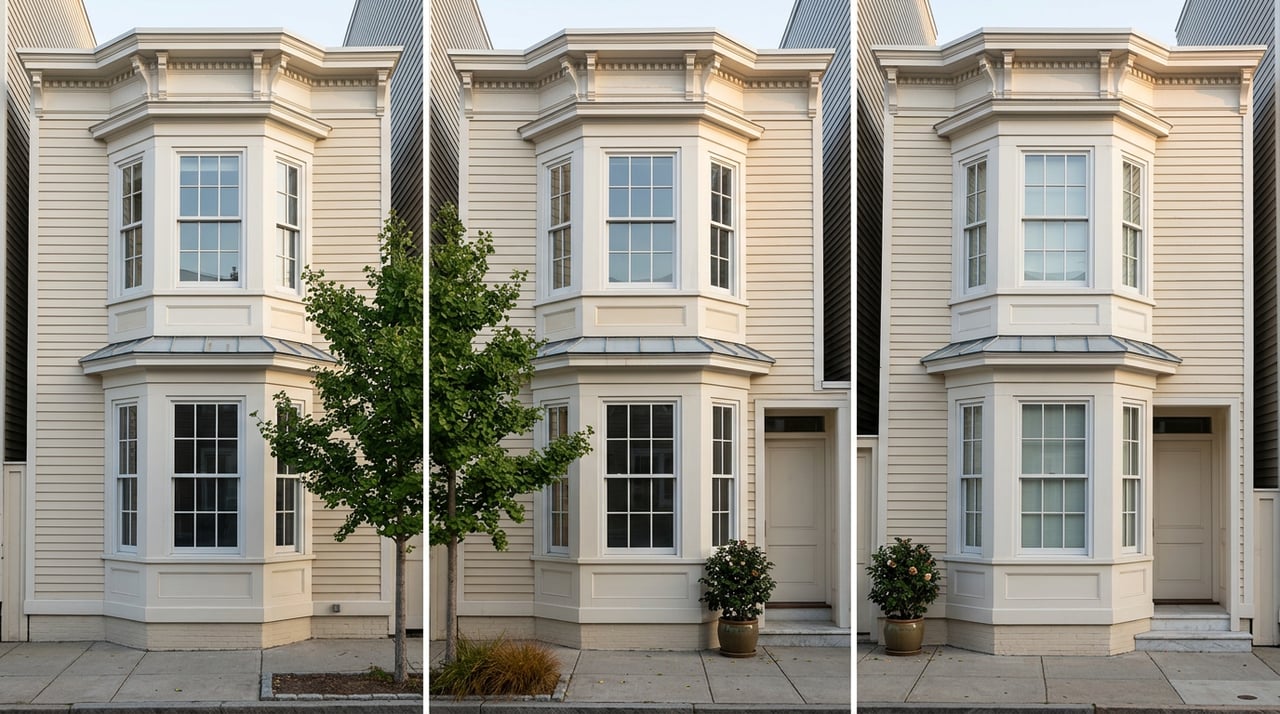
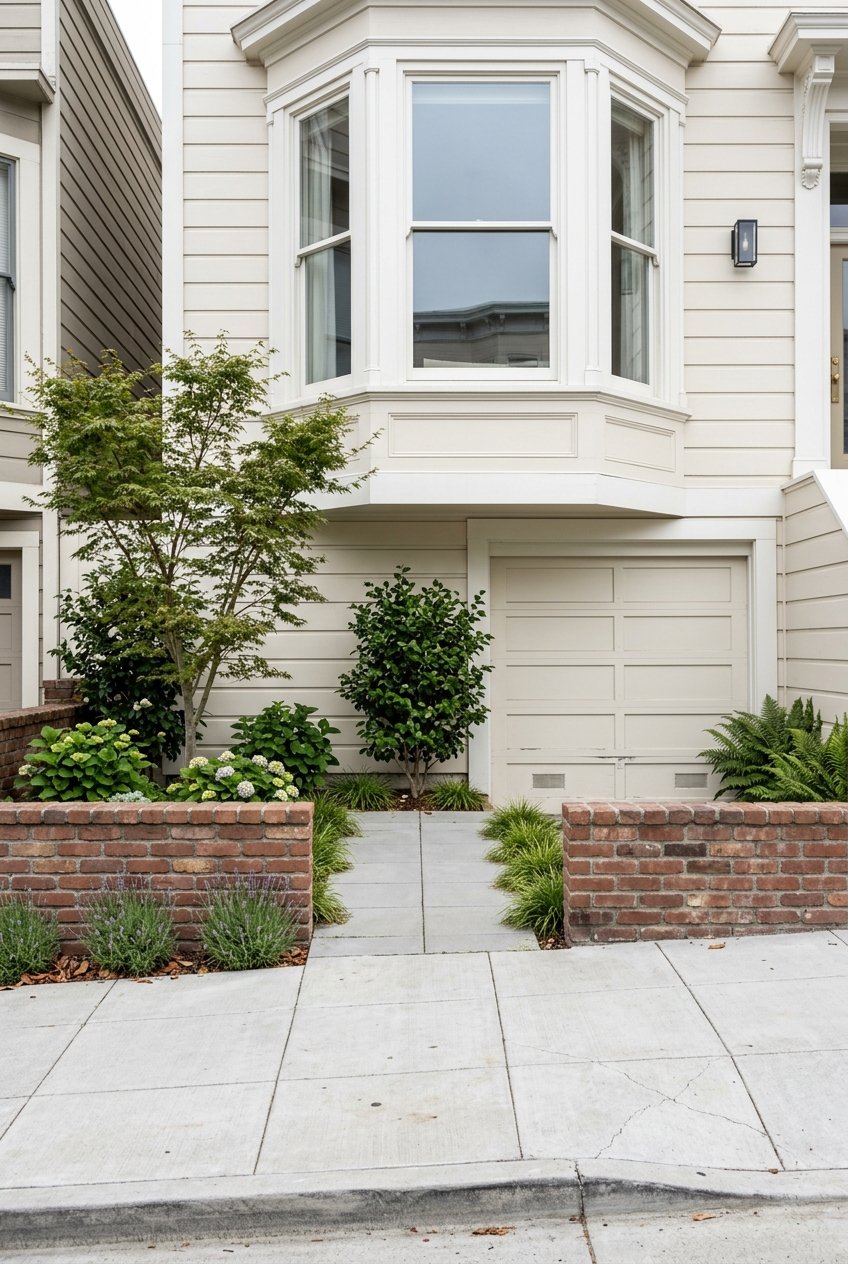
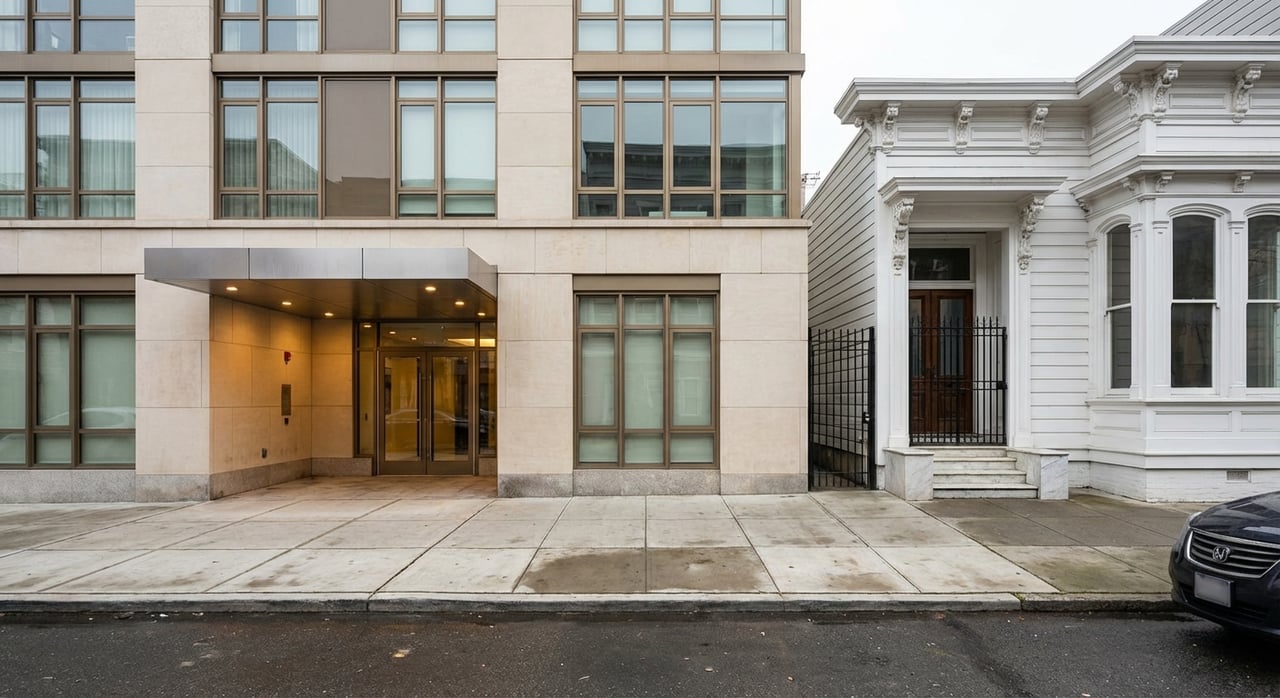
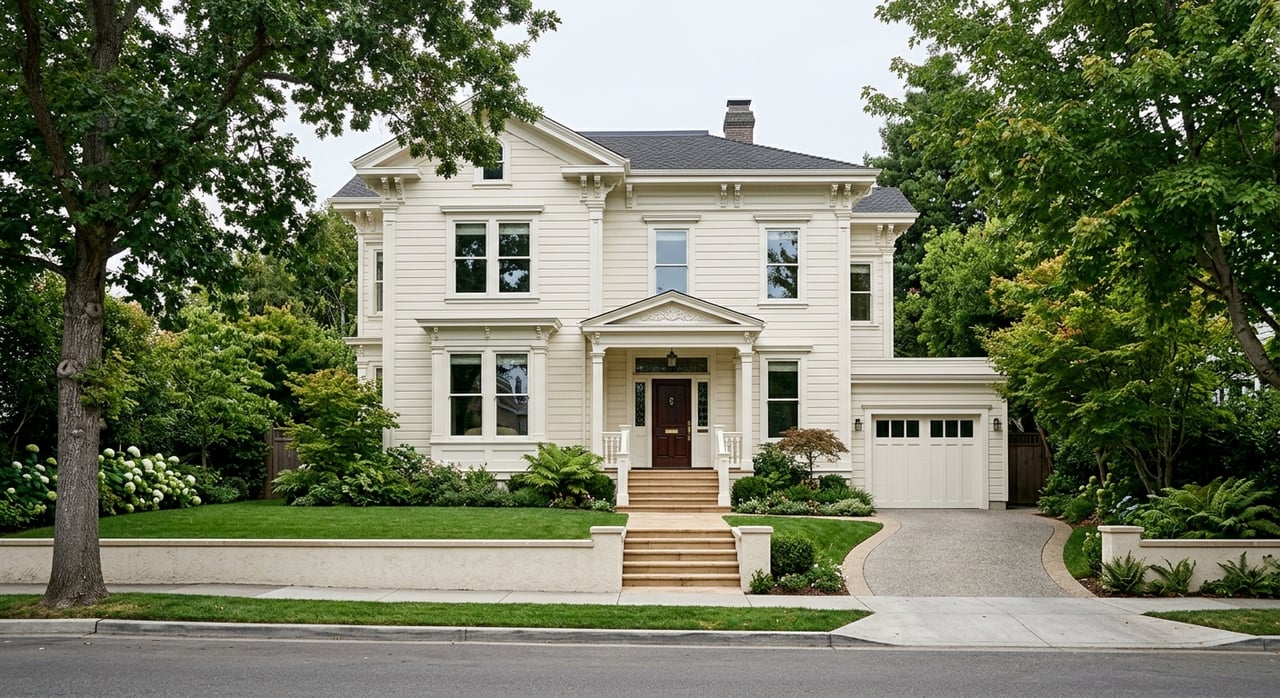
Alamo Square is an Article 10 historic district in San Francisco. That means exterior changes visible from the street often require city review and, in many cases, a Certificate of Appropriateness. The district’s character is defined by ornate façades, bay windows, and original trim, which the city aims to protect. You should factor this review into both your inspection and post-close planning. The Planning Department’s Alamo Square walking tour highlights the area’s historic details and typical construction, which helps set expectations for inspections and repairs. You can review the district’s background in the Planning Department’s walking tour and Article 10 rules that govern visible façade work to understand what is likely to need approval.
- Learn about Alamo Square’s historic features in the Planning Department’s walking tour PDF: Alamo Square Walking Tour.
- Review Article 10 controls for visible street-facing changes: San Francisco Planning Code, Article 10.
What inspectors focus on in Victorians
Most Alamo Square homes are late-19th or early-20th-century wood-frame Victorians or Edwardians. Many have raised basements or crawlspaces with mudsills, short “cripple” walls, and pier foundations. These elements are central to seismic performance, so you want your inspector to spend real time here.
Foundations and crawlspaces
Expect your inspector to look for settlement, wide foundation cracks, rot at sill plates, drainage issues, and whether the cripple walls are braced and the mudsills are properly bolted. A common and cost-effective upgrade for raised foundations is a bolt-and-brace retrofit, which includes mudsill bolting, proper plate washers, and plywood shear panels on cripple walls. For many homes, prescriptive guidance like FEMA P-1100 covers these upgrades, but complex conditions may require engineered plans. Review any crawlspace photos and ask your inspector to note visible bolting and shear panels. For background on when prescriptive plans apply, see CRMP’s overview of FEMA P-1100 retrofit guidelines.
Soft-story openings
Some multi-unit wood-frame buildings with large openings at the ground level fall under San Francisco’s Mandatory Soft-Story Retrofit Program. Single-family raised-foundation Victorians are not the usual targets of this rule, but flats or converted buildings nearby could be. Always check city records for any active soft-story notices on the parcel. Learn how the city handles these permits at the San Francisco soft-story retrofit resource.
Chimneys and unreinforced masonry
Older brick chimneys and other unreinforced masonry elements can be brittle in earthquakes. Inspectors often flag tall chimneys for bracing, partial removal, or replacement with a lighter flue assembly. This is a common safety item on Victorian inspections because masonry above the roofline is vulnerable. For context on why these elements are often recommended for correction, review CRMP’s summary of retrofit guidance.
Electrical systems
Knob-and-tube wiring and ungrounded two-prong outlets are common in pre-1940 homes. Inspectors treat active K&T as a safety concern because it lacks grounding and may not handle modern loads. If K&T is present, plan to consult a licensed electrician for a permit-ready scope and ask your insurer early about underwriting and premium impacts. See a homeowner-focused overview of safety and insurance considerations at this electrical safety resource.
Historic windows and façades
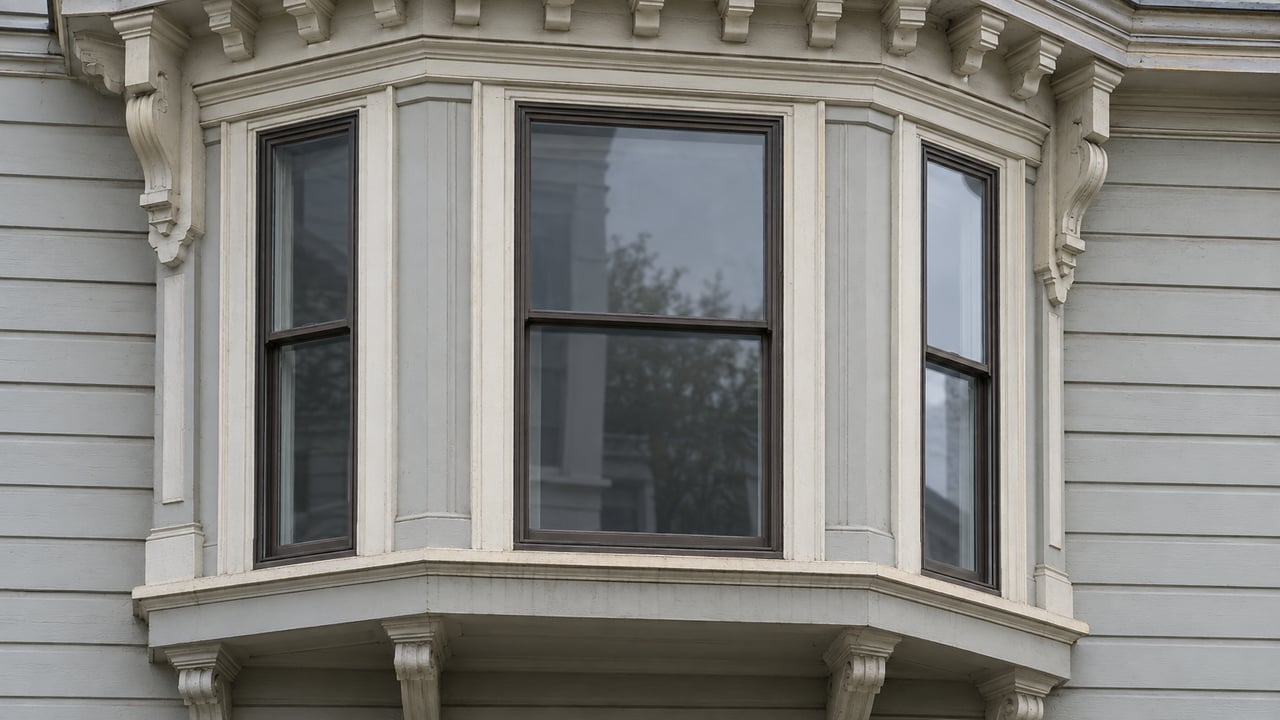
Original wood sash and molded trim often define the streetscape in Article 10 districts. Preservation guidance typically prefers repair and in-kind restoration over full replacement, especially where windows contribute to district character. If replacement is proposed, a window study or conservator recommendation may be required for a Certificate of Appropriateness. For the technical standard on repairing historic wood windows, see NPS Preservation Brief 9.
Lead paint and asbestos
Homes built before 1978 trigger federal lead-paint disclosure rules, and renovations that disturb paint must follow EPA Renovation, Repair and Painting lead-safe practices. Asbestos can appear in older building materials and needs testing and licensed abatement before demolition or major work. Build testing and safe-work requirements into your project plan. Review the EPA/HUD guidance on lead-safe rules here: EPA and HUD lead disclosure and RRP requirements.
How to read your inspection report
A modern buyer’s inspection report follows industry standards and is a visual, non-invasive survey. Expect sections on exterior, roof, structure, attic and crawlspace, electrical, plumbing, HVAC, interior, and safety. You will usually get photos and a summary that sorts items by urgency, plus line-item notes. For context on report conventions, see InterNACHI’s inspection standards overview.
Here is how to interpret common language:
- Immediate safety or hazard: Correct before occupancy when possible, such as exposed live wiring or a major gas leak.
- Major or material defect: Costly to fix or affects habitability, like significant foundation settlement or major roof leaks.
- Repair vs. monitor: Repair means you should hire a contractor. Monitor means track for change over time.
- Recommend specialist: The inspector reached the limit of a visual inspection. Bring in a structural engineer, licensed electrician, mason, window conservator, or lead/asbestos tester as needed.
Finally, pair your report with a records check. In San Francisco, cross-check DBI permit history and Planning/Historic Preservation Commission archives for Certificates of Appropriateness. Unpermitted façade changes or structural work can slow escrow and affect future permits. Start with the Article 10 code section to understand why façade work is reviewed.
When to bring in specialists
Not every finding needs a specialist, but some do. Here is when to add expert views during your contingency period:
- Structural engineer: If you see foundation cracks with displacement, major settlement, sagging floors, large framing damage, or complex conditions, bring in an engineer. Many crawlspace retrofits follow FEMA P-1100 prescriptive plans, but unusual cases need engineered designs. The engineer will outline scope, recommend a retrofit level, and estimate costs. See CRMP’s overview of FEMA P-1100.
- Licensed electrician: If knob-and-tube is active, panels are unsafe, or rewiring is recommended, a C-10 electrician will provide a permitted scope and help you understand lender and insurer needs. Start with this electrical safety and insurance resource.
- Historic preservation consultant/architect: If the inspector flags character-defining windows or façade issues, a consultant can prepare a window survey, repair vs. replacement recommendations, and drawings for a Certificate of Appropriateness. Refer to NPS Preservation Brief 9 for technical standards.
- Chimney/masonry contractor: For cracked or leaning chimneys and failing masonry, a contractor can price repair, bracing, or replacement with lightweight assemblies. See the retrofit guidance summary for why this is often advised.
- Lead and asbestos testing: If the home predates 1978 or you plan demolition or significant paint disturbance, arrange testing and plan for lead-safe work or licensed abatement. Review EPA/HUD requirements.
How findings shape your offer and negotiation
Your inspection contingency is a tool. Use it to gather the general inspection and any specialist reports you need. Once you understand scope and urgency, you can choose a strategy:
- Ask the seller to complete safety fixes before closing or fund an escrow holdback to ensure post-close completion.
- Request a closing credit or negotiate a price reduction for significant structural, electrical, or envelope repairs.
- Accept the home as-is with an agreed credit if timing or quality control makes seller work impractical.
- Cancel within contingency timelines if findings materially change your plans.
A few practical levers in Alamo Square:
- Safety and structural items often drive credits or escrow holdbacks. Engineered seismic work can affect financing and timelines, so get bids early. For a process view, see CRMP’s contractor resources.
- Historic façade or window work can require a Certificate of Appropriateness, so factor review time into your offer. You can check Article 10 requirements here: San Francisco Planning Code, Article 10.
- Active knob-and-tube wiring or unsafe panels can affect insurability and lender approval. Ask for any recent electrical permits and consult your insurer early. For a general overview, see insurer considerations for older homes.
Always document any agreed repair scope or credits in contract addenda, and request finaled permits when unpermitted work is discovered.
Buyer checklist for Alamo Square Victorians
Use this step-by-step list during your inspection window:
- Confirm Article 10 status and review any prior COAs or permits. Start with the city’s resource on Article 10 and Article 11 districts.
- Hire an inspector who is experienced with older Bay Area homes and attend the wrap-up. Ask for careful crawlspace access and photos, plus notes on where a structural engineer or electrician may be needed. See standard scope conventions at InterNACHI.
- If the report flags structural issues, get a structural engineer’s review. For typical raised-foundation retrofits, engineers may reference prescriptive plans like FEMA P-1100; unusual conditions require engineered design. Read CRMP’s FEMA P-1100 overview.
- If knob-and-tube or older panels appear, get a licensed C-10 electrician’s bid and check with your insurer or lender. Reference this electrical safety guide.
- If windows or façade work are in scope, obtain a window study or conservator’s recommendation and ask whether a COA will be required. Review NPS Preservation Brief 9.
- For any pre-1978 paint disturbance or demolition, plan for lead-safe practices and asbestos testing as needed. Read the EPA/HUD RRP and disclosure rules.
Once you have your bids and specialist notes, decide whether to request repairs, ask for a credit, move forward as-is with concessions, or terminate under your contingency. In a landmark district, include the time and cost of possible historic review in your bottom line.
Ready to buy smart in Alamo Square?
With the right inspection game plan, you can honor the home’s character and protect your investment. If you want a design-trained advisor to help you decode reports, line up specialists, and shape a negotiation strategy that fits Alamo Square’s rules, reach out to Adelaida Mejia. Book an appointment to get started.
FAQs
What exterior work in Alamo Square needs historic review?
- In this Article 10 district, exterior changes visible from the street often require review and, in many cases, a Certificate of Appropriateness under the Planning Code’s Article 10.
How do inspectors evaluate a Victorian foundation and crawlspace?
- They look for settlement, rot at sill plates, drainage toward the foundation, mudsill bolting, and cripple-wall bracing, often referencing prescriptive retrofit practices summarized by CRMP.
Does the soft-story retrofit program apply to single-family Victorians?
- San Francisco’s program targets certain multi-unit wood-frame buildings with large openings; single-family Victorians are not the typical cohort, but you should still check parcel records via the city’s soft-story resource.
Can you replace historic wood windows in a landmark district?
- Replacement may require a Certificate of Appropriateness, and preservation guidance generally favors repair and in-kind restoration; review Preservation Brief 9 and consult a preservation professional.
Will knob-and-tube wiring affect my insurance or loan?
- Some insurers treat active knob-and-tube as an underwriting risk; plan to speak with a licensed electrician and check insurer requirements early using this electrical safety overview.
What should I know about lead paint and asbestos before remodeling?
- Pre-1978 homes require lead-paint disclosure, and renovations that disturb paint must follow EPA RRP rules; asbestos in older materials needs testing and licensed abatement per EPA/HUD guidance.