Wondering if Sea Cliff is as dreamy as it looks from the outside? In many ways, yes, but it is also more specific, quieter, and less plug-and-play than some buyers expect. If you are considering a move to this corner of San Francisco, it helps to understand not just the views, but the daily rhythm, housing style, and trade-offs that shape life here. Let’s dive in.
Sea Cliff at a glance
Sea Cliff feels different from most San Francisco neighborhoods because it sits where residential streets meet beaches, trails, and parkland. China Beach is located within the neighborhood, tucked between Baker Beach and Lands End, which gives the area a rare overlap of city living and immediate coastal access.
That setting is a big part of the appeal. You are not choosing Sea Cliff for dense retail or fast urban energy. You are choosing it for a quiet, highly residential environment with direct access to shoreline views, outdoor space, and a more private detached-home feel.
Sea Cliff has a planned, residential feel
Sea Cliff is not just scenic. It also has a strong identity as a planned early-20th-century residence park. San Francisco Planning identifies it as a 1913 neighborhood shaped by the city’s “garden suburb” movement, with large lots, distinctive landscaping, and curving streets designed to create a more country-like setting at the edge of the city.
That planning history still shows up in how the neighborhood feels today. Streets are not arranged like a tight commercial grid, and the visual experience is more open and composed. If you value calm, space, and a consistent streetscape, Sea Cliff stands out for exactly those reasons.
Homes in Sea Cliff are a major draw
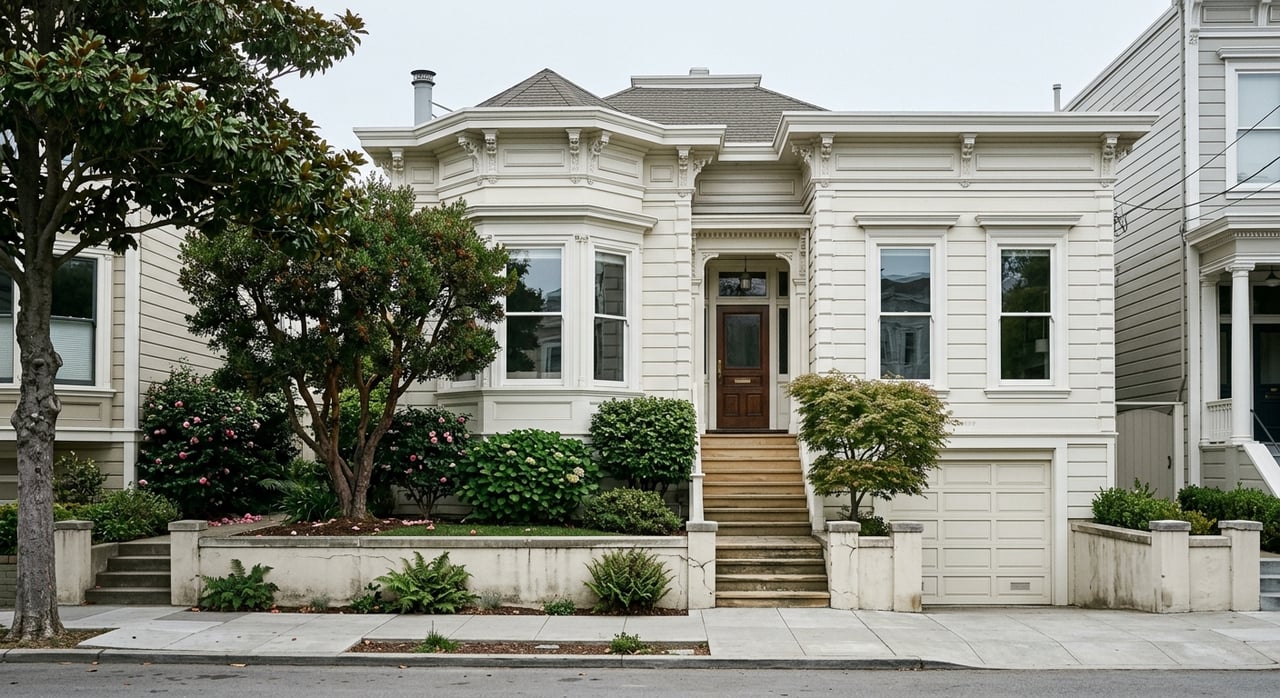
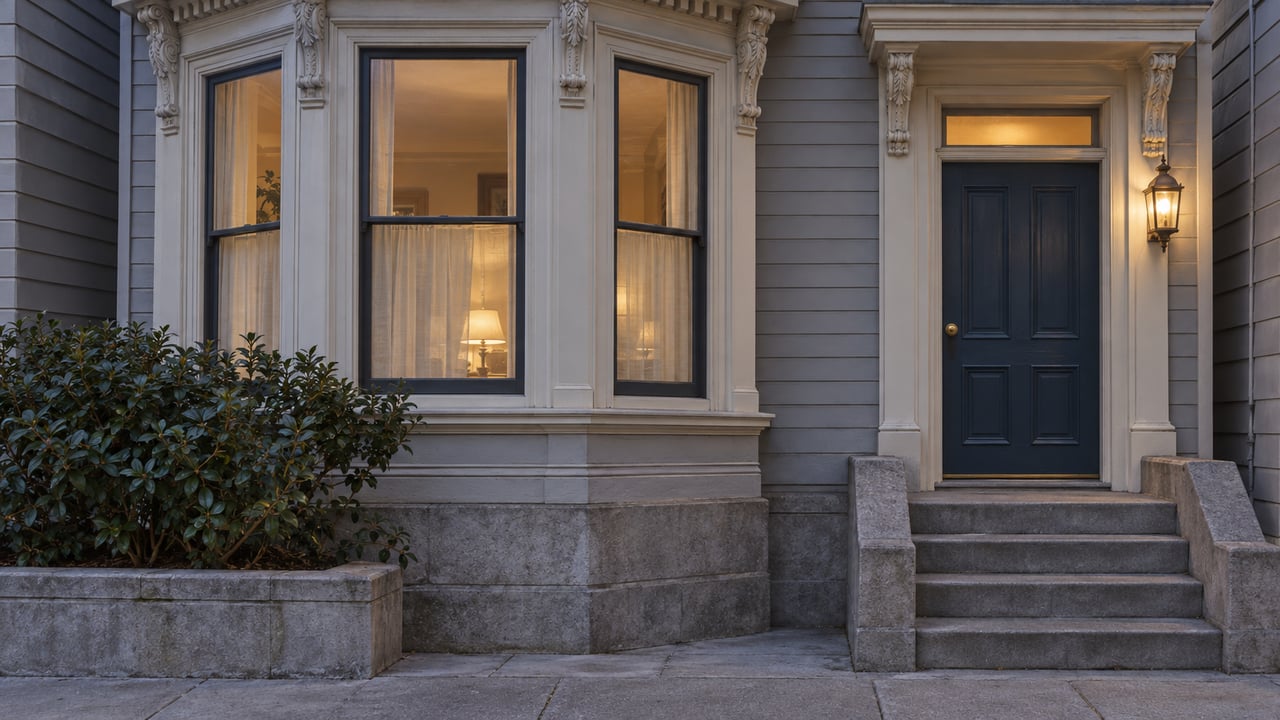
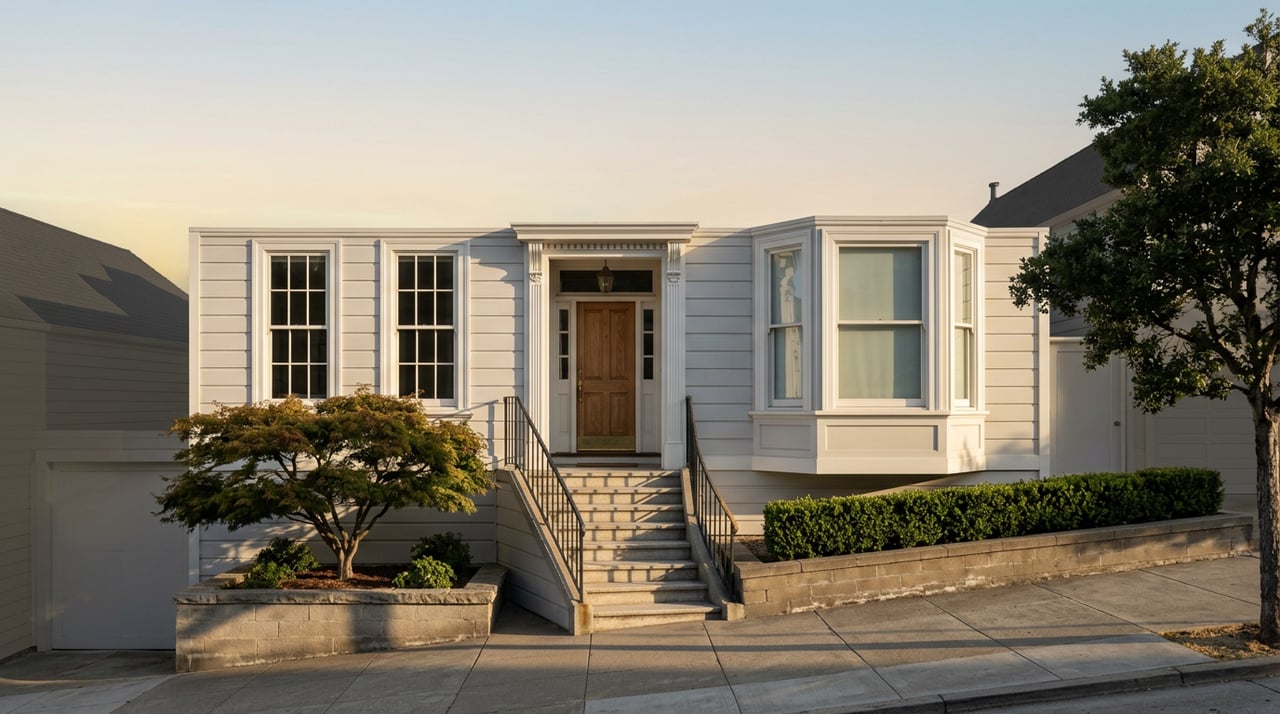
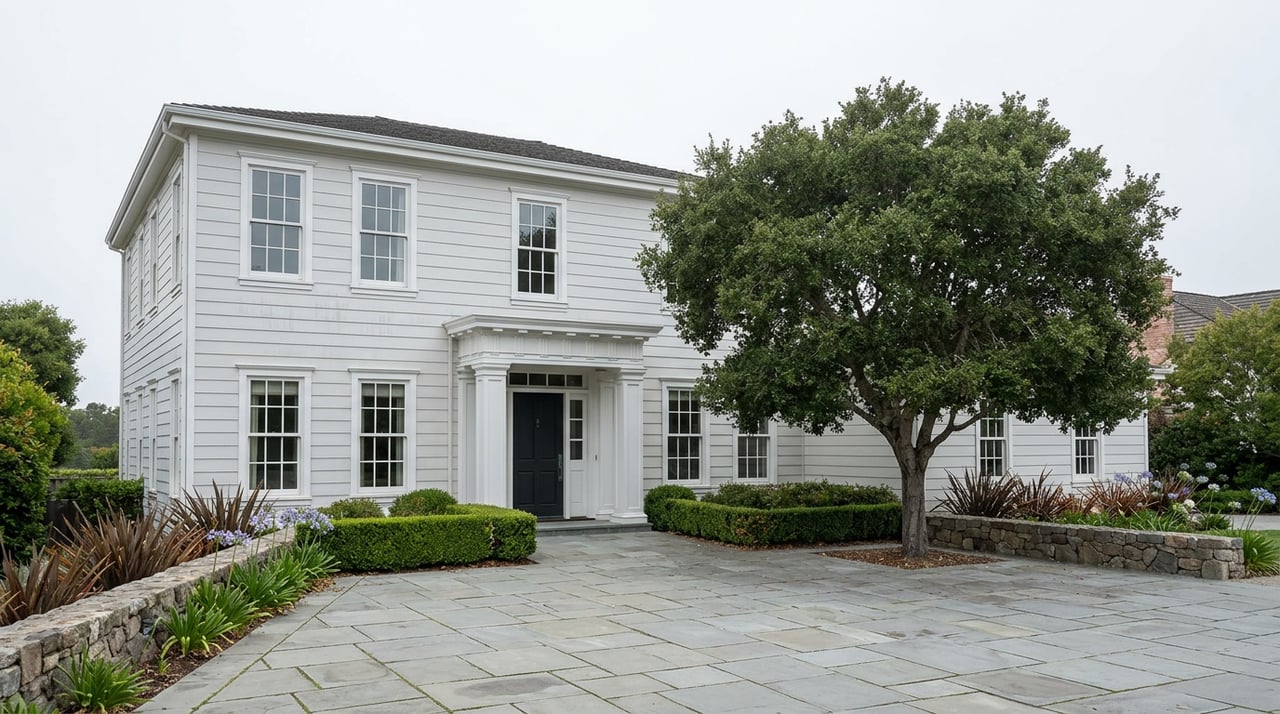
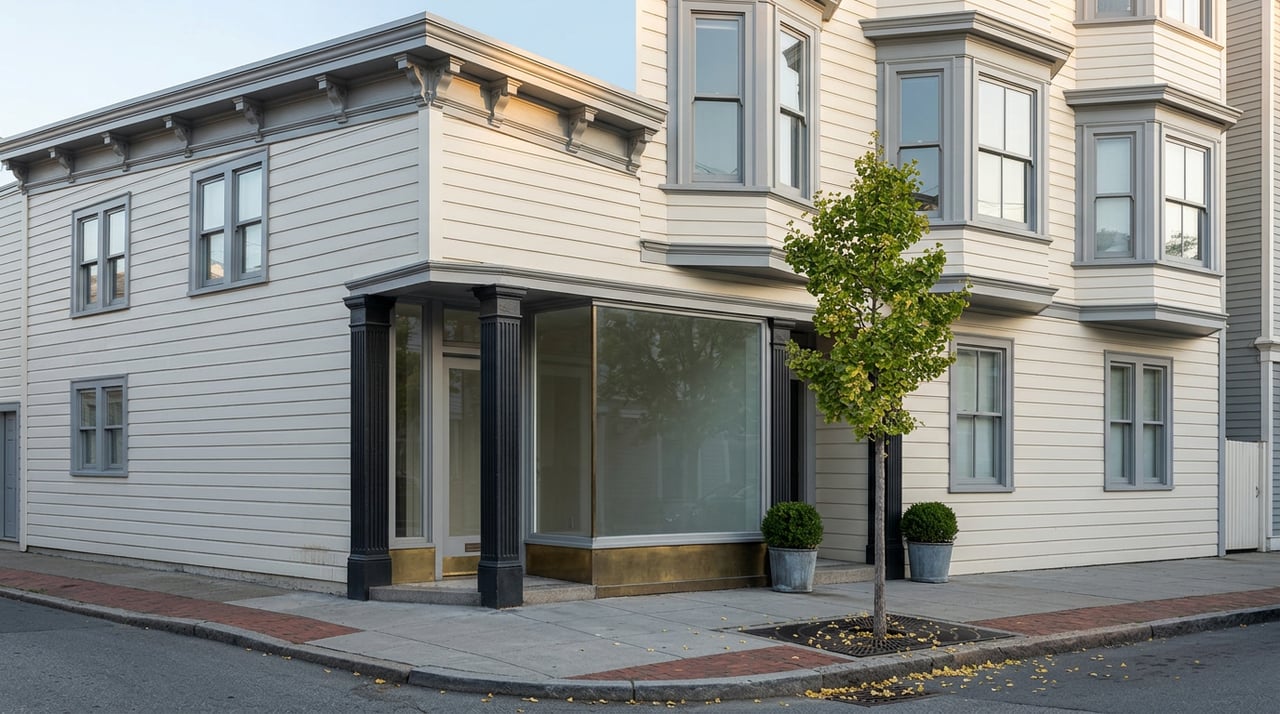
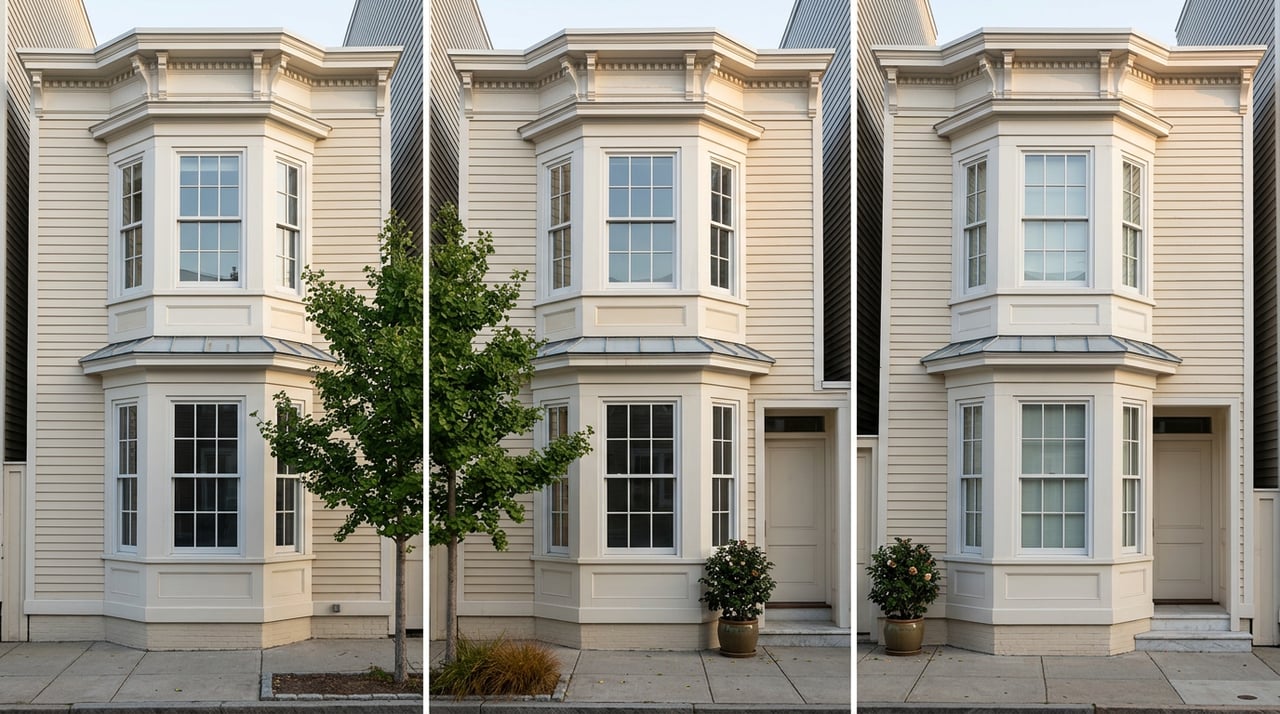
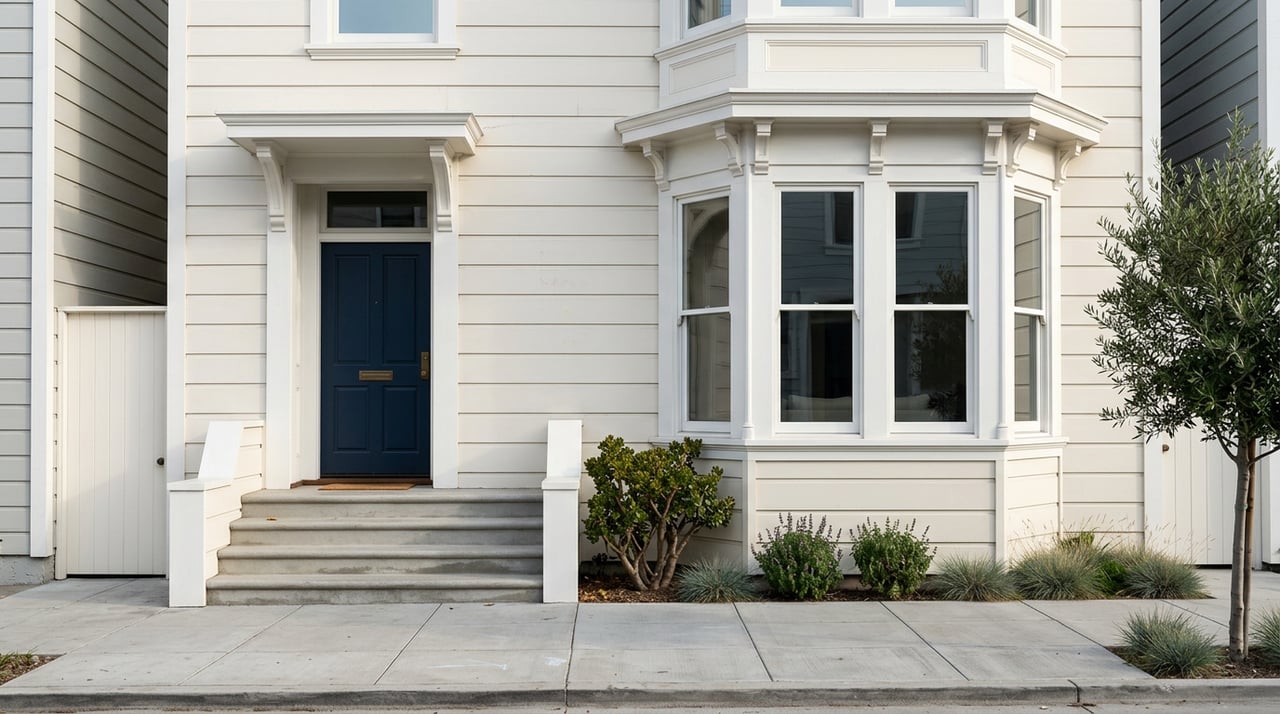
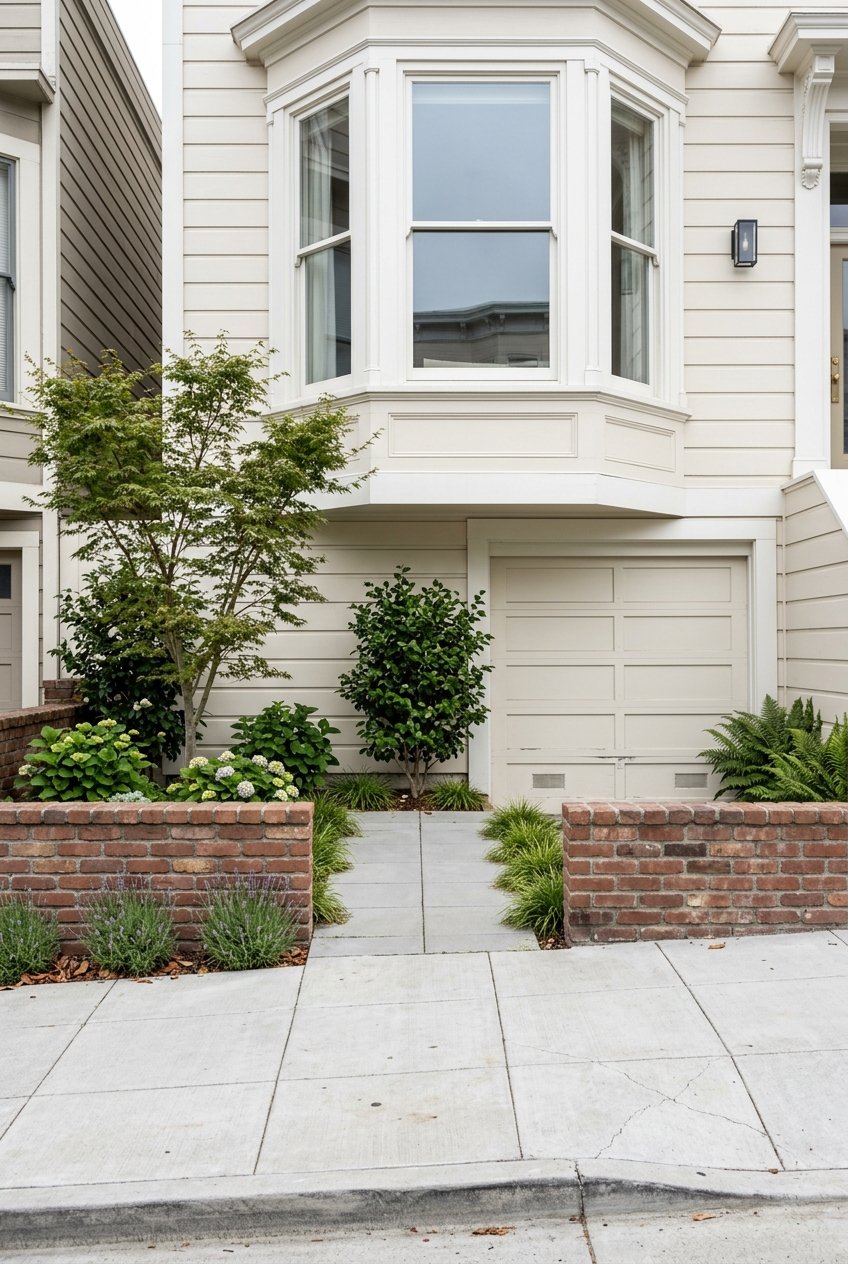
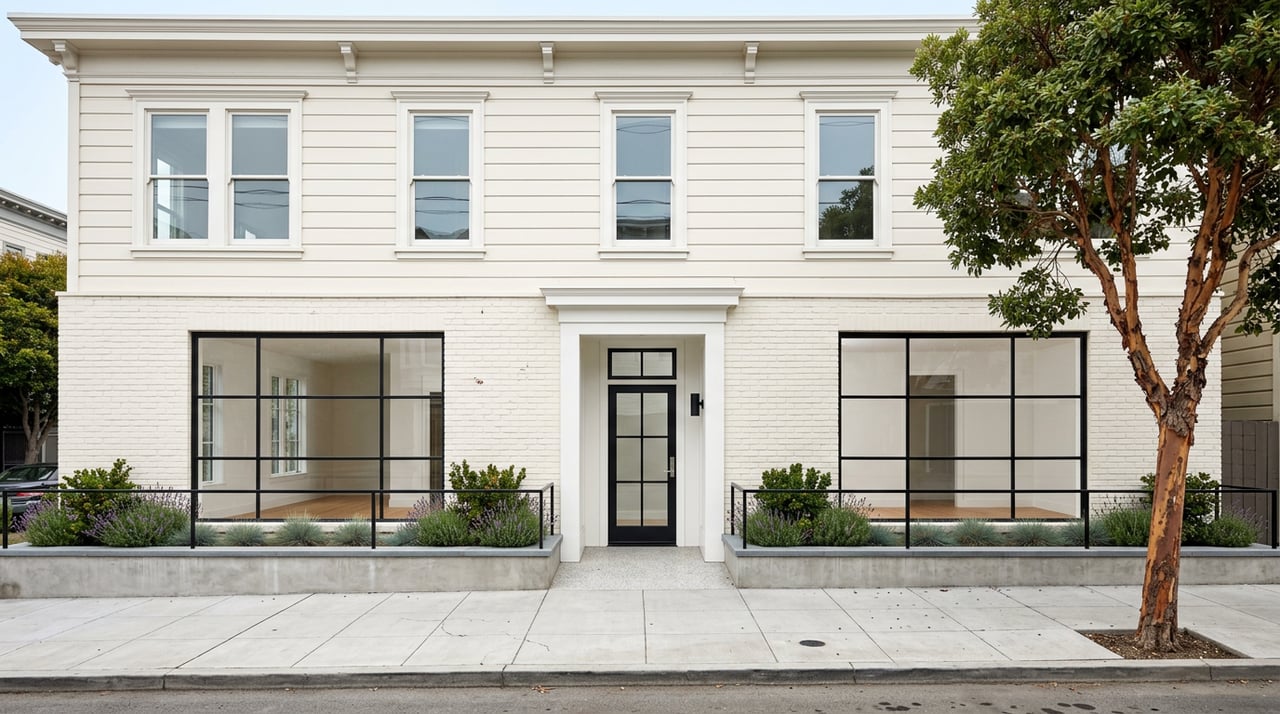
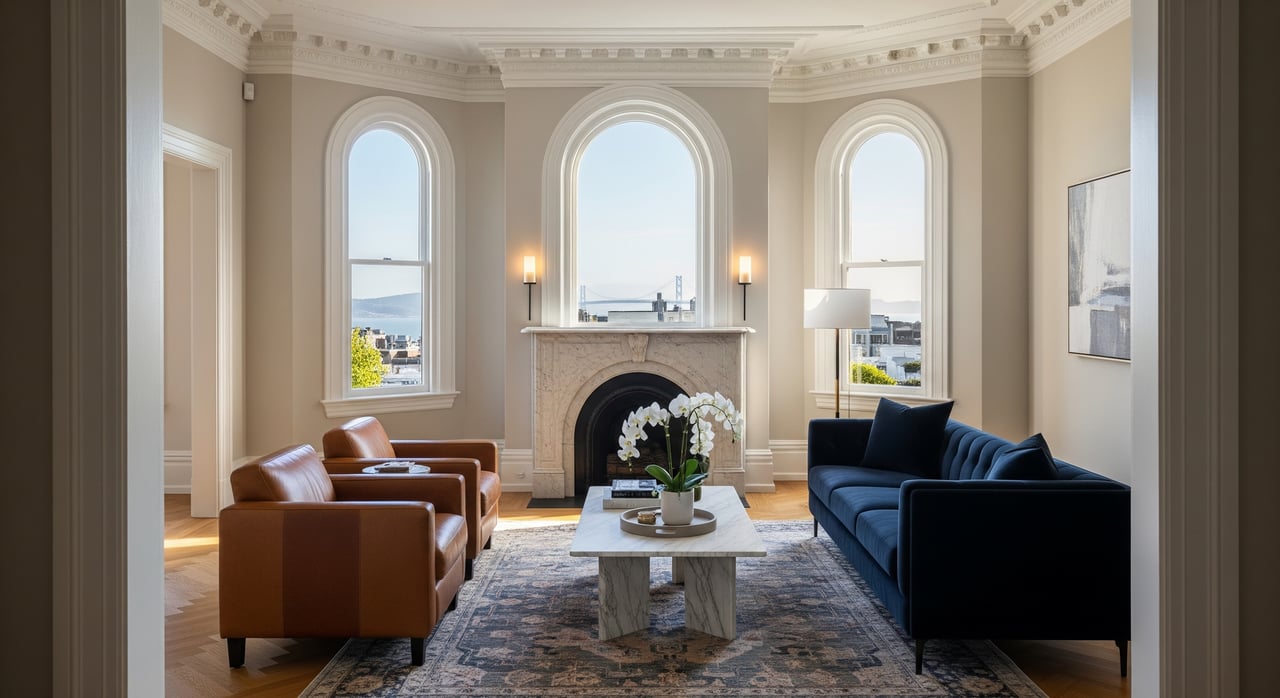
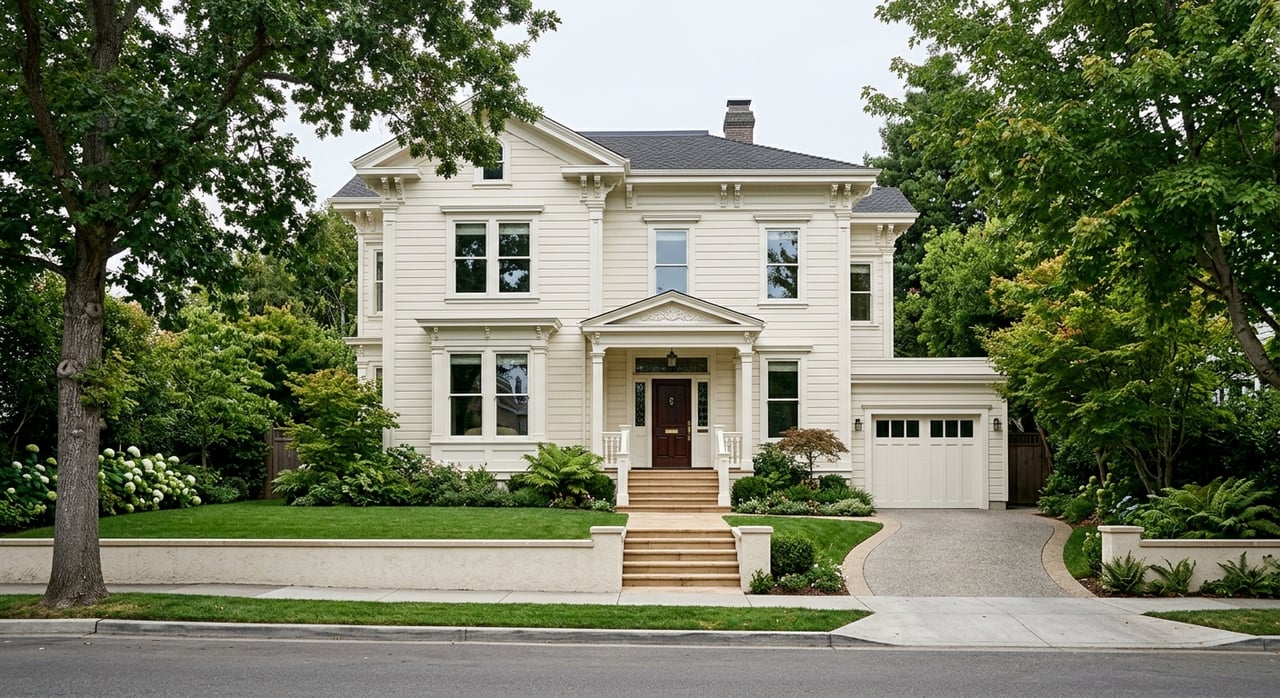
For many buyers, the homes themselves are the headline. San Francisco Planning describes Sea Cliff as a neighborhood with a high degree of architectural consistency, defined by large single-family homes and a cohesive sense of massing, scale, and streetscape.
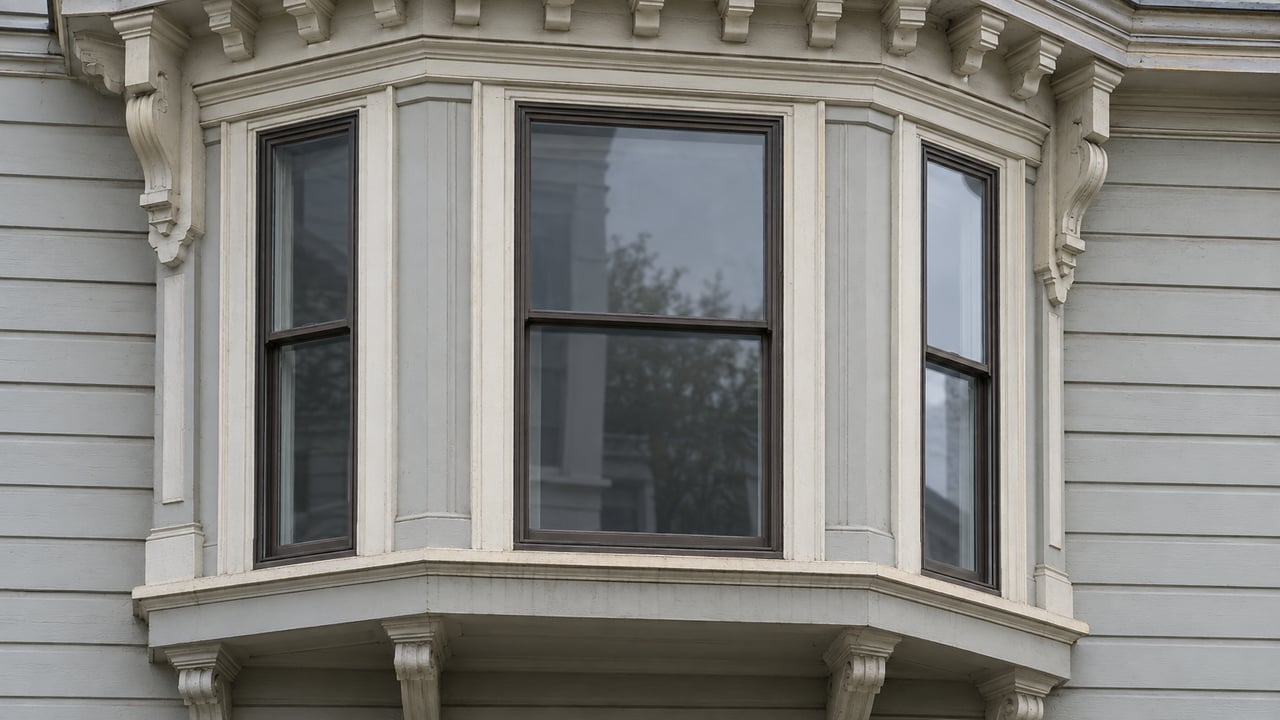
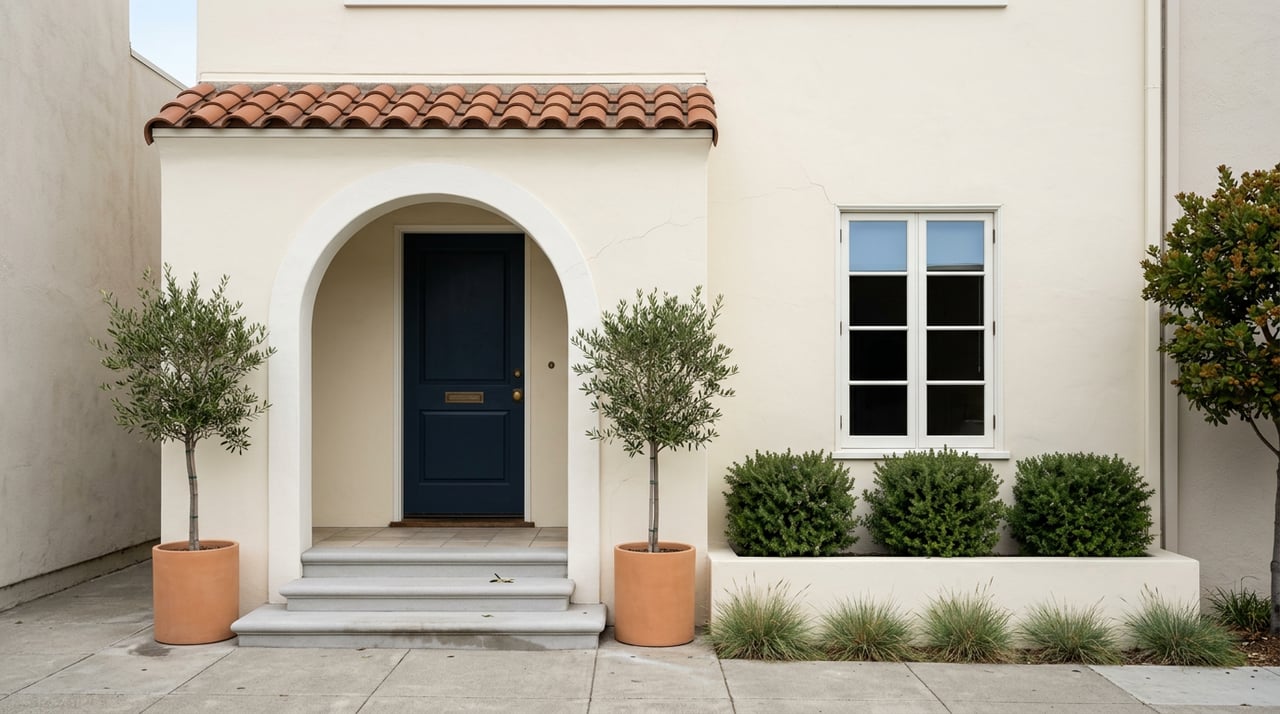
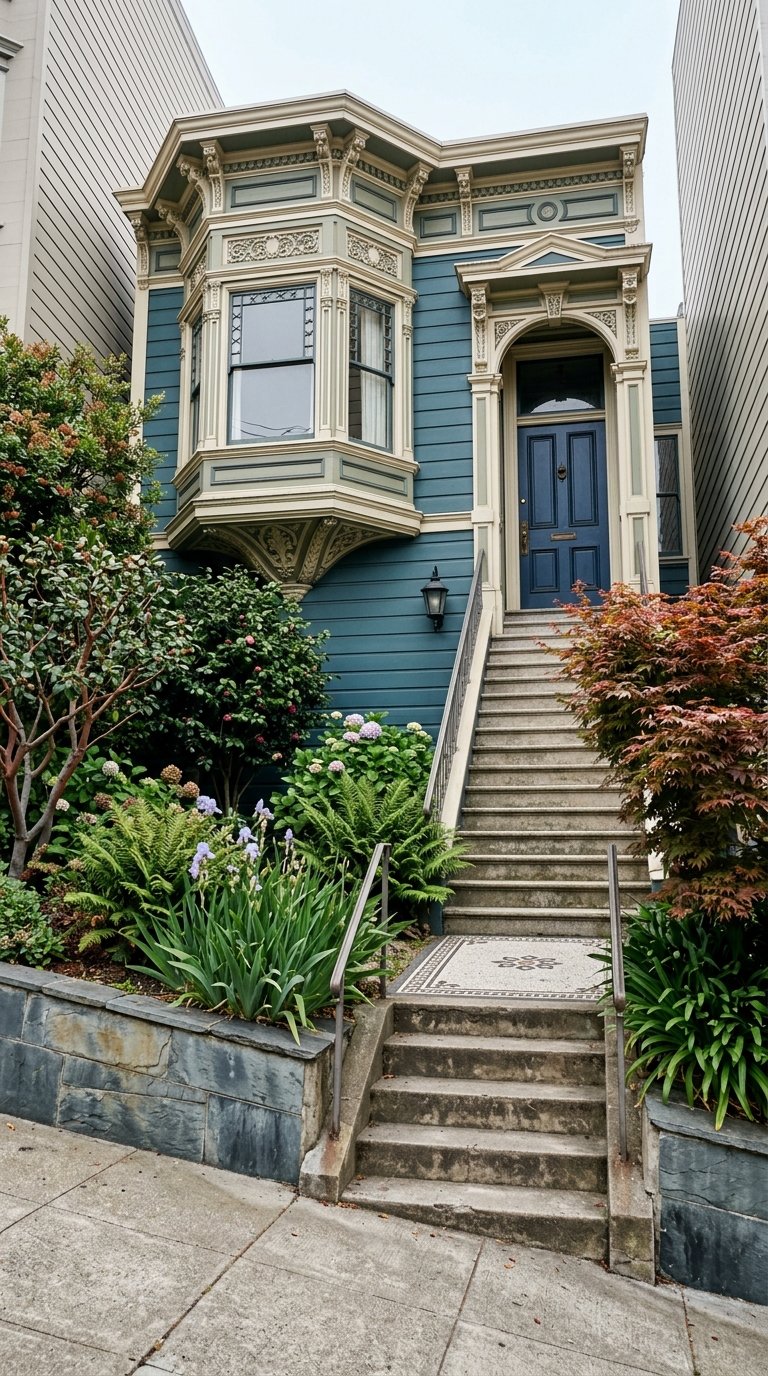
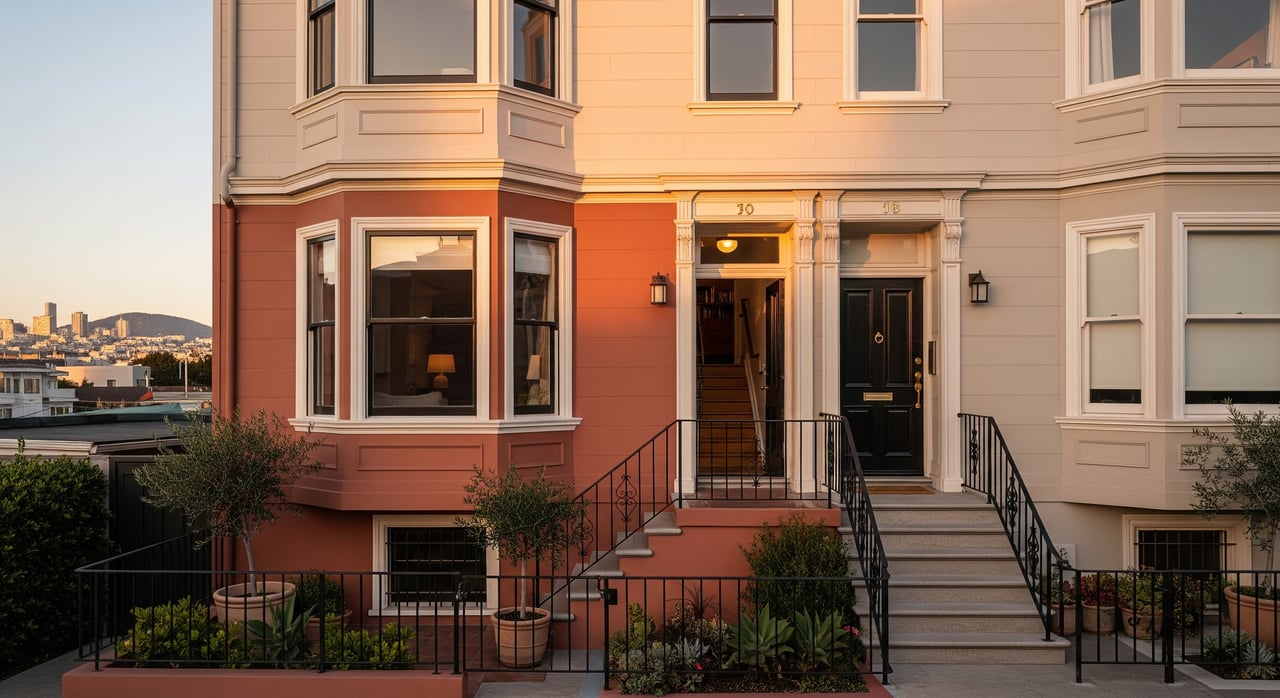
You will also see a strong mix of architectural styles. Planning materials note French and Mediterranean influences, Spanish Revival, Edwardian homes, and hybrid Arts & Crafts and Tudor details, with many residences custom-designed by prominent Bay Area architects.
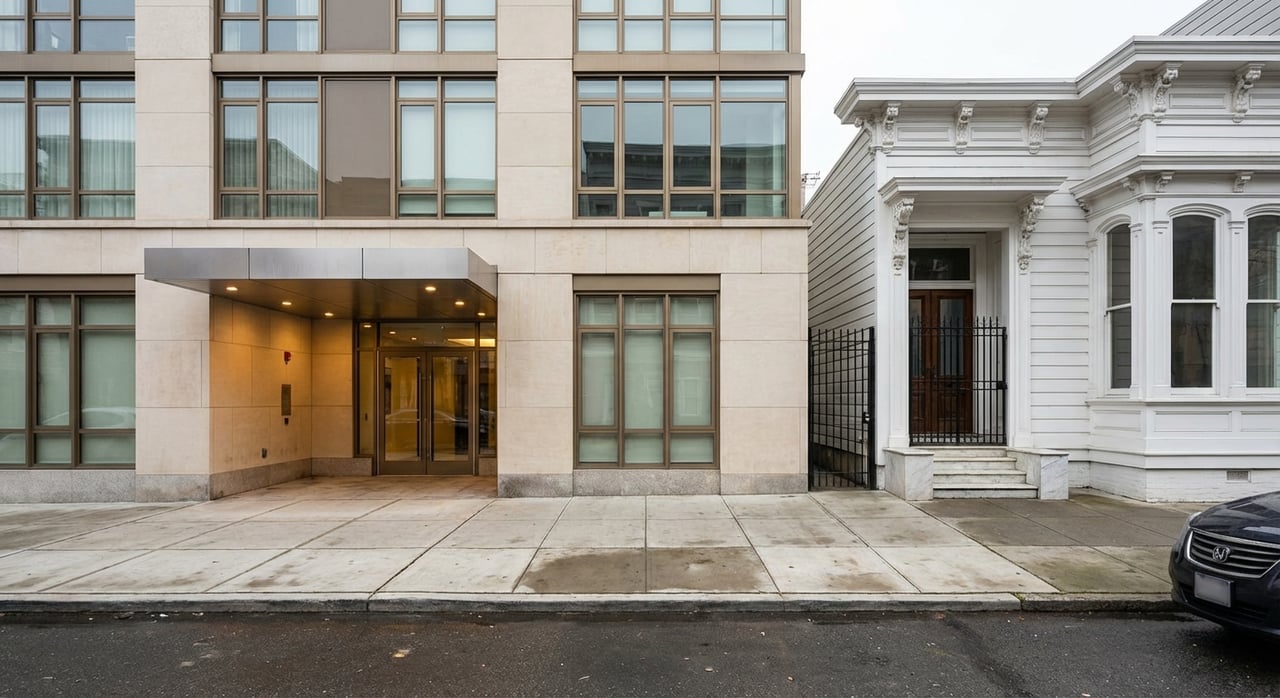
That gives Sea Cliff a very different housing identity from a luxury condo district. The experience here is less about towers, mixed-use buildings, or a busy corner café downstairs, and more about detached houses, privacy, and a protected visual character.
What daily life really feels like
The best word for daily life in Sea Cliff may be residential. This is a neighborhood where home life tends to take center stage, and where outdoor routines often become part of your week without much effort.
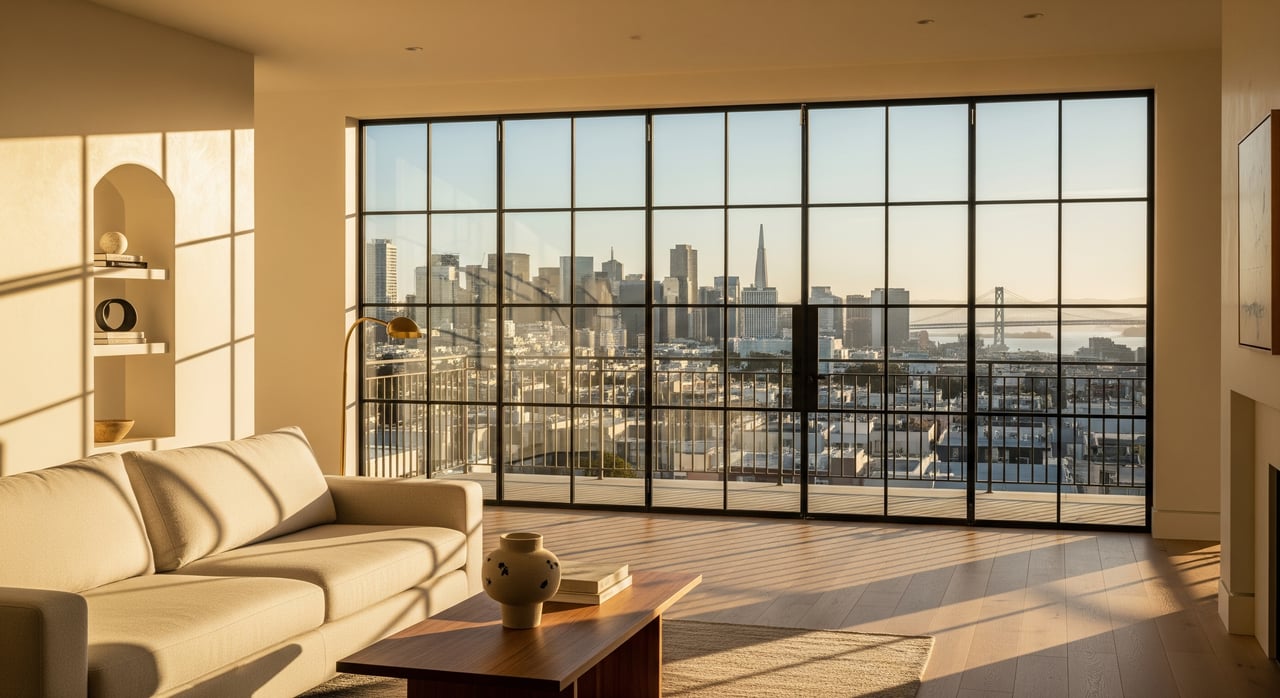
Because of its location, you are close to beach walks, trail outings, and scenic overlooks in a way that few San Francisco neighborhoods can match. China Beach offers beach access, picnic space, and Golden Gate views. Baker Beach adds a mile-long shoreline and access to the Coastal Trail. Nearby Lands End Trailhead provides parking, restrooms, a café, and visitor support for people heading out on the trails.
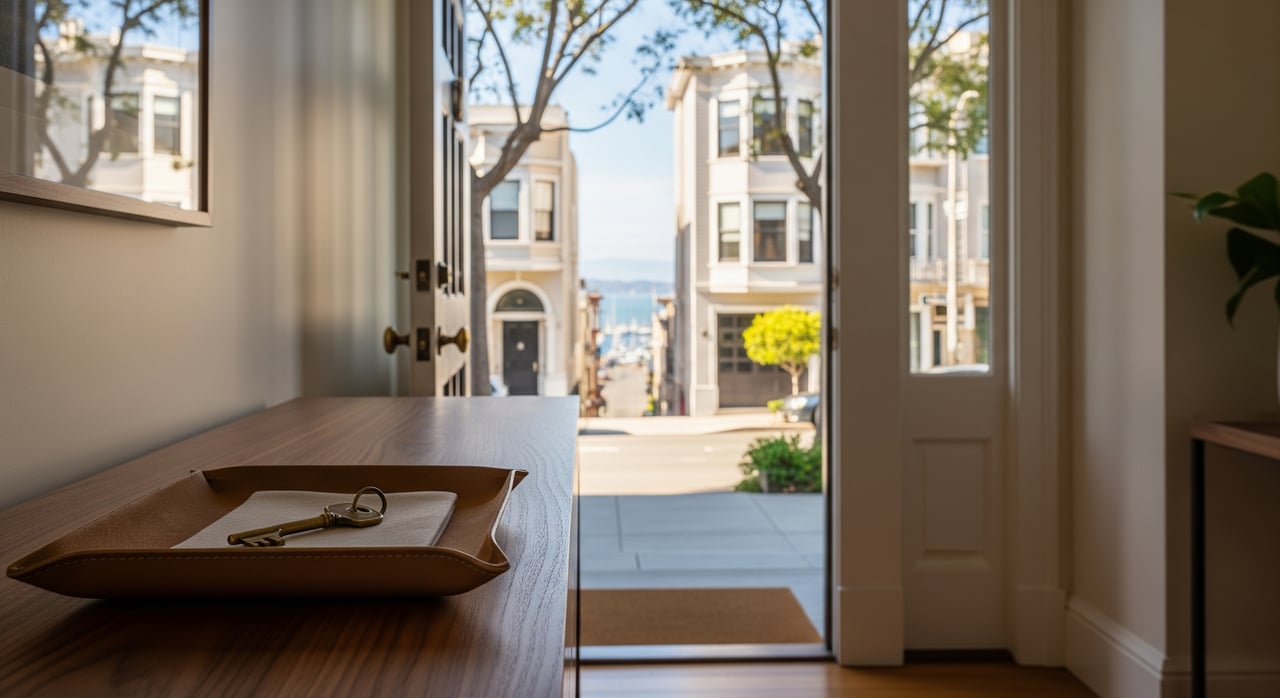
If you love the idea of starting the day with a walk near the water or ending it with sunset views, Sea Cliff delivers that lifestyle naturally. It has a calm, tucked-away quality that can feel worlds apart from busier parts of the city.
The coast is beautiful, but it comes with trade-offs
Living near the water sounds ideal, and often it is. Still, the coast behaves like the coast. The National Park Service notes that sunny conditions can shift quickly to wind, fog, and cold, especially near the shoreline.
That means your experience here is shaped by microclimate as much as architecture. On some days, layering up is part of the routine. On sunny weekends, Baker Beach can also draw crowds and parking congestion, which is worth knowing if you prefer easy in-and-out access nearby.
In other words, Sea Cliff offers beauty with a little weather realism. For many residents, that is part of the charm, but it is better to know it upfront.
Dining and culture are nearby, not central
Sea Cliff is primarily residential, so you should not expect an active commercial strip within the neighborhood itself. Most dining, coffee, and casual social life spill into nearby Richmond District corridors rather than happening on Sea Cliff’s own streets.
That nearby access is still a plus. Richmond guides from the city highlight a wide range of options along Clement and Geary, including coffee shops, brunch spots, dinner destinations, and nightlife-adjacent favorites such as Breadbelly, House of Bagels, Lokma, Aziza, Hong Kong Lounge, Noodle in a Haystack, Pearl 6101, Sonamu Korean Restaurant, Violet’s, Volcano Curry, the 4 Star Theater, and Trad’r Sam.
The Legion of Honor is another nearby cultural anchor. So while Sea Cliff itself stays quiet, you are not cut off from things to do. You are simply living in a residential pocket that sits close to activity rather than on top of it.
Getting around Sea Cliff
Transit in Sea Cliff is bus-based rather than rail-based. According to SFMTA, the neighborhood is served by the 1 California, 1AX and 1X California Express, 5 Fulton, 18 46th Avenue, 29 Sunset, 31 Balboa, and 38 Geary lines.
That service gives you options, but it also reinforces the neighborhood’s more tucked-away feel. Compared with areas built around rail stations or denser commercial corridors, Sea Cliff can feel more car-reliant and a bit less immediate when it comes to daily errands or commuting.
For some buyers, that is a reasonable trade for space and setting. For others, especially if walkability to shops is a top priority, it may feel less convenient than neighborhoods with more built-in retail and transit density.
Who Sea Cliff may suit best
Sea Cliff tends to appeal to buyers who want a very specific version of San Francisco living. If you picture elegant single-family homes, a composed streetscape, and daily access to beaches and trails, this neighborhood aligns well with that vision.
It may be a strong fit if you value:
- Architectural character and detached-home scale
- Privacy and a quieter residential environment
- Proximity to outdoor recreation and coastal views
- A neighborhood that feels distinct from the city’s denser luxury districts
It may be less ideal if you want:
- A highly walkable retail core at your doorstep
- Rail-centered transit access
- Constant street activity and mixed-use energy
Sea Cliff’s housing pattern shapes the lifestyle
One reason Sea Cliff feels so consistent is its housing pattern. The neighborhood is largely defined by single-family homes, and city materials also describe it as mostly owner-occupied, with estimates around 70 to 75 percent owner occupancy.
That owner-heavy pattern helps explain the neighborhood’s stable, residential tone. It is not a place that turns over quickly or feels heavily renter-driven. Instead, the experience is shaped by long-term homeownership, established properties, and a strong sense of visual continuity.
What buyers should keep in mind
If you are considering Sea Cliff, it helps to evaluate it through a lifestyle lens rather than just a map search. This is one of those neighborhoods where the emotional fit matters as much as the property itself.
Ask yourself a few practical questions:
- Do you want your home life to feel quieter and more private?
- Will you actually use the beaches, trails, and coastal setting regularly?
- Are you comfortable with fog, wind, and a less central feel?
- Do you prefer destination dining nearby rather than around the corner?
If the answer to most of those questions is yes, Sea Cliff can be remarkably compelling. It offers a version of San Francisco that feels polished, coastal, and distinctly residential.
Why Sea Cliff stands apart
What makes Sea Cliff special is not just luxury or location alone. It is the combination of architectural presence, coastal access, and a neighborhood plan that still shapes the experience more than a century later.
In a city known for density and energy, Sea Cliff offers something rarer: a house-and-coast lifestyle within San Francisco itself. That is a narrow niche, but for the right buyer, it is exactly the point.
If you are exploring Sea Cliff or comparing San Francisco neighborhoods with a more design-conscious, lifestyle-first lens, working with someone who understands the city block by block can make the search much clearer. To talk through Sea Cliff homes, nearby alternatives, or how this micro-market fits your goals, connect with Adelaida Mejia.
FAQs
What is the overall lifestyle like in Sea Cliff, San Francisco?
- Sea Cliff is best described as quiet, coastal, and highly residential, with daily access to beaches, trails, and scenic views, but fewer walkable commercial conveniences than more urban San Francisco neighborhoods.
What types of homes are common in Sea Cliff, San Francisco?
- Sea Cliff is known for large single-family homes with a cohesive streetscape and architectural styles that include French or Mediterranean, Spanish Revival, Edwardian, and Arts & Crafts or Tudor influences.
Is Sea Cliff, San Francisco walkable for restaurants and shops?
- Sea Cliff itself is primarily residential, so most dining, coffee, and entertainment options are found in nearby Richmond District corridors rather than within the neighborhood.
How do you get around from Sea Cliff, San Francisco?
- Sea Cliff is served by several Muni bus lines, including the 1 California, 5 Fulton, 18 46th Avenue, 29 Sunset, 31 Balboa, and 38 Geary, but it is not centered on rail transit.
What are the main benefits of living in Sea Cliff, San Francisco?
- The biggest advantages are architectural character, detached-home scale, privacy, and close access to China Beach, Baker Beach, Lands End, and the Coastal Trail.
What are the trade-offs of living in Sea Cliff, San Francisco?
- Common trade-offs include fog and wind near the coast, weekend congestion around beach areas, fewer immediate retail options, and a more car-dependent feel than some other parts of the city.