Are you drawn to Nob Hill’s grand lobbies and bay views but not sure whether a condo or a co-op fits your life? You are not alone. In this historic neighborhood, both options can look similar from the curb, yet they work very differently once you step into the paperwork. In the next few minutes, you’ll learn how ownership, board approvals, financing, monthly costs, renovations, resale, and taxes compare so you can move forward with clarity. Let’s dive in.
Ownership basics in Nob Hill
Condo: fee title and HOA
A condo gives you fee ownership of your individual unit plus a shared interest in the building’s common areas. In California, condos sit within common-interest developments governed by the Davis–Stirling Act and the HOA’s CC&Rs, bylaws, rules, budgets, and reserve planning. You receive a deed, hold real property title to your unit, and pay property taxes on your unit’s assessed value. Escrow and transfers follow standard deed procedures.
Co-op: shares and a proprietary lease
A co-op is a corporation that owns the building. You buy shares in that corporation and receive a proprietary lease that gives you the right to occupy a specific unit. The co-op is governed by corporate bylaws, its proprietary lease, and board policies under the California Corporations Code. The corporation typically pays building-level property taxes and any underlying mortgage; you pay a monthly maintenance fee that covers your allocated share.
What that means for you
- Title and transfer: condos transfer by deed, co-ops by share and lease assignment with corporate approvals.
- Governance: HOAs set and enforce rules, but co-op boards often have more direct control over who can buy and how units are used.
- Taxes and records: condo deductions flow directly to you; co-op deductions often come via an annual allocation from the corporation.
Board approvals and rules
Co-op board process
Expect a board package that includes financial statements, tax returns, references, and a credit report. Many co-ops conduct interviews and can reject applications that do not meet financial thresholds or community standards, while complying with fair housing laws. Subletting is commonly limited, with owner-occupancy periods or rental caps. Renovations often require detailed plans and board sign-off.
Condo HOA norms
Condos provide standard HOA disclosures such as CC&Rs, budgets, reserve studies, and meeting minutes. Buyer approval as a condition of sale is less common, although you may complete a homeowner application. HOAs enforce rules on topics like rentals, pets, and noise through administrative processes such as fines or liens.
San Francisco specifics to note
Historic preservation rules can affect both co-ops and condos, especially if a property is landmarked or in a historic district. Exterior changes, and sometimes significant interior work to protected common spaces, may need review and permits through local preservation authorities.
Financing realities
Condo loans are widely available
Condos typically qualify for a broad range of lending products, including conventional, FHA, VA, and portfolio loans. Lenders will review the building’s project eligibility, such as owner-occupancy ratios, budget strength, insurance, and any litigation. Down payment requirements vary by program and use case.
Co-op loans are specialized
Co-ops use share loans secured by your stock and proprietary lease rather than a mortgage on real property. Fewer lenders offer these loans, and underwriting reviews both you and the co-op’s financial health, including reserves, delinquencies, and any underlying mortgage. Many co-ops expect higher down payments, often at or above 20 to 30 percent depending on building rules and lender requirements.
Nob Hill considerations
- High price points: jumbo or portfolio financing is common, which can add underwriting steps for both condos and co-ops.
- Smaller lender pool: co-op loans may carry stricter terms or longer timelines due to fewer lenders.
- Cash simplicity: cash can streamline co-op purchases by removing lender conditions, but board approval still applies.
Monthly costs and budgeting
What condo HOA dues cover
Typical HOA dues fund building maintenance, common-area insurance, reserves for future repairs, management, and shared utilities or amenities. Your personal property tax and individual mortgage are separate. You should carry an HO-6 policy for interior coverage not included in the HOA’s master policy.
What co-op maintenance fees cover
Co-op fees often include the building’s property tax, insurance, staff salaries, common utilities, reserves, and sometimes heat or hot water for units. If there is an underlying building mortgage, your fee includes your share. Fees can look higher than condo dues because they bundle more costs.
Budgeting in historic buildings
In Nob Hill’s pre-war properties, you may see higher dues or maintenance fees for full-service staffing and capital needs like seismic work, elevator modernization, or exterior façades. Both condos and co-ops can levy special assessments for major projects, so review reserve studies, recent minutes, and capital plans closely.
Historic buildings and renovations
Architectural pedigree, practical realities
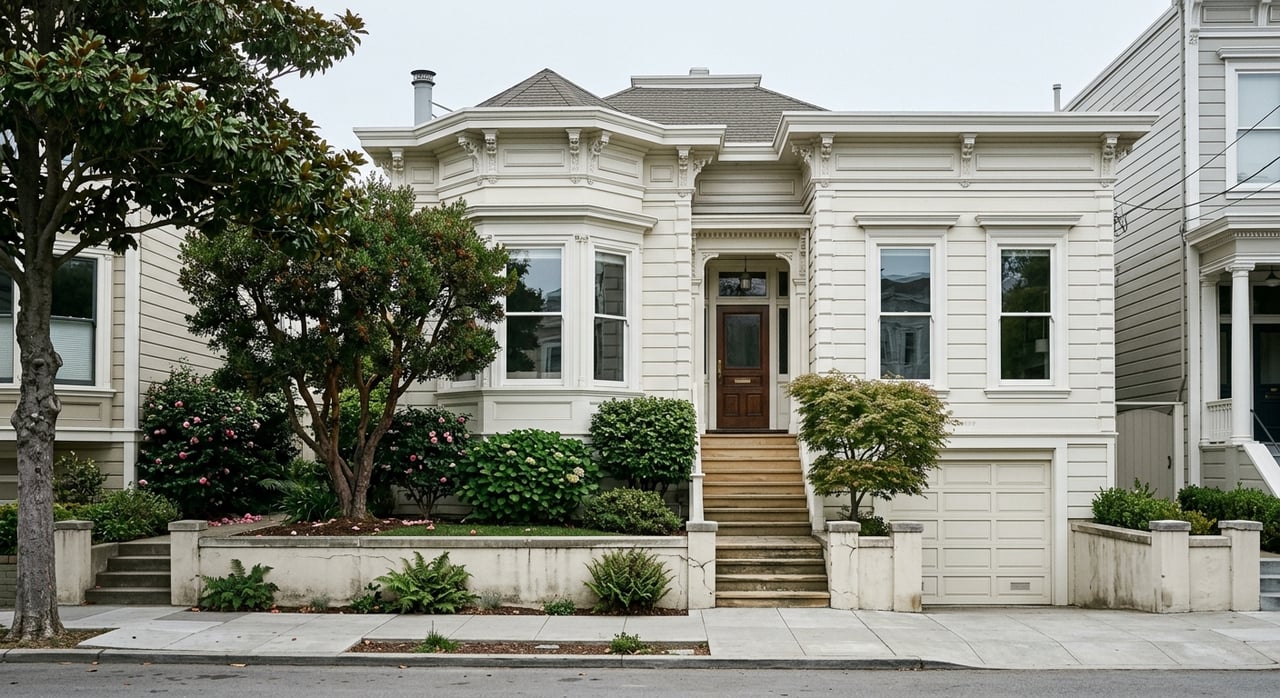
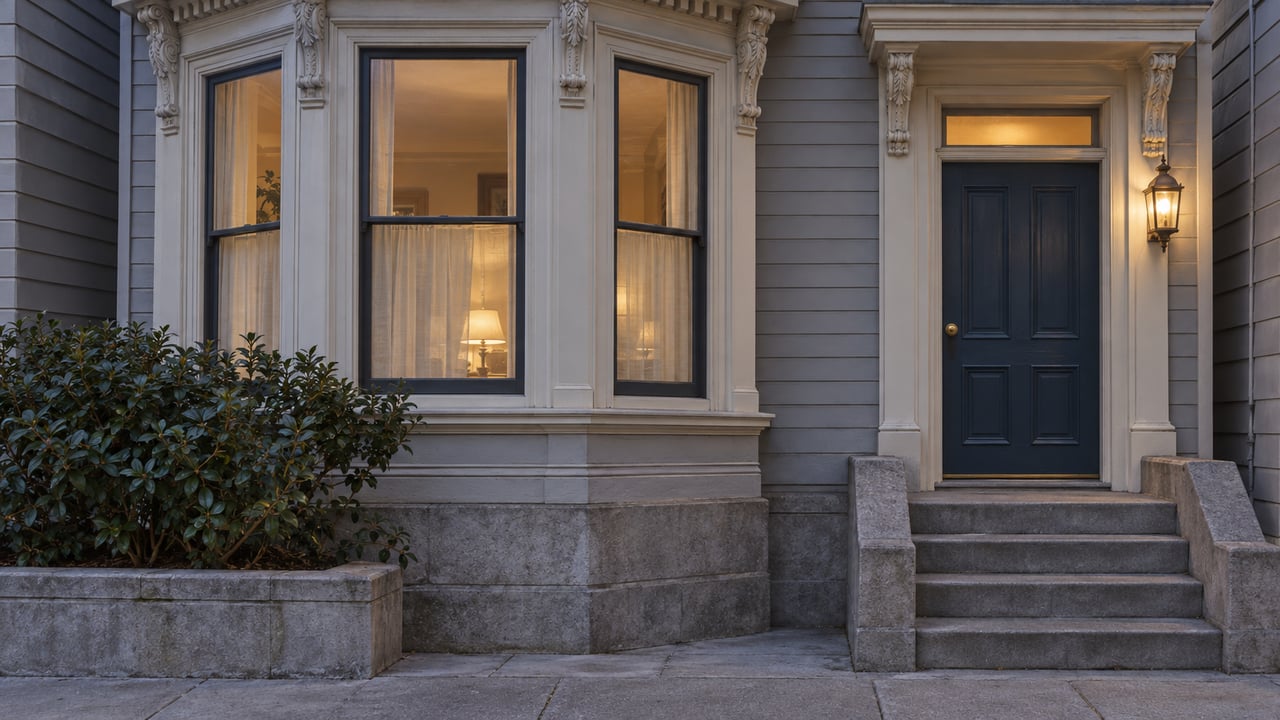
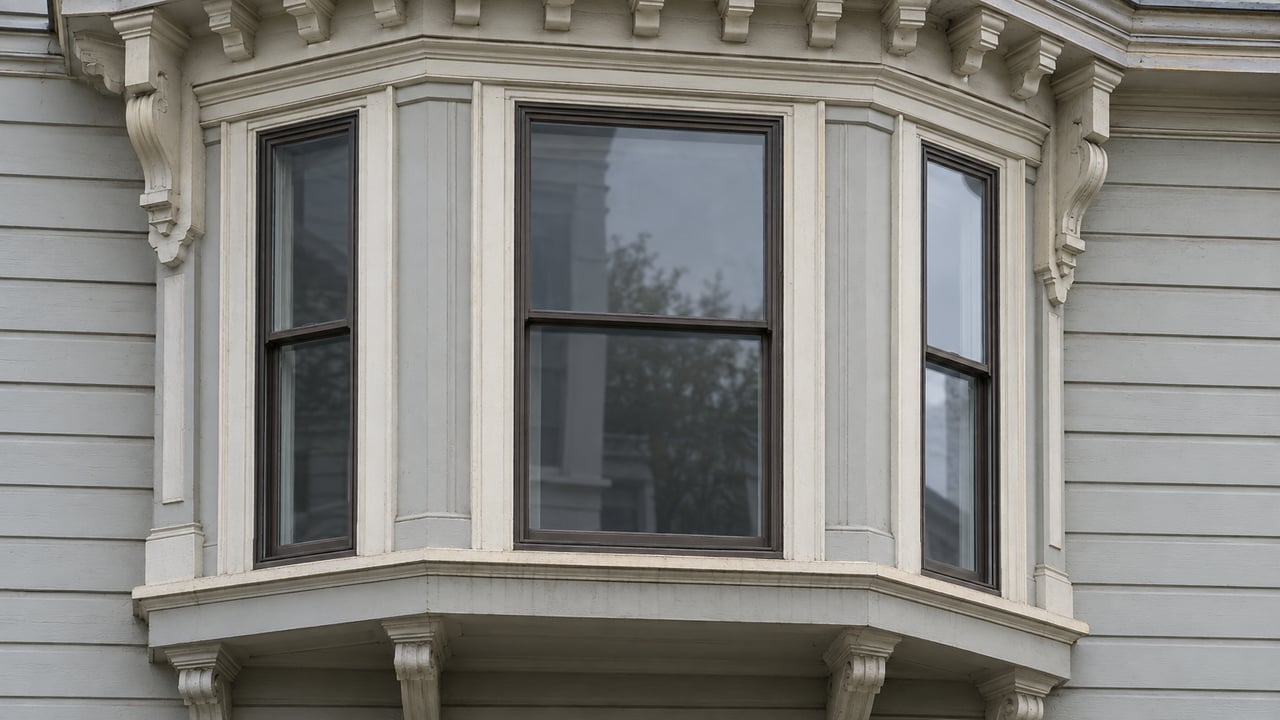
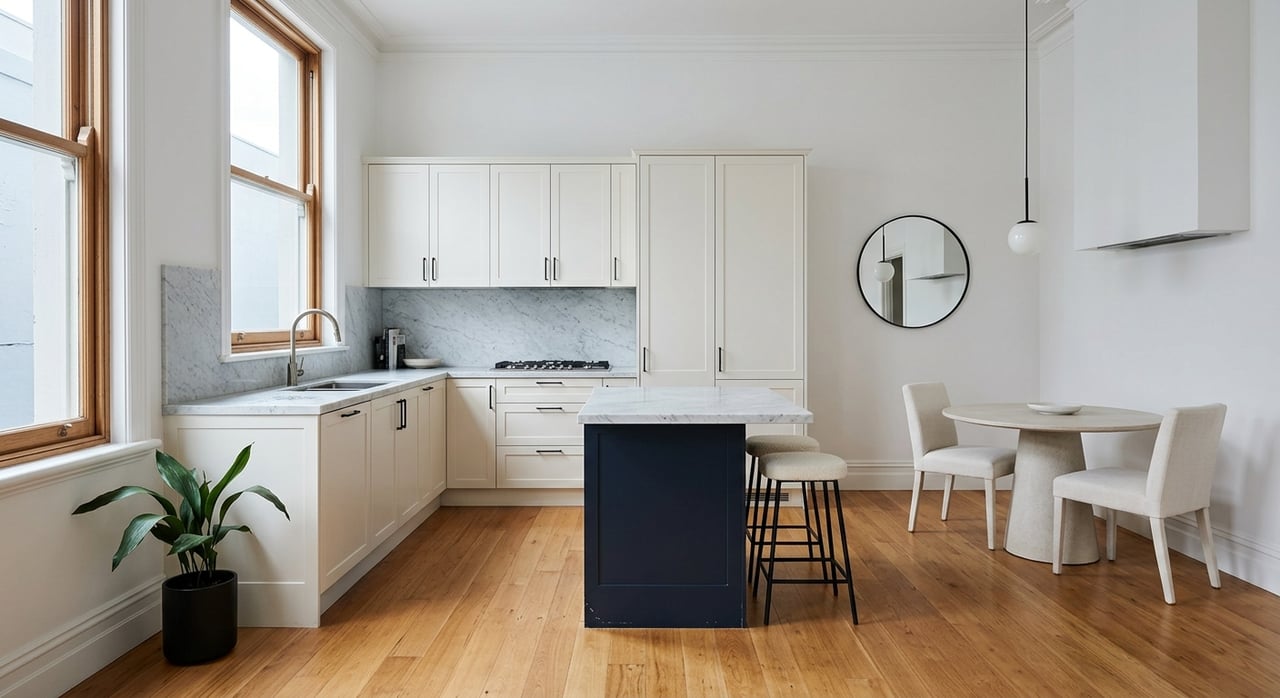
Nob Hill is known for early 20th-century buildings with ornate lobbies, plaster walls, tall ceilings, and period millwork. This character is part of the draw, and it also means extra care when renovating. Expect more documentation, longer approval timelines, and thoughtful coordination with building management.
Preservation and permits
If a building has landmark status or sits in a historic district, exterior changes almost always require review and permits. Some protected interiors, like lobbies, also have rules. Even in non-landmarked properties, co-ops and HOAs often enforce detailed alteration procedures to protect common systems and building character.
Seismic and building systems
Older buildings may need seismic upgrades or major system updates over time. Plan for this in your timeline and budget, because work can affect access, noise levels, and assessments.
Resale and liquidity
What to expect when you sell
Condos usually draw a broader buyer pool due to easier financing and fewer approval steps. That can translate to faster resales in many markets. Co-ops often sell to buyers who value shared stewardship and stability, which can narrow the pool but also preserve a building’s culture.
Pricing dynamics
In some cases, a prestigious co-op can command equal or higher prices than nearby condos because of its reputation and architectural pedigree. Generally, however, restrictions and financing friction can reduce demand compared with condos. Results vary by building, rules, and perceived quality of management.
Taxes and reporting basics
Condo owners
You receive mortgage interest statements from your lender and pay property taxes directly based on your unit’s assessed value. Deductions are reported by you in the usual way, subject to current tax law.
Co-op shareholders
The corporation typically pays the building’s property tax and mortgage interest, then issues an annual allocation statement so you can determine your deductible share. Because you own shares rather than real property title to a unit, basis and capital gain calculations follow different rules. For transfer taxes and reassessment questions, consult local authorities and your professional advisors.
Timeline: what to expect
Typical closing windows
- Condos with conventional financing: 30 to 60 days is common in higher-priced markets, assuming smooth lender review.
- Co-ops with financing: 45 to 90 days is a reasonable planning range due to board review, interview scheduling, and lender coordination. Cash can compress this, but board approval remains a key step.
Quick Nob Hill buyer checklist
- Ask the seller for: CC&Rs or the proprietary lease, two years of financials, recent meeting minutes, reserve study, insurance certificates, and a list of recent or planned special assessments and capital projects.
- For co-ops: prepare your board package early, including financial statements, tax returns, references, a cover letter, and readiness for an interview.
- Financing: if considering a co-op, pre-qualify with a lender experienced in co-op share loans. For condos, confirm project eligibility if you plan to use specific loan programs.
- Historic status: verify if the property is landmarked or within a historic district and clarify permit requirements before planning any renovations.
- Risk checks: review building condition reports, seismic status, insurance coverage, and any ongoing litigation.
- Title and taxes: involve a local title company and a tax advisor to understand transfer tax and potential reassessment.
Which fits your priorities
Choose a condo if you want
- Broader financing options and potentially faster resale.
- Flexibility on rentals, subject to HOA rules.
- A simpler approval process with fewer buyer hurdles.
Choose a co-op if you value
- Architectural pedigree and a culture of shared stewardship.
- Stable, owner-focused communities with more predictable building standards.
- Inclusive monthly fees that cover building taxes, staffing, and sometimes utilities.
Both paths can lead to a beautiful life in Nob Hill. The best choice depends on how you balance process, flexibility, and the kind of building culture you want to join.
Ready to compare specific buildings and clarify next steps for your situation? For design-forward guidance and building-level expertise in Nob Hill, connect with Adelaida Mejia for thoughtful, client-first representation.
FAQs
What is the main ownership difference between condos and co-ops?
- Condos convey deeded title to a unit with an HOA, while co-ops sell corporate shares with a proprietary lease and board governance.
How strict are co-op board approvals in Nob Hill?
- Many co-ops require detailed board packages and interviews and can decline applicants based on financial criteria while following fair housing laws.
Can I rent out my place in a Nob Hill co-op or condo?
- Co-ops commonly limit subletting or require owner-occupancy periods, while condos more often allow rentals subject to HOA restrictions.
What down payment is typical for a co-op purchase?
- Down payments are often at or above 20 to 30 percent, depending on the building’s rules and lender requirements.
Why do co-op maintenance fees look higher than condo dues?
- Co-op fees often include building property tax, staff, insurance, and sometimes heat or hot water, so they bundle more costs than typical condo dues.
How long does it take to close on a co-op in Nob Hill?
- Plan for 45 to 90 days due to board review and lender underwriting; cash purchases can be faster but still require board approval.