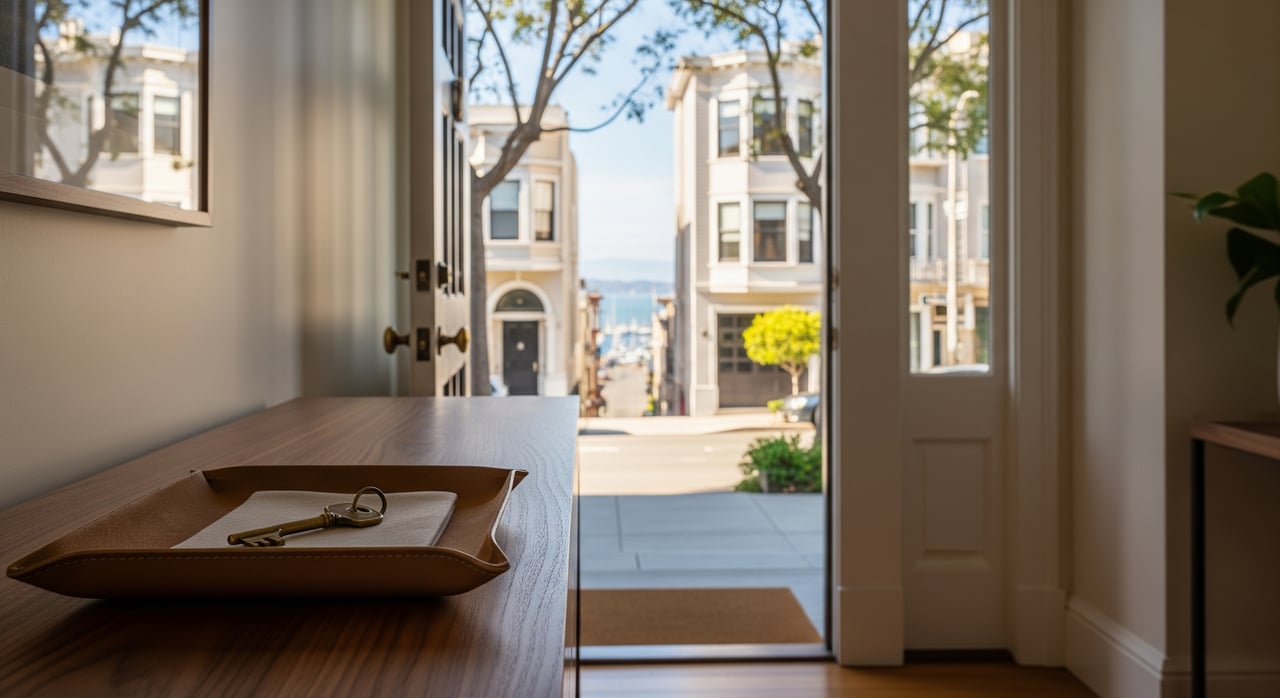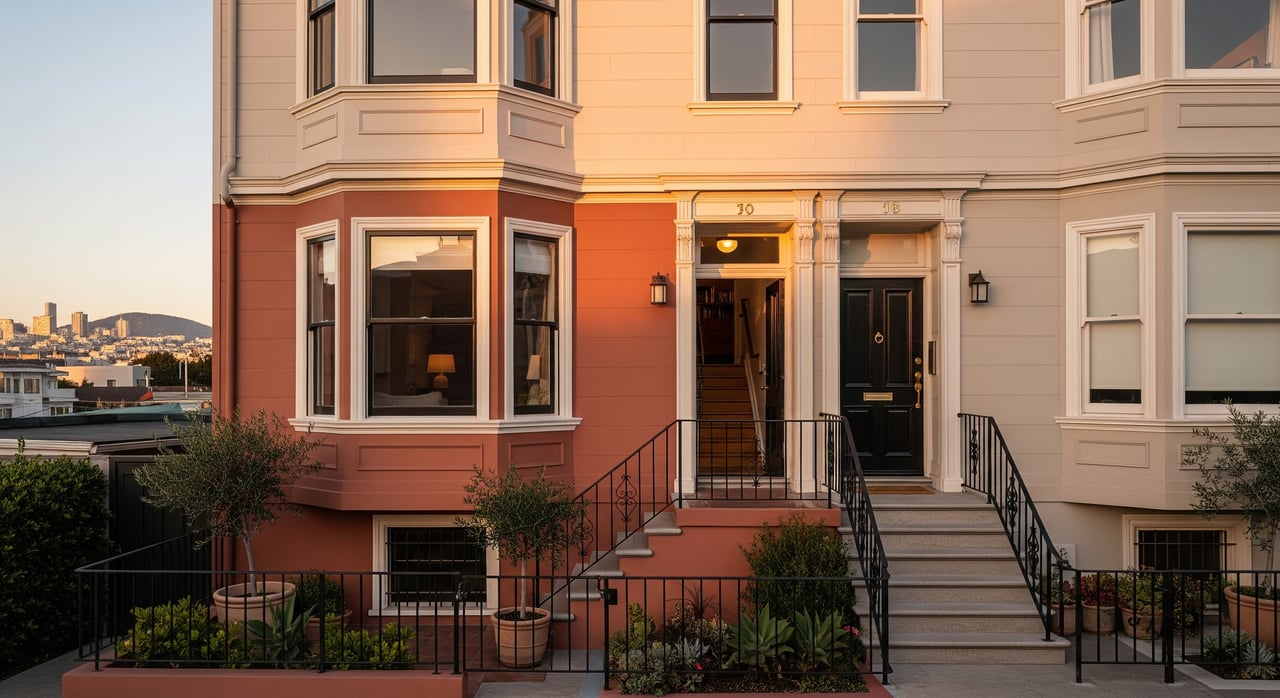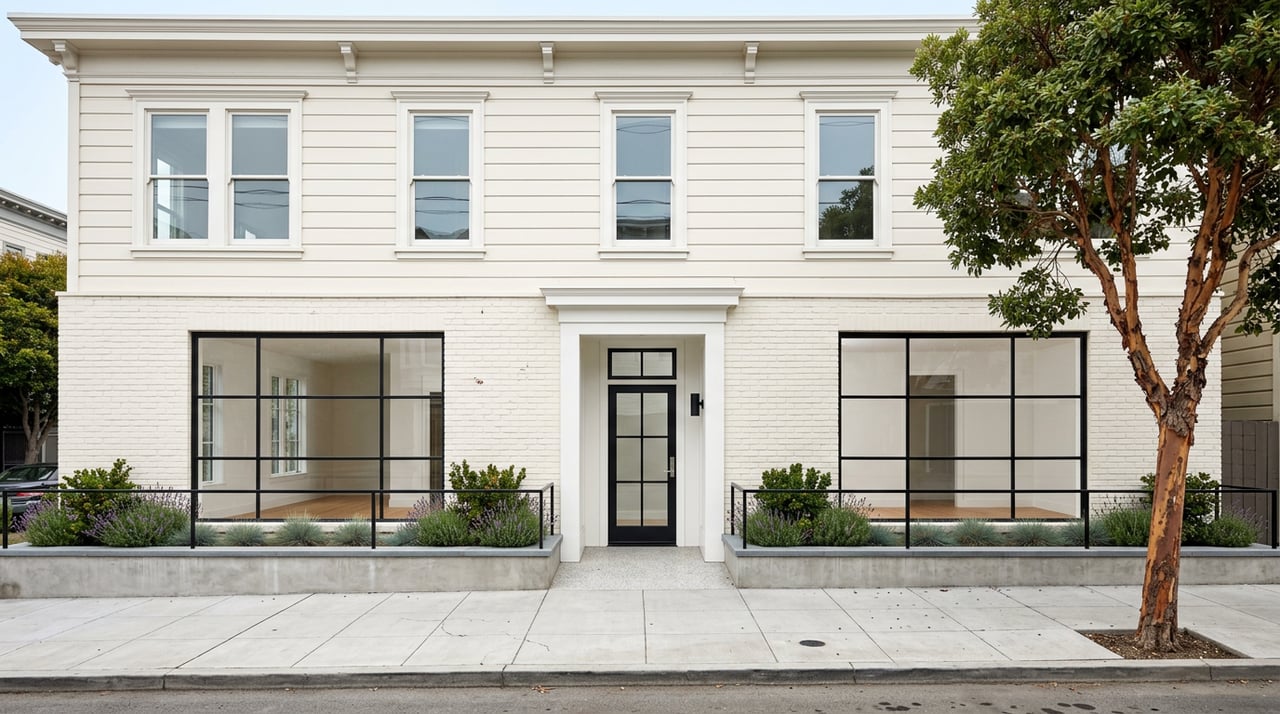
Thinking about a multi-unit or loft investment in Potrero Hill but unsure where to start? You are not alone. This pocket of San Francisco blends classic buildings, strong renter demand, and complex local rules that can shape returns. In this guide, you will get neighborhood context, current rent and return signals, key regulations to underwrite, and a practical checklist to help you make a confident decision. Let’s dive in.
Why Potrero Hill for multi-unit and lofts
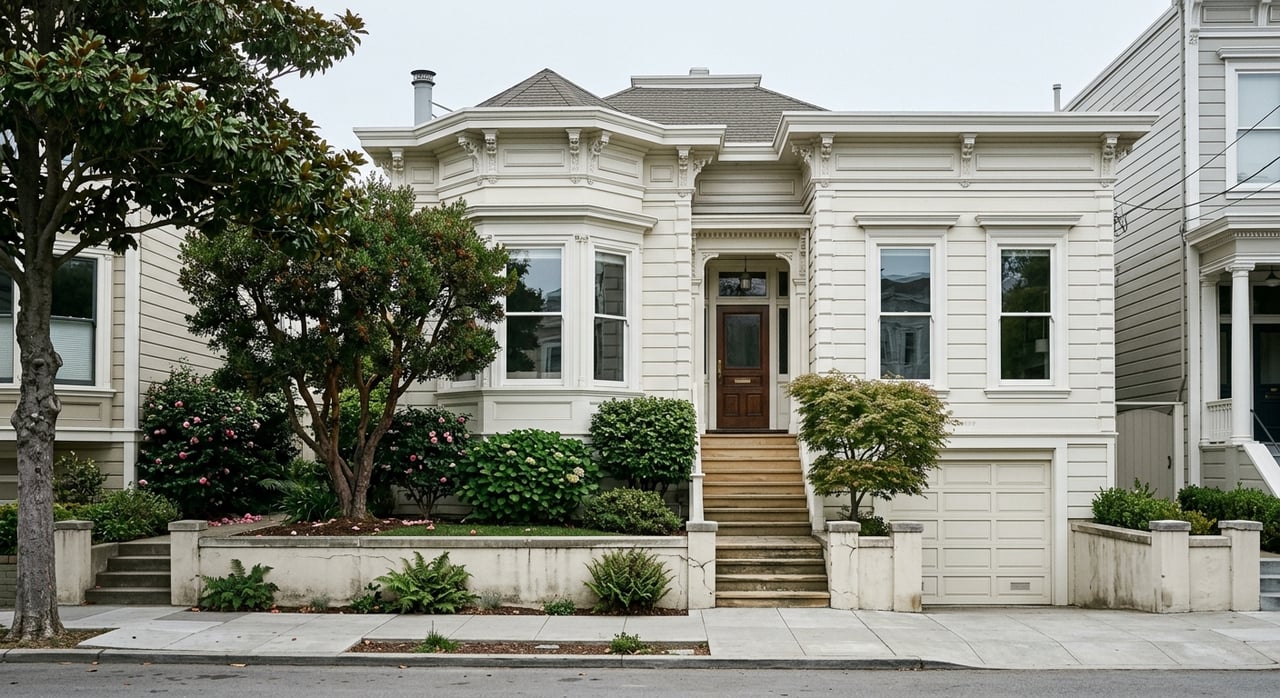
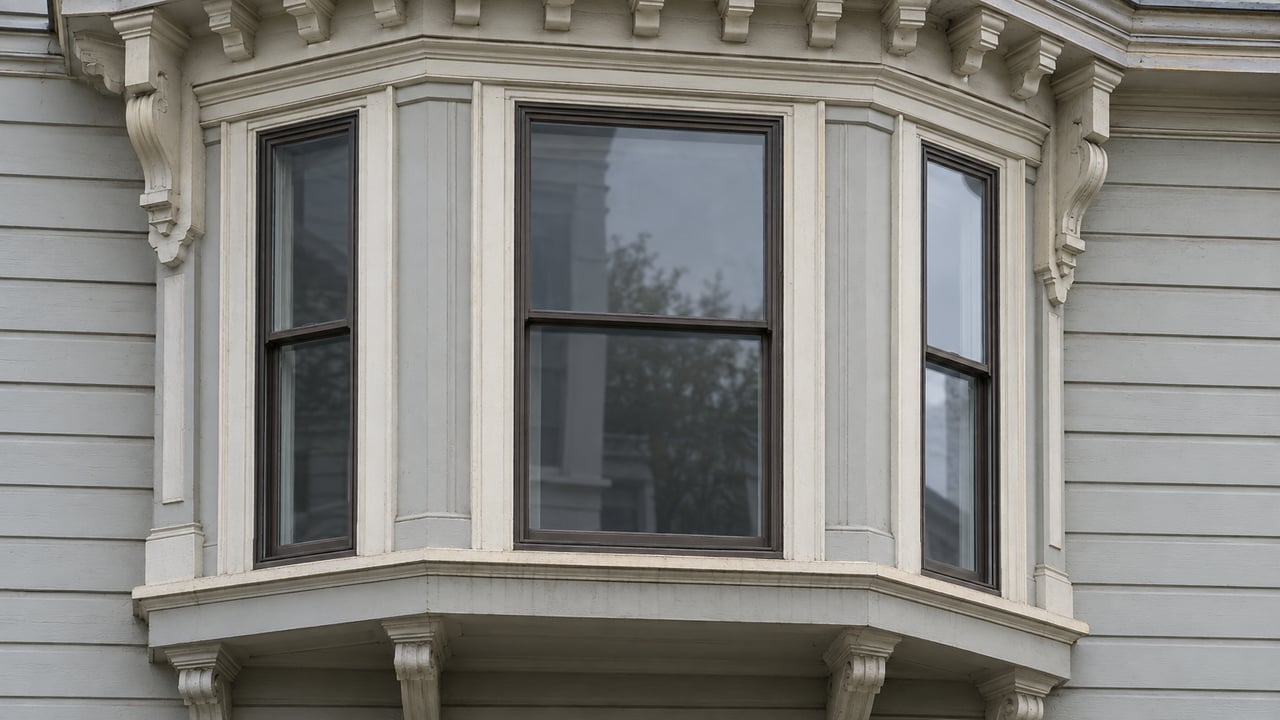
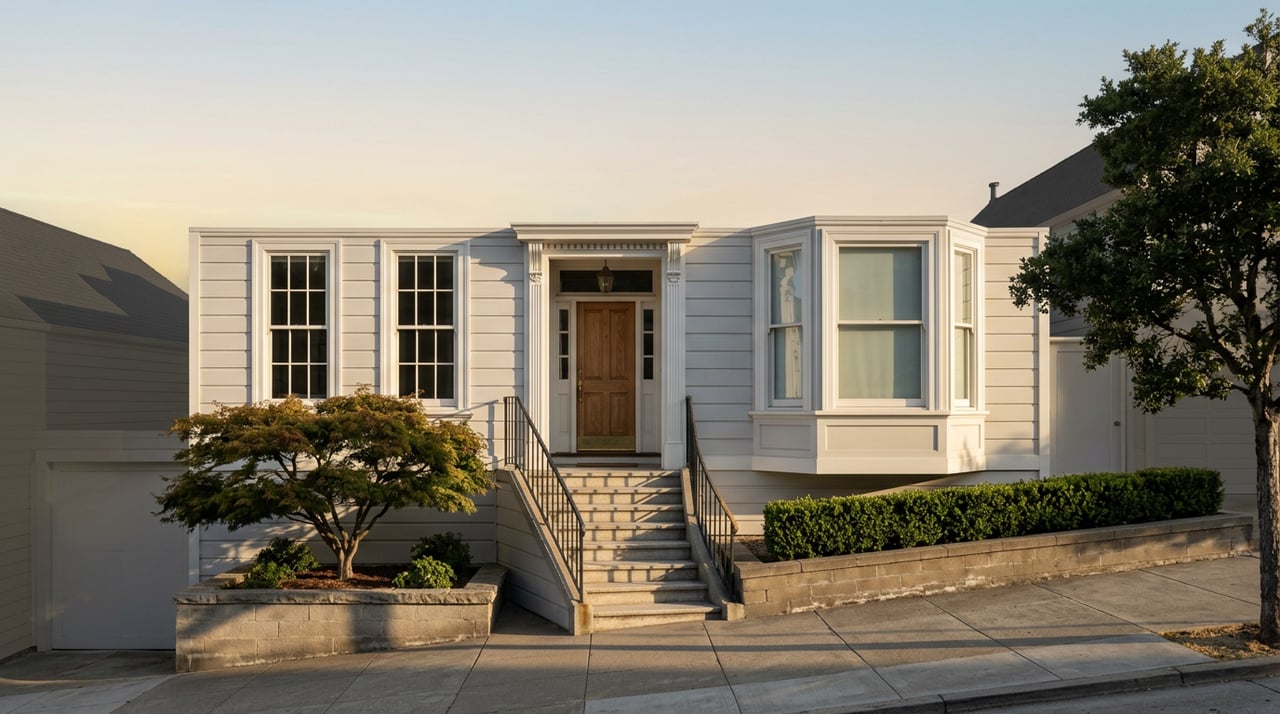
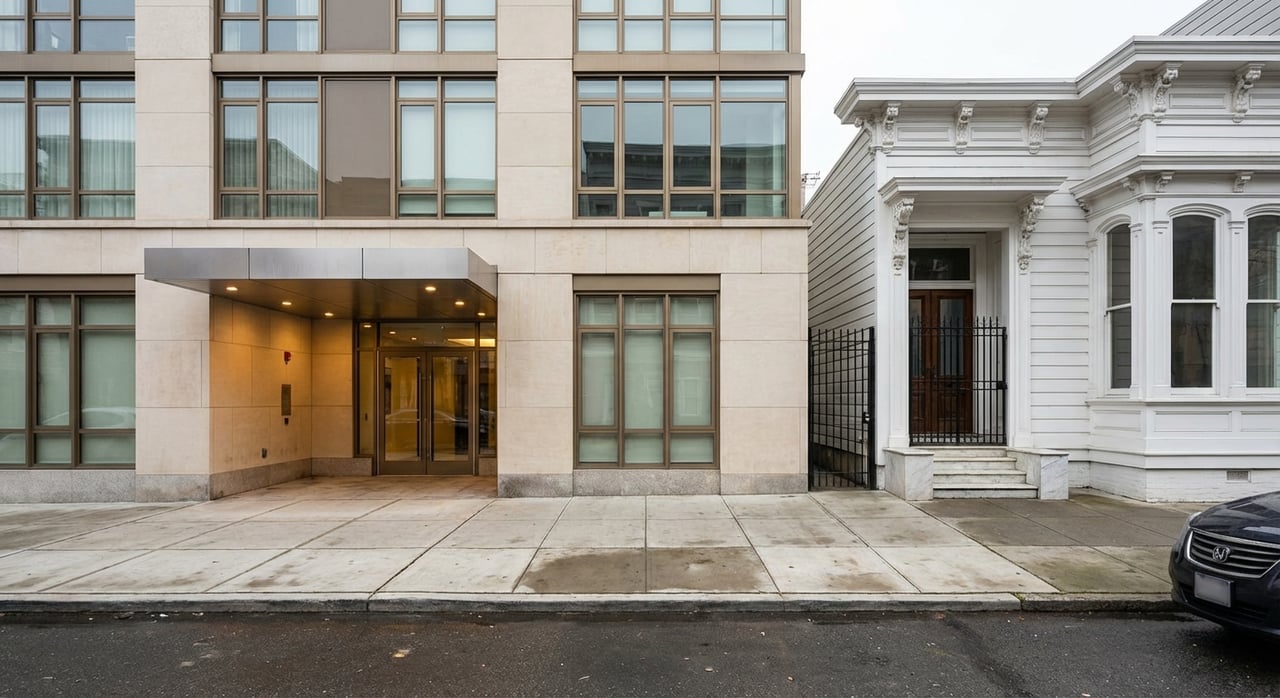
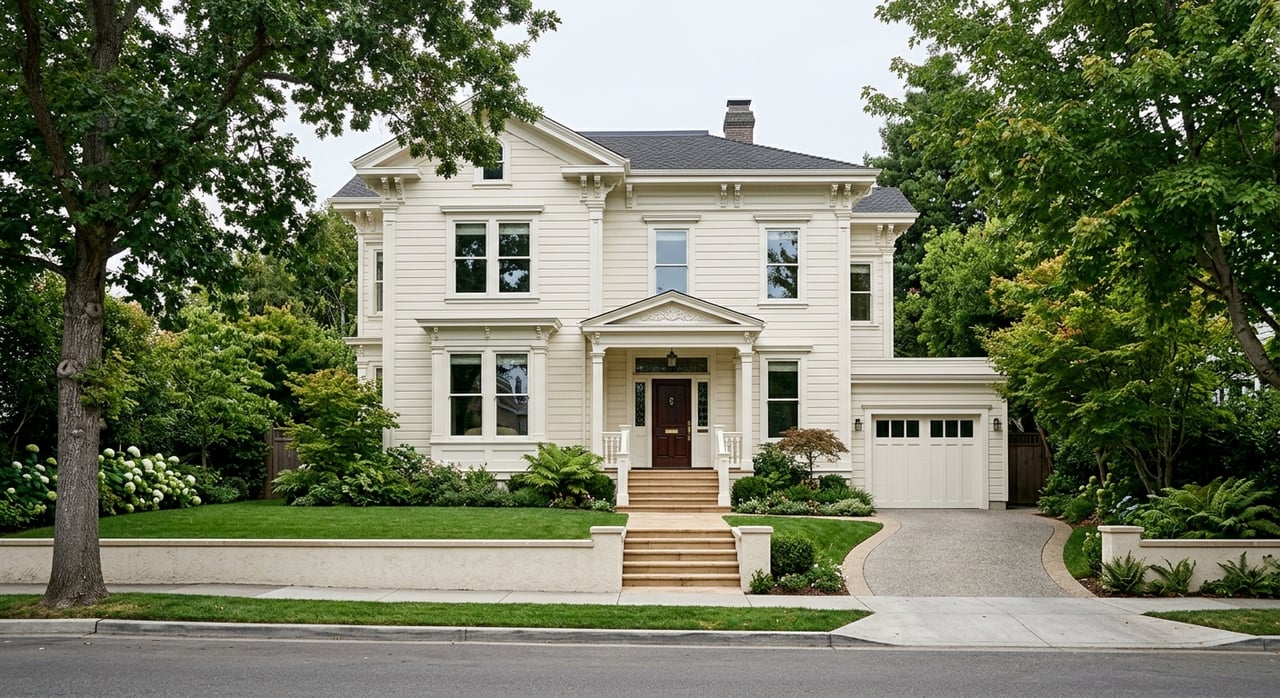
Potrero Hill sits on San Francisco’s sunny eastern side near Dogpatch and Mission Bay. The area mixes Victorians and Edwardians, small walk-ups, and converted industrial lofts that appeal to renters who value light, views, and proximity to SoMa and UCSF. For a quick neighborhood overview, see the description of Potrero Hill’s location and housing mix on the city’s east side in the general summary of the area’s history and character on Wikipedia. You can use that as a broad orientation while you dig into building-level detail for your target block. Learn more about Potrero Hill’s setting and housing stock.
Recent neighborhood rent snapshots suggest solid pricing power relative to other submarkets. Data compiled in late 2025 to early 2026 shows average and median asking rents in the low-to-mid $4,000s per month at the neighborhood level, with an average near $4,404 and a median near $4,520. Treat these as ballpark inputs and confirm with current comps for the exact unit mix and condition you plan to operate.
Current rents and returns
- Rents: Neighborhood snapshots point to average asking rent around $4,404 and median rent near $4,520. Your actual rents will vary with unit size, renovation quality, outdoor space, views, and parking.
- Vacancy: Citywide multifamily vacancy in late 2025 sat in the mid-single digits in several reports, with one snapshot near 4.6 percent. Expect block-by-block differences in Potrero Hill.
- Cap rates: Reported ranges for San Francisco multifamily in late 2025 cluster around 4.5 to 6.0 percent. Smaller assets with value-add potential often trade toward the higher end of that band, while stabilized, well-located properties price tighter. Use recent neighborhood sales for a precise read.
What this means for you: Underwrite using conservative neighborhood-level rents, verify in-unit comps, and pressure-test your model against a few vacancy and expense scenarios. Potrero Hill’s draw for professional renters can support healthier leasing velocity, but vintage buildings, regulatory status, and freeway adjacency can widen outcomes between assets.
Property types you will see
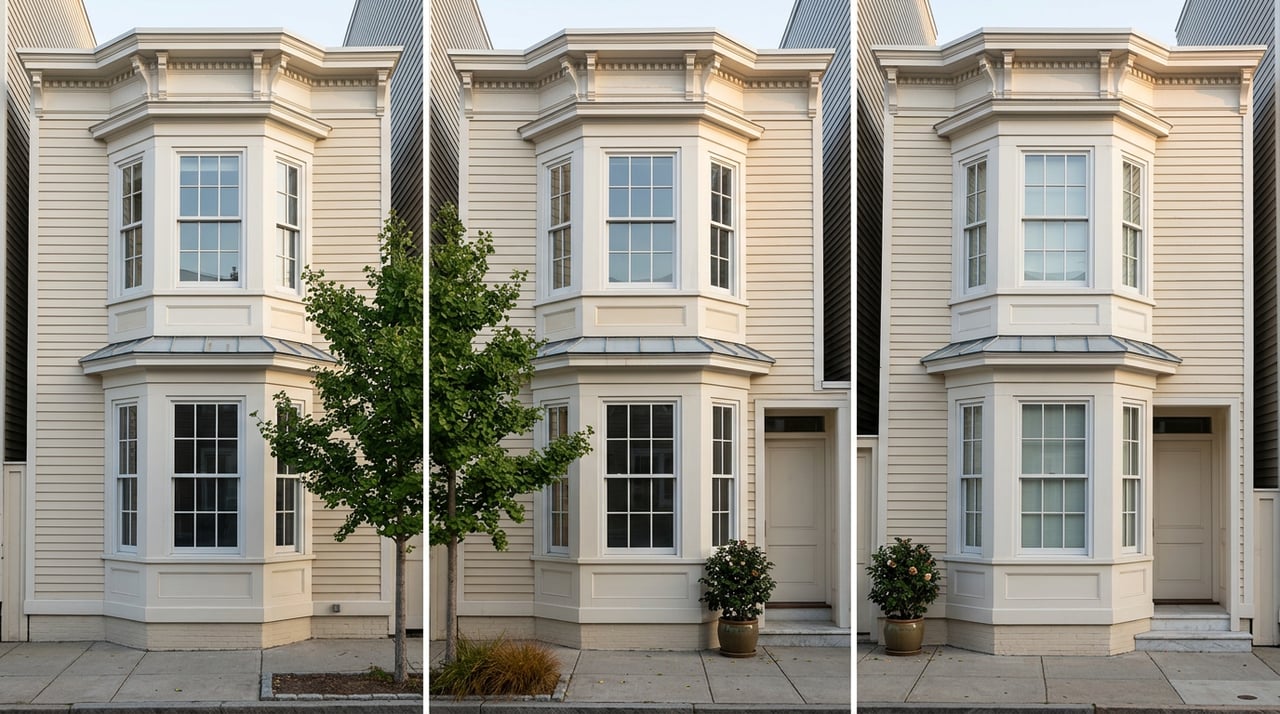
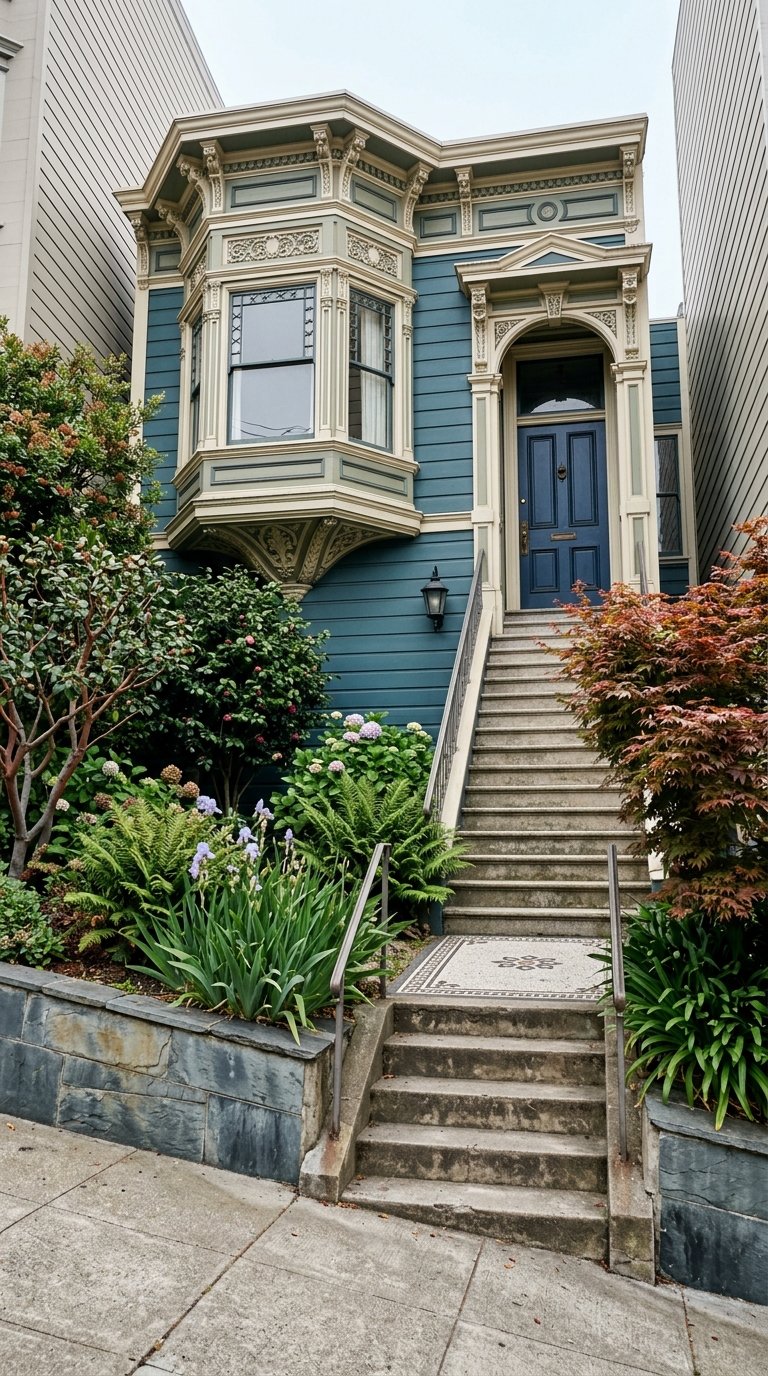
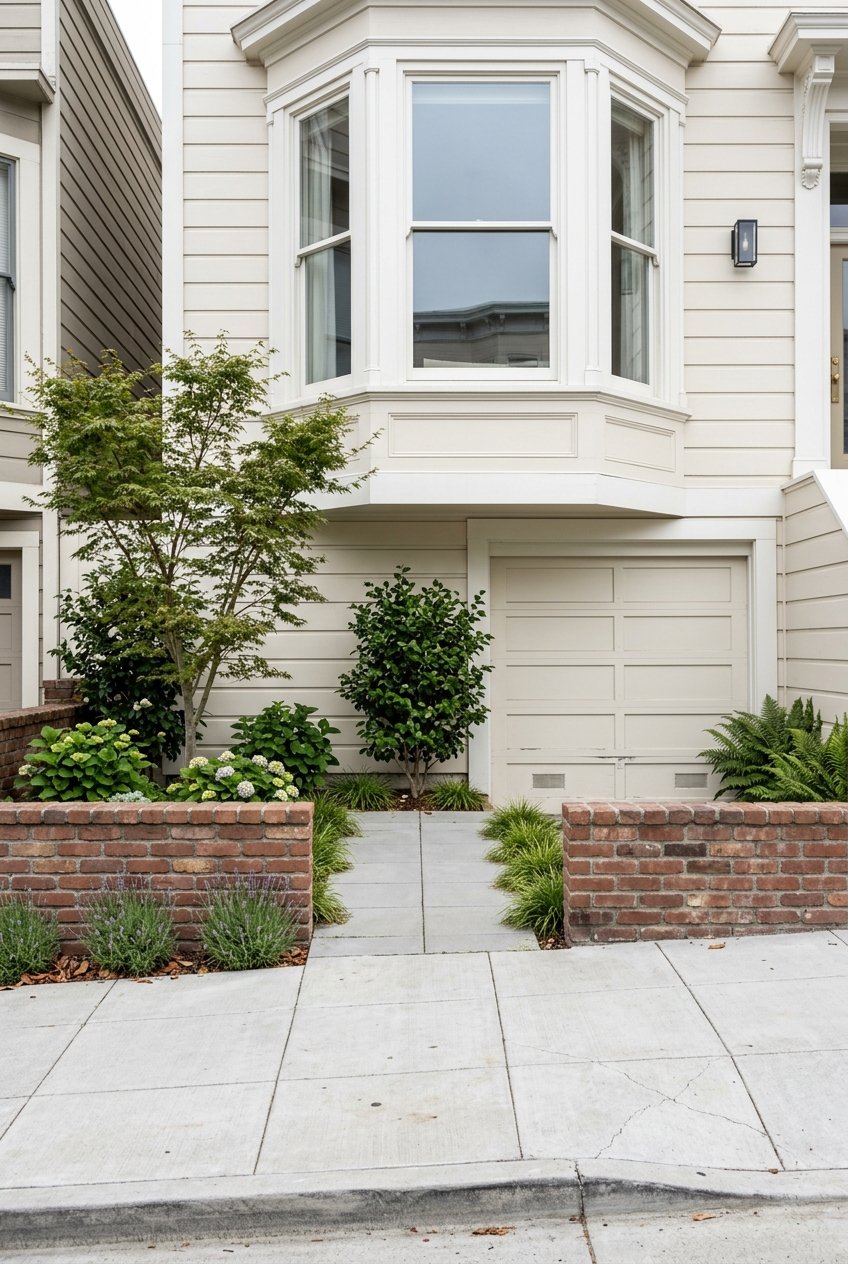
- Small converted Victorians or Edwardians (2 to 6 units). Many were built before 1979, which commonly triggers full coverage under San Francisco’s Rent Ordinance. Confirm each unit’s construction date and legal use before you assume coverage or exemptions.
- Wood-frame walk-ups and 3-story buildings with 5 or more units. These may fall under the Department of Building Inspection’s Mandatory Soft-Story Retrofit program due to street-facing openings at the ground floor. If covered, retrofit scope and timing can be a meaningful capital event. Review DBI’s soft-story program overview.
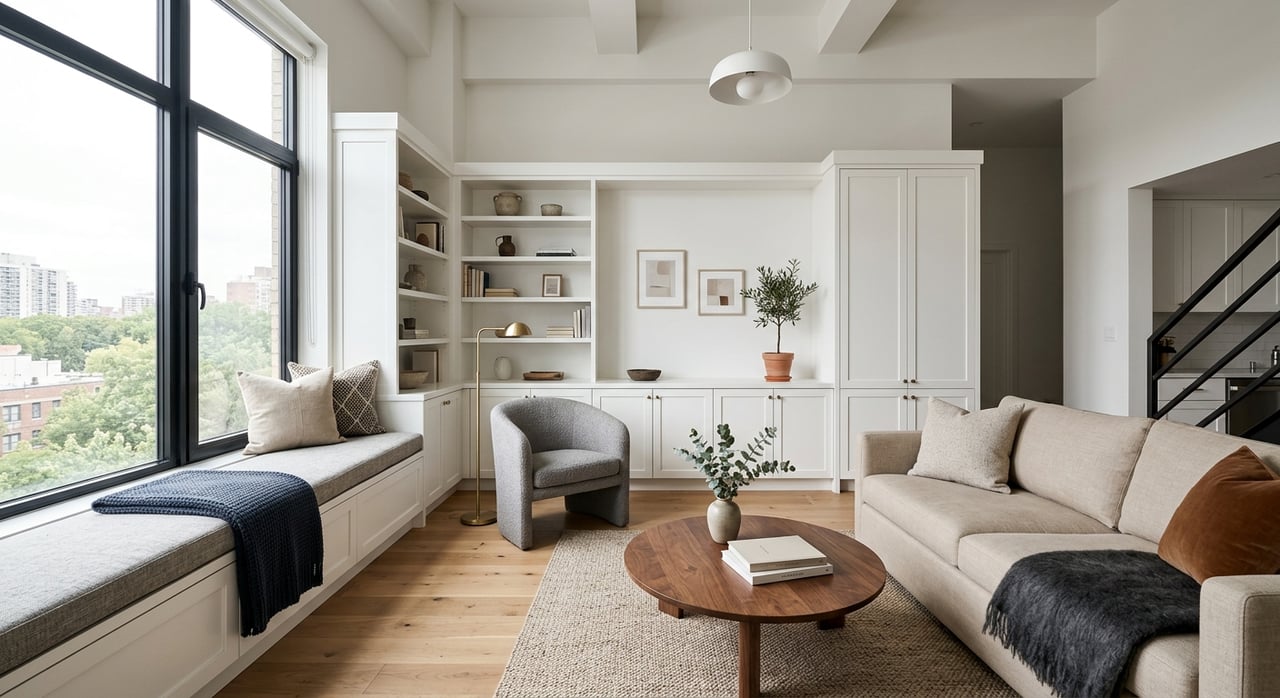
- Live-work lofts and industrial conversions along the Dogpatch/Central Waterfront edge. Legal classifications can vary by original use, conversion history, and certificate of occupancy dates. Unit-by-unit confirmation is essential.
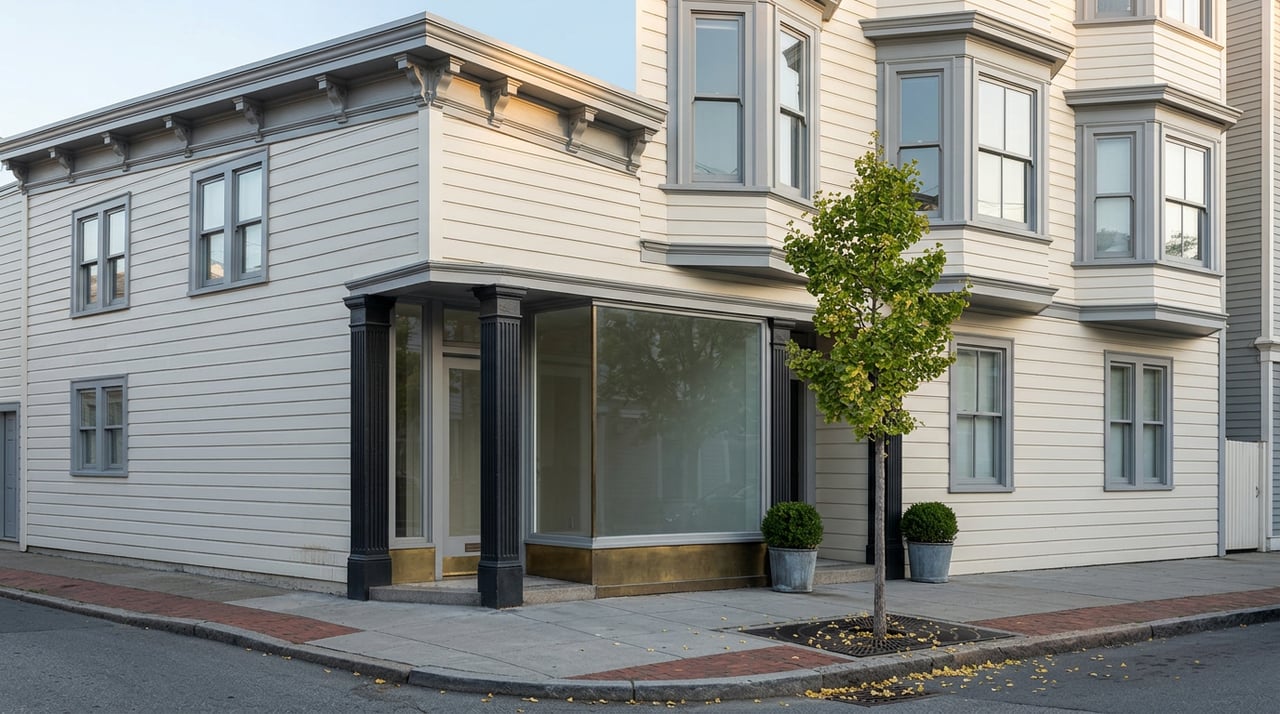
- Small mixed-use buildings with ground-floor commercial and residential above. Zoning, PDR protections, and retail tenant risk can materially affect income and exit value. For high-level policy context in this area, see the Central Waterfront plan summary. Read the Central Waterfront planning framework.
Regulations to underwrite upfront
Rent control and eviction protections
San Francisco’s Rent Ordinance governs allowable annual rent increases for fully covered units and maintains just-cause eviction protections. Coverage generally hinges on a June 13, 1979 construction-date cutoff and other criteria. Many Potrero Hill flats predate 1979 and may be fully covered, while newer properties can be treated differently. Always verify status through city records and the Rent Board before modeling growth or turnover. See the city’s summary of rent stabilization and eviction protections.
Mandatory Soft-Story Retrofit program
DBI’s program targets wood-frame buildings with five or more units and certain ground-floor conditions. The city publishes an inventory and compliance status you can check by parcel. If a property is screened in and not yet complete, budget engineering, permits, construction, and potential tenant coordination. Check DBI’s program guidance and search the soft-story property map before you submit an offer.
Zoning shifts under the Family Zoning Plan
San Francisco adopted the Family Zoning Plan in December 2025, effective January 2026. It changes base zoning and heights on certain corridors and transit routes. For Potrero Hill, confirm whether your parcel sits on a corridor that now allows more density or different uses, which can influence long-term upside or change-of-use strategy. Review the Family Zoning Plan overview and maps.
Mixed-use and PDR protections in the Central Waterfront
The Central Waterfront plan protects core PDR uses and guides where mixed-use transitions are appropriate. If you are considering converting commercial space or repositioning a mixed-use building, verify Special Use District rules and PDR protections on the specific block. See policy context for Dogpatch and the Central Waterfront.
Location factors that move rents
Freeway proximity: access vs externality
Western Potrero Hill gains quick access to US 101 and I 280, which is a plus for car commuters. That same proximity can increase noise and exposure to traffic-related pollutants for units closest to heavy traffic. Renters often discount lower floors or units facing busy corridors. For background on near-highway pollution effects, see a peer-reviewed environmental health review. Read a research overview on near-highway pollution.
Jobs and amenities nearby
Adjacency to SoMa, Mission Bay, UCSF, and life-science corridors supports demand from professional renters. Track hiring and on-site attendance trends across those hubs as signals for leasing momentum. Keep an eye on downtown office dynamics too. High office vacancies in recent years have reduced daytime foot traffic, which can affect ground-floor retail strength in mixed-use assets near major office clusters. For broader context on the office and development environment, review recent local coverage. See reporting on San Francisco’s office and construction climate.
Neighborhood character and walkability
Potrero Hill is known for sun, views, and a quieter residential feel. Small-scale retail nodes and proximity to the 3rd Street light rail enhance everyday convenience for many renters. Walk and transit scores vary by block, so confirm access for the specific property you are evaluating.
Underwriting checklist and due diligence
Use this step-by-step checklist to frame your analysis and offer timeline.
- Confirm property basics
- Gather APN, year built, number of units, and recorded uses. Construction date helps determine Rent Ordinance coverage. Review the city’s rent stabilization overview.
- Verify rent control and tenancy
- Pull Rent Board registration and unit history if available. Review leases for lawful rent ceilings and banked rent. Model rent control and vacancy decontrol timing where applicable.
- Check soft-story and permit history
- Search the soft-story inventory and permit records. If screened in and not complete, order an engineering assessment, timeline, and budget. Plan for tenant coordination if construction impacts habitability. Search the city’s soft-story property map.
- Confirm zoning and conversion potential
- Use SF Planning maps to verify base zoning, Special Use Districts, Family Zoning Plan corridors, and PDR protections. This shapes what you can do with ground-floor space and long-term redevelopment. Start with the Family Zoning Plan page.
- Pull sales comps and cap-rate checks
- Compare 2 to 12-unit sales in Potrero Hill and adjacent Dogpatch to the broader late-2025 cap-rate range of about 4.5 to 6.0 percent. Adjust for rent-control exposure, vacancy, and condition. Validate with at least three recent trades.
- Run operating sensitivities
- Stress test NOI with 5 to 10 percent vacancy swings and a 10 to 25 percent Year 1 capital spend for roofs, systems, and any retrofit work. Model different rent growth paths for covered versus exempt units.
- Confirm financing and debt service
- Get real-time lender quotes before you commit. Early 2026 examples for larger loans showed fixed rates near the low 5 percent range. Smaller or bridge loans can price higher. Underwrite with cushion for covenants and refinance risk.
- Walk the block and observe
- Visit at rush hour and mid-day. Note freeway noise, retail activity, transit stops, and nearby construction. If ground-floor retail feels soft, treat commercial income as more volatile in your base case. Browse policy context for the Central Waterfront/Dogpatch.
Loft-specific checks
- Confirm certificate of occupancy and conversion history for each loft. Treatment under rent stabilization can hinge on dates and how the unit was established. Classification is fact-specific, so document the record before you assume exemptions.
- Verify HOA rules and reserves if the loft is in a condo or TIC format. Align building policies with your leasing plan, pet policy, and short-term maintenance needs.
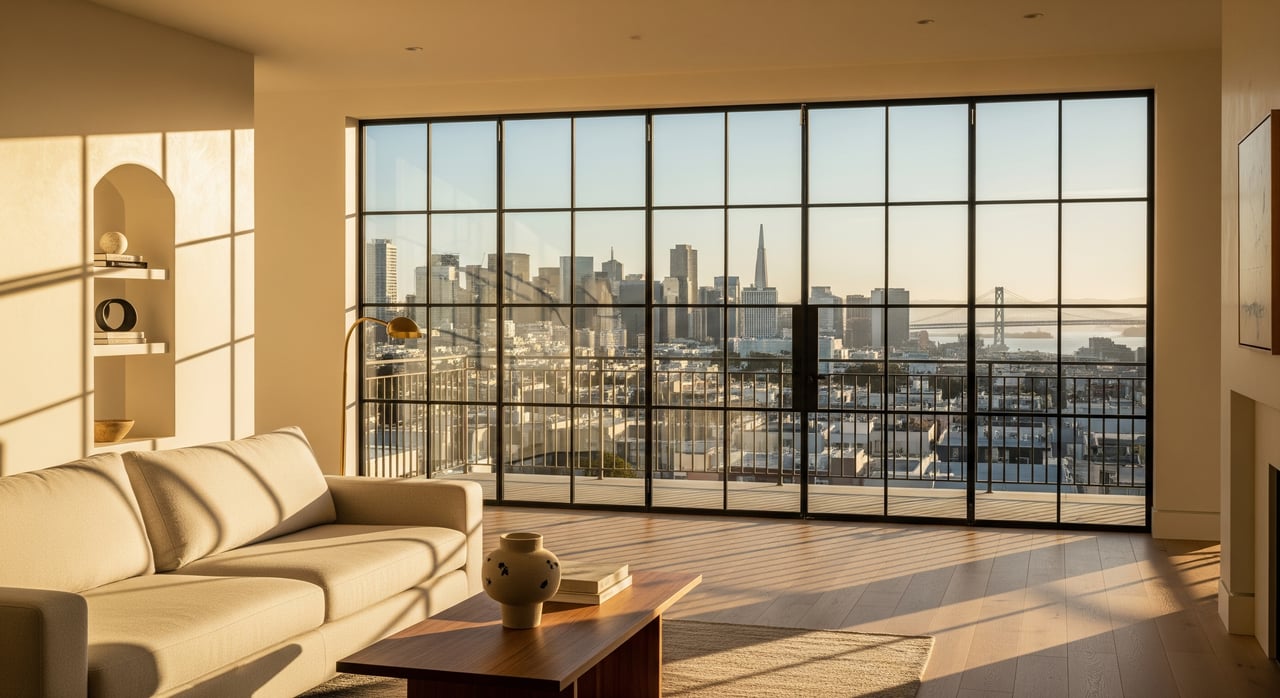
- Underwrite ceiling height, natural light, and layout flexibility. These features drive leasing velocity and can support premium pricing in design-forward renter segments.
Capex and timeline planning
- Soft-story retrofit is one of the largest potential capital items for 5-plus-unit wood-frame buildings. Get written estimates early and sequence work to minimize rent loss.
- Expect near-term system upgrades in century-old buildings. Roofs, plumbing, and electrical can drive Year 1 or Year 2 spending. Build a contingency into your model and confirm pass-through eligibility and timing with the Rent Board when relevant.
- Plan permitting and contractor lead times into your lease-up schedule. Stagger interior refreshes to keep income flowing while upgrading unit-by-unit.
Presentation and leasing advantage
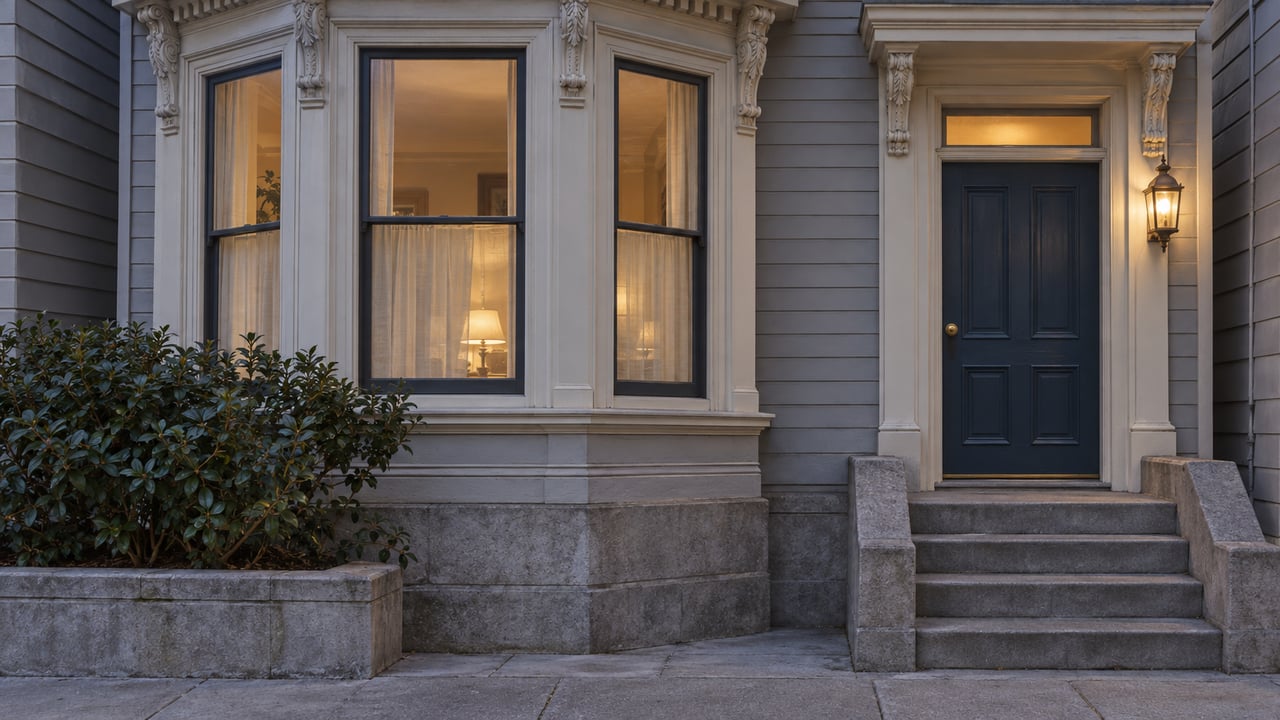
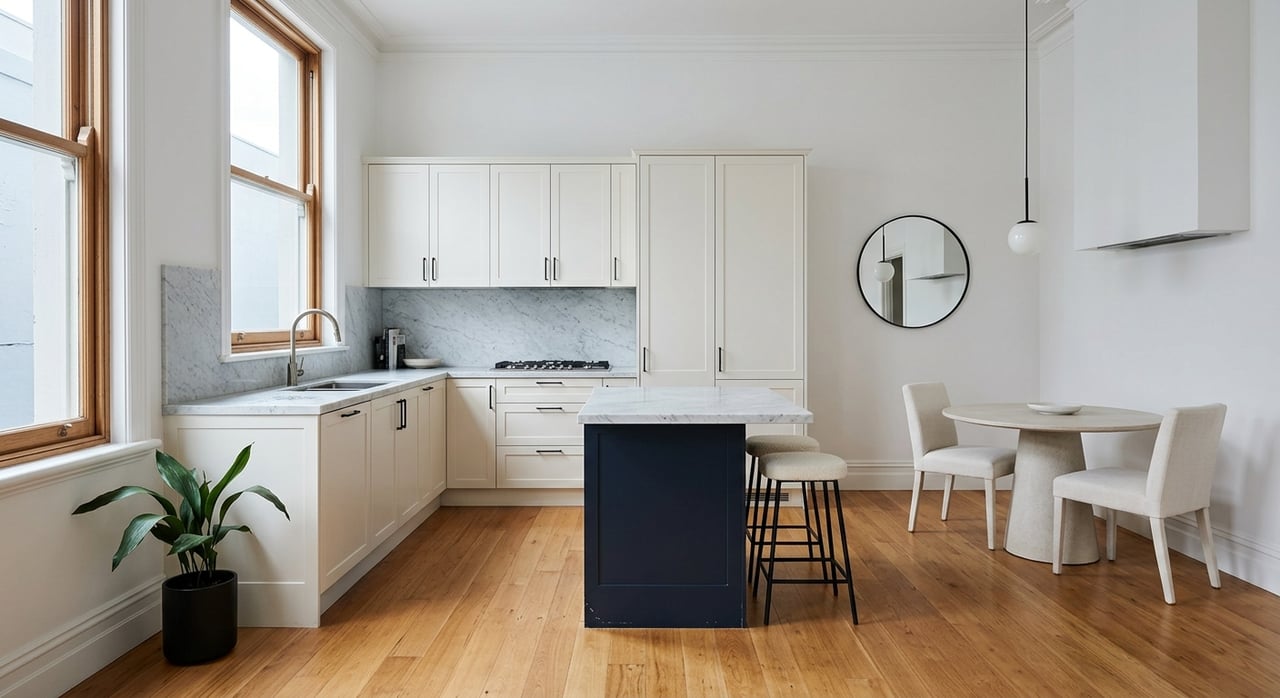
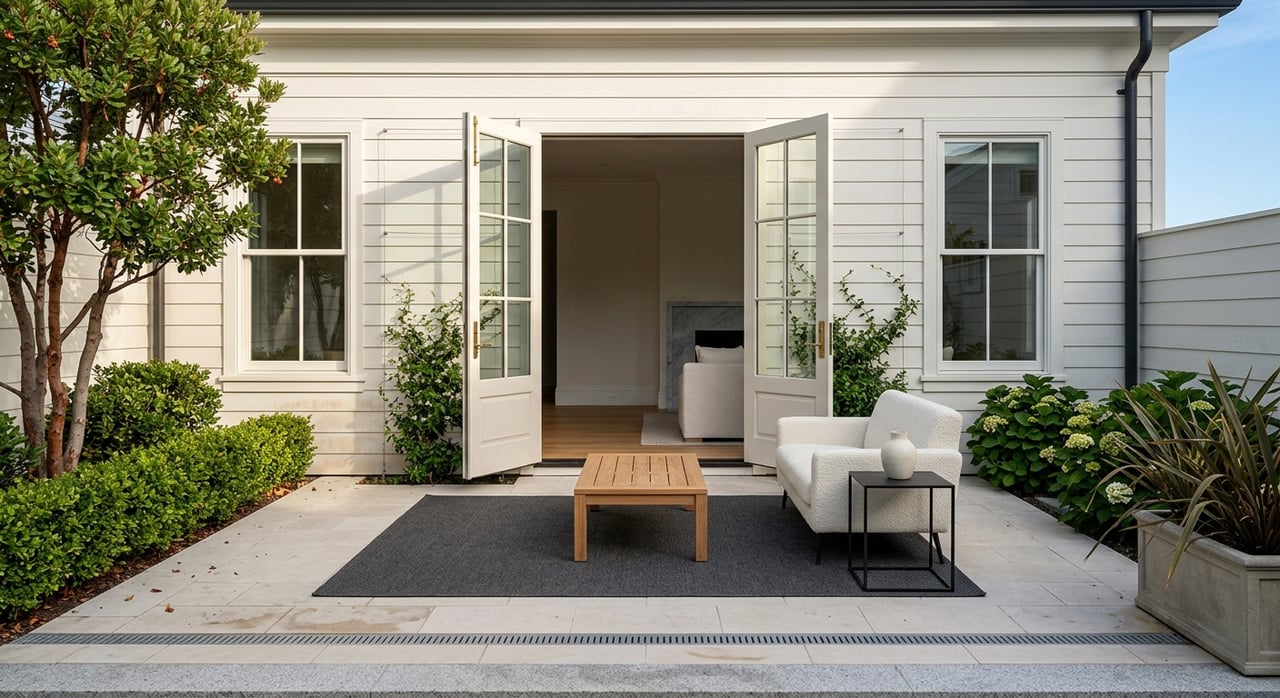
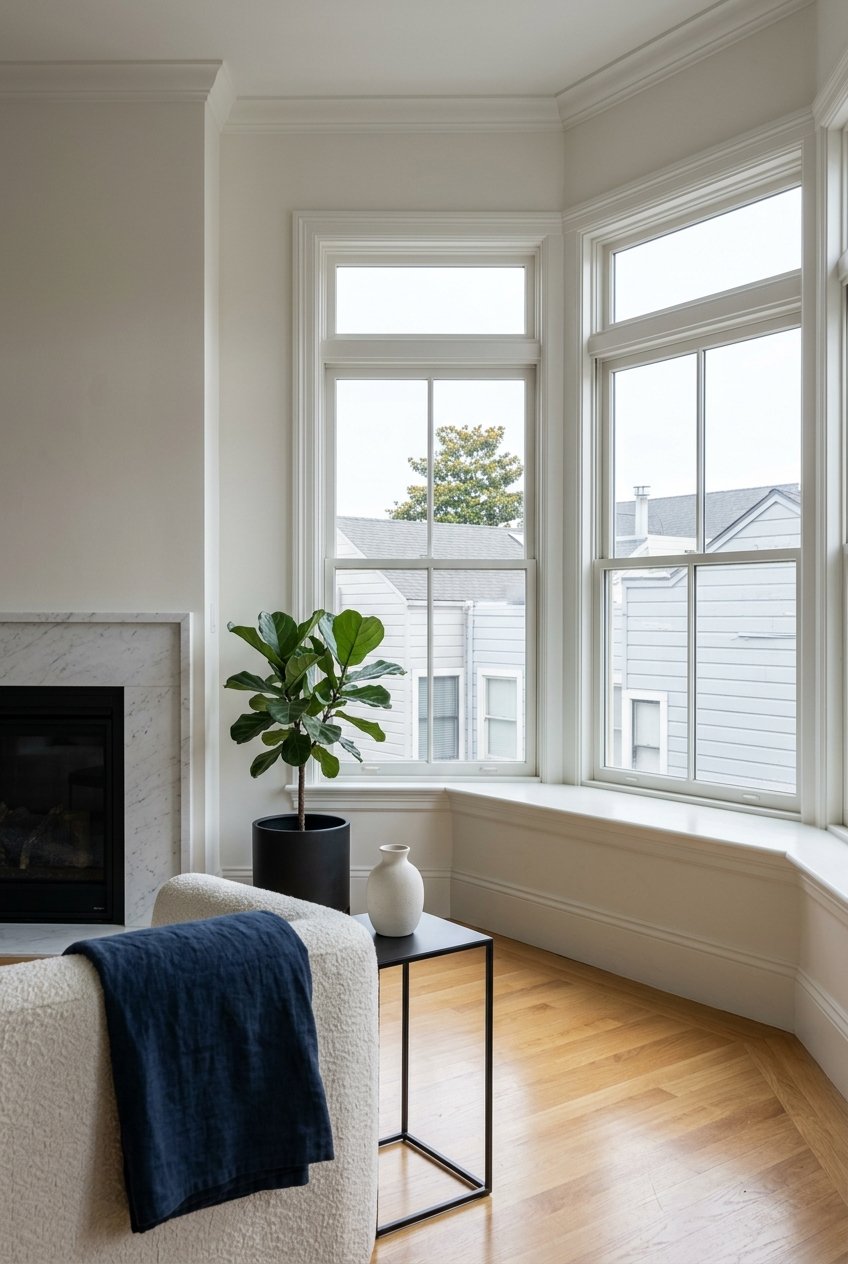
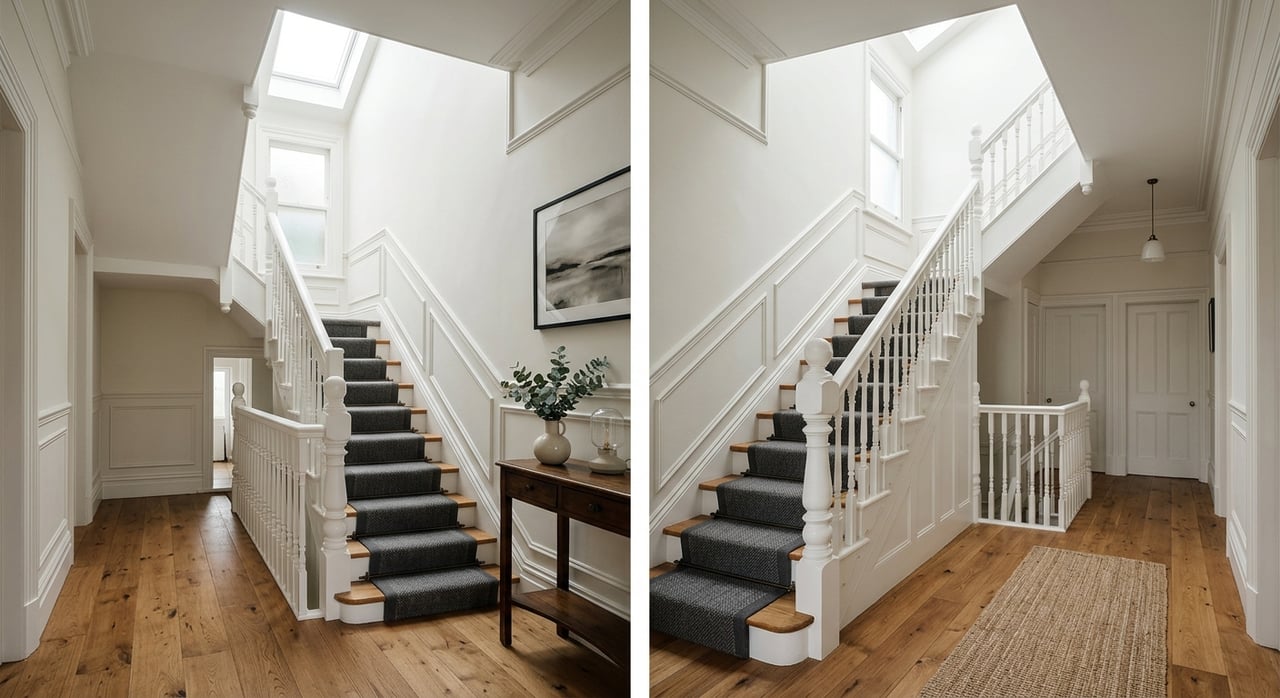
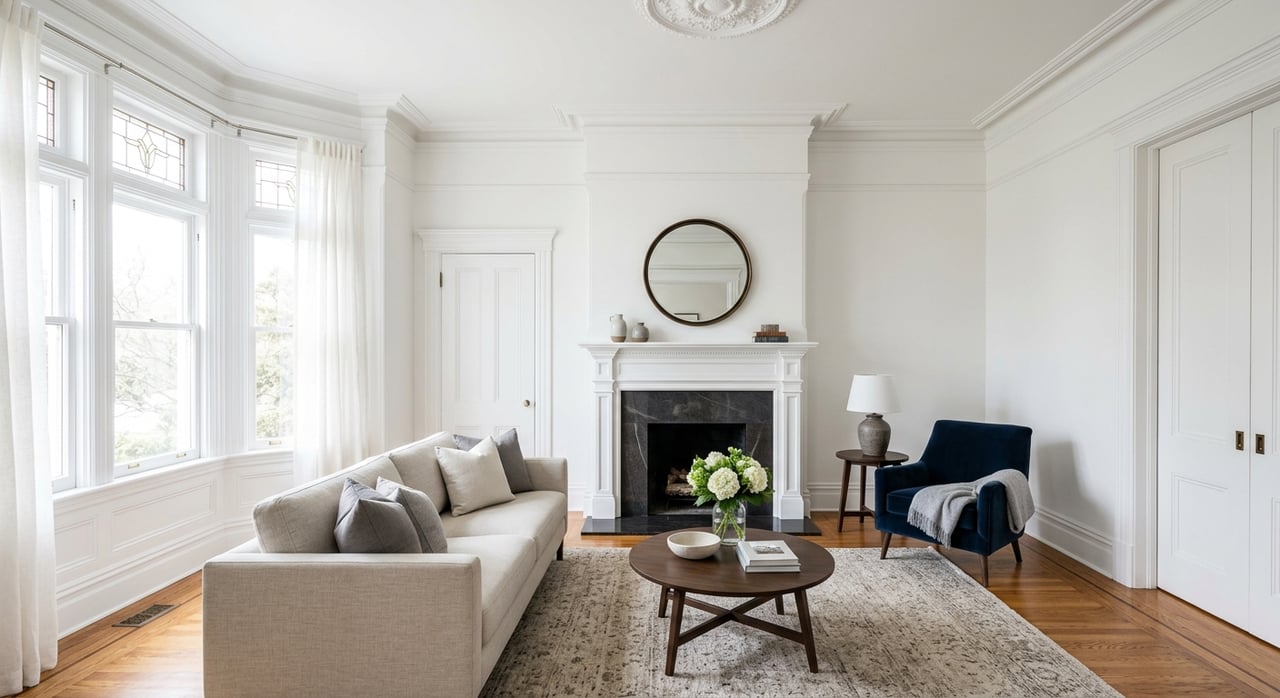
Well-presented units lease faster at stronger effective rents. Light, clean finishes, thoughtful lighting, and quality photography can widen your prospect pool and reduce days on market. A design-led approach to unit refresh and marketing often improves first impressions and renewal odds. If you are preparing a sale, presentation also helps showcase income potential to the next owner.
The bottom line
Potrero Hill offers a compelling mix of steady renter demand, architecturally interesting buildings, and access to major job hubs. Returns depend on how well you underwrite rent control, soft-story obligations, zoning, and location externalities. If you want a second set of eyes on a specific address, local building-level insight and a clear due-diligence process can save you time and protect your basis.
Ready to evaluate a multi-unit, mixed-use, or loft opportunity in Potrero Hill? Connect with Adelaida Mejia for tailored acquisition or disposition guidance backed by design-led marketing and neighborhood expertise.
FAQs
What are typical Potrero Hill rents for apartments?
- Recent snapshots show average asking rent near $4,404 and median rent around $4,520, but confirm with building-specific comps for your unit mix and finish level.
Are Potrero Hill multi-unit buildings covered by SF rent control?
- Many pre-1979 units are fully covered under the Rent Ordinance, while newer units can be treated differently; verify construction date and each unit’s status with the Rent Board.
How do soft-story retrofits impact small buildings?
- If a 5-plus-unit wood-frame building is screened into DBI’s program, plan for engineering, permits, construction budget, and tenant coordination, then model schedule risk and pass-through timing.
What changed with the Family Zoning Plan in 2026?
- The plan modified base zoning and heights on select corridors; check if your parcel now allows more density or different uses, which can affect long-term value and exit options.
Are live-work lofts in Potrero Hill rent-stabilized?
- Treatment depends on conversion history and certificate of occupancy; some may be exempt in narrow circumstances, so confirm classification for each unit before underwriting.
How does freeway proximity affect leasing in Potrero Hill?
- Proximity improves Peninsula access but can increase noise and near-highway pollution; renters may discount affected units, so price accordingly and highlight quieter exposures.