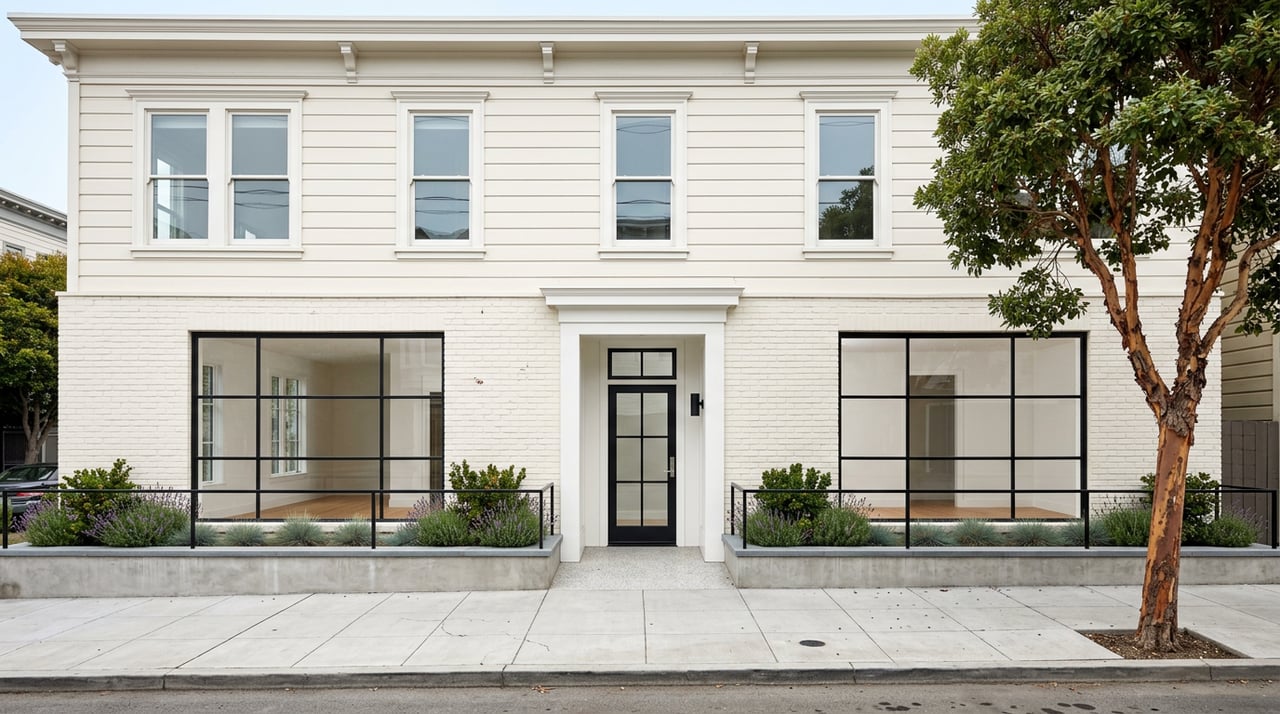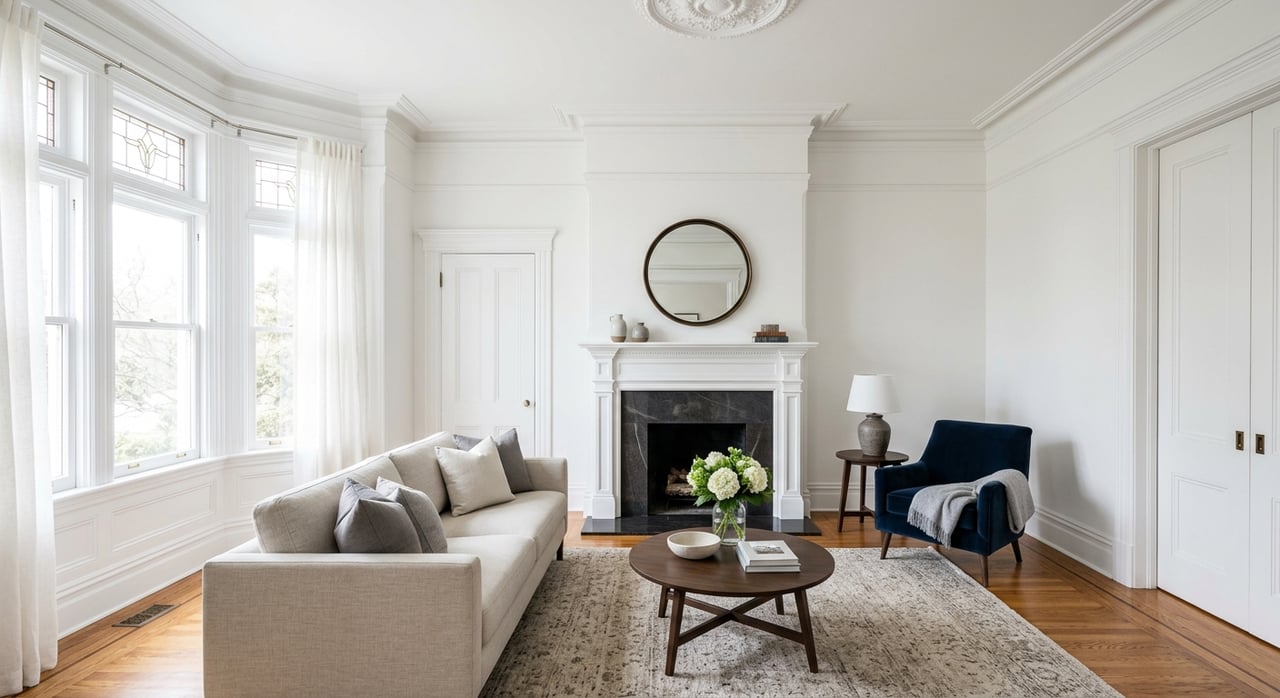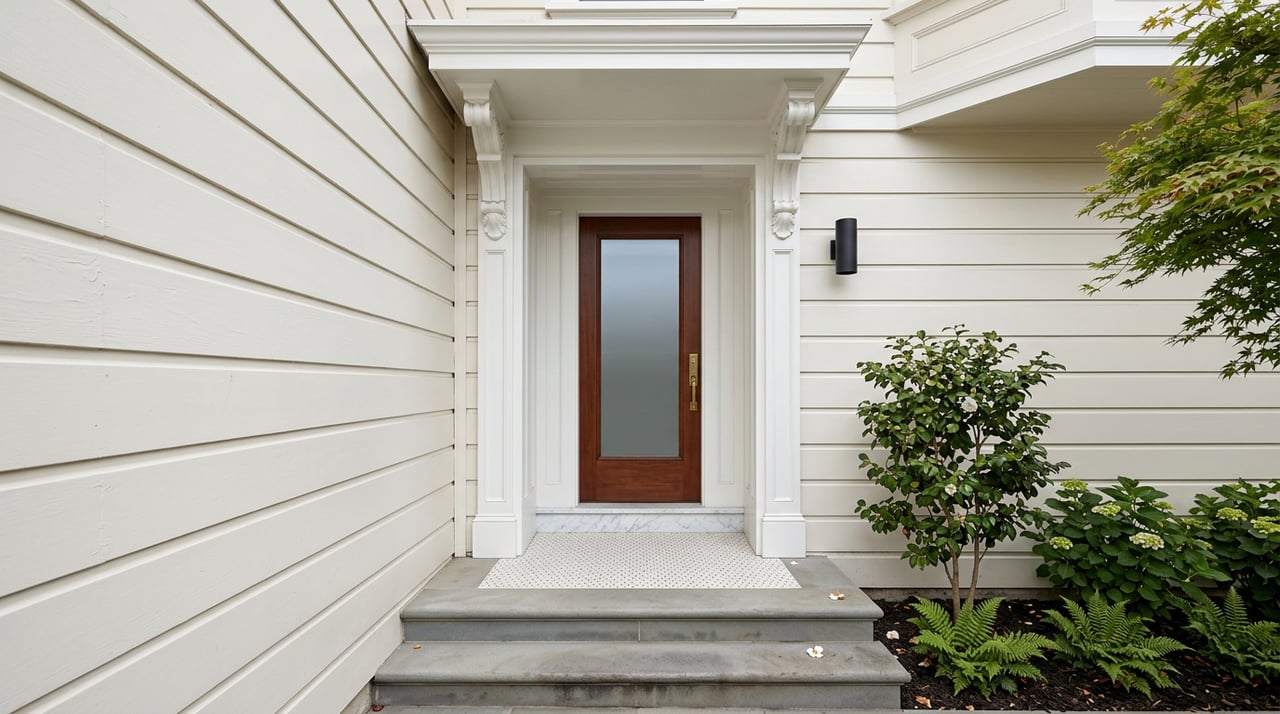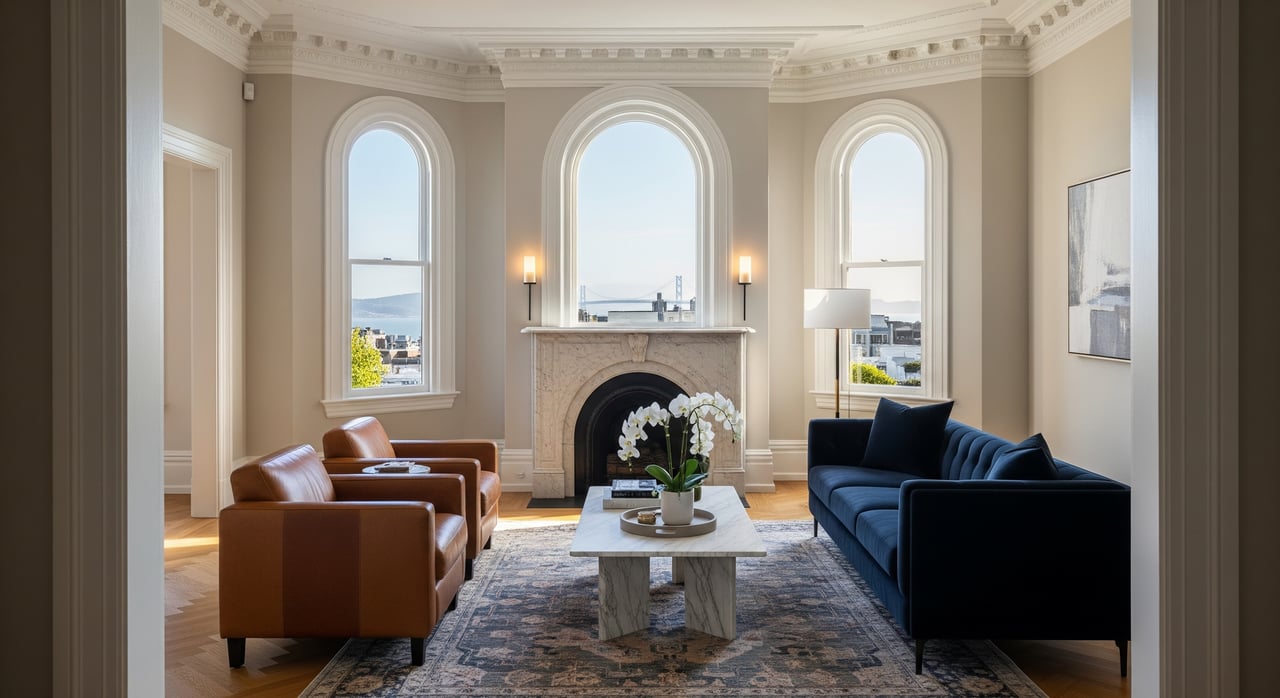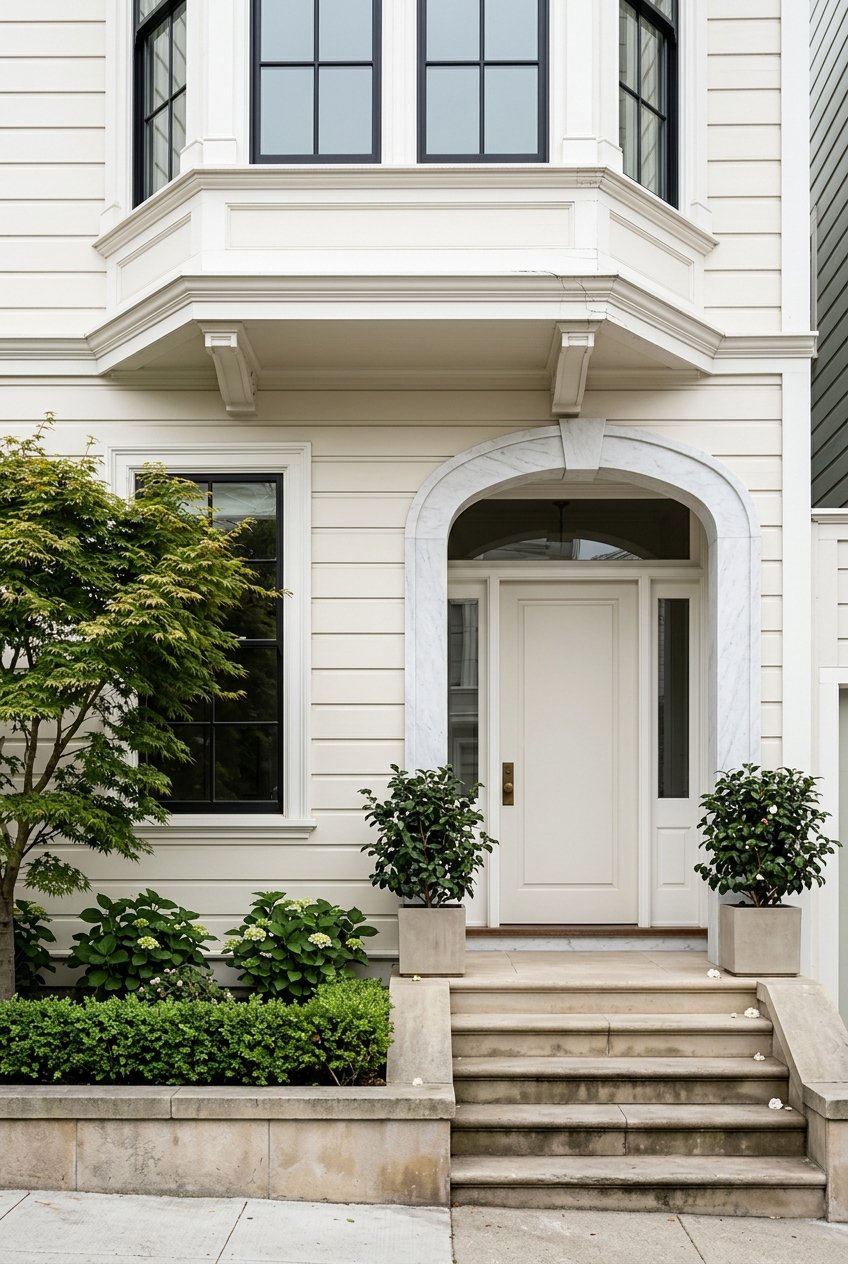
If you have ever walked through Pacific Heights and wondered why one block feels richly ornate while the next feels calm, classical, or surprisingly modern, you are noticing one of the neighborhood’s biggest strengths. Pacific Heights is not defined by just one housing type, and that can make buying or selling here both exciting and more nuanced. When you understand the area’s architectural styles, you can read a home more clearly, ask better questions on tours, and make smarter decisions about value, livability, and future updates. Let’s dive in.
Why architecture matters in Pacific Heights
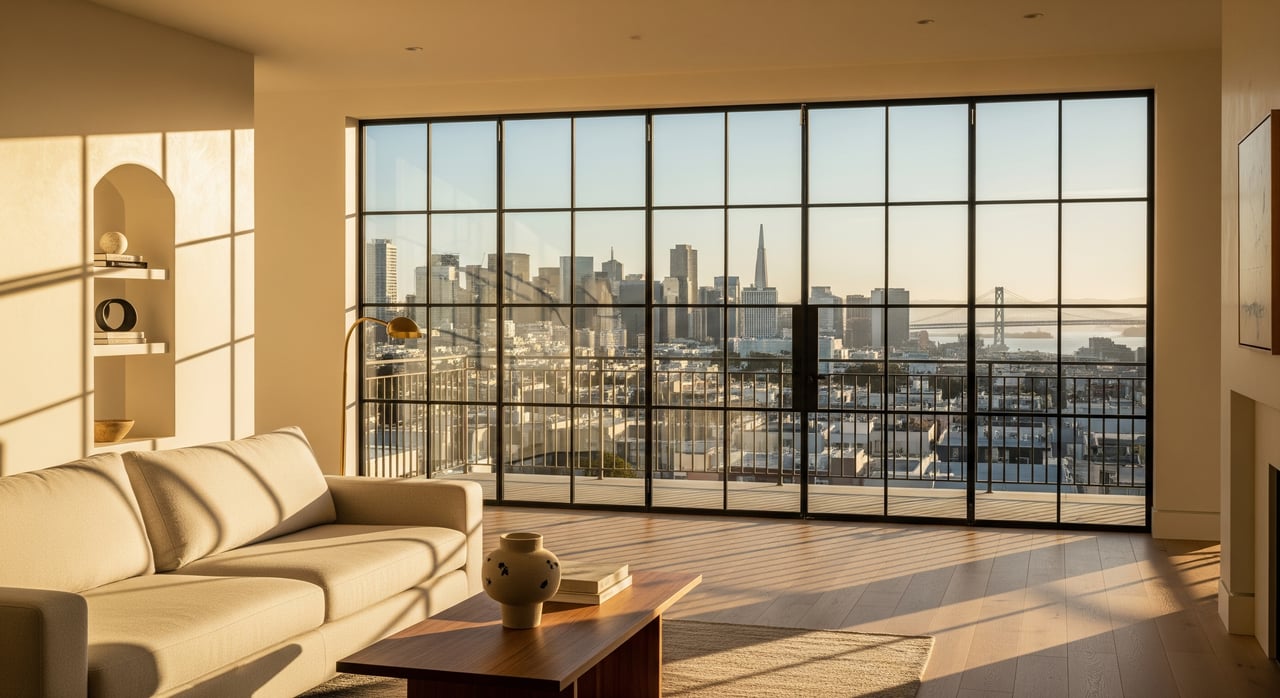
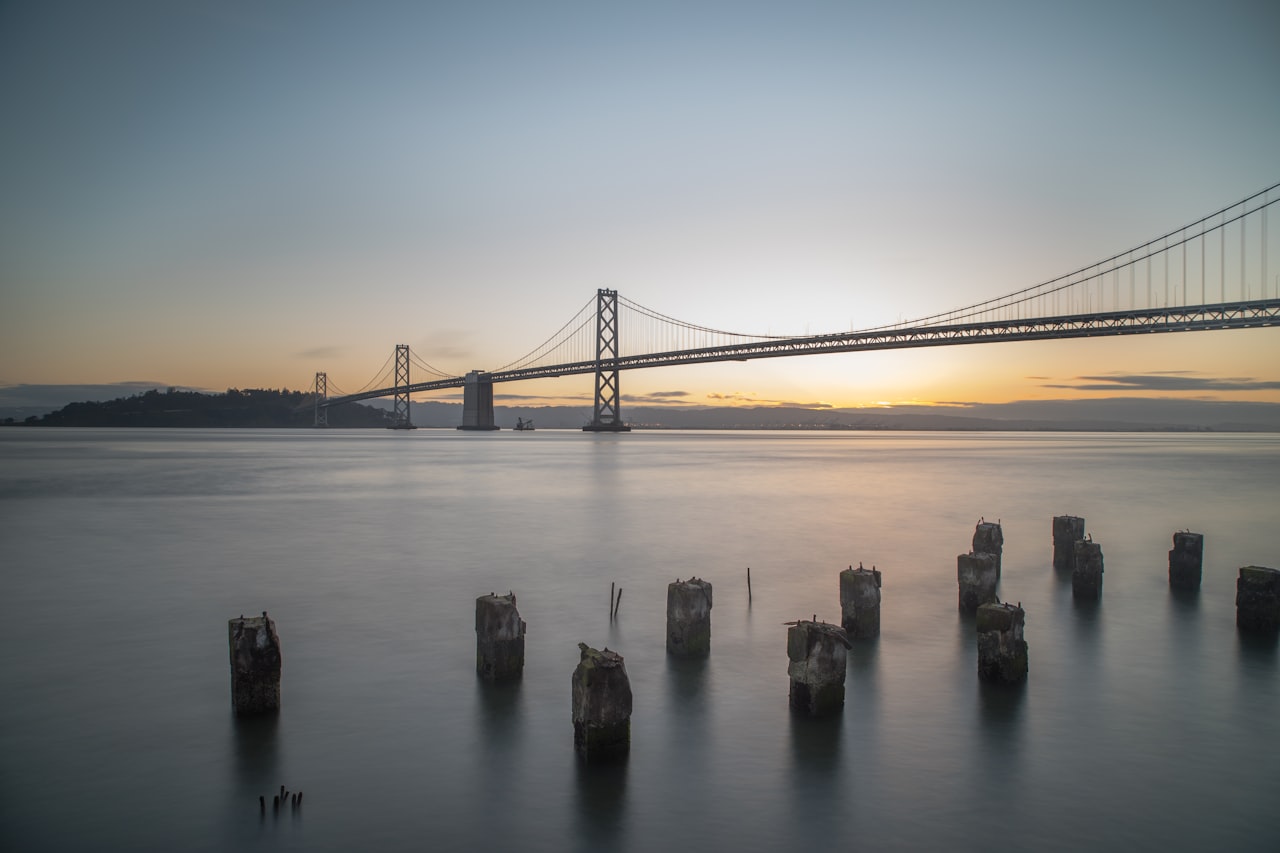
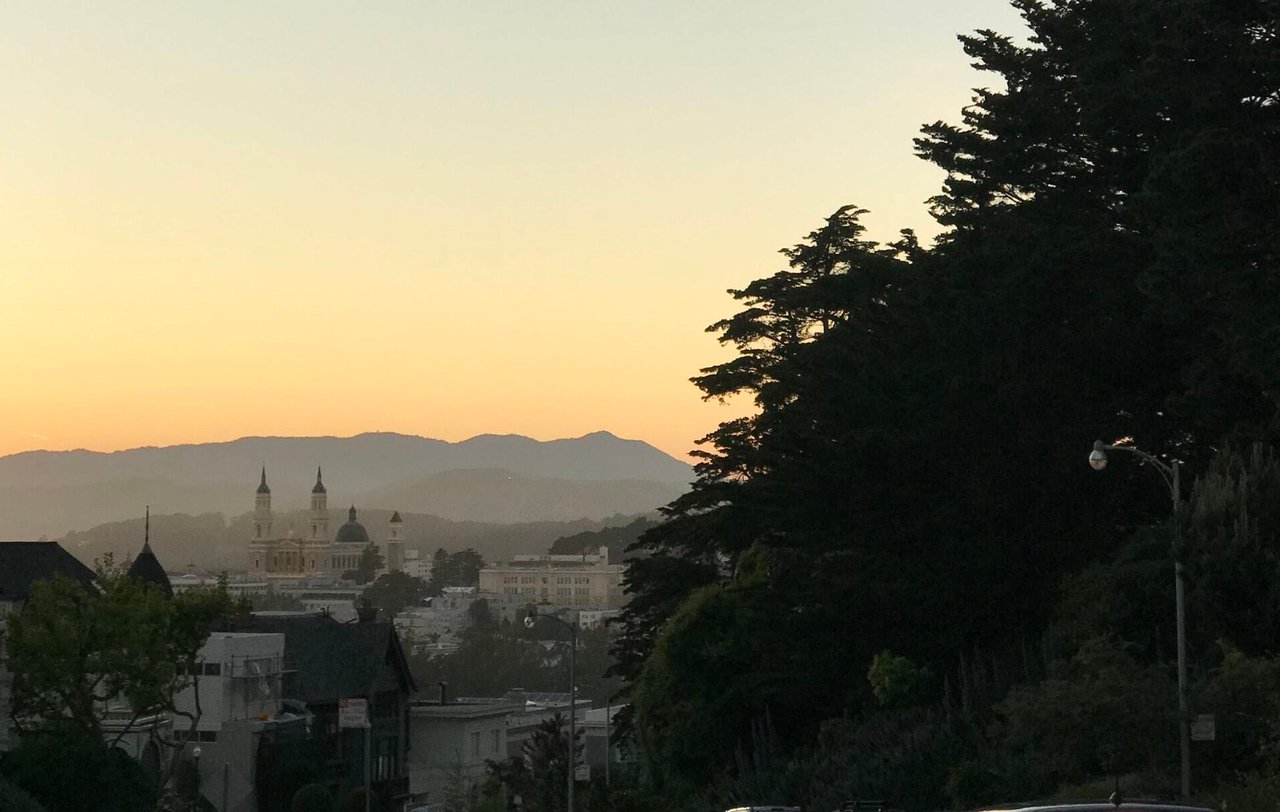
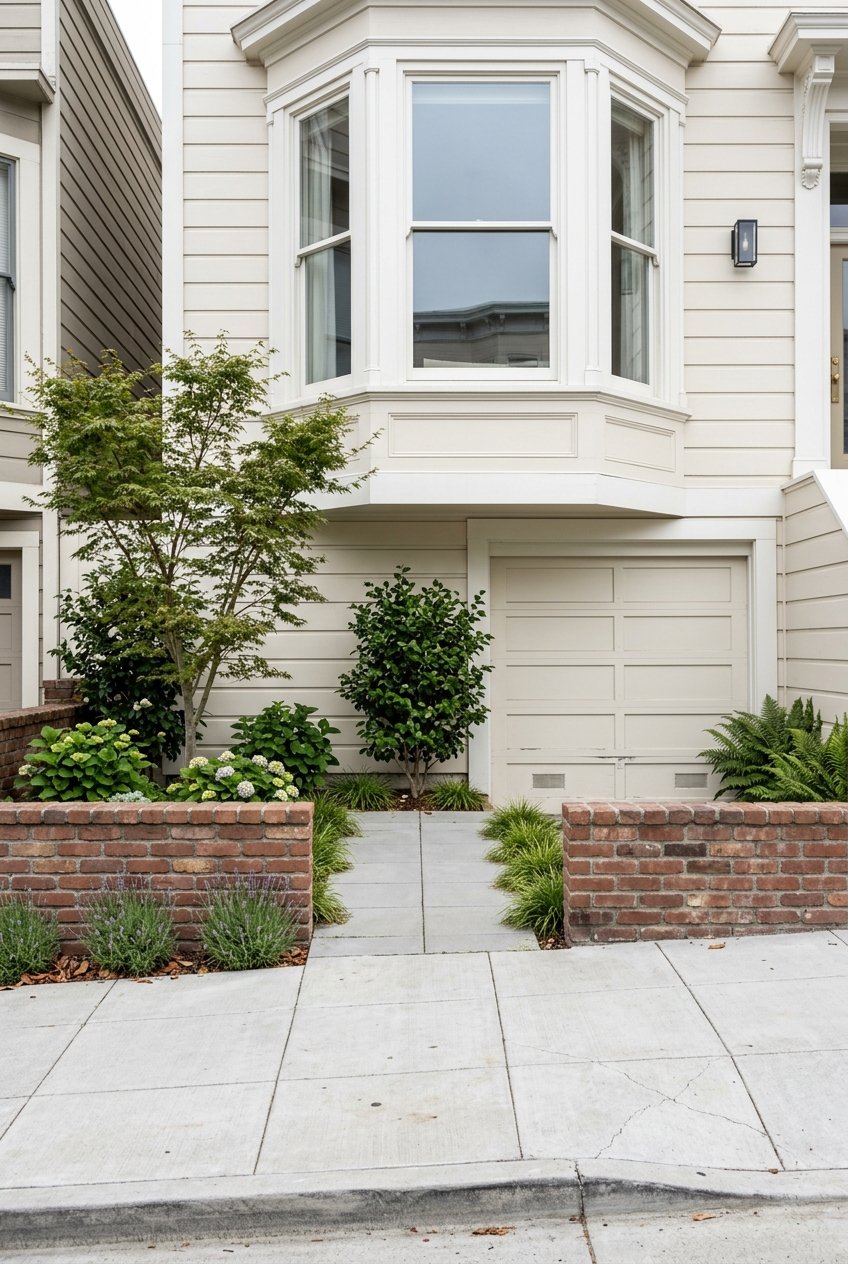
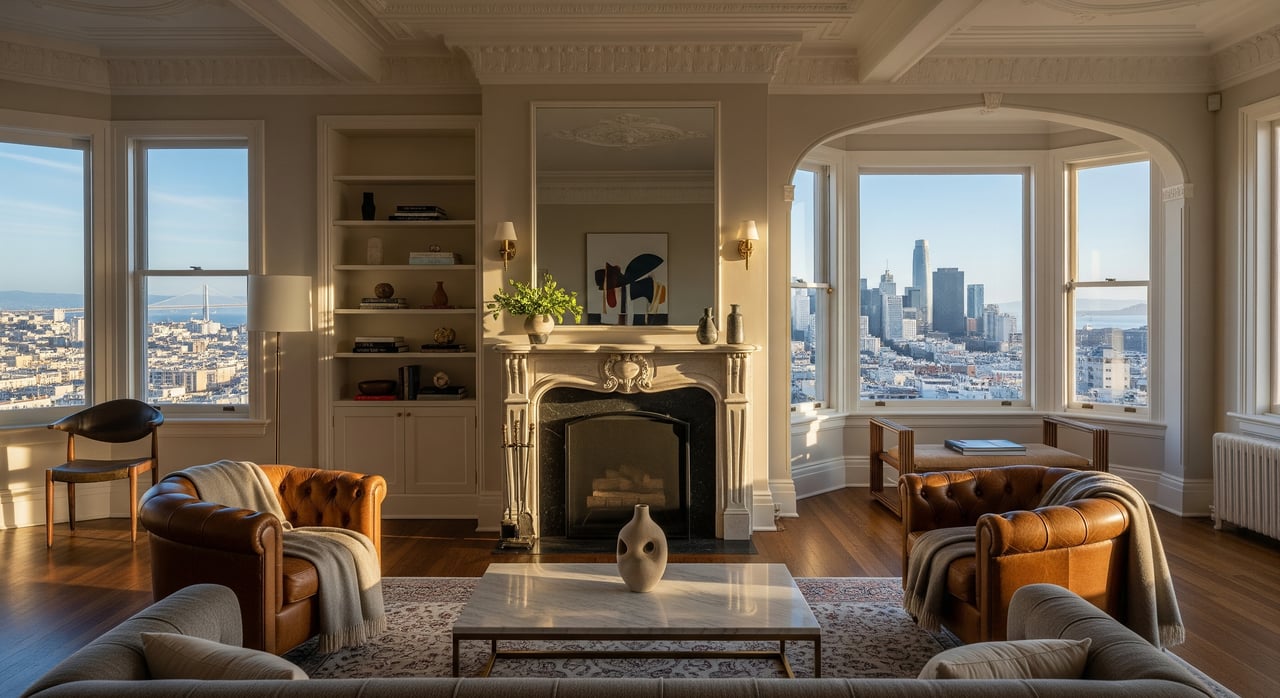
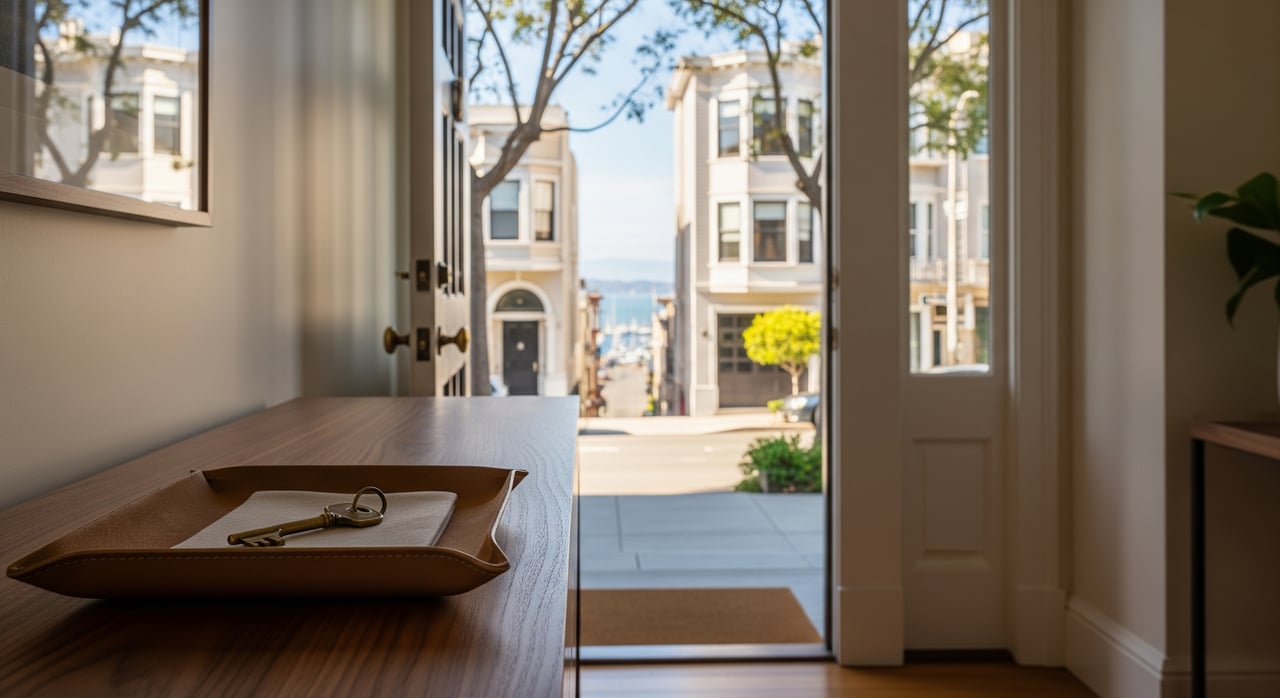
Pacific Heights sits on a north-slope ridge, and that setting shapes how homes look and feel. San Francisco Planning describes the neighborhood as a place of spacious and distinguished residences, rich materials, notable architects, and strong Victorian examples, with Bay views opening down streets and landscaped setbacks, stairs, fences, and paving patterns contributing to the streetscape.
For you as a buyer or seller, that means architecture here is not just about curb appeal. It affects light, floor plan flow, renovation options, and how a home fits into its block. In Pacific Heights, proportions, rooflines, and visible exterior changes often matter just as much as square footage.
Pacific Heights has a layered housing stock
One of the most important things to know is that Pacific Heights includes a broad mix of architectural styles. Planning records for the Pacific Heights Historic District describe a period of significance from roughly 1895 to 1930, with late-Victorian Queen Anne, Shingle, Arts & Crafts, Classical Revival, Colonial Revival, Tudor Revival, French Provincial, and Mediterranean Revival buildings all part of the mix.
That variety shows up in practical ways. On the same street, you may see very different façade compositions, window patterns, room layouts, and levels of renovation flexibility. For buyers, that means two homes with similar size or location can live very differently.
Victorian homes in Pacific Heights
What defines a Victorian home
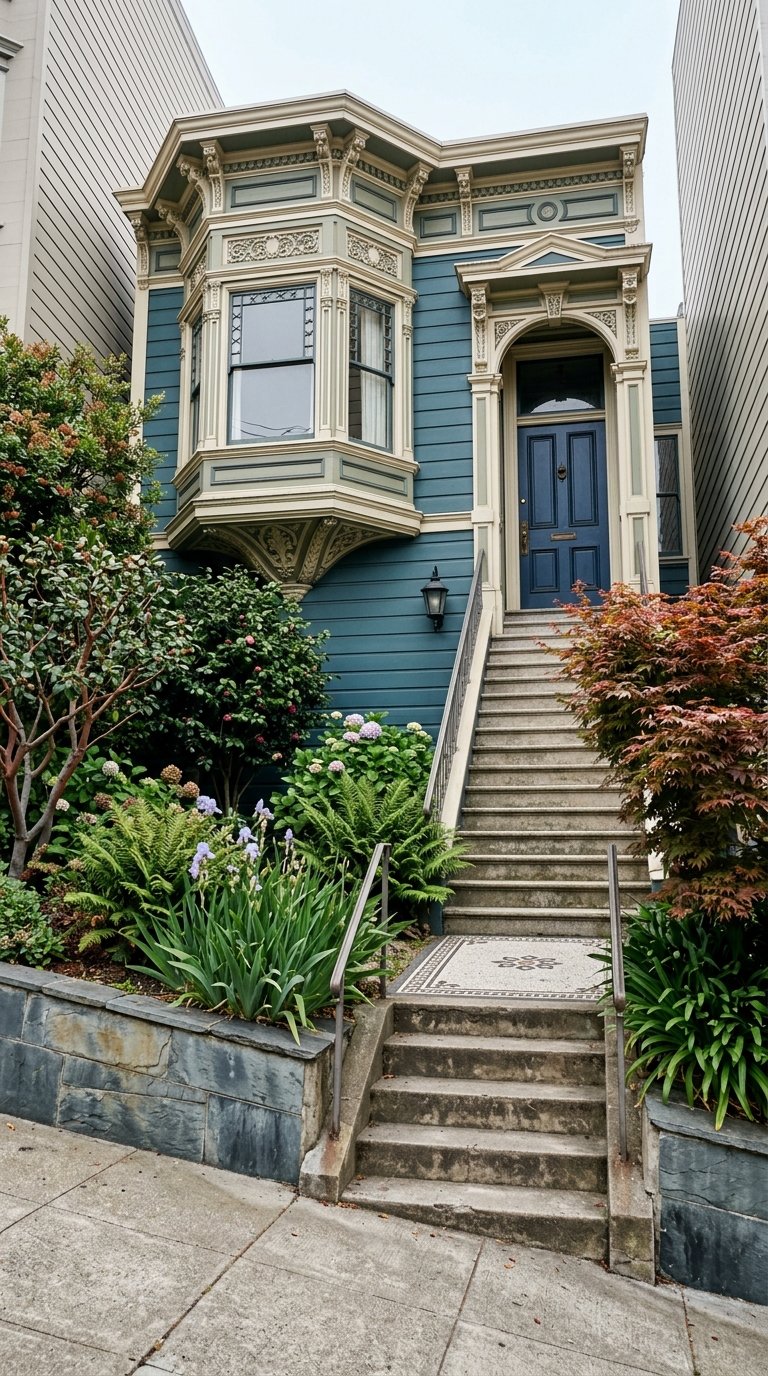
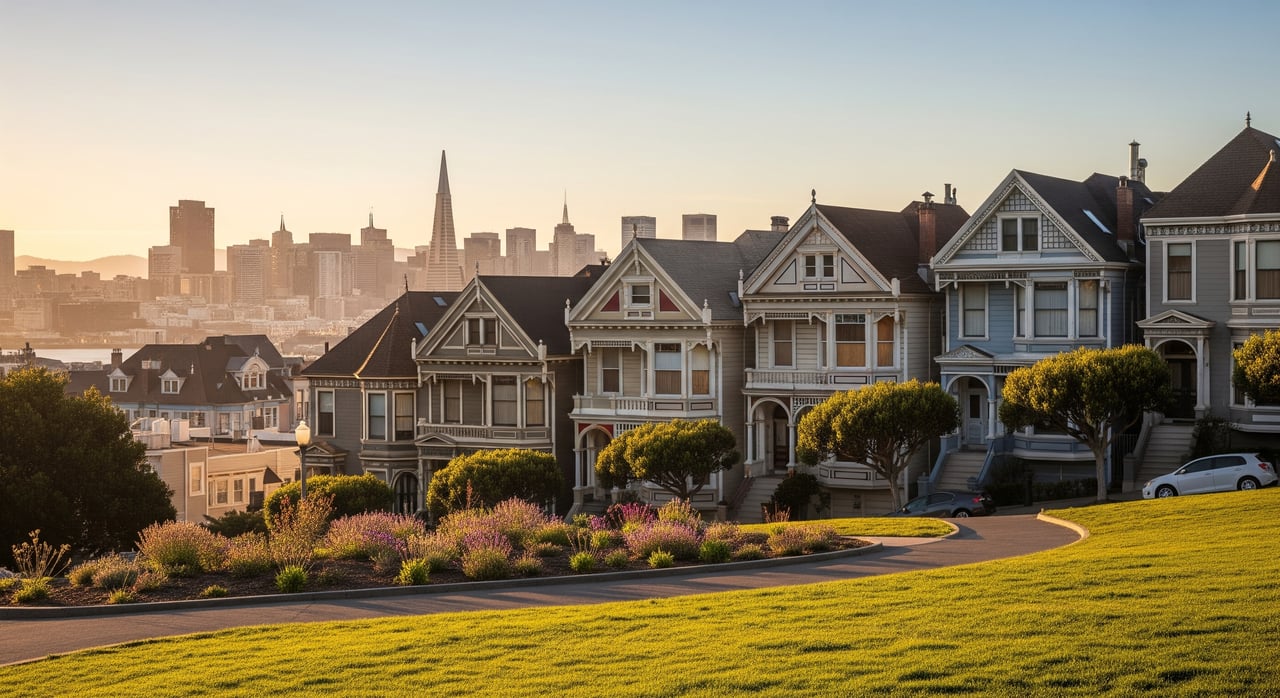
Victorian homes, especially Queen Anne examples, are among the most recognizable properties in Pacific Heights. They are often asymmetrical and highly articulated, with features like wraparound porches, turrets, intersecting gables, varied exterior materials, multi-paned or stained-glass windows, and spindlework at porches and entries.
A local benchmark is the Haas-Lilienthal House, built in 1886 and described by San Francisco Heritage as a fully preserved Queen Anne Victorian with elaborate wooden gables, a circular corner tower, and luxuriant ornamentation. It is a helpful reference point for understanding the level of detail this style can carry.
How Victorian homes tend to live
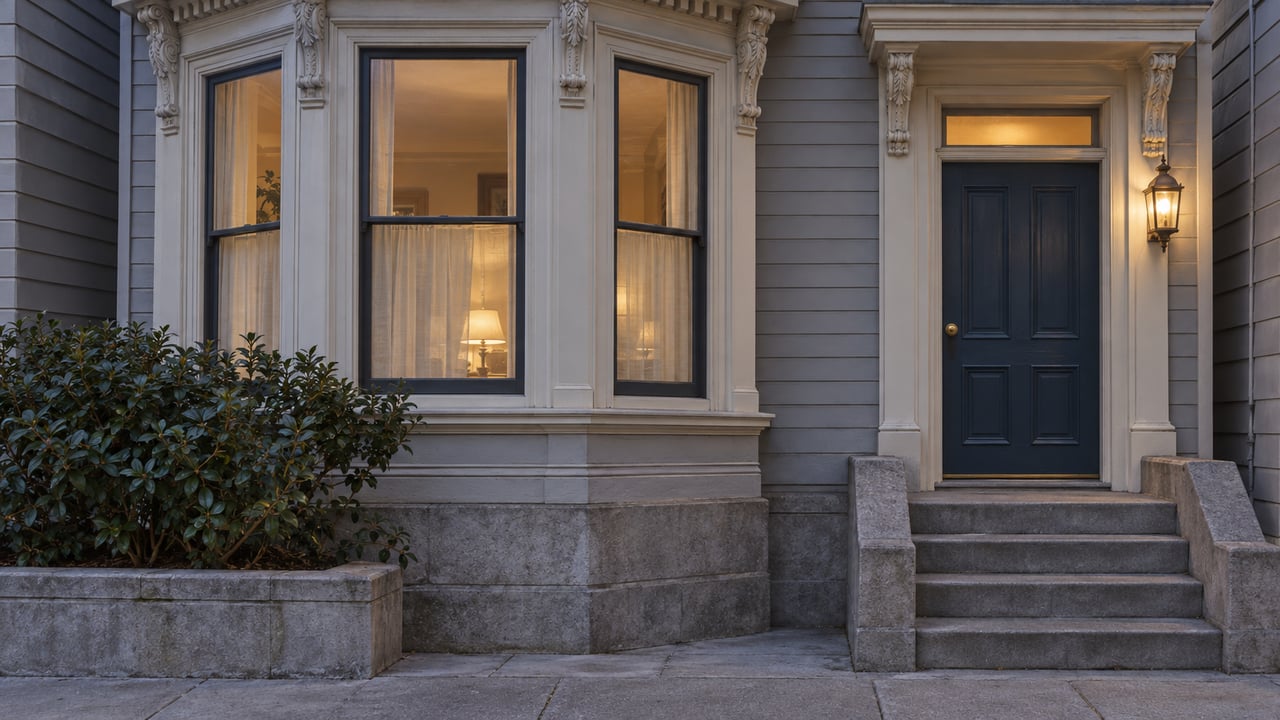
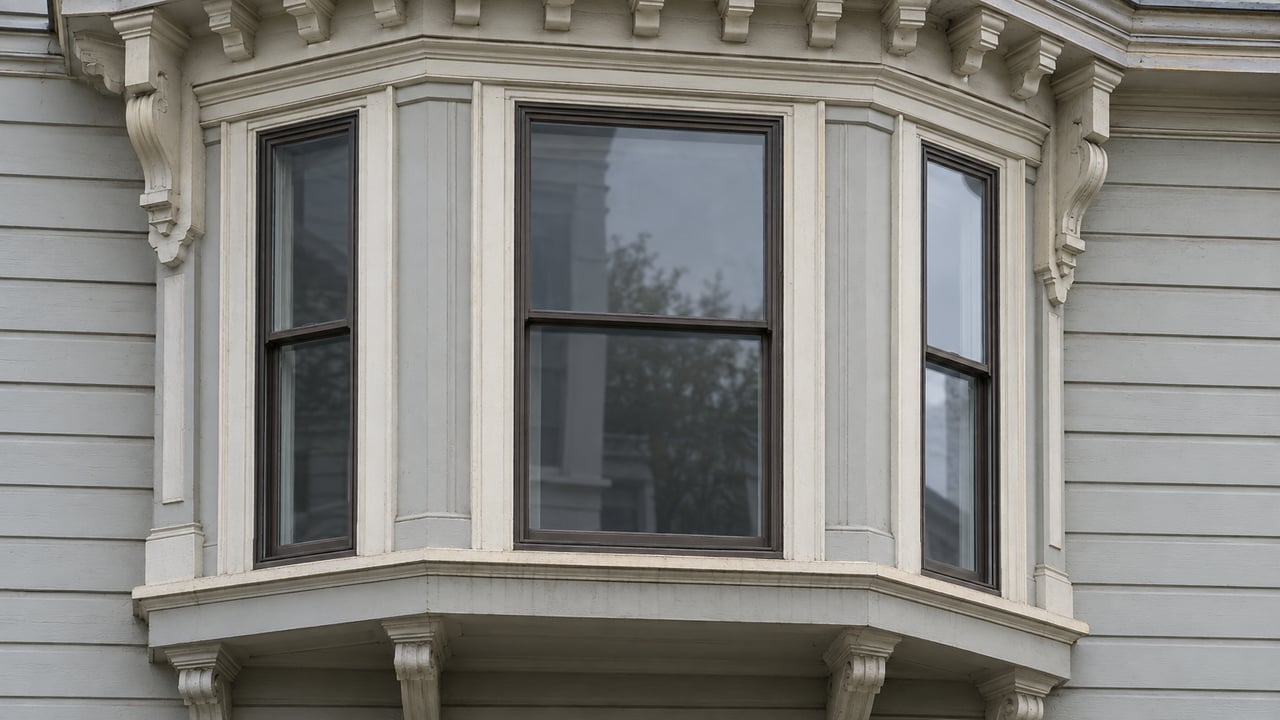
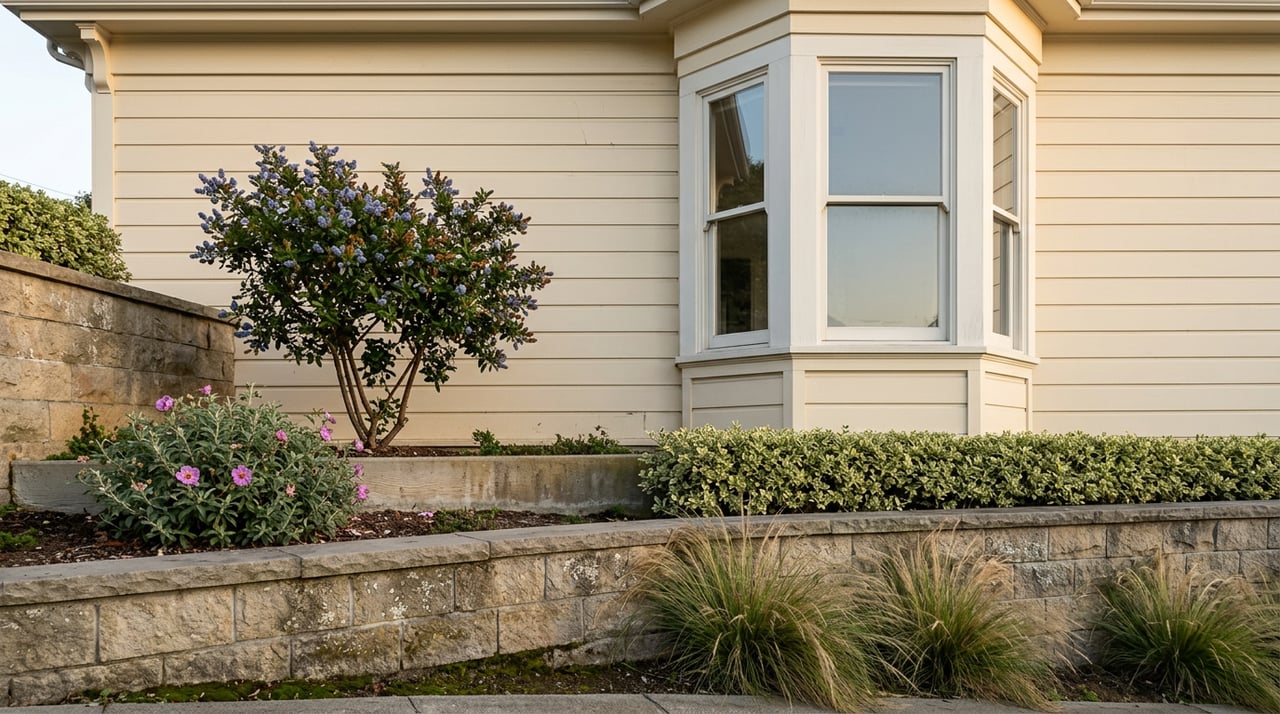
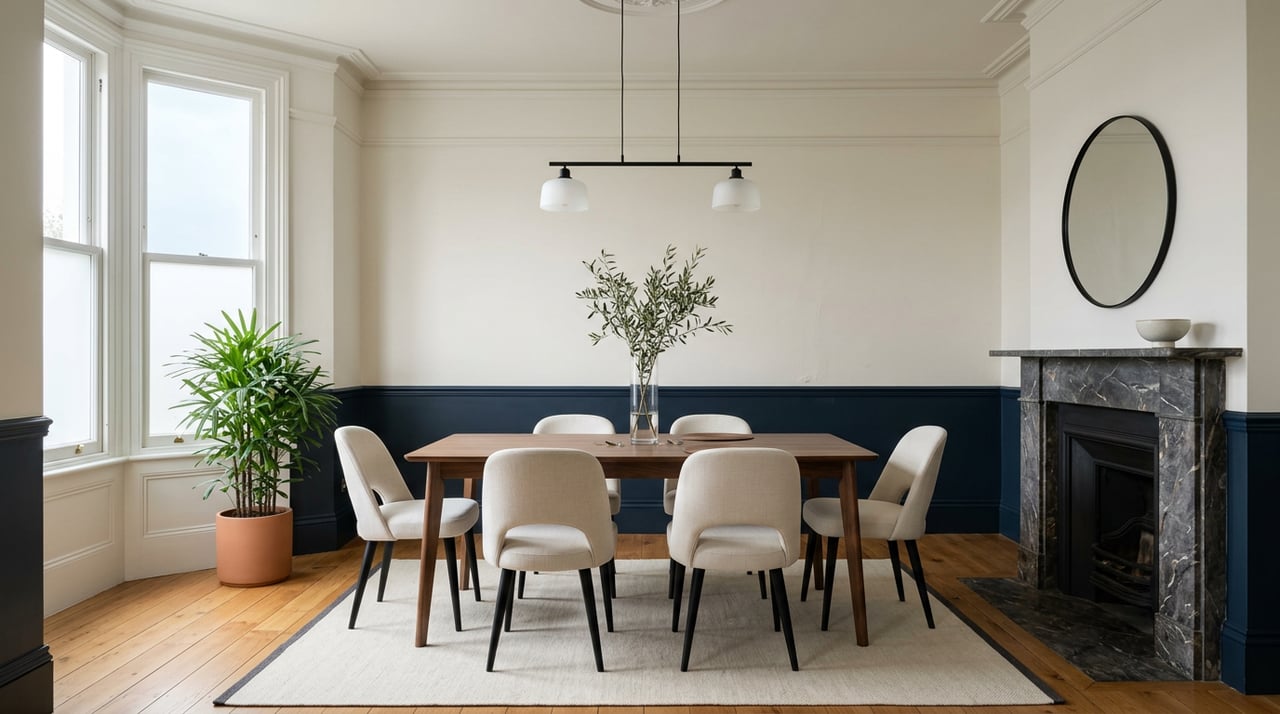
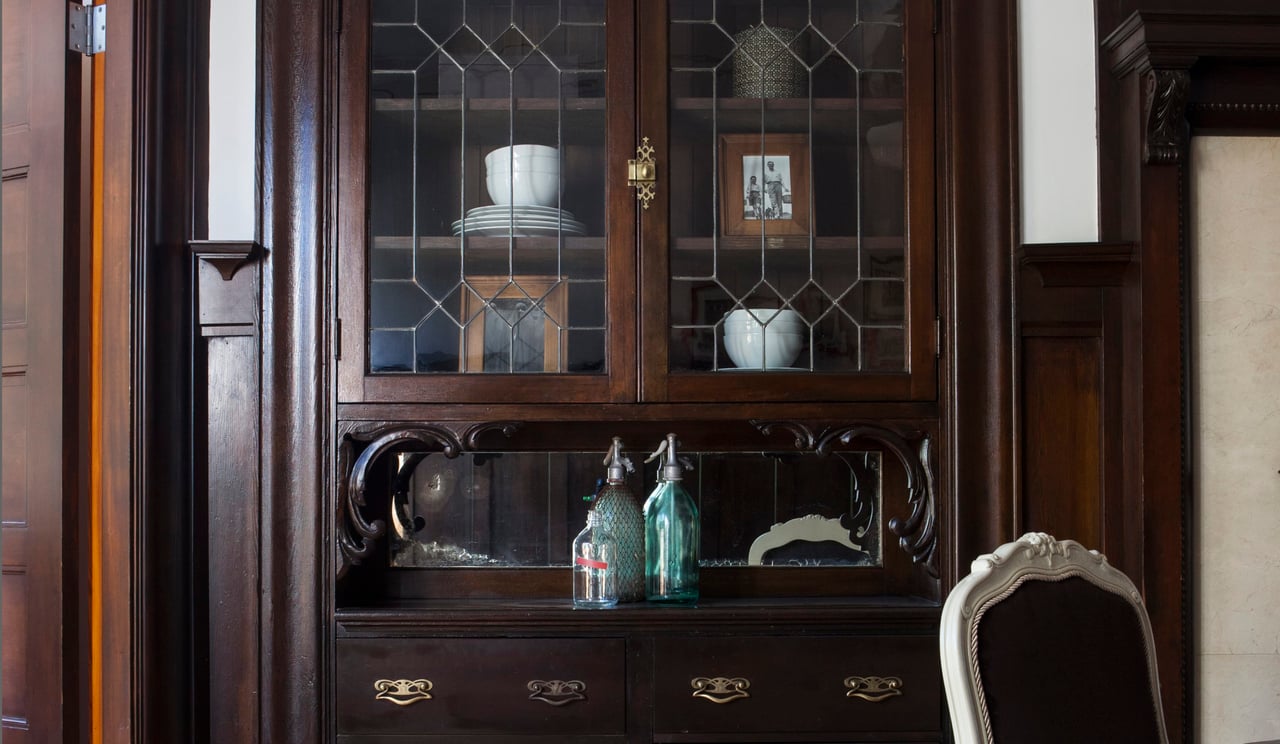
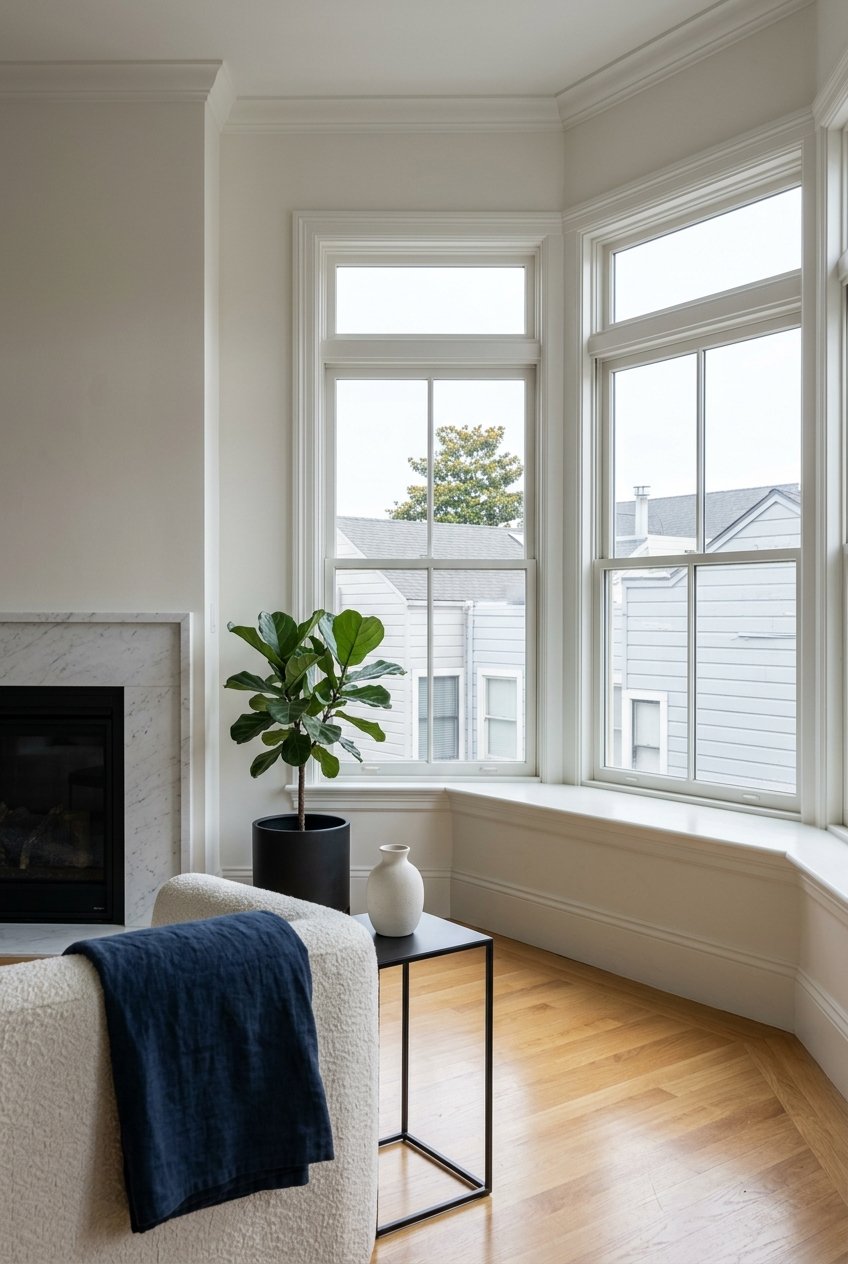
When you tour a Victorian in Pacific Heights, pay attention to the front stair, bay-window depth, original wood trim, and ceiling height. These homes often reveal themselves through layers of detail rather than one large open space.
Many also retain a more room-by-room feel instead of a fully open plan. For some buyers, that reads as warmth, craftsmanship, and period identity. For others, it means thinking carefully about how daily living, entertaining, and furniture placement will work.
What to know about changes and permits
Victorian homes can be incredibly special, but they also tend to be more sensitive to alteration. In San Francisco, exterior changes such as additions, dormers, decks, garage work, and façade changes are reviewed during the permit process.
If a home is in an Article 10 Historic District or is a designated landmark, a Certificate of Appropriateness is required for exterior alterations. In practical terms, that means your renovation vision should always be matched with early due diligence about historic status and review requirements.
Edwardian and revival-style homes
What Edwardian means in San Francisco
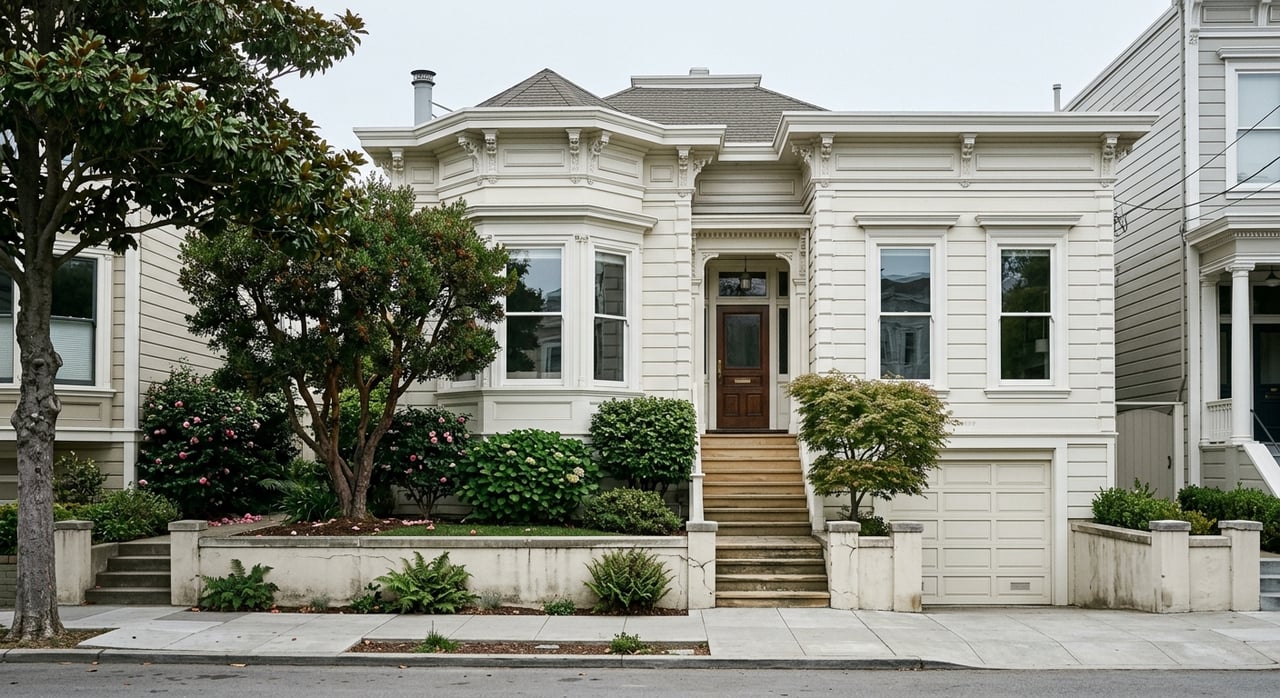
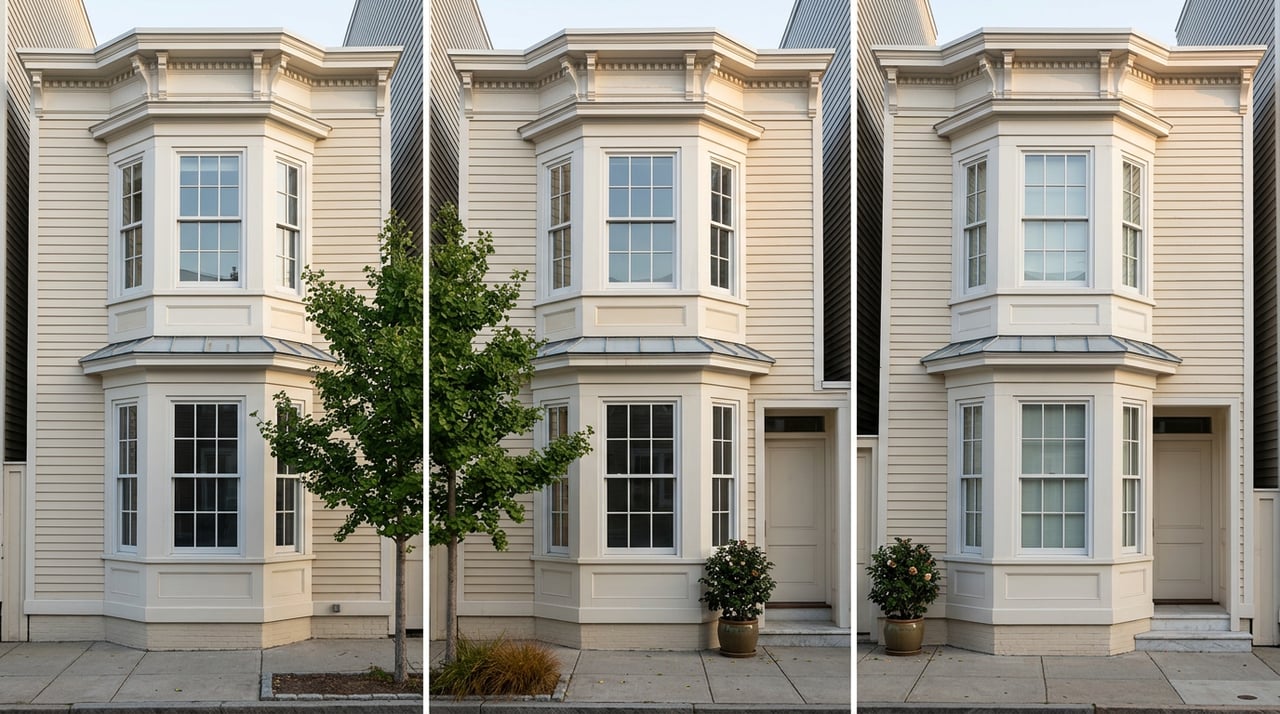
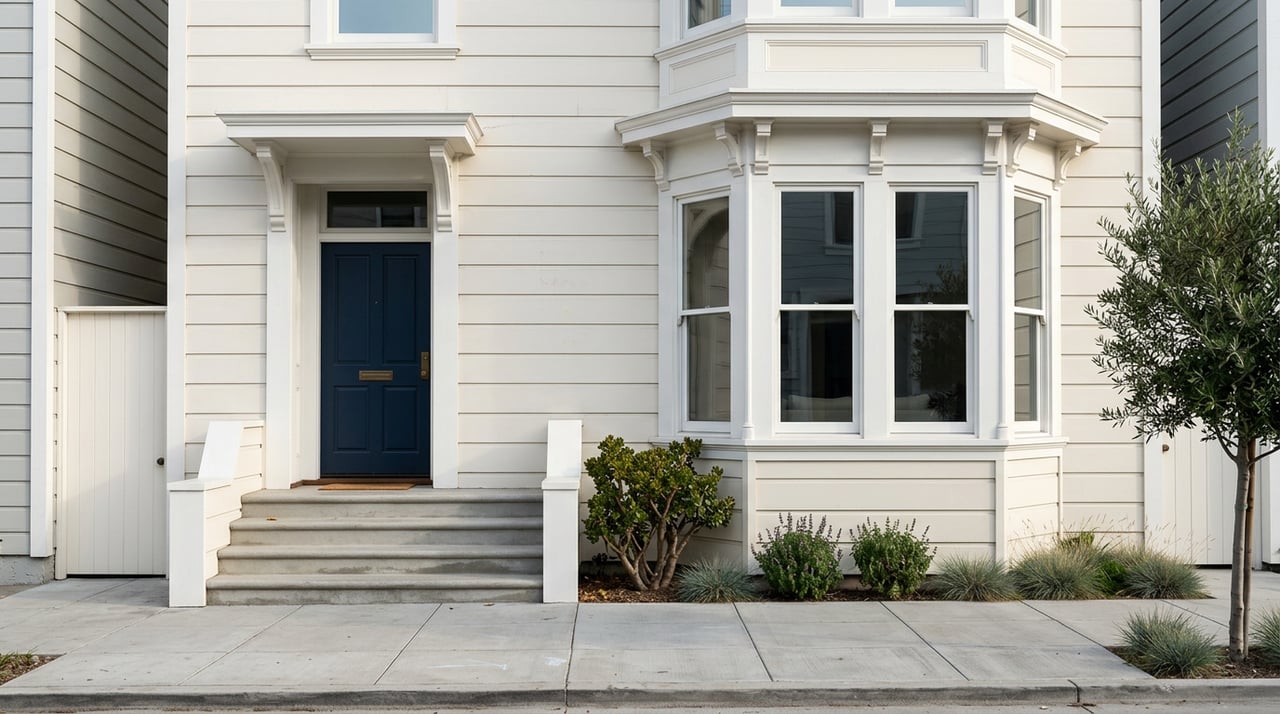
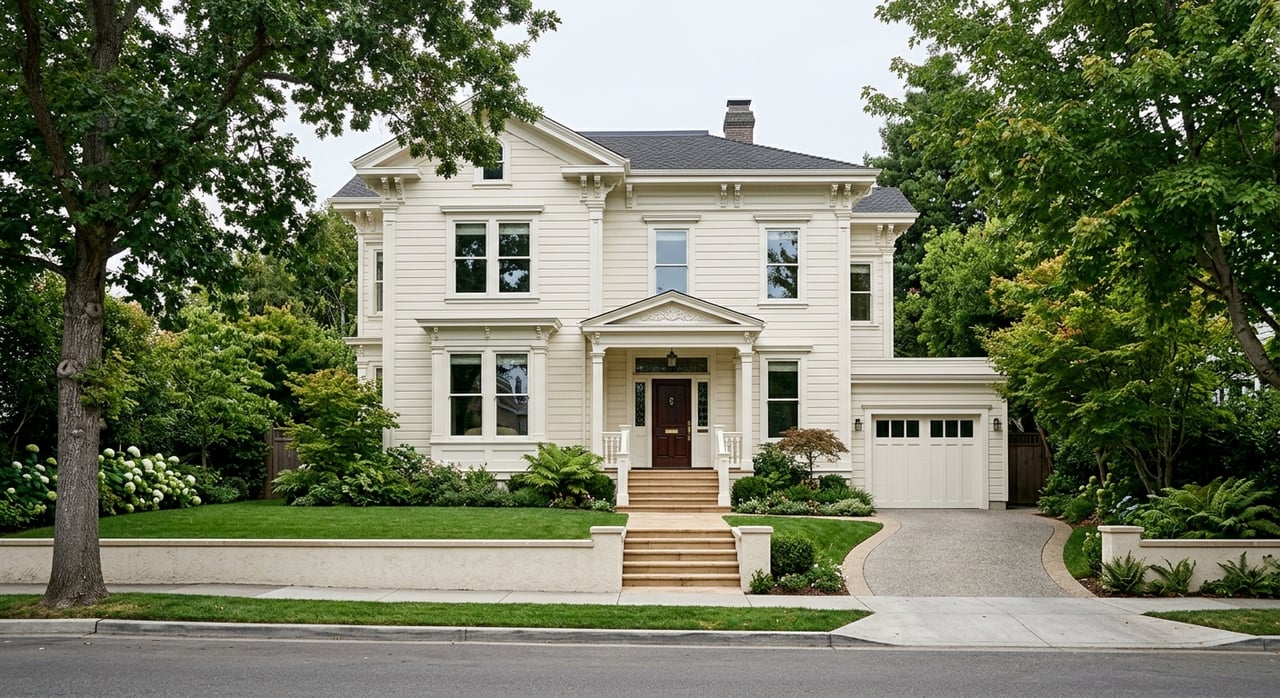
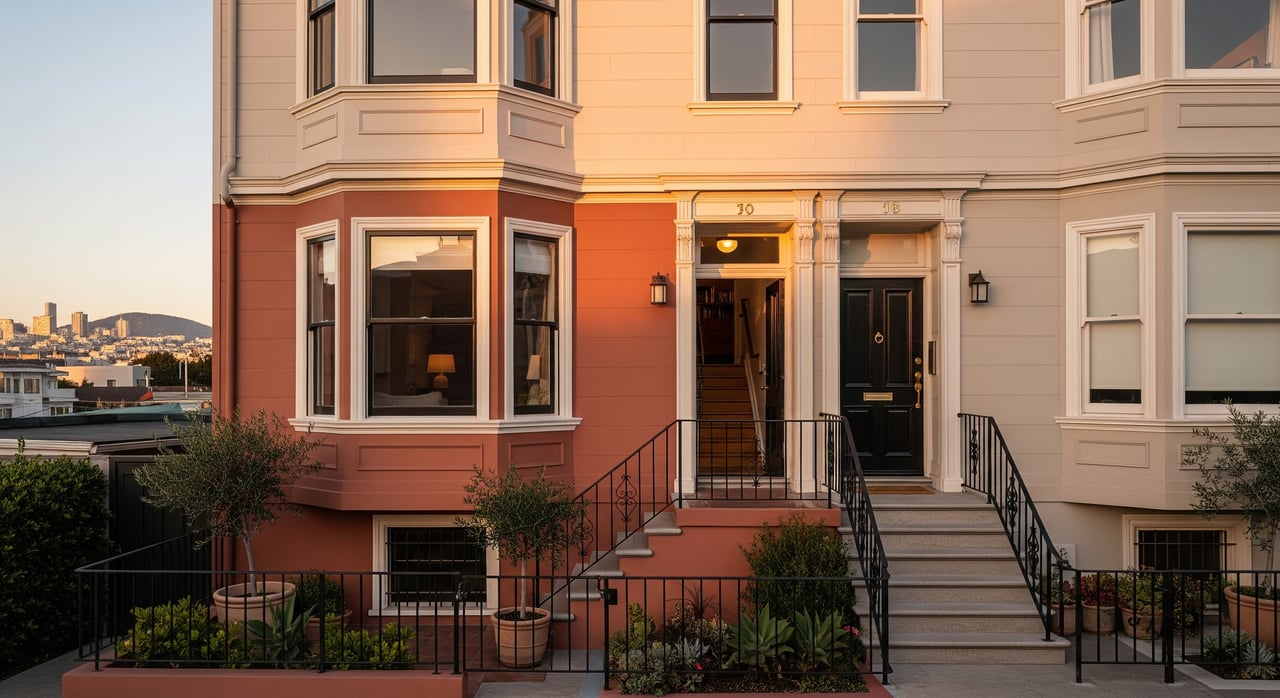
In San Francisco, Edwardian architecture generally refers to the early-1900s period around 1900 to 1910. It combines Renaissance or Neo-classical forms with some Gothic elements and is often more restrained than the Victorian style that came before it.
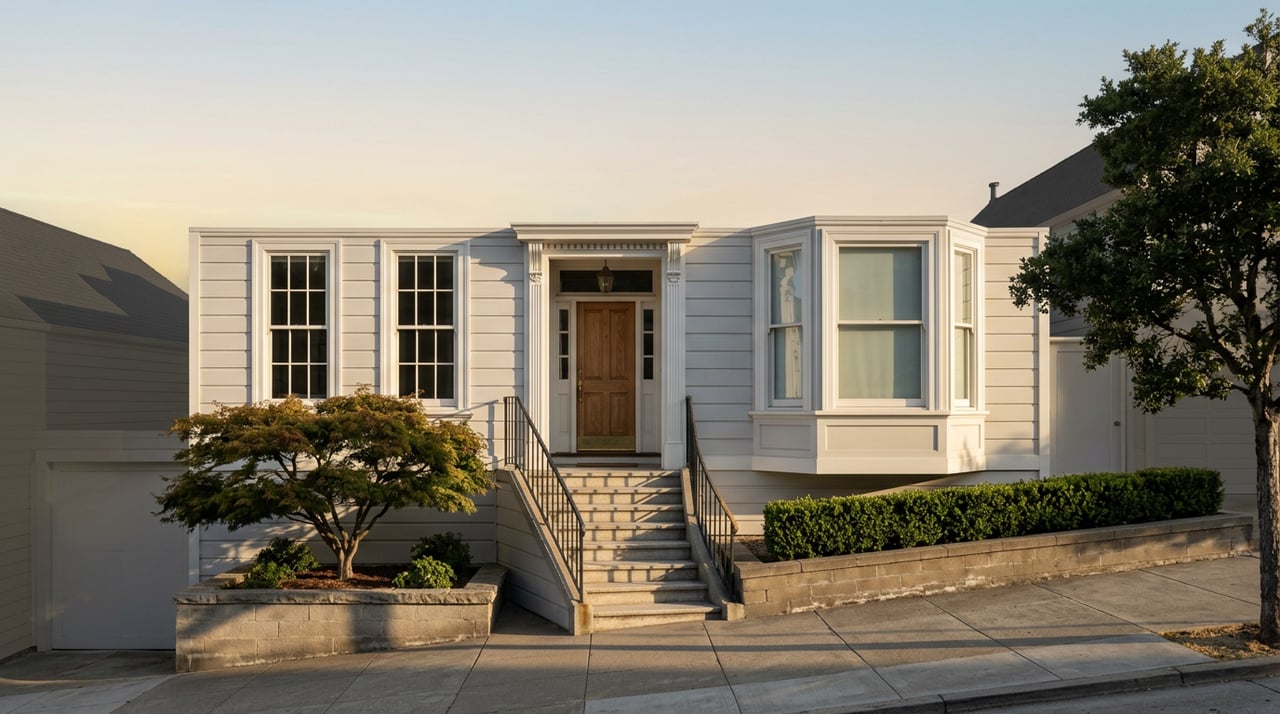
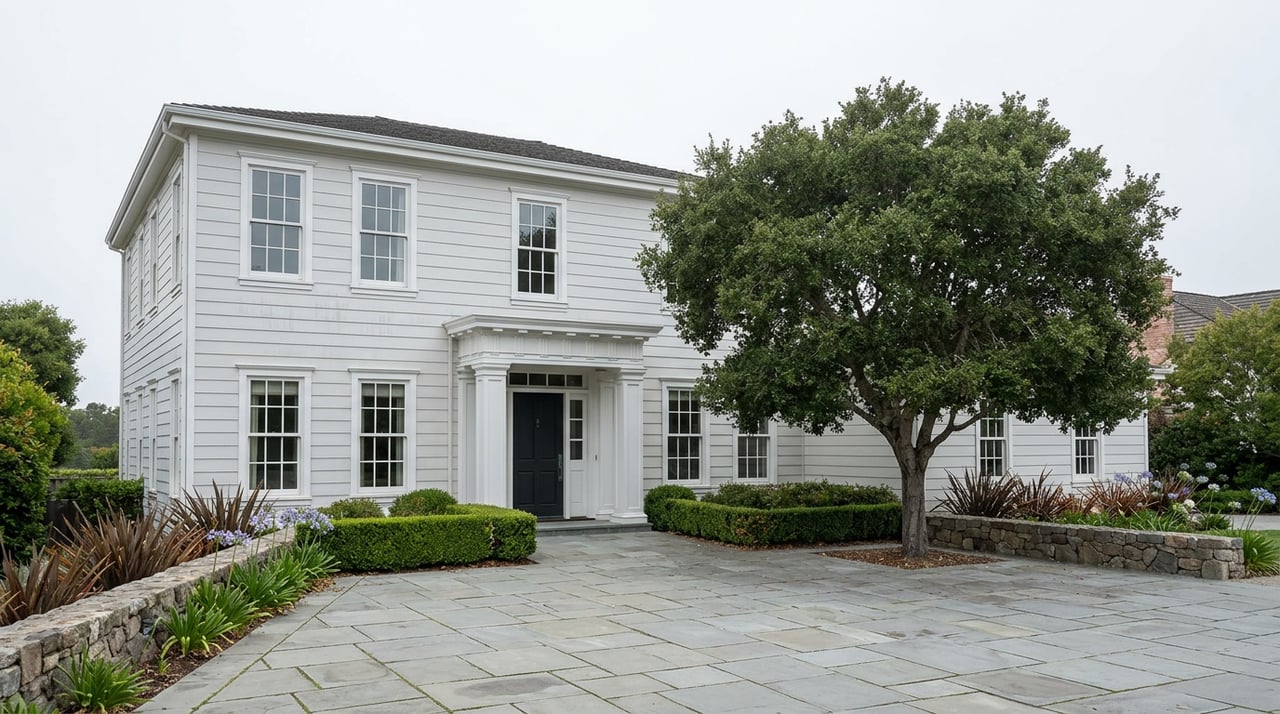
Compared with an ornate Victorian, an Edwardian façade usually reads as calmer, more symmetrical, and more classically organized. That shift can make these homes feel easier to furnish and, in some cases, easier to adapt while still preserving their character.
Why the category is broader than it sounds
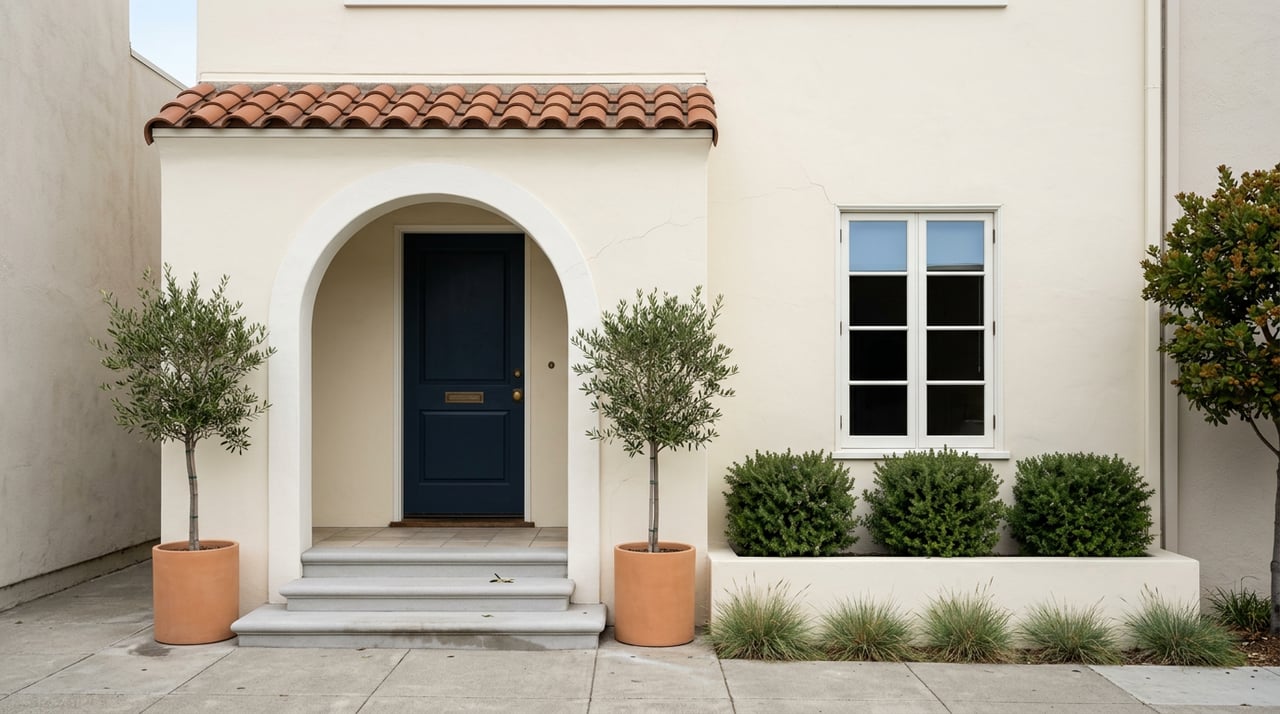
In Pacific Heights, the early-20th-century layer is not one single look. Planning documents show that the neighborhood includes classical, Colonial Revival, Tudor Revival, French Provincial, and Mediterranean Revival examples alongside what many buyers casually refer to as Edwardians.
That is useful to keep in mind when you are searching online or walking a block in person. A listing may be grouped broadly by age or era, but the actual design language can vary a lot from house to house.
What buyers often notice first
These homes often appeal to buyers who want historic character without the visual exuberance of a Victorian. You may notice more regular proportions, a more structured façade, and an interior that feels ordered rather than ornate.
That does not mean these homes lack detail. It simply means their identity often comes from balance, trim, window placement, and classical organization rather than towers, turrets, or heavily layered ornament.
Midcentury and modern homes
A smaller but important part of the neighborhood
Pacific Heights is also home to architect-designed modern houses. San Francisco Planning’s modern architecture context work identifies examples in the neighborhood such as the Roos House at 2660 Divisadero, built in 1938 and described as an early modern building by John Dinwiddie, and the Russell House at 3778 Washington, built in 1950 and designed by Erich Mendelsohn.
These homes are not the dominant story of Pacific Heights, but they are an important one. They expand the neighborhood’s architectural range and offer a very different experience from older period homes.
How midcentury homes typically feel
Bay Area modern design tends to be more horizontal, less ornamented, and more open to the outdoors. The National Park Service describes the region’s mid-century domestic architecture as favoring low-pitched roofs, rambling floor plans, attached garages, numerous windows, courtyards, porches, and a more open, informal feel.
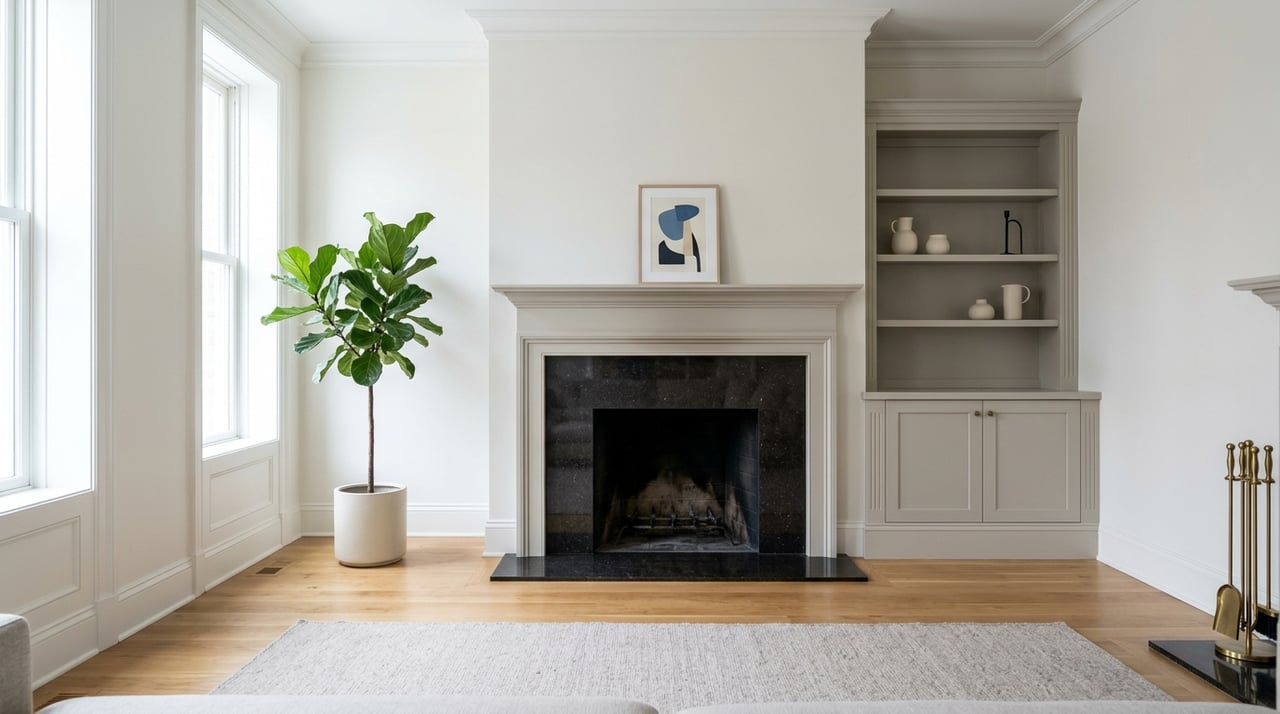
For you, that often translates into better daylight, easier circulation, and a more flexible daily living pattern. If you value openness and indoor-outdoor connection, these homes can feel especially compelling.
Contemporary updates and infill
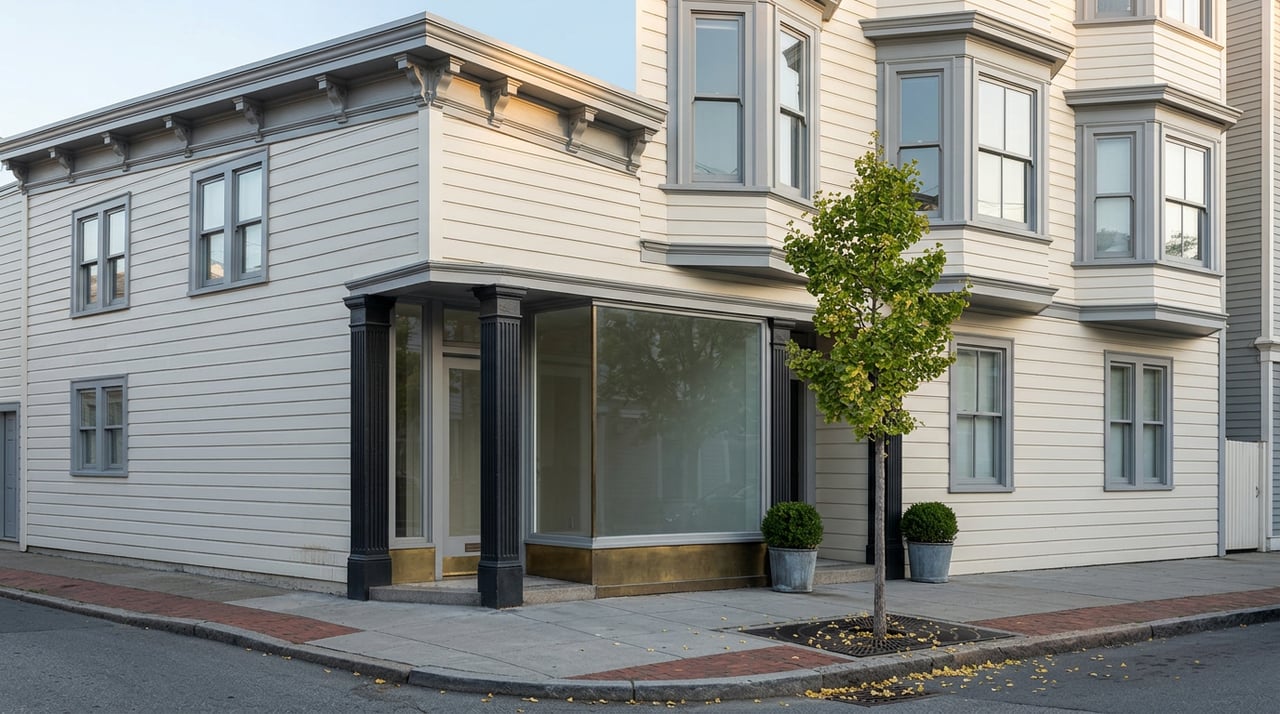
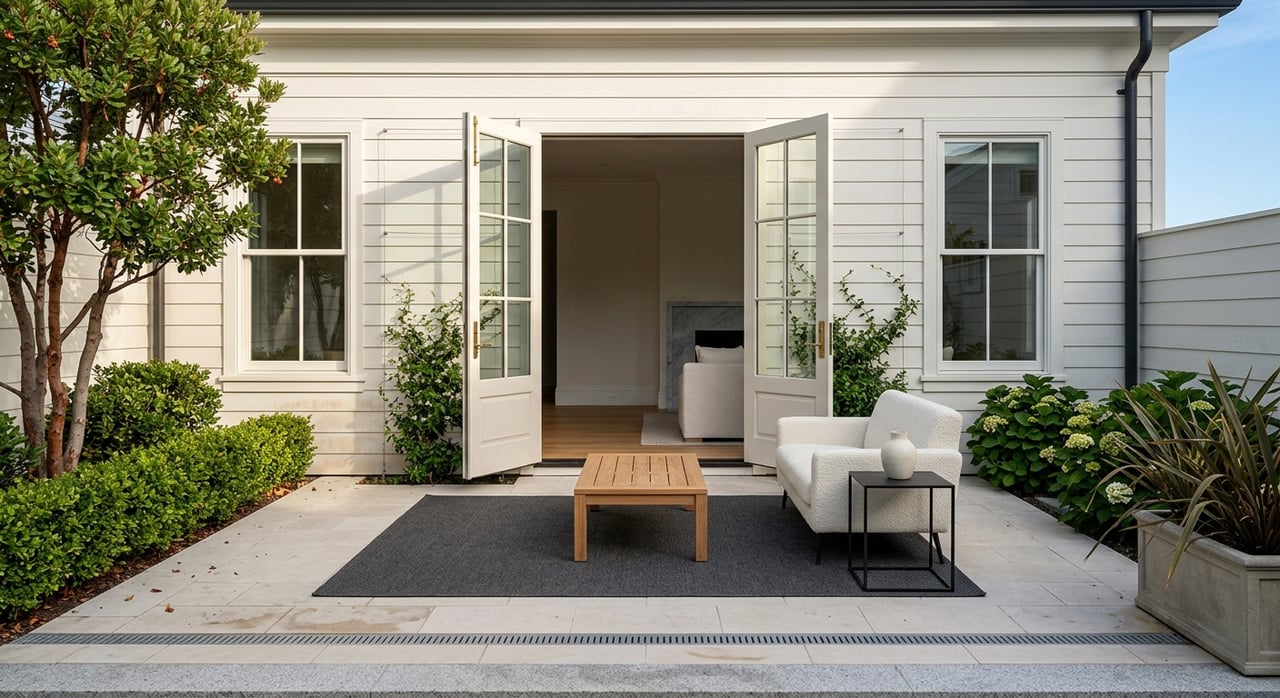
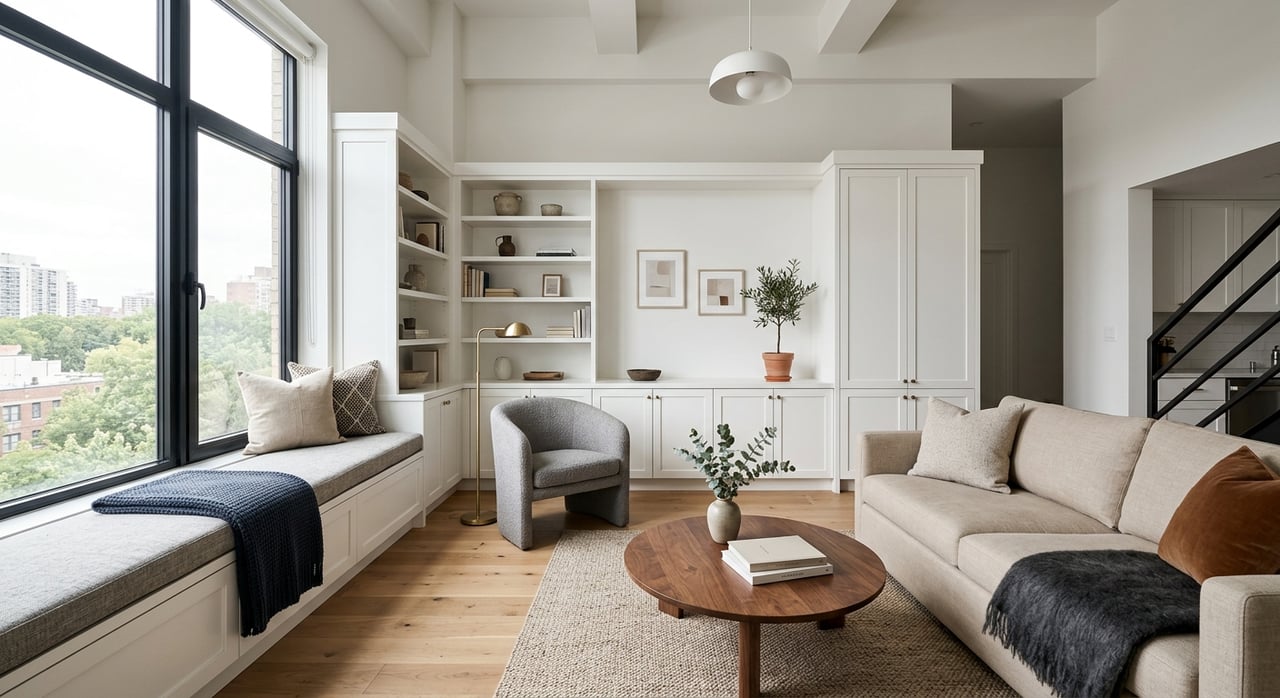
In Pacific Heights, contemporary design often appears through additions, remodels, or selective infill rather than a broad wave of new construction. That makes the quality of integration especially important.
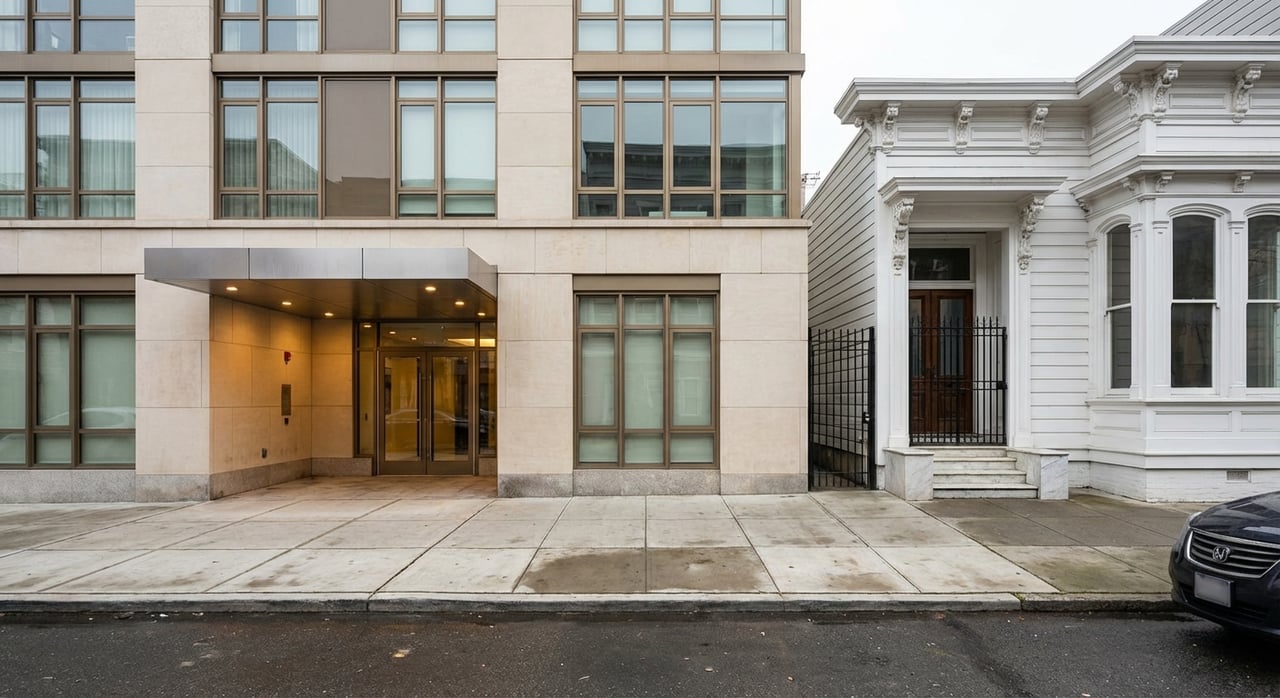
A thoughtful contemporary intervention can improve function and light while still respecting the existing structure and block context. A less successful one can feel visually disconnected from the home’s proportions, the slope of the lot, or the rhythm of the street.
San Francisco Planning notes that the city reviews exterior changes such as additions, dormers, decks, stairs, garages, and façade changes during permit review. As of April 1, 2025, Preservation Design Standards also apply to additions and modifications of certain historic buildings.
What to look for on a home tour
Ask about light and circulation
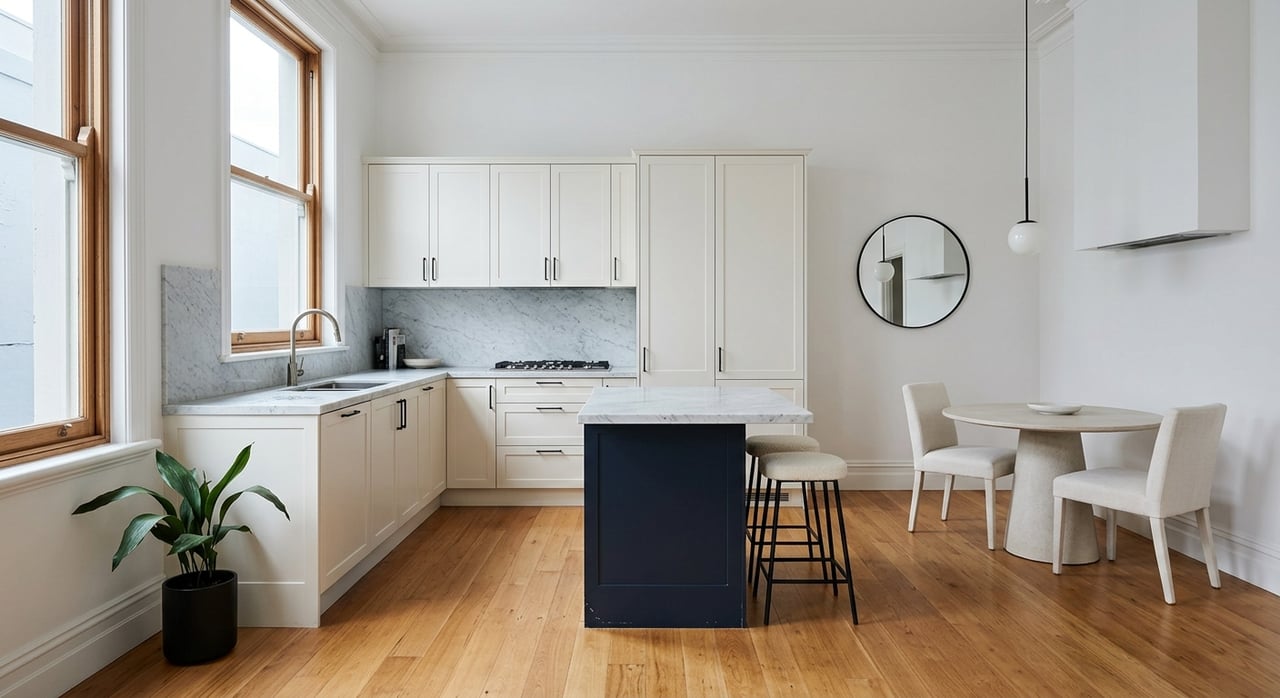
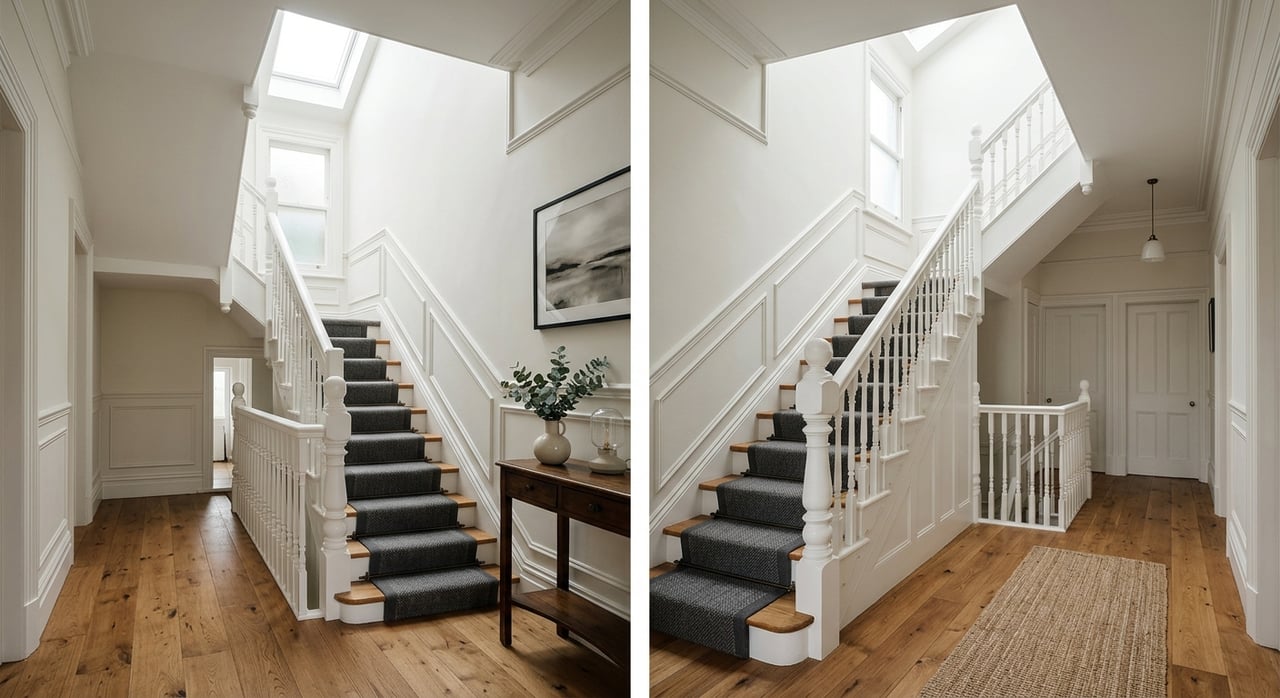
In Pacific Heights, some of the most useful tour questions are about where light comes from and how the floor plan has evolved. Ask whether the rear has been opened up, how the stairs shape movement through the house, and whether the home still follows its original room pattern or has been reworked for a more open lifestyle.
This matters because style and livability are deeply connected here. A beautiful façade tells only part of the story.
Look for original features and alteration history
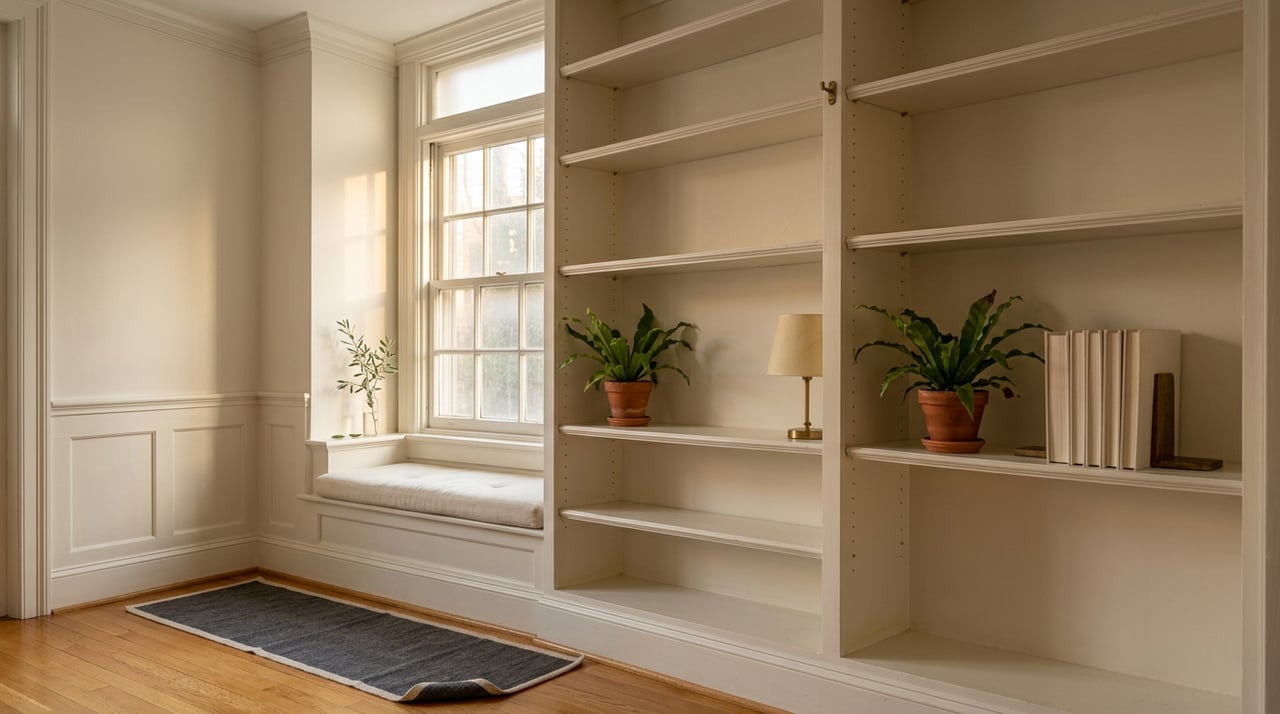
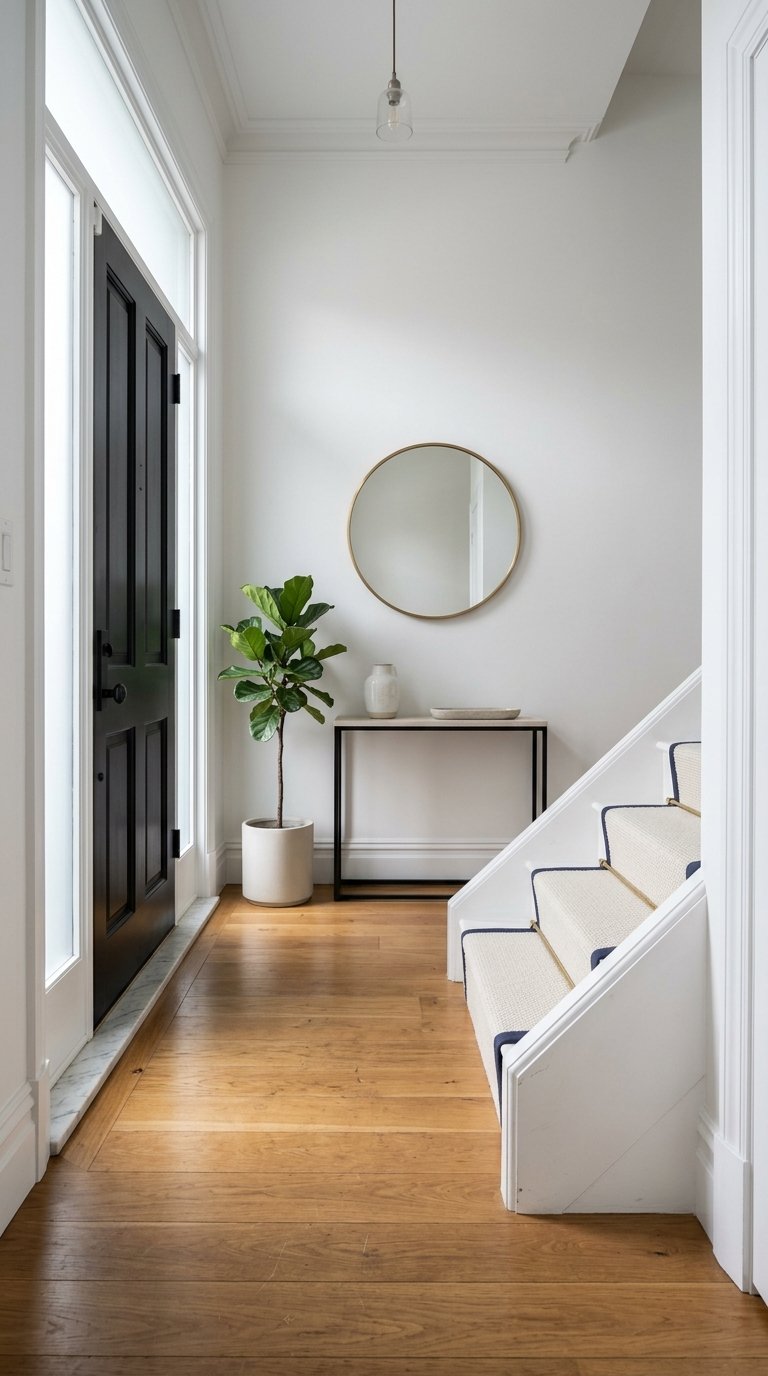
Try to understand how much of the original stair hall, window pattern, and trim survive. These details can shape both aesthetic value and future renovation decisions.
It is also smart to ask about prior exterior work. San Francisco Planning states that replacement windows require permits on every building in the city, and visible replacements or exterior changes can trigger additional review.
Confirm historic status early
If a home is in a historic district or otherwise identified as a historic resource, that can influence what is possible later. Within Article 10 districts, exterior alterations generally require a Certificate of Appropriateness.
For buyers, this is not automatically a negative. It simply means the property should be evaluated with a clear understanding of preservation review and the home’s architectural significance.
Renovation potential in Pacific Heights
Because Pacific Heights is topographically dramatic, rooflines and additions can be especially visible. San Francisco’s General Plan emphasizes that hills, views, building form, and street space are central to the city’s character, and specifically notes Pacific Heights’ outstanding Bay views down streets, landscaped grounds, and well-proportioned street areas.
That context matters when you think about renovation potential. The question is not only whether a project can be permitted, but also whether the design feels consistent with the block, the slope, and the surrounding view corridor.
This is where architectural style becomes a practical tool. A Victorian, an Edwardian, and a midcentury home may all offer renovation opportunity, but the right approach will look different in each one.
How style influences long-term appeal
In Pacific Heights, style often shapes the kind of buyer a home attracts. Victorian character tends to resonate with buyers who value ornament, craftsmanship, and period identity. Edwardian and revival-style homes often attract buyers who want a quieter classical feel, while midcentury homes tend to appeal to those who want light, openness, and ease of flow.
Contemporary work can be a major asset when it is well integrated. In this neighborhood, buyers often respond best to updates that feel intentional and respectful rather than visually overbearing.
For sellers, that is an important strategic point. The way a home is presented should highlight the style’s strongest qualities, whether that means craftsmanship, symmetry, daylight, or a clean connection between historic character and modern function.
Why design literacy gives you an edge
In a neighborhood as visually rich as Pacific Heights, architectural literacy helps you move with more confidence. You can compare homes more accurately, spot the difference between original character and later changes, and understand why two properties with similar numbers may create very different reactions in the market.
That is especially valuable in a place where streetscape, proportion, and presentation carry real weight. When you know what you are looking at, you make better decisions as both a buyer and a seller.
If you are thinking about buying or selling in Pacific Heights, it helps to work with someone who can read both the architecture and the market. Adelaida Mejia brings a designer’s eye, neighborhood fluency, and a thoughtful, high-touch approach to helping you evaluate character, potential, and presentation.
FAQs
What architectural styles are common in Pacific Heights homes?
- Pacific Heights includes late-Victorian Queen Anne, Shingle, Arts & Crafts, Classical Revival, Colonial Revival, Tudor Revival, French Provincial, Mediterranean Revival, and some architect-designed modern homes.
What should buyers notice on Pacific Heights home tours?
- Focus on light, circulation, stair placement, bay-window depth, original trim, ceiling height, window patterns, and whether the home has been significantly altered from its original layout.
What makes Victorian homes in Pacific Heights distinct?
- Victorian homes are often asymmetrical and highly detailed, with features like turrets, wraparound porches, spindlework, stained glass, varied materials, and elaborate gables.
What is different about Edwardian homes in Pacific Heights?
- Edwardian homes in Pacific Heights generally feel more restrained and classically organized than Victorians, often with calmer façades, more symmetry, and a more ordered visual structure.
What should homeowners know about renovating historic homes in Pacific Heights?
- Exterior changes such as additions, decks, dormers, garage work, façade changes, and even replacement windows may require permits and additional review, especially if the home is in an Article 10 Historic District or is otherwise historically designated.
Are there modern and midcentury homes in Pacific Heights?
- Yes. Pacific Heights includes architect-designed early modern and midcentury homes, and contemporary design is often seen through additions, remodels, and selective infill rather than widespread new construction.